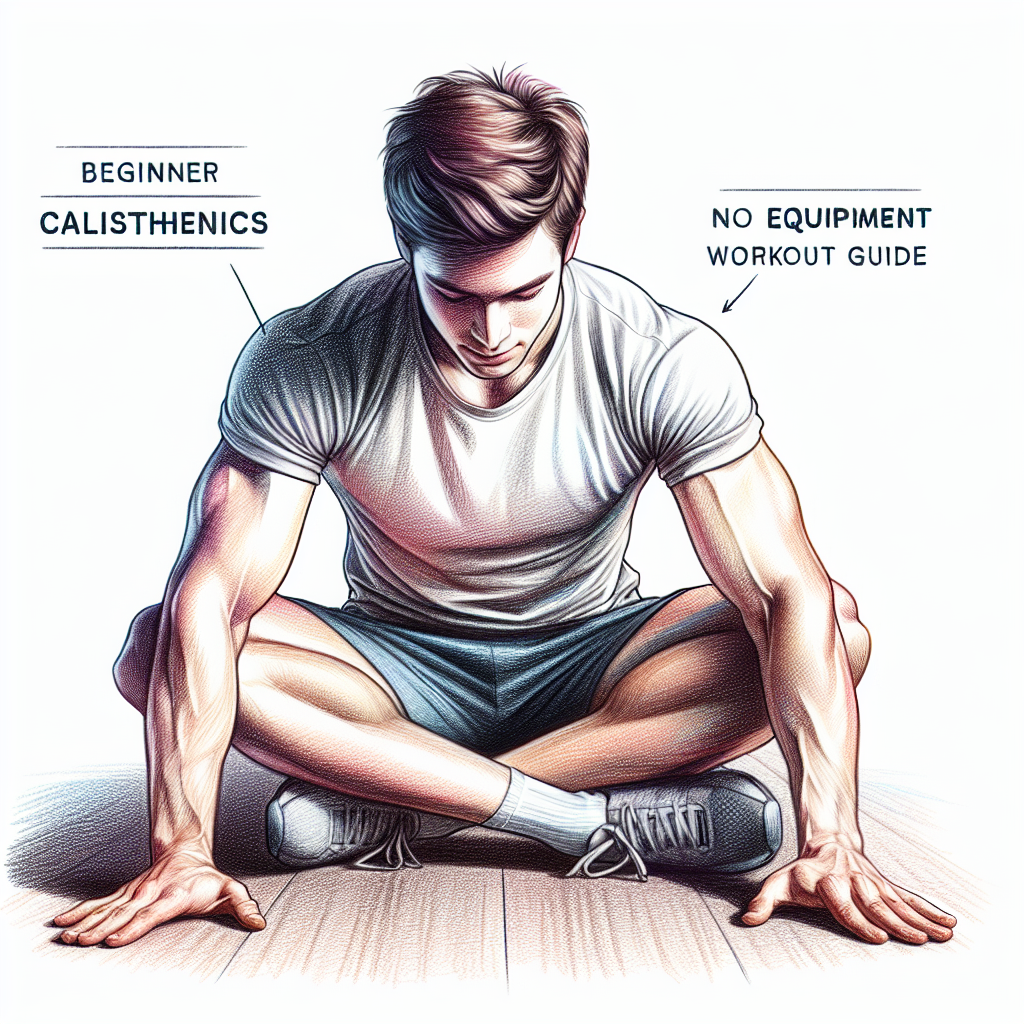
Calisthenics Workout for Beginners: No Equipment Needed
Calisthenics offers a convenient way to enhance one’s fitness without the need for expensive gym memberships or bulky equipment. This bodyweight workout method improves strength, flexibility, and overall physical conditioning. In this article, we’ll explore a beginner-friendly calisthenics workout that requires no equipment, allowing you to embark on your fitness journey from the comfort of your home.
- Understanding Calisthenics
- Benefits of Calisthenics for Beginners
- Getting Started: A Beginner’s Routine
- Common Mistakes to Avoid
- When to Seek Professional Guidance
- Frequently Asked Questions
- Conclusion and Key Takeaways
Understanding Calisthenics
Calisthenics involves a series of exercises that use one’s body weight as resistance. This form of training emphasizes functional movements that enhance muscular strength and endurance, flexibility, and coordination. Unlike traditional weightlifting, calisthenics can be performed anywhere and at any time, making it an accessible fitness solution for everyone.
Benefits of Calisthenics for Beginners
Engaging in calisthenics offers numerous advantages, especially for those starting their fitness journey:
- No Equipment Required: Since calisthenics utilizes body weight, no costs are incurred for gym memberships or equipment.
- Increases Strength and Endurance: Calisthenics can build functional strength and endurance, crucial for overall fitness.
- Improves Flexibility and Balance: The variety of movements enhances mobility and coordination.
- Promotes Weight Management: Regular engagement can assist in fat loss while promoting lean muscle gain.
- Customizable for All Levels: Beginners can easily modify exercises to suit their fitness levels.
Getting Started: A Beginner’s Routine
A simple yet effective calisthenics routine can be integrated into your daily routine. Here’s a 6-minute classic workout you can perform anytime:
- Warm-Up (1 Minute): Jumping jacks or jogging in place to elevate heart rate.
- Push-Ups (1 Minute): Start with standard push-ups or knee push-ups to build upper body strength.
- Bodyweight Squats (1 Minute): Keep feet shoulder-width apart and squat down, ensuring knees remain behind toes.
- Plank (1 Minute): Hold a plank position to engage core muscles effectively.
- Lunges (1 Minute): Alternate legs, ensuring knee lines up with your ankle.
- Cooldown (1 Minute): Gentle stretching focusing on all major muscle groups.
For a structured plan, consider signing up for this free 30-day exercise program that involves just 6 minutes of daily exercise, yet yields impressive results.
Common Mistakes to Avoid
To maximize the effectiveness of your calisthenics workouts, be mindful of the following common errors:
- Skipping Warm-Up: Always warm up to prevent injuries and enhance performance.
- Poor Form: Focus on maintaining proper form rather than quantity to avoid strain or injury.
- Overtraining: Begin with 2-3 sessions a week to allow your body to adapt and recover.
- Ineffective Progression: Gradually increase the difficulty of exercises or the number of repetitions as you build strength.
When to Seek Professional Guidance
While many individuals can successfully navigate their fitness journey independently, there are situations where professional advice is beneficial:
- If you experience persistent pain during or after workouts.
- When unsure about proper form, which can lead to injuries.
- If you have pre-existing health conditions or concerns that may affect exercise.
- When aiming for specific fitness goals that require tailored guidance.
Frequently Asked Questions
What is calisthenics?
Calisthenics is a form of exercise that uses body weight as resistance, focusing on functional movements to improve physical strength and fitness.
Do I need any equipment for calisthenics?
No, calisthenics can be performed anywhere as it requires no specialized equipment.
How often should beginners train with calisthenics?
Beginners should start with 2-3 sessions per week, gradually increasing frequency as they adapt.
Can calisthenics help with weight loss?
Yes, combining calisthenics with a balanced diet can help promote weight loss and improve overall body composition.
Is calisthenics suitable for all ages?
Calisthenics is generally suitable for all ages and fitness levels, but it is advisable for older adults or those with health concerns to consult a healthcare provider first.
How can I progress in calisthenics?
You can progress by increasing repetitions, trying more complex variations of exercises, or incorporating new movements into your routine.
Conclusion and Key Takeaways
- Calisthenics is a highly effective workout method requiring no equipment.
- It promotes strength, flexibility, balance, and overall fitness.
- Beginners should focus on a structured yet simple routine.
- Avoid common mistakes by maintaining proper form and allowing for recovery time.
- Consider seeking professional advice if experiencing pain or when unsure of proper techniques.
Begin your fitness journey today with calisthenics, and for additional support, don’t forget to check out the free 30-day exercise program.
Author: John Angel