Calisthenics workouts have gained immense popularity in recent years, primarily due to their accessibility and effectiveness. By relying solely on bodyweight movements, individuals can perform a comprehensive exercise regimen without the need for expensive equipment or gym memberships. This article aims to elucidate the principles of a no-equipment calisthenics workout, present various exercises, and guide you toward a sustainable fitness journey.
- Understanding Calisthenics
- Benefits of No-Equipment Workouts
- Key Calisthenics Exercises
- A Sample Workout Plan
- When to Consult a Professional
- Common Misconceptions
- FAQ
- Conclusion
Understanding Calisthenics
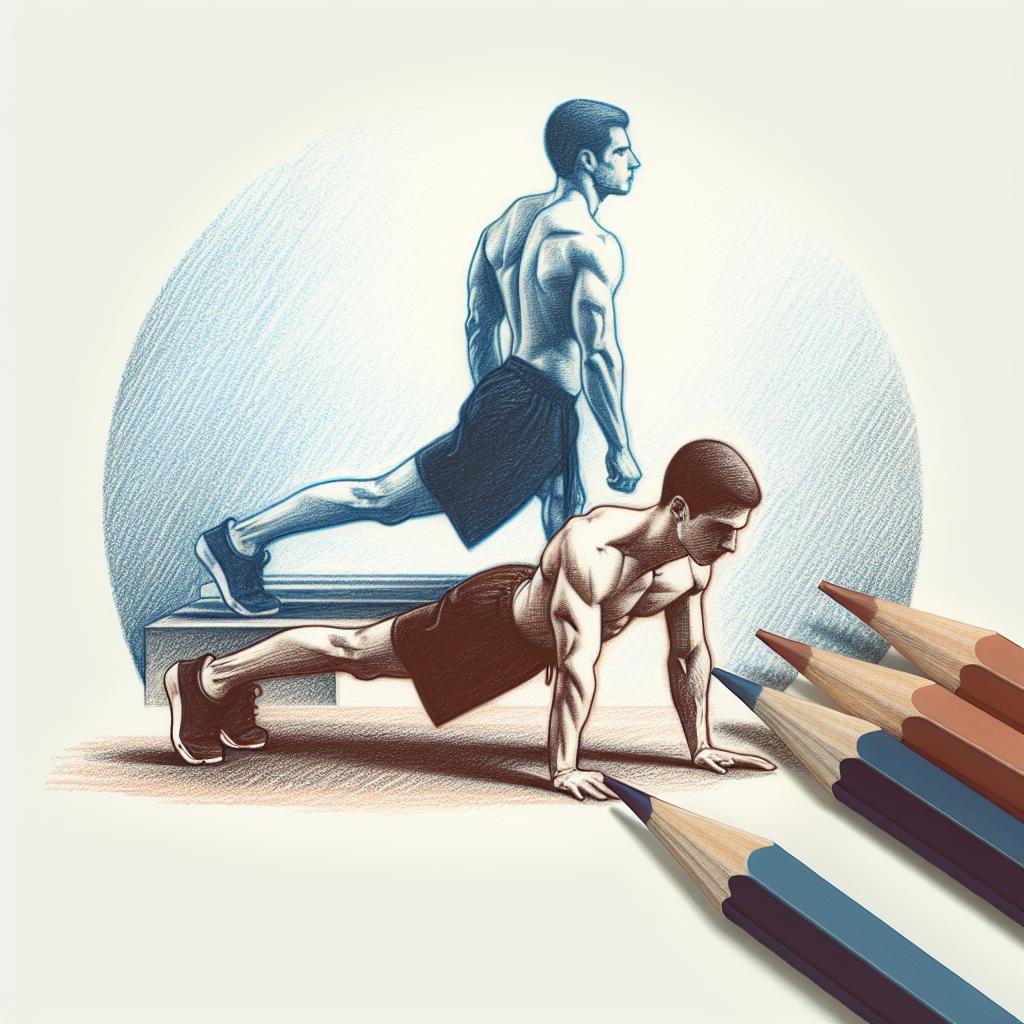
Calisthenics is a form of exercise characterized by a variety of movement patterns that utilize body weight as resistance. Movements such as push-ups, squats, and lunges enable individuals to improve strength, flexibility, endurance, and balance without the need for weights or machines. This method not only supports physical health but also encourages discipline and body awareness.
Benefits of No-Equipment Workouts
Opting for workouts that require no equipment can provide numerous benefits, including:
- Cost-effective: You can stay fit without spending money on gym memberships or equipment.
- Flexibility: Workouts can be done anywhere, anytime; whether at home, in a park, or while traveling.
- Adaptability: Exercises can be modified to suit varying fitness levels, making them accessible for everyone.
- Improved Mobility: Many calisthenics movements enhance flexibility, joint stability, and overall mobility.
- Effective Results: Consistent practice can yield significant improvements in strength, endurance, and body composition.
Key Calisthenics Exercises
To engage in an effective no-equipment workout, consider incorporating the following fundamental calisthenics exercises:
- Push-ups: Strengthen the chest, shoulders, and triceps.
- Pull-ups: Excellent for developing upper body strength; can be performed on a sturdy bar.
- Squats: Target the quadriceps, hamstrings, and glutes.
- Lunges: Great for balance and lower body strength.
- Planks: A core-strengthening exercise that also engages the shoulders and back.
- Burpees: A full-body exercise promoting both strength and cardiovascular fitness.
A Sample Workout Plan
Here is a structured plan to guide your no-equipment workout regimen:
- Warm-up: 5 minutes of dynamic stretching (arm circles, leg swings, torso twists).
- Perform 3 sets of the following:
- Push-ups: 10-15 reps
- Bodyweight Squats: 15-20 reps
- Plank: 30 seconds
- Lunges: 10 reps per leg
- Cool down: 5 minutes of static stretching (focus on hamstrings, quads, and shoulders).
For those seeking an efficient and time-focused workout, consider joining a free 30-day exercise program where you can achieve results with just six minutes of daily exercise: Register here.
When to Consult a Professional
While calisthenics can be beneficial for many, there are instances when consulting a qualified professional becomes essential:
- If you experience persistent pain or discomfort during exercise.
- Should you have a pre-existing medical condition that could affect your ability to perform physical activities.
- If you are unsure about the correct form of an exercise, which can lead to injury.
- In cases of significant changes in your capacity to engage in physical activity.
- When embarking on a new workout regimen after a long period of inactivity.
Common Misconceptions
Amid the popularity of calisthenics, several myths can distort understanding and practice:
- Myth 1: You need a gym to be fit. Many effective exercises require no equipment.
- Myth 2: Calisthenics is only for beginners. It can be scaled to suit all fitness levels.
- Myth 3: Strength training requires weights. Bodyweight exercises are equally effective for building strength.
- Myth 4: Cardio is separate from strength training. Many calisthenics movements improve both strength and cardiovascular fitness simultaneously.
- Myth 5: You won’t see results without a gym. With consistency and proper technique, significant improvements can occur without weights.
FAQ
Can I build muscle with calisthenics?
Yes, calisthenics can effectively build muscle by utilizing progressive overload and variations in movements.
How often should I perform calisthenics?
For best results, aim for three to five sessions per week, allowing for rest and recovery.
Do I need to warm up before calisthenics?
Yes, warming up is essential to prevent injuries and improve performance.
Can anyone do calisthenics?
Most individuals can participate, but if you have health concerns, consult a professional first.
Are there specific dietary recommendations for calisthenics?
While focusing on calisthenics, a balanced diet rich in protein, healthy fats, and carbohydrates is recommended.
What is the best way to progress in calisthenics?
Increasing the difficulty of exercises, adding variations, and performing more repetitions are effective methods of progressing.
Conclusion
- Calisthenics is a practical and effective way to enhance physical fitness.
- No-equipment workouts can be done anywhere and are cost-effective.
- Incorporating a variety of bodyweight exercises yields significant benefits.
- Listening to your body and knowing when to seek professional advice is vital for safety.
- Dispelling myths about calisthenics encourages broader participation and understanding.
In conclusion, exploring a no-equipment calisthenics workout can significantly contribute to your overall wellness. Start building your routine today and consider joining the free 30-day exercise program available here. Your journey to better health begins now!
Author: John Angel