
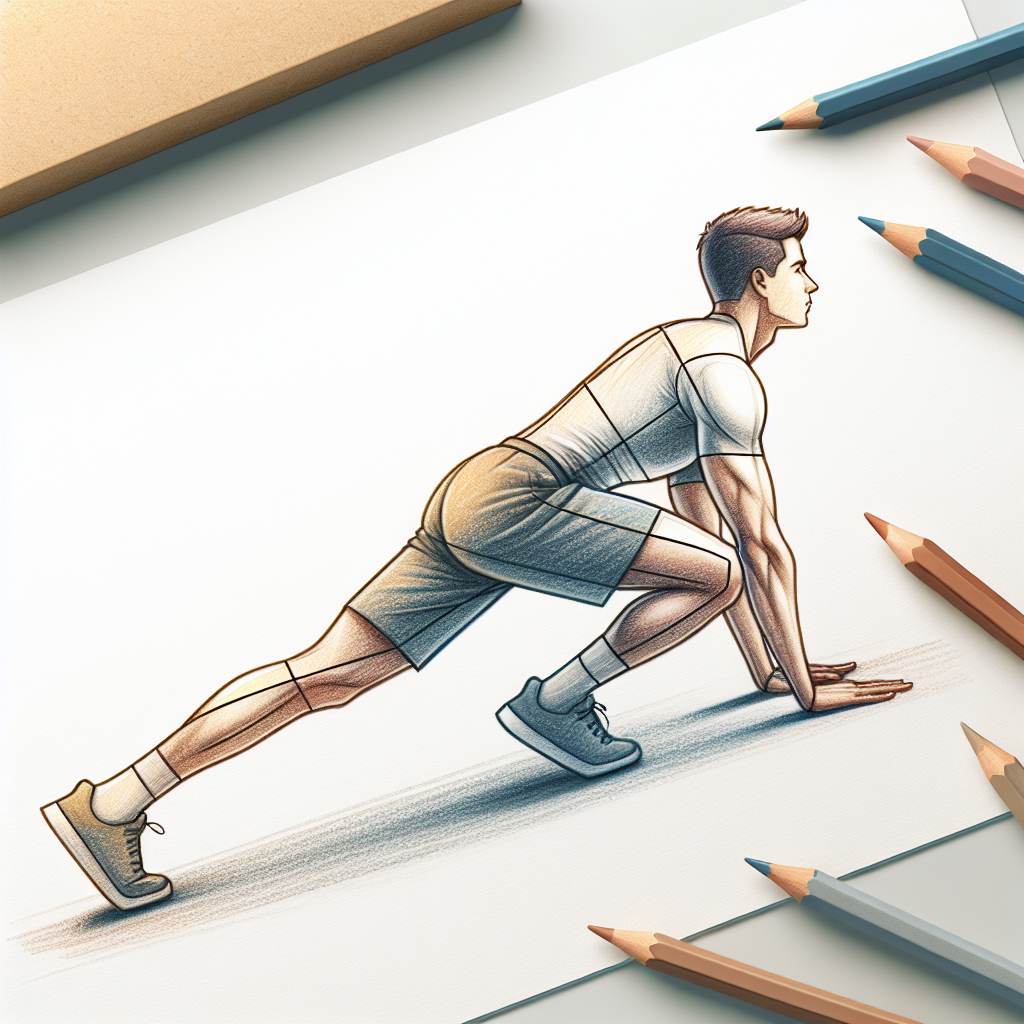
Circuit training offers a flexible and efficient way to achieve fitness goals, all without the need for any equipment. This style of workout not only enhances cardiovascular stamina but also builds strength and flexibility. By engaging multiple muscle groups in quick succession, circuit training promotes overall fitness and can be easily integrated into a daily routine. This article will guide you through effective circuit training exercises you can do anywhere, ensuring that you maximize your results with minimal time investment.
- What is Circuit Training?
- Benefits of Equipment-Free Exercises
- Effective Exercises for Your Circuit
- Creating Your Circuit Routine
- Common Myths about Circuit Training
- When to Seek Professional Guidance
- FAQ
- Conclusion and Call to Action
What is Circuit Training?
Circuit training is a form of physical training that involves a sequence of exercises performed one after the other, with minimal rest between each. This method is often designed to improve strength and endurance simultaneously, allowing individuals to achieve comprehensive fitness improvements in a shorter timeframe.
Benefits of Equipment-Free Exercises
There are numerous advantages to practicing circuit training without equipment:
- Cost-Effective: No need to invest in expensive gym memberships or equipment.
- Convenience: Easily performed in various locations, including home, parks, or during travel.
- Time-Efficient: Focuses on high-intensity activities that maximize results in a limited timeframe.
- Scalable: Easily customizable to suit different fitness levels and goals.
Effective Exercises for Your Circuit
Incorporating a variety of exercises ensures that different muscle groups are engaged. Below are some effective exercises that require no equipment:
- Bodyweight Squats: Develop lower body strength while also improving balance.
- Push-Ups: Target the chest, shoulders, and triceps, building upper body strength.
- Lunges: Enhance leg strength and stability, focusing on core engagement.
- High Knees: Boost cardiovascular fitness while engaging the core and legs.
- Plank: Strengthen the core, shoulders, and back for improved stability.
- Burpees: A full-body exercise that increases heart rate and endurance.
Creating Your Circuit Routine
Building a circuit routine involves selecting your exercises and determining their order. Here’s a simple approach to assemble your session:
- Choose 5-7 exercises from the list provided.
- Perform each exercise for 30 seconds, followed by a 15-30 seconds rest.
- Repeat the circuit for 2-4 rounds based on your fitness level.
- Ensure you warm up before beginning, and cool down afterward.
- Monitor your heart rate and adjust intensity as needed.
Common Myths about Circuit Training
Despite its popularity, several misconceptions about circuit training exist:
- Myth 1: Circuit training is only for advanced athletes. Fact: It can be tailored for all fitness levels.
- Myth 2: Equipment is necessary for an effective workout. Fact: Bodyweight exercises can provide significant results.
- Myth 3: Circuit training is inferior to traditional weightlifting. Fact: Both have unique benefits which can complement each other.
- Myth 4: It doesn’t build muscle effectively. Fact: Muscle can be developed through the appropriate intensity and volume.
When to Seek Professional Guidance
While circuit training can be done independently, specific indicators suggest when professional advice may be beneficial:
- Prior injuries or chronic conditions affecting your ability to exercise safely.
- Uncertainty about proper form and technique for exercises.
- Goals that may require specialized programming.
- Difficulty maintaining motivation or consistency in your routine.
Consulting a qualified fitness professional can provide personalized support and adaptations.
FAQ
1. How long should a circuit training session last?
A typical session can last 20 to 30 minutes, including warm-up and cool-down periods.
2. Can beginners perform circuit training?
Yes, beginners can start by using basic exercises and modifications that suit their fitness levels.
3. How often should I do circuit training?
It is generally recommended to perform circuit training 2-3 times a week, allowing rest days in between.
4. Is it necessary to include rest days?
Yes, rest days are essential for recovery and optimal performance in subsequent workouts.
5. Can I combine circuit training with other workout styles?
Absolutely! Combining circuit training with cardio or flexibility routines can create a balanced fitness regimen.
6. Can I track my progress with circuit training?
Yes, tracking improvement in exercise duration, intensity, and overall endurance is effective for assessing progress.
Conclusion and Call to Action
- Circuit training is an effective and economical way to achieve fitness goals.
- No equipment is necessary, making it easily accessible for everyone.
- Incorporating a variety of exercises keeps workouts fresh and engaging.
- Understanding when to seek professional guidance ensures safe and effective training.
- Utilizing circuit training can help you achieve results comparable to traditional gym workouts.
If you’re interested in transforming your exercise routine, consider registering for a free 30-day program, where you only need to dedicate 6 minutes daily to see results akin to regular gym sessions.
Author: John Angel