
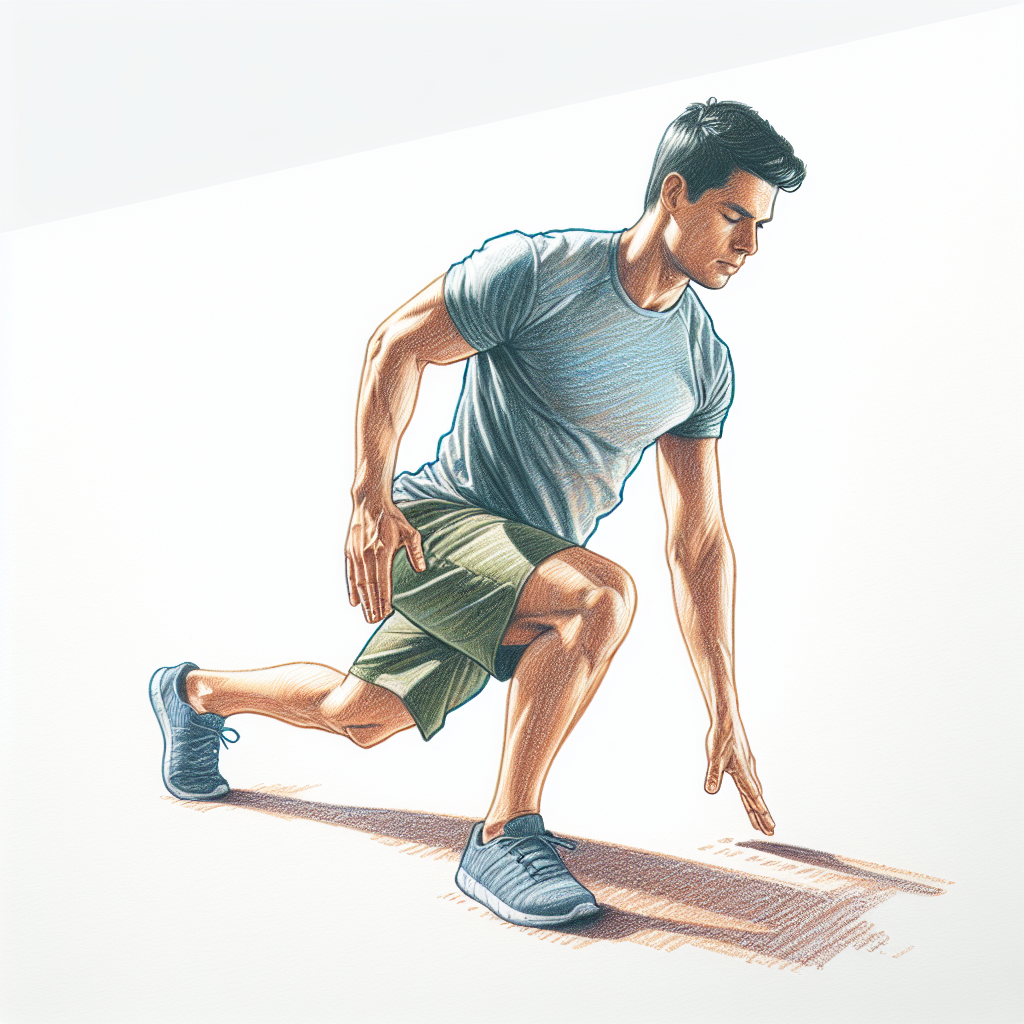
Circuit Training for Beginners Without Equipment
Circuit training presents an efficient and effective workout strategy, especially appealing to beginners who may lack the resources or experience required for traditional gym settings. This training method allows individuals to engage in a series of exercises that target the entire body, promoting cardiovascular fitness, strength, and endurance without the need for specialized equipment. In this article, we will explore the fundamentals of circuit training suitable for beginners, offering practical guidance and tips to create a personalized routine from the comfort of your home. Furthermore, we provide a helpful resource where you can sign up for a 30-day exercise program that requires only six minutes of your day and can yield results comparable to regular gym visits: Register here!.
- Understanding Circuit Training
- Benefits of No-Equipment Workouts
- Sample Circuit Training Routine
- Common Mistakes and Misconceptions
- When to Seek Professional Guidance
- FAQs
- Conclusion
Understanding Circuit Training
Circuit training involves performing a sequence of exercises one after the other with minimal rest in between. Each round consists of various physical activities targeting different muscle groups. This format can be particularly beneficial for beginners, as it offers versatile options to accommodate different fitness levels and goals.
How Circuit Training Works
The essence of circuit training lies in its ability to combine strength training and cardiovascular workouts. By alternating between different exercises, you maintain an elevated heart rate while simultaneously building strength. This method promotes both muscle toning and fat burning, making it a comprehensive fitness approach.
Benefits of No-Equipment Workouts
No-equipment workouts allow individuals to exercise anywhere, whether at home, in a park, or while traveling. Here are some key advantages:
- Accessibility: No need for gym memberships or equipment purchases.
- Convenience: Workouts can be performed anytime, fitting into your schedule easily.
- Cost-Effective: Eliminates financial barriers associated with traditional fitness pathways.
- Versatility: Allows for a wide variety of exercises targeting all muscle groups.
- Focus on Body Weight: Enhances body awareness and functional strength.
Sample Circuit Training Routine
To get started, you can follow a straightforward no-equipment circuit comprised of five exercises. Perform each exercise for 30 seconds followed by a 15-second rest. Complete three rounds of this circuit for an effective workout in under 20 minutes.
- Bodyweight Squats: Stand with feet shoulder-width apart, squat down as if sitting back into a chair, then rise back to the starting position.
- Push-Ups: With hands shoulder-width apart and body in a straight line, lower yourself toward the ground and push back up. Modify by doing them on your knees.
- Plank: Hold your body in a straight line from head to heels, supporting your weight on your forearms and toes.
- Lunges: Step forward with one leg, lowering your hips until both knees are bent at about a 90-degree angle. Alternate legs.
- Jumping Jacks: Start standing with arms at your sides. Jump up, spreading your legs and arms, then return to the starting position.
Common Mistakes and Misconceptions
As beginners embark on their fitness journeys, several mistakes and misconceptions may arise regarding circuit training:
- Myth: Circuit training is only for advanced users. Truth: It is highly adaptable and can be tailored to any fitness level.
- Myth: You need equipment to get results. Truth: Bodyweight exercises can effectively build strength and endurance.
- Mistake: Poor form during exercises. Always prioritize proper technique over speed to prevent injury.
- Mistake: Skipping rest periods. Rest is essential for muscle recovery and improved performance. Take the necessary breaks.
When to Seek Professional Guidance
While circuit training can be undertaken independently, certain signs indicate it may be time to consult a qualified professional:
- Experiencing persistent pain during or after workouts.
- Uncertainty about proper exercise form and technique.
- Struggling with motivation or adherence to a workout routine.
- A medical condition or injury that may affect physical activity.
Consulting a certified trainer or a healthcare professional can provide tailored advice and support your fitness journey.
FAQs
What is circuit training?
Circuit training involves performing a series of different exercises consecutively, targeting various muscle groups, with minimal rest in between.
Can beginners perform circuit training?
Yes, circuit training can be easily adapted to suit beginners, allowing for gradual progression.
How long should a circuit training session last?
A session can be as short as 20 minutes, making it a time-efficient workout option.
Do I need special equipment for circuit training?
No, many effective circuit training exercises utilize only body weight, making it accessible to anyone.
How often should I do circuit training?
Beginners can start with 2-3 times a week, gradually increasing frequency as fitness improves.
Is circuit training effective for weight loss?
Yes, circuit training can promote weight loss through increased calorie burn and improved metabolic rate.
Conclusion
- Circuit training is an efficient workout method suitable for beginners.
- No-equipment workouts offer flexibility, accessibility, and cost-effectiveness.
- Beginner-friendly routines can be easily tailored to individual levels.
- Be mindful of common mistakes to enhance results and prevent injuries.
- Consult a professional if experiencing pain or uncertainty in your workouts.
Ready to embark on your fitness journey? Consider registering for the free 30-day exercise program that can help you achieve remarkable results in just six minutes a day: Register here!
Author: John Angel