
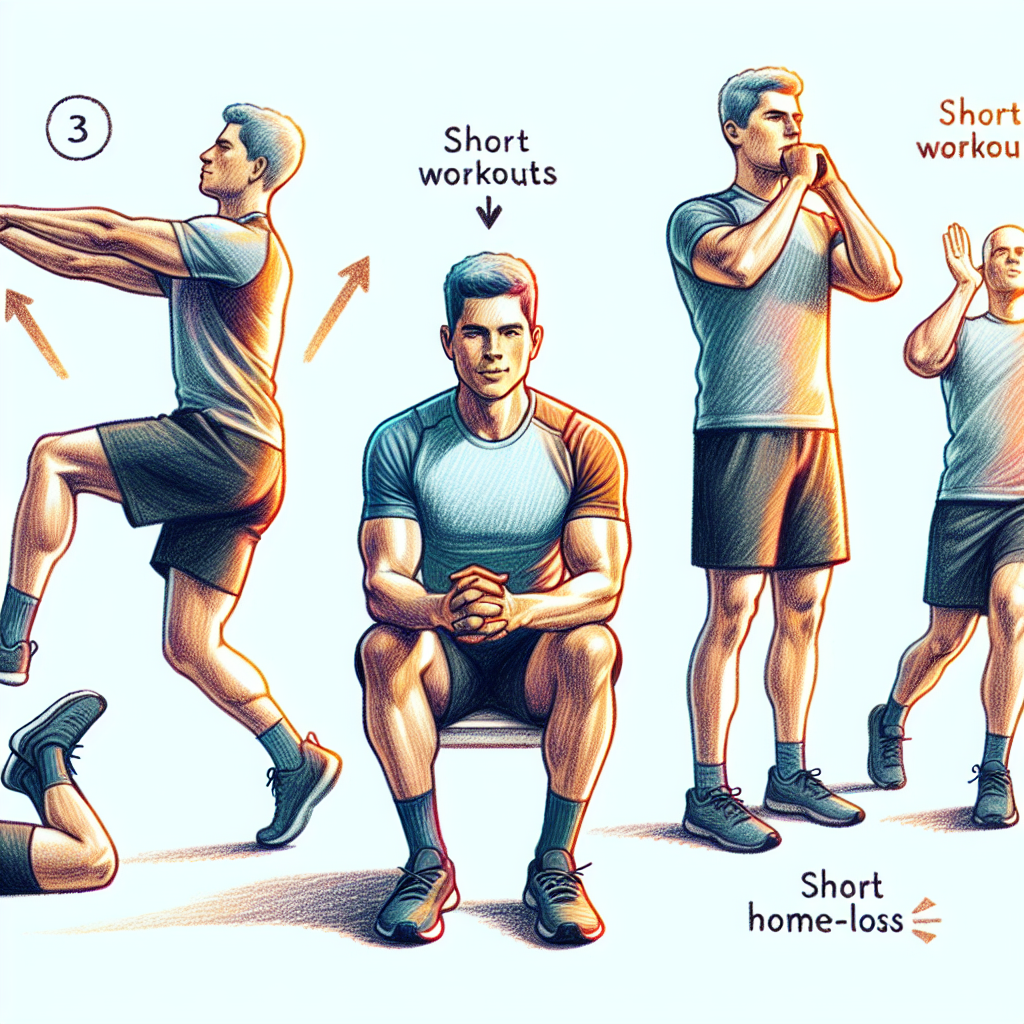
In today’s fast-paced world, finding time for exercise can be challenging. Yet, bodyweight workouts provide a convenient and effective solution that can significantly enhance your weight loss journey. Utilizing your own body as resistance, these exercises require no special equipment and can be performed in the comfort of your home. This article delves into the magic of six-minute short workouts and explores their myriad benefits, all while ensuring you stay on track with your fitness goals.
- Understanding Bodyweight Exercises
- The Advantages of Short Workouts
- How to Integrate Bodyweight Exercises into Your Routine
- Consulting Professionals: When to Seek Help
- Common Myths About Bodyweight Training
- FAQs About Bodyweight Workouts
- Conclusion and Your Next Steps
Understanding Bodyweight Exercises
Bodyweight exercises are physical movements that utilize the weight of one’s own body to build strength, endurance, flexibility, and coordination. Common examples include push-ups, squats, planks, and lunges. These exercises engage multiple muscle groups at once, offering a comprehensive workout that can lead to improved functional fitness.
The Advantages of Short Workouts
Six-minute workouts are gaining popularity due to their efficiency and effectiveness. These brief sessions are designed to maximize results in minimal time, making them ideal for busy individuals.
- Time-Efficient: Short workouts allow you to fit exercise into your day without requiring large time blocks.
- Increased Intensity: Focusing on intensity over duration can elevate your heart rate, aiding in calorie burn.
- Enhanced Consistency: Shorter workouts reduce the mental barrier to exercising, encouraging regularity.
- Versatility: These workouts can be tailored to fitness levels and can be done anywhere, eliminating excuses.
- Mental Boost: Completing a short workout can provide a sense of accomplishment and boost your mood.
How to Integrate Bodyweight Exercises into Your Routine
Incorporating bodyweight exercises into your daily routine is straightforward. Here are some practical steps:
- Choose a Time: Select a consistent time each day for your workout to build a habit.
- Set a Timer: Use a timer for six minutes to encourage focused, high-intensity exercise.
- Mix It Up: Combine different exercises to work various muscle groups. Consider push-ups, squats, and lunges for a full body workout.
- Track Your Progress: Use a journal or app to monitor your workouts and improvements over time.
- Join a Program: For structured guidance, consider signing up for a program that aligns with your goals, like the SixPack workout program, with a free 30-day trial here.
Consulting Professionals: When to Seek Help
While bodyweight exercises can be performed by most individuals, certain circumstances warrant professional consultation:
- If you have existing health conditions, consult a healthcare professional before beginning any exercise program.
- If you experience pain during exercise that does not subside with rest, seek guidance from a qualified trainer or physical therapist.
- Individuals with a history of injuries should consider professional advice to ensure safe exercise practices.
Common Myths About Bodyweight Training
Despite their growing popularity, several misconceptions about bodyweight exercises persist:
- Myth 1: Bodyweight exercises are less effective than weight training. In reality, when performed correctly, bodyweight workouts can build significant strength and endurance.
- Myth 2: You cannot achieve muscle definition without weights. Bodyweight training can lead to impressive muscle definition if executed properly and consistently.
- Myth 3: Only advanced athletes can perform bodyweight exercises effectively. These exercises can be modified to suit all fitness levels.
FAQs About Bodyweight Workouts
What are bodyweight exercises?
Bodyweight exercises utilize the weight of your own body to perform movements that build strength, endurance, and flexibility.
Can I lose weight with bodyweight exercises?
Yes, bodyweight exercises can aid in weight loss when combined with proper nutrition and a consistent workout routine.
How many bodyweight exercises should I do?
Aiming for 20-30 minutes of exercise 3-5 times a week is typically effective, but even short six-minute workouts can be beneficial.
Are bodyweight exercises safe for beginners?
Yes, bodyweight exercises are generally safe for beginners; however, they should focus on proper technique to avoid injury.
How can I increase the intensity of bodyweight workouts?
You can increase intensity by adding more repetitions, reducing rest time, or incorporating explosive movements.
What equipment do I need for bodyweight training?
No equipment is necessary, but a yoga mat can enhance comfort, and resistance bands can add variety if desired.
Conclusion and Your Next Steps
- Bodyweight exercises are an effective and convenient way to achieve your fitness goals.
- Six-minute workouts can provide serious health benefits while fitting into a busy schedule.
- Integrating these exercises into your daily routine can significantly enhance both physical and mental well-being.
- Consulting a professional may be necessary for specific health concerns or injuries.
- Understanding common myths about bodyweight training can empower you on your fitness journey.
If you’re ready to start your weight loss journey and explore the power of six-minute workouts, consider registering for the SixPack workout program for a free 30-day trial here.
Author: John Angel