
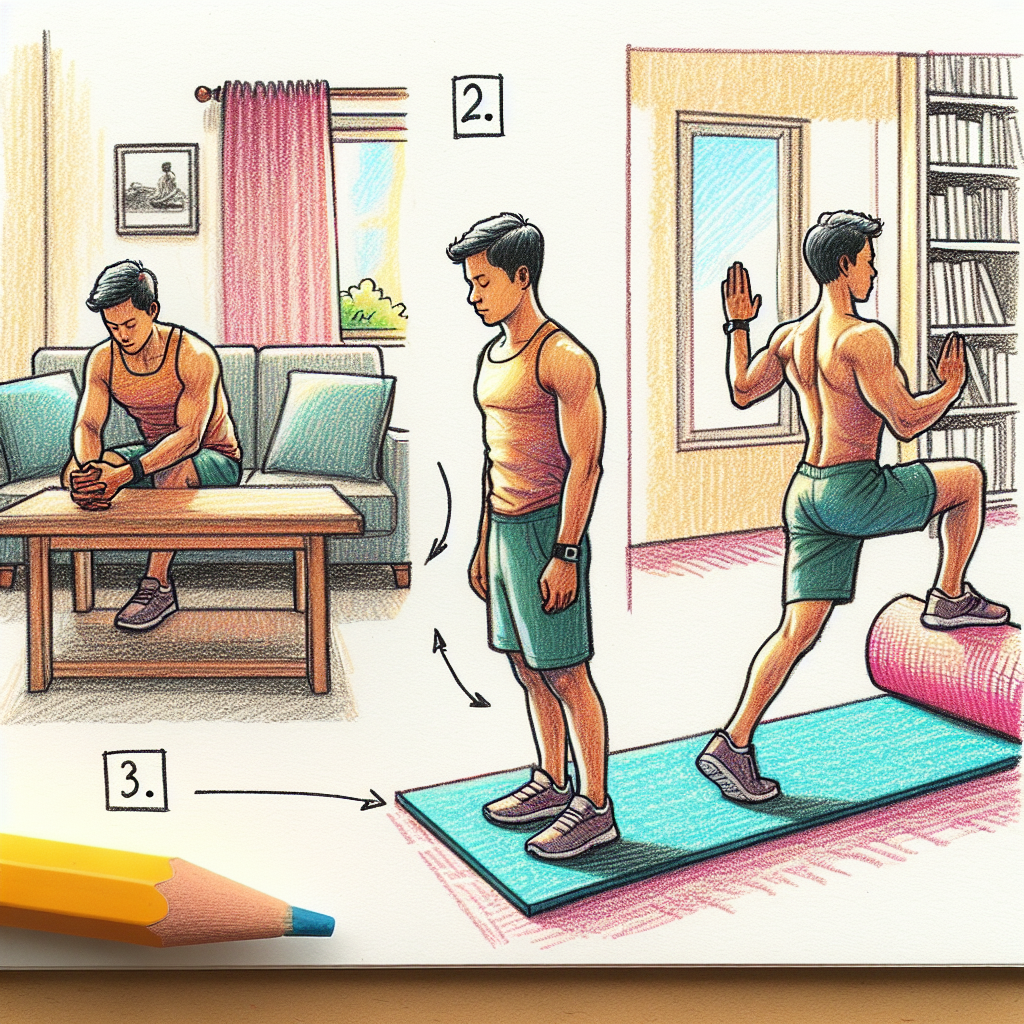
Exercise You Can Do at Home Without Equipment
In today’s fast-paced world, maintaining a fitness routine can often seem daunting, especially for those without access to a gym or expensive equipment. However, achieving your fitness goals does not necessitate a fully equipped fitness facility. With a strategic approach, individuals can engage in effective, equipment-free exercises right at home. This article will explore various bodyweight exercises that enhance strength, flexibility, and cardiovascular health, all while requiring minimal time and effort.
- Understanding the Benefits of Home Exercise
- Effective Bodyweight Exercises
- Creating a Structured Exercise Routine
- When to Consult a Professional
- Common Myths About Home Workouts
- Frequently Asked Questions
- Conclusion and Call to Action
Understanding the Benefits of Home Exercise
Exercising at home offers numerous advantages, including:
- Convenience: No travel time and can fit into your schedule more easily.
- Cost-Effectiveness: Eliminates gym memberships and the need for equipment purchase.
- Privacy: Many individuals feel more comfortable exercising in their own space.
- Flexibility: Offers the freedom to modify workout times and types based on personal preferences.
Effective Bodyweight Exercises
Bodyweight exercises utilize your own mass as resistance and provide a comprehensive workout. Here are some efficient exercises you can incorporate:
1. Push-Ups
A foundational bodyweight exercise that targets the chest, shoulders, and triceps. Begin in a plank position and lower your body until your chest nearly touches the floor, keeping your elbows at a 45-degree angle. Push back up to the starting position.
2. Squats
This lower-body exercise strengthens the thighs, hips, and glutes. Stand with feet shoulder-width apart, lower your body as if you are sitting back into a chair, and then return to standing.
3. Plank
An excellent core stabilization exercise. Begin in a push-up position and hold your body in a straight line from head to heels, engaging your core for as long as you can maintain proper form.
4. Lunges
Lunges target the lower body and improve balance. Step forward with one leg, lowering your hips until both knees are at approximately 90-degree angles. Return to the starting position and alternate legs.
5. Burpees
A full-body exercise that combines strength and cardio. Start standing, drop into a squat, kick your legs back into a push-up position, do a push-up, return to squat, and jump vertically.
6. Mountain Climbers
This high-intensity exercise improves cardiovascular fitness and core stability. From a plank position, quickly draw one knee to your chest and then switch to the other knee in a running motion.
Creating a Structured Exercise Routine
To maximize the benefits of these exercises, it is essential to create a structured routine. Consider the following guidelines:
- Frequency: Aim for at least 3-5 days of exercise per week.
- Duration: Aim for a combined total of 15-30 minutes, focusing on high intensity.
- Variety: Incorporate different exercises to avoid monotony and promote balanced fitness.
- Warm-Up and Cool Down: Always start with a warm-up to prevent injury and include stretching at the end to aid recovery.
If you want a guided approach, consider joining a 30-day exercise program where you exercise for just 6 minutes each day and achieve results comparable to a gym workout.
When to Consult a Professional
While many can benefit from home workouts, certain scenarios warrant professional consultation:
- If you experience persistent pain or discomfort during or after exercising.
- If you have chronic health conditions or previous injuries.
- When unsure of proper exercise techniques or routines.
- If you seek tailored programs for specific goals, such as rehabilitation or guided weight loss.
Common Myths About Home Workouts
There are several misconceptions surrounding home workouts that need to be addressed:
- Myth 1: Equipment is necessary for an effective workout.
- Myth 2: Bodyweight exercises are less effective than weight training.
- Myth 3: You need to spend hours working out to see results.
- Myth 4: Home workouts are only for beginners.
Frequently Asked Questions
What are the benefits of bodyweight exercises?
Bodyweight exercises improve strength, flexibility, and balance without requiring equipment, making them accessible to everyone.
How often should I work out at home?
Aim for 3-5 times a week, adjusting based on how your body responds to the workouts.
Can beginners use these exercises?
Yes, beginners can start with modified versions and build up their strength over time.
How long does a home workout take?
Home workouts can be as short as 15 minutes and still be effective, especially when focused on high-intensity movements.
What if I have no workout experience?
Start with basic exercises and consult online resources or fitness professionals for guidance.
Are there risks associated with home workouts?
Improper form can lead to injury. It’s important to focus on technique and consider consulting a professional if you’re unsure.
Conclusion
- Exercising at home is convenient and cost-effective.
- Bodyweight exercises can provide a full-body workout.
- Creating a structured routine enhances effectiveness.
- Consult professionals when facing health concerns or injuries.
- Avoid myths that can deter your fitness journey.
Start your journey to better health with simple, efficient bodyweight exercises at home. Consider signing up for a 30-day exercise program to maximize benefits with just six minutes a day. Your health and fitness journey awaits.
Author: John Angel