
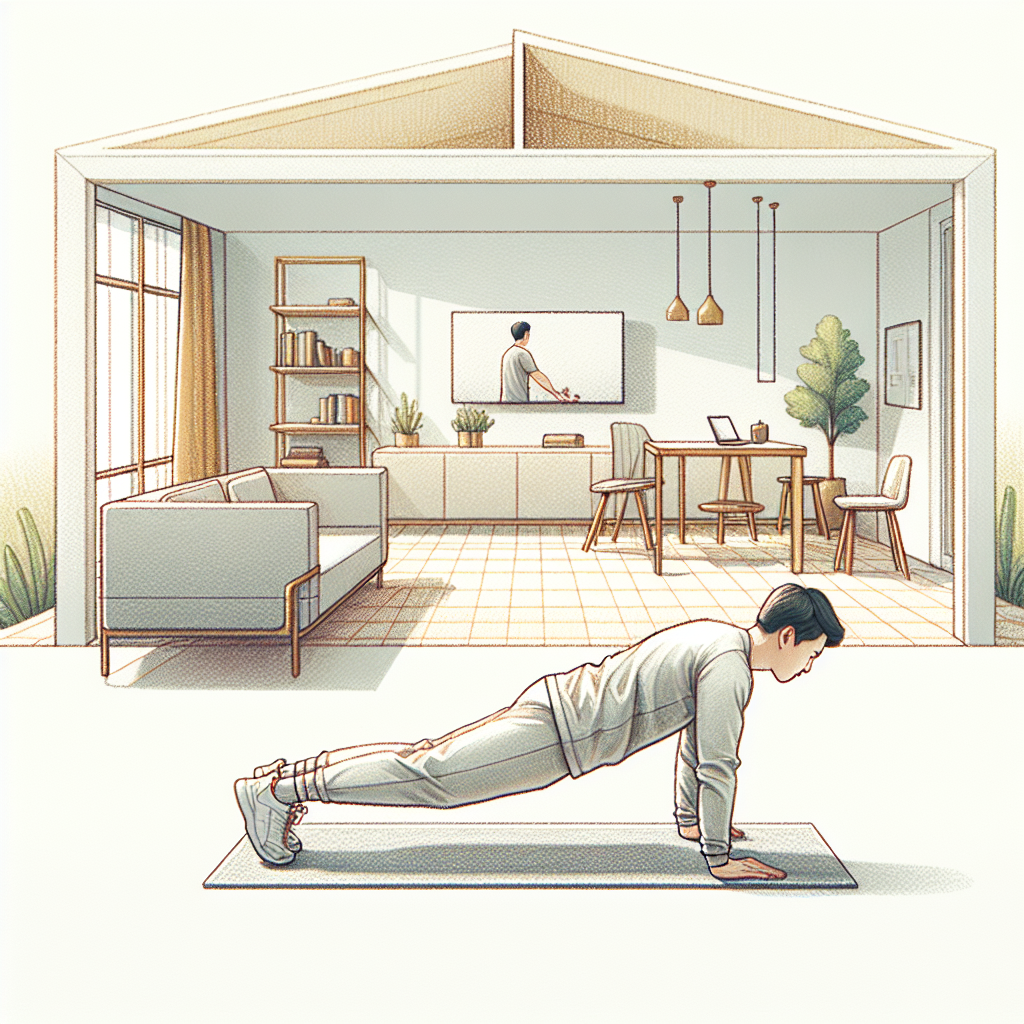
In today’s fast-paced world, maintaining a regular exercise routine can be challenging, especially when gym access is limited. However, engaging in exercises at home with no equipment is not only feasible but also effective. This article will provide you with a comprehensive guide on various exercises that you can incorporate into your daily routine, ensuring you stay fit and healthy without the need for expensive gym memberships or specialized equipment.
- Understanding Bodyweight Exercises
- The Benefits of Working Out at Home
- Exercises You Can Do at Home
- Designing Your Home Workout Routine
- When to Consult a Professional
- Common Misconceptions
- Frequently Asked Questions
Understanding Bodyweight Exercises
Bodyweight exercises utilize your own weight as resistance, making them a functional and effective way to increase strength, flexibility, and stamina. These exercises can be tailored to various fitness levels and can easily be modified to enhance or reduce intensity.
The Benefits of Working Out at Home
Exercising at home offers several advantages:
- Convenience: Workout at any time without traveling to a gym.
- Cost-Effectiveness: No need for a gym membership or expensive equipment.
- Privacy: Work out in a comfortable and personal space.
- Customization: Tailor your routine to match your individual needs and goals.
Exercises You Can Do at Home
Here are some effective bodyweight exercises you can perform in the comfort of your own home:
1. Squats
Squats are excellent for building lower body strength.
- Stand with feet hip-width apart.
- Lower your body as if sitting back into a chair.
- Keep your chest up and knees behind your toes.
- Return to the starting position.
2. Push-Ups
Push-ups strengthen the chest, shoulders, and triceps.
- Start in a plank position with hands shoulder-width apart.
- Lower your body until your chest nearly touches the floor.
- Press back up to the starting position.
3. Lunges
Lunges enhance balance and coordination.
- Stand upright, then step forward with one leg.
- Lower your hips until both knees are bent at about 90 degrees.
- Pushing off the front foot, return to standing and switch legs.
4. Planks
Planks engage multiple muscle groups, particularly the core.
- Lie face down, then lift your body off the ground with forearms and toes.
- Maintain a straight line from head to heels.
- Hold for 20-60 seconds as you build strength.
5. Burpees
Burpees are a full-body exercise that improves cardiovascular fitness.
- Begin in a standing position and squat down, placing your hands on the floor.
- Kick your feet back to a plank position.
- Return your feet to the squat position and leap upward.
Designing Your Home Workout Routine
To maximize the effectiveness of your home workouts, consider the following steps:
- Set Specific Goals: Define what you want to achieve, be it weight loss, muscle gain, or improved endurance.
- Create a Schedule: Dedicate specific times each week for your workouts.
- Mix It Up: Incorporate various exercises to keep things interesting and cover all major muscle groups.
- Track Progress: Maintain a log of your workouts, noting improvements in strength or endurance.
- Join a Program: Consider free resources like the 30-day exercise program for structured guidance that requires only 6 minutes of daily commitment.
When to Consult a Professional
While exercising at home can be effective, there are times when professional guidance is advisable:
- Experiencing persistent pain or discomfort.
- Injuries or history of health conditions that may affect your ability to exercise.
- Confusion about proper exercise techniques.
- Need for personalized training to meet specific fitness goals.
Common Misconceptions
Several misconceptions surround home workouts that can deter individuals from pursuing them:
- Myth 1: Home workouts are less effective than gym workouts. This is false; bodyweight exercises can yield significant results when done consistently.
- Myth 2: You need expensive equipment to build muscle. Bodyweight exercises provide ample resistance for strength development.
- Myth 3: Exercising at home fosters poor discipline. Many individuals find that creating a designated workout space increases motivation and consistency.
Frequently Asked Questions
Can I lose weight by doing bodyweight exercises at home?
Yes, when combined with a balanced diet, bodyweight exercises can effectively aid in weight loss.
How often should I work out at home?
Aim for at least 3 to 5 days a week, incorporating a mix of cardio, strength, and flexibility exercises.
Are bodyweight exercises suitable for all fitness levels?
Absolutely, bodyweight exercises can be modified to accommodate beginners to advanced practitioners.
Do I need a lot of space to perform these exercises?
No, many bodyweight exercises can be done in a small area, making them ideal for home workouts.
Should I warm up before starting my exercises?
Yes, warming up is essential to prevent injuries and prepare your body for more intense physical activity.
Can I build muscle with bodyweight exercises?
Yes, bodyweight exercises can build muscle, particularly when you progress to more challenging variations.
Conclusion
- Bodyweight exercises are a convenient and effective way to stay fit at home.
- Designing a structured routine can enhance engagement and results.
- Professional guidance may be necessary for injury prevention and goal achievement.
- Understanding and debunking myths can encourage more individuals to work out at home.
- Start with practical exercises and increase intensity as you progress.
Begin your fitness journey today and explore the benefits of a sustainable home workout routine. Remember to check out the 30-day exercise program that allows for just 6 minutes of daily exercise with impactful results.
Author: John Angel