
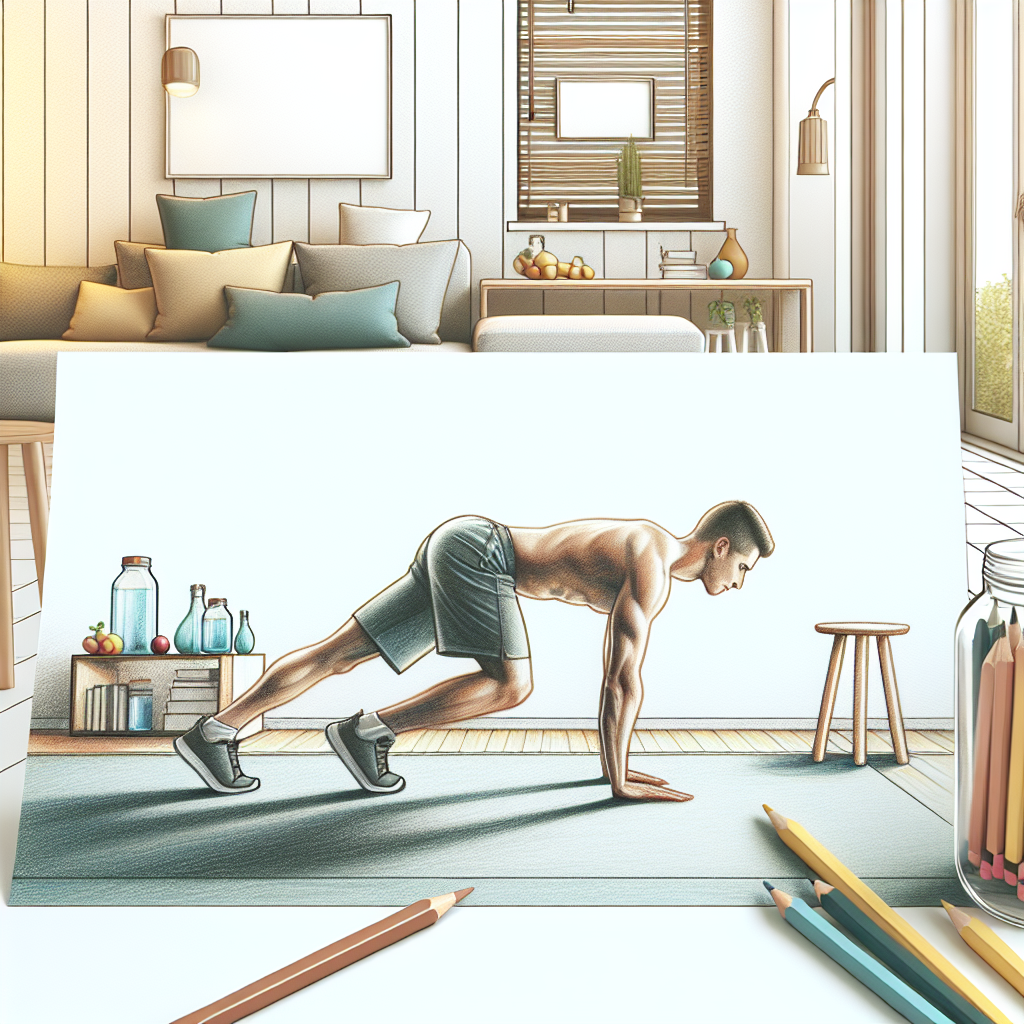
Fitness at Home Without Equipment: Your Comprehensive Guide
In an age where convenience meets personal wellness, maintaining a fitness routine at home without equipment has become increasingly popular. Not only can it save time and money, but it also allows for customization based on individual preferences. This article will guide you through effective strategies for home workouts, ensuring you achieve your fitness goals without the need for a gym membership.
- Introduction
- Benefits of Home Workouts
- Designing Your Routine
- Practical Tips for Effective Workouts
- When to Consult a Professional
- Common Misconceptions
- FAQs
- Conclusion
Benefits of Home Workouts
Exercising at home presents numerous advantages. Firstly, it eliminates barriers such as travel time and gym fees, making it more accessible for everyone. Secondly, home workouts can cater specifically to individual schedules, allowing for flexibility. Lastly, building a routine in a familiar environment can enhance comfort and consistency, which are key factors for long-term success.
Designing Your Routine
Creating an effective workout routine at home requires careful planning and consideration of your fitness level. Here are some steps to help you get started:
- Set Clear Goals: Define what you want to achieve—whether it’s weight loss, muscle gain, or improved endurance.
- Choose Your Workouts: Select exercises that align with your goals. Bodyweight exercises like push-ups, squats, and planks are excellent options.
- Create a Schedule: Set aside time each day, even if it’s just 6 minutes. Consistency is crucial.
- Monitor Progress: Keep a record of your workouts and adjust as necessary to avoid plateaus.
Practical Tips for Effective Workouts
While home workouts are convenient, employing certain strategies can enhance their effectiveness:
- Warm-Up and Cool Down: Never skip warming up before starting your workout and cooling down afterward to prevent injuries.
- High-Intensity Intervals: Incorporate short bursts of intense exercise followed by brief rest periods to maximize calorie burn and improve overall fitness.
- Focus on Form: Prioritize correct techniques over quantity. This will help prevent injuries and bolster the efficacy of your workouts.
- Stay Hydrated: Drink plenty of water before, during, and after your exercise session to maintain optimal performance.
- Consider Short Programs: Explore programs like this 30-day exercise program that require just 6 minutes of effort daily for maximal results.
When to Consult a Professional
While many can benefit from home workouts, there are instances when professional guidance is advised:
- If you experience persistent pain or discomfort during exercise.
- When starting a new workout regimen after a prolonged period of inactivity.
- For personalized advice on nutrition and exercise based on individual health conditions and lifestyles.
Common Misconceptions
Despite its advantages, home fitness often comes with myths that can hinder performance:
- Home Workouts Are Less Effective: Quality workouts at home can yield results comparable to gym routines if performed consistently and with effort.
- You Need Equipment to Gain Muscle: Bodyweight exercises can effectively strengthen muscles and build endurance without any gym equipment.
- More Time Equals Better Results: Short, high-intensity workouts can often be more effective than lengthy routines.
FAQs
Can I lose weight by exercising at home without equipment?
Yes, weight loss is achievable through consistent bodyweight exercises and a balanced diet.
How much time should I spend exercising at home?
A daily routine of as little as 6 minutes can be effective, particularly if it incorporates high-intensity intervals.
Are bodyweight exercises suitable for beginners?
Absolutely! Bodyweight exercises can be modified to fit any fitness level, making them ideal for beginners.
What if I lack motivation to exercise at home?
Establishing a routine and setting small, achievable goals can significantly enhance motivation.
Is warming up really necessary?
Yes, warming up is crucial to prepare your body for exercise and prevent injuries.
How can I track my progress while working out at home?
Maintain a fitness journal or use mobile apps to monitor your workouts and track improvements over time.
Conclusion
- Home workouts provide flexibility and accessibility to a wider audience.
- Creating a structured routine is key to achieving your fitness goals.
- Incorporating high-intensity intervals can maximize results in minimal time.
- Professional guidance may be necessary for personalized adjustment and injury prevention.
- Debunking myths surrounding home workouts can enhance the effectiveness of your routine.
Ultimately, fitness at home without equipment is not only feasible but can also be highly effective. Explore various resources, remain committed to your routine, and consider joining this 30-day exercise program that only requires 6 minutes of your day. Begin your journey towards a healthier lifestyle today!
Author: John Angel