Categories
Fitness

Effective No-Equipment Exercise Plan for All Fitness Levels

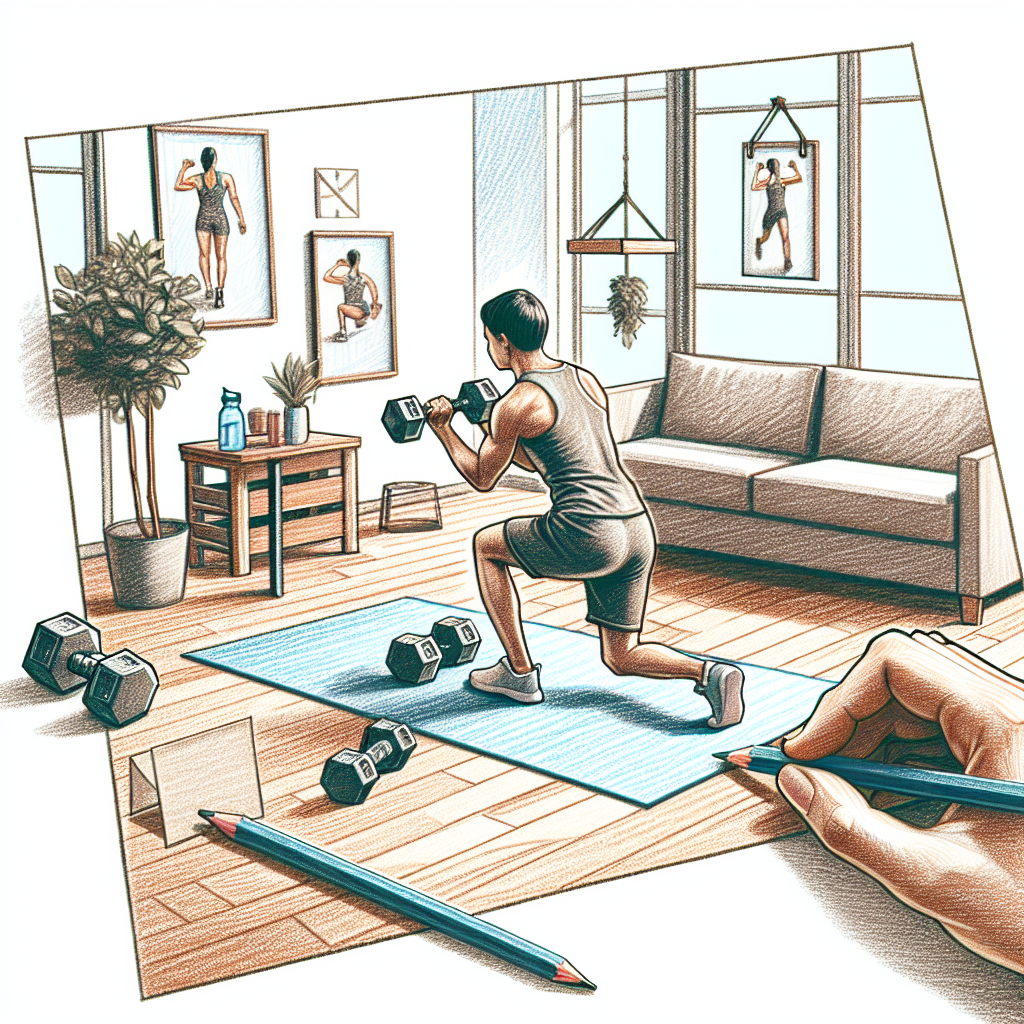
Creating an effective exercise plan without the need for equipment may seem challenging, yet it is both achievable and beneficial for anyone looking to enhance their physical fitness. Whether you are short on time, space, or resources, a structured routine can elevate your health significantly. This article presents an insightful approach to exercise that requires no tools, coupled with a stunning six-minute daily program designed to produce results akin to traditional gym workouts. Explore the convenience of exercising at home, and consider joining our free 30-day program by clicking here.

  • Understanding Bodyweight Exercises
  • Create Your Exercise Plan
  • Benefits of No-Equipment Workouts
  • Common Mistakes to Avoid
  • When to Seek Professional Guidance
  • FAQs
  • Conclusion

Understanding Bodyweight Exercises

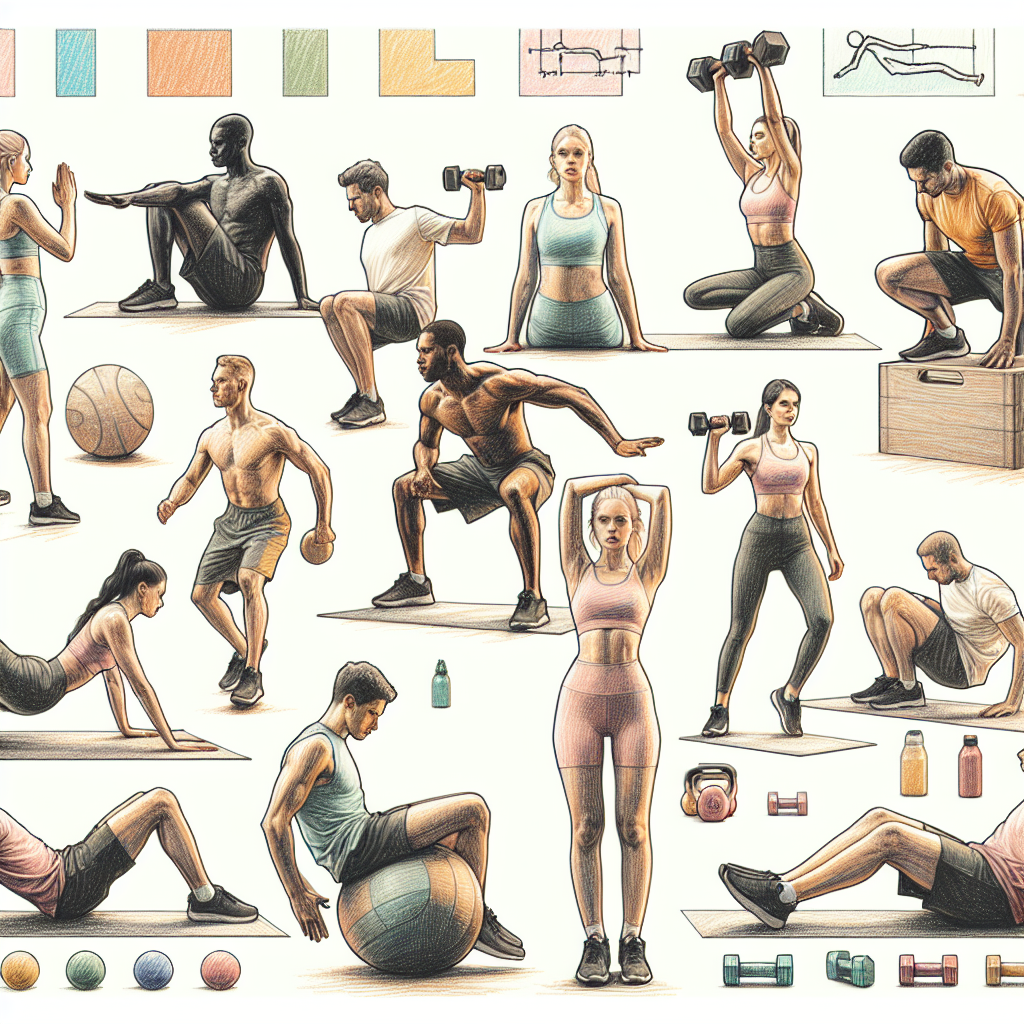
Bodyweight exercises utilize your own weight to provide resistance against gravity, eliminating the need for external weights or machines. This form of exercise promotes functional strength, flexibility, and endurance through movements that mimic everyday activities. Examples include push-ups, squats, lunges, and planks. Incorporating these actions into your routine effectively strengthens various muscle groups without any equipment.

Create Your Exercise Plan

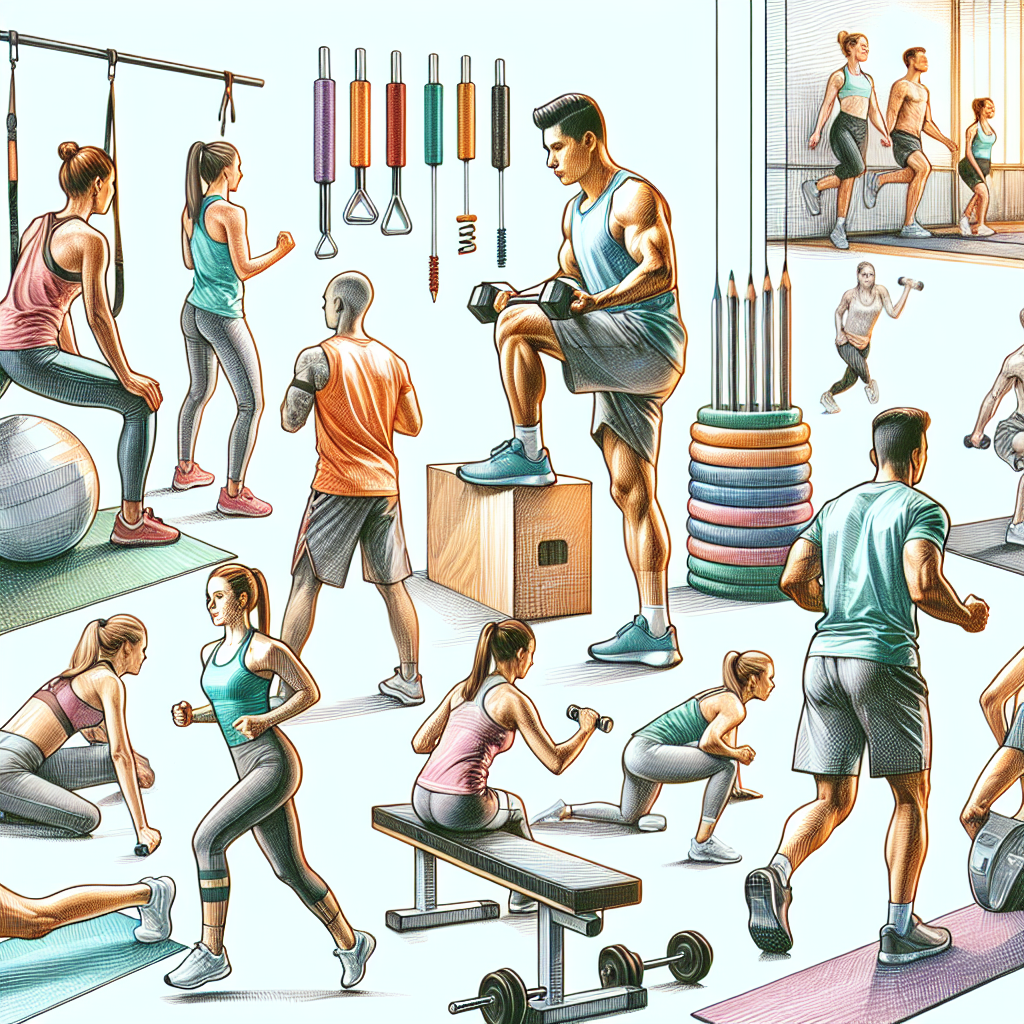
When designing an exercise plan that requires no equipment, it is essential to ensure variety and balance. A well-structured routine engages different muscle groups and avoids monotony. Here’s how you can create an effective plan:

  1. Identify Your Fitness Goals: Decide whether you want to build strength, improve endurance, or enhance flexibility.
  2. Choose Core Exercises: Select a range of bodyweight exercises. Aim for at least 4-6 distinct movements to target major muscle groups.
  3. Establish Frequency: Designate specific days and times for exercising, aiming for at least 3-5 sessions per week.
  4. Set Timer: Allocate a realistic duration for each workout, ensuring it is manageable yet challenging.
  5. Incorporate Rest: Schedule rest days to allow for muscle recovery and avoid overtraining.

Benefits of No-Equipment Workouts

The adoption of an exercise plan that requires no equipment is not merely a matter of convenience. It presents numerous advantages:

  • Accessibility: Exercise anytime and anywhere, from your living room to the park.
  • Cost-Effective: Save money by eliminating gym memberships or purchasing equipment.
  • Time-Efficient: Short, focused workouts allow you to fit exercise into a busy life.
  • Improved Mobility: Bodyweight exercises enhance flexibility and coordination.
  • Community Engagement: Engage with others by sharing routines or participating in group challenges.

Common Mistakes to Avoid

While working out without equipment can be liberating, it is equally important to be aware of common pitfalls:

  • Neglecting Warm-ups: Always start your routine with proper warm-ups to prevent injuries.
  • Ignoring Form: Prioritize correct technique over speed or repetitions to maximize benefits and minimize risks.
  • Overtraining: Refrain from working the same muscle groups on consecutive days to allow for recovery.
  • Avoiding Progression: Gradually increase difficulty as you become stronger to keep challenging your body.
  • Inconsistent Routine: Develop a consistent schedule to foster long-term commitment and habit formation.

When to Seek Professional Guidance

While many individuals can follow a no-equipment exercise plan independently, certain situations may warrant professional consultation. Consider seeking guidance from a fitness expert or healthcare provider if:

  • You have pre-existing health conditions.
  • You experience persistent pain during exercise.
  • You are unsure of proper techniques for specific movements.
  • You find it challenging to maintain discipline and motivation.
  • You have specific fitness goals that require specialized coaching.

FAQs

Can I lose weight without equipment?

Yes, bodyweight exercises can effectively contribute to weight loss by increasing calorie expenditure and enhancing metabolism.

How often should I exercise without equipment?

Aim for 3-5 sessions per week, adjusting frequency based on individual goals and fitness levels.

Are bodyweight workouts suitable for beginners?

Absolutely. Bodyweight workouts can be easily modified, making them accessible for individuals at all fitness levels.

What’s the best time of day to exercise?

The best time varies depending on personal preference; the key is to choose a time that fits your schedule consistently.

How long should each workout session be?

Even short sessions of 6-20 minutes can be effective, especially with high-intensity intervals.

Can I combine bodyweight exercises with other forms of fitness?

Definitely. Combining bodyweight exercises with activities such as running, cycling, or yoga can provide a well-rounded fitness regimen.

Conclusion

  • Bodyweight exercises offer a flexible, equipment-free fitness solution.
  • A well-structured exercise plan can help achieve diverse fitness goals.
  • Awareness of common mistakes enhances workout effectiveness and safety.
  • Seeking professional guidance is crucial when encountering health concerns or uncertainties.
  • Engaging in a no-equipment workout supports physical and mental well-being.

Begin your fitness journey today with our 30-day program, where you can facilitate your strength and endurance through just 6 minutes of daily exercise. Explore the program by registering here.

Author: John Angel
Related articles

Categories
Fitness

Home Fitness Guide: Effective Workouts Without Equipment

Fitness at Home Without Equipment: Your Comprehensive Guide

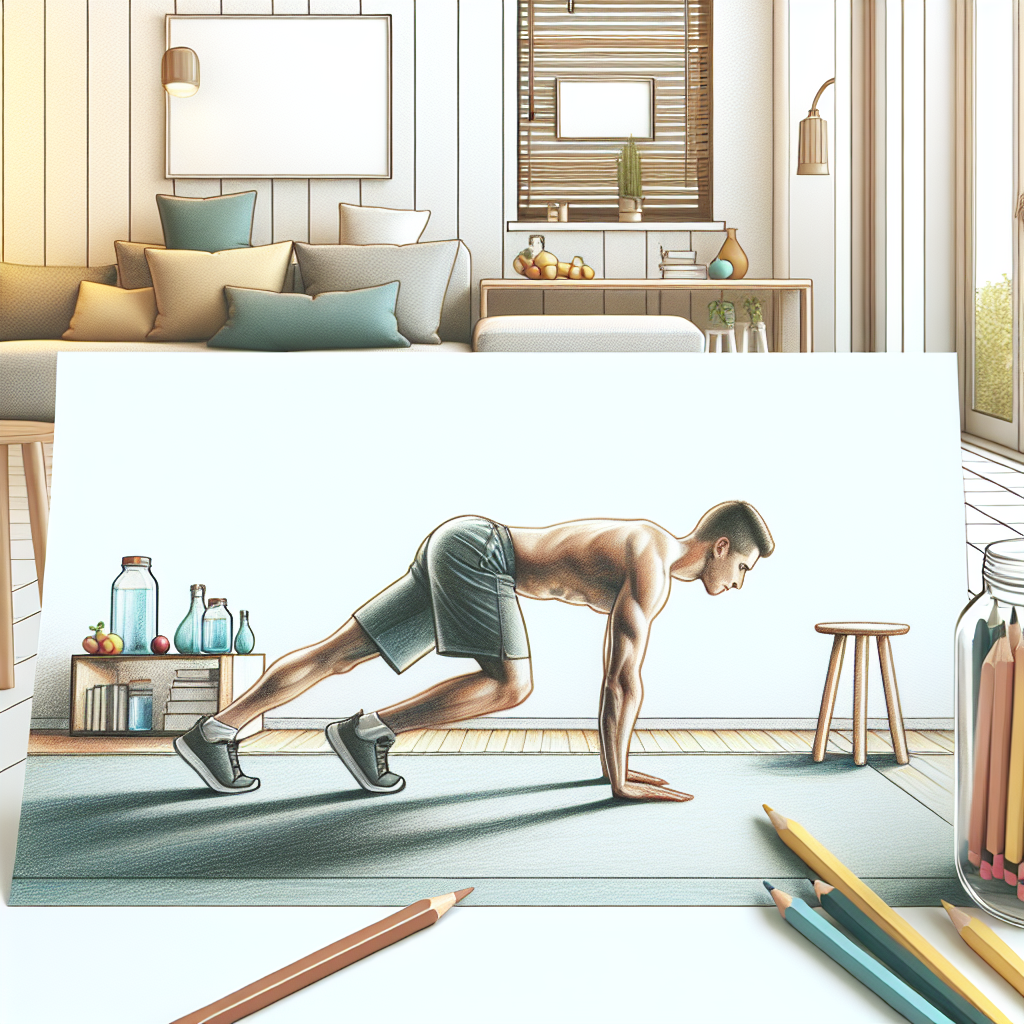
In an age where convenience meets personal wellness, maintaining a fitness routine at home without equipment has become increasingly popular. Not only can it save time and money, but it also allows for customization based on individual preferences. This article will guide you through effective strategies for home workouts, ensuring you achieve your fitness goals without the need for a gym membership.

  • Introduction
  • Benefits of Home Workouts
  • Designing Your Routine
  • Practical Tips for Effective Workouts
  • When to Consult a Professional
  • Common Misconceptions
  • FAQs
  • Conclusion

Benefits of Home Workouts

Exercising at home presents numerous advantages. Firstly, it eliminates barriers such as travel time and gym fees, making it more accessible for everyone. Secondly, home workouts can cater specifically to individual schedules, allowing for flexibility. Lastly, building a routine in a familiar environment can enhance comfort and consistency, which are key factors for long-term success.

Designing Your Routine

Creating an effective workout routine at home requires careful planning and consideration of your fitness level. Here are some steps to help you get started:

  1. Set Clear Goals: Define what you want to achieve—whether it’s weight loss, muscle gain, or improved endurance.
  2. Choose Your Workouts: Select exercises that align with your goals. Bodyweight exercises like push-ups, squats, and planks are excellent options.
  3. Create a Schedule: Set aside time each day, even if it’s just 6 minutes. Consistency is crucial.
  4. Monitor Progress: Keep a record of your workouts and adjust as necessary to avoid plateaus.

Practical Tips for Effective Workouts

While home workouts are convenient, employing certain strategies can enhance their effectiveness:

  • Warm-Up and Cool Down: Never skip warming up before starting your workout and cooling down afterward to prevent injuries.
  • High-Intensity Intervals: Incorporate short bursts of intense exercise followed by brief rest periods to maximize calorie burn and improve overall fitness.
  • Focus on Form: Prioritize correct techniques over quantity. This will help prevent injuries and bolster the efficacy of your workouts.
  • Stay Hydrated: Drink plenty of water before, during, and after your exercise session to maintain optimal performance.
  • Consider Short Programs: Explore programs like this 30-day exercise program that require just 6 minutes of effort daily for maximal results.

When to Consult a Professional

While many can benefit from home workouts, there are instances when professional guidance is advised:

  • If you experience persistent pain or discomfort during exercise.
  • When starting a new workout regimen after a prolonged period of inactivity.
  • For personalized advice on nutrition and exercise based on individual health conditions and lifestyles.

Common Misconceptions

Despite its advantages, home fitness often comes with myths that can hinder performance:

  • Home Workouts Are Less Effective: Quality workouts at home can yield results comparable to gym routines if performed consistently and with effort.
  • You Need Equipment to Gain Muscle: Bodyweight exercises can effectively strengthen muscles and build endurance without any gym equipment.
  • More Time Equals Better Results: Short, high-intensity workouts can often be more effective than lengthy routines.

FAQs

Can I lose weight by exercising at home without equipment?

Yes, weight loss is achievable through consistent bodyweight exercises and a balanced diet.

How much time should I spend exercising at home?

A daily routine of as little as 6 minutes can be effective, particularly if it incorporates high-intensity intervals.

Are bodyweight exercises suitable for beginners?

Absolutely! Bodyweight exercises can be modified to fit any fitness level, making them ideal for beginners.

What if I lack motivation to exercise at home?

Establishing a routine and setting small, achievable goals can significantly enhance motivation.

Is warming up really necessary?

Yes, warming up is crucial to prepare your body for exercise and prevent injuries.

How can I track my progress while working out at home?

Maintain a fitness journal or use mobile apps to monitor your workouts and track improvements over time.

Conclusion

  • Home workouts provide flexibility and accessibility to a wider audience.
  • Creating a structured routine is key to achieving your fitness goals.
  • Incorporating high-intensity intervals can maximize results in minimal time.
  • Professional guidance may be necessary for personalized adjustment and injury prevention.
  • Debunking myths surrounding home workouts can enhance the effectiveness of your routine.

Ultimately, fitness at home without equipment is not only feasible but can also be highly effective. Explore various resources, remain committed to your routine, and consider joining this 30-day exercise program that only requires 6 minutes of your day. Begin your journey towards a healthier lifestyle today!

Author: John Angel

Related articles

Categories
Home Workouts

Daily Bodyweight Workouts at Home for Effective Fitness

Daily Workout at Home Without Equipment

In a world increasingly dominated by hectic schedules and demanding responsibilities, finding time for physical fitness can often be a challenge. However, exercising at home without the need for any equipment can efficiently improve your health and well-being. This article will detail effective workout routines that require only your body weight, making fitness accessible to anyone, regardless of location or financial constraints. By integrating these routines into your daily life, you can achieve significant results without ever stepping foot in a gym.

  • Understanding Bodyweight Exercises
  • Benefits of Working Out at Home
  • Effective Workout Routines
  • Common Mistakes to Avoid
  • When to Consult a Professional
  • Frequently Asked Questions

Understanding Bodyweight Exercises

Bodyweight exercises are physical movements that utilize the weight of your own body as resistance, eliminating the need for external equipment. These exercises can enhance muscle strength, endurance, flexibility, and balance, making them an excellent option for individuals wishing to stay fit without additional expenses.

Benefits of Working Out at Home

  • Cost-Effective: No gym membership or equipment needed.
  • Convenience: Flexibility to exercise anytime that fits your schedule.
  • Comfort: The home environment allows for a more relaxed workout atmosphere.
  • Customization: You can tailor workouts to your personal preferences or fitness levels.
  • Privacy: For many, working out at home reduces anxiety associated with exercising in public spaces.

Effective Workout Routines

Here’s a breakdown of a simple yet effective daily workout routine that can be accomplished in your living room, requiring only six minutes of your day. Repeat the exercises twice for comprehensive engagement.

  1. Jumping Jacks (1 minute): A great cardiovascular exercise that targets multiple muscle groups.
  2. Push-Ups (1 minute): Excellent for upper body strength, focusing on the chest, shoulders, and triceps.
  3. Bodyweight Squats (1 minute): Targeting your quadriceps, hamstrings, and glutes.
  4. Plank (1 minute): Engages core muscles, improving stability and endurance.
  5. Mountain Climbers (1 minute): A dynamic cardio exercise that also builds core strength.
  6. Burpees (1 minute): A full-body exercise that enhances strength and aerobic capacity.

For additional support and a structured 30-day exercise program where you only devote six minutes daily yet achieve substantial results similar to attending a gym, consider registering for a program here.

Common Mistakes to Avoid

As you embark on your home workout journey, it’s essential to steer clear of common pitfalls that can hinder your progress.

  • Poor Form: Maintaining proper form during exercises is crucial to prevent injuries. Always prioritize technique over quantity.
  • Inconsistent Routine: Without a set schedule, it’s easy to fall off track. Aim for a regular workout time.
  • Skipping Warm-Ups and Cool-Downs: Always take the time to warm up before and cool down after your workouts to avoid muscle strains and promote recovery.
  • Neglecting Progression: As your strength and endurance improve, don’t hesitate to challenge yourself with more complex movements.
  • Not Listening to Your Body: Pain is an indication that you may be overdoing it or performing an exercise incorrectly. Take breaks or consult a professional if needed.

When to Consult a Professional

While home workouts can provide numerous benefits, it’s important to recognize when to seek professional advice. If you experience persistent pain, have pre-existing medical conditions, or are unsure how to perform certain exercises safely, consulting a qualified fitness trainer or healthcare professional is advisable. They can provide personalized guidance tailored to your specific needs and limitations.

Frequently Asked Questions

Can I achieve my fitness goals without equipment?

Yes, bodyweight exercises can effectively develop strength, endurance, flexibility, and balance.

How often should I work out at home?

For optimal results, aim to exercise at least five times a week.

What is the best time to exercise?

Choose a time that fits your schedule and when you feel most energetic. Consistency is key.

How do I stay motivated to exercise at home?

Set specific goals, track your progress, and consider working out with friends virtually or in person.

Should I change my routine regularly?

Yes, adjusting your routine every few weeks can prevent boredom and continually challenge your body.

Is it safe to work out daily?

As long as you allow for recovery and listen to your body, daily workouts are generally safe.

Conclusion

  • Bodyweight exercises can be highly effective for enhancing physical fitness.
  • Working out at home offers convenience and affordability.
  • Establish a consistent routine to ensure long-term success.
  • Avoid common errors such as poor form and neglecting warm-ups.
  • Seek professional guidance if necessary to stay safe and maximize results.

As you embark on your journey towards a healthier lifestyle, begin incorporating these movements into your daily routine and observe the transformation. Remember, starting with just six minutes can yield remarkable results. Take the first step today by exploring additional resources and programs to support your fitness goals.

Author: John Angel

Related articles

Categories
Fitness

Beginner’s Guide to Home Workouts Without Equipment

In today’s fast-paced world, finding time to maintain a regular fitness routine can be challenging. Many individuals seek effective ways to stay fit without the need for sophisticated gym equipment or a hectic schedule. A beginner’s at-home workout focusing on bodyweight exercises can serve as a practical solution, allowing you to enhance your fitness levels conveniently. In this article, we’ll explore how you can initiate your home workout journey without any equipment and still achieve impressive results.

  • Understanding Bodyweight Exercises
  • Setting Realistic Goals
  • A Starter Workout Routine
  • Maintaining Consistency
  • When to Seek Professional Guidance
  • Common Misconceptions
  • FAQ
  • Conclusion

Understanding Bodyweight Exercises

Bodyweight exercises are movements that use your own weight as resistance, negating the necessity for additional equipment. They are simple to perform, effective for building strength, flexibility, and endurance, and can be adapted to individual fitness levels. Examples include push-ups, lunges, and planks, making them accessible to beginners.

Benefits of Bodyweight Training

Some advantages of bodyweight training include:

  • Accessibility: No need for a gym or specialized equipment.
  • Versatility: Exercises can be modified to suit any fitness level.
  • Functional Strength: These workouts mimic everyday movements, enhancing overall physical capabilities.

Setting Realistic Goals

Before you embark on your workout journey, it is crucial to set achievable goals. Whether you aim to improve strength, enhance flexibility, or lose weight, having clear objectives can help you stay motivated and track your progress effectively.

SMART Goals Framework

Utilizing the SMART framework can enhance goal-setting processes:

  • Specific: Define precise objectives.
  • Measurable: Establish criteria to measure progress.
  • Achievable: Set realistic goals considering your current fitness level.
  • Relevant: Ensure your goals align with your personal aspirations.
  • Time-bound: Set a timeframe for achieving your goals.

A Starter Workout Routine

Getting started with bodyweight exercises can be both straightforward and enjoyable. Below is a simple routine that can be performed in just a few minutes each day.

6-Minute Daily Workout Plan

  1. Warm-up: 1 minute of jumping jacks or high knees.
  2. Push-ups: 30 seconds – modify by performing on your knees if necessary.
  3. Squats: 30 seconds – keep your feet shoulder-width apart.
  4. Plank: 30 seconds – maintain a straight line from head to heels.
  5. Glute Bridges: 30 seconds – focus on squeezing your glutes at the top.
  6. Cool down: 1 minute of gentle stretching.

For those looking for a structured approach, consider a free registration for a 30-day exercise program where you only exercise for six minutes every day and achieve results comparable to a traditional gym workout. You can sign up here.

Maintaining Consistency

Consistency is key in any fitness program. To build a sustainable routine, consider the following strategies:

  • Schedule workouts as you would important appointments.
  • Utilize reminders or fitness apps to keep track of your progress.
  • Incorporate workouts into your daily routine to build a habit.
  • Stay positive and celebrate small milestones to maintain motivation.

When to Seek Professional Guidance

While many individuals can successfully begin their fitness journeys independently, certain circumstances might warrant professional intervention. Consider consulting a qualified fitness professional if you experience:

  • Severe injuries or chronic pain that limits movement.
  • Difficulty maintaining motivation over time.
  • Specific fitness goals, such as competitive sports training.
  • Medical conditions that affect your ability to exercise safely.

Common Myths and Misconceptions

With the rise in popularity of home workouts, several myths have emerged. It is essential to debunk these misconceptions to ensure a safe and effective workout experience.

  • Myth 1: Bodyweight workouts are less effective than weights. In reality, bodyweight exercises can build significant strength and improve functional fitness.
  • Myth 2: You need hours for a great workout. Short, focused workouts can be highly effective, especially when done consistently.
  • Myth 3: You must be fit to start exercising. Starting at any fitness level is valid; the key is progress over time.

FAQ

Can I lose weight with bodyweight exercises?

Yes, combining bodyweight exercises with a balanced diet can aid in weight loss.

How often should I perform at-home workouts?

Aim for at least three to five times per week to see optimal results.

What if I can’t perform certain exercises?

Modify the exercises to match your fitness level, or consult professional guidance.

Do I need to warm up before a workout?

Yes, warming up prepares your body for the activity and reduces the risk of injury.

Can I enhance my routine after gaining strength?

Absolutely! As you progress, consider increasing reps, duration, or complexity of exercises.

Is it normal to feel sore after a workout?

Some soreness is common, especially for beginners. However, severe pain should be checked by a professional.

Conclusion

  • Bodyweight exercises are effective and accessible for beginners.
  • Setting realistic, SMART goals can enhance your fitness journey.
  • A simple 6-minute routine can yield significant results when performed consistently.
  • Professional guidance may be necessary in certain situations to ensure safety and efficacy.
  • Dispelling common myths can provide clarity and encourage individuals to embrace at-home workouts.

By integrating a bodyweight workout routine into your daily activities, you embark on a journey towards improved physical fitness and well-being. Consider signing up for a free 30-day exercise program that requires just six minutes of your time each day here. Take the first step towards a healthier you today!

Author: John Angel

Related articles

Categories
Fitness

Effective Home Workouts Without Equipment: A Complete Guide

In today’s fast-paced world, finding time and space to maintain an effective workout routine can be challenging. Exercising at home without any equipment offers a practical solution, enabling individuals to stay in shape, improve their cardiovascular health, and enhance overall well-being without the need for a gym membership. By focusing on bodyweight exercises, you can achieve remarkable results in a minimal amount of time, making this approach both convenient and efficient.

  • Introduction
  • Benefits of Home Workouts
  • Essential Bodyweight Exercises
  • Creating Your Workout Routine
  • Common Mistakes to Avoid
  • When to Seek Professional Guidance
  • Frequently Asked Questions
  • Conclusion

Benefits of Home Workouts

Home workouts provide a multitude of advantages. These exercises save time by eliminating travel to the gym, allow for flexibility in scheduling, and can be easily modified to suit individual fitness levels. Additionally, the absence of gym intimidation fosters a comfortable environment for beginners. Studies suggest that working out at home can lead to enhanced adherence to exercise programs because of their accessibility and convenience.

Essential Bodyweight Exercises

Below are some of the most effective bodyweight exercises that can be done at home without any equipment:

  • Push-ups: Strengthen your chest, shoulders, and arms. Start in a plank position, lower your body to the ground, and push back up.
  • Squats: Target the legs and glutes. Stand with feet shoulder-width apart, lower your hips as if sitting back in a chair, then return to standing.
  • Burpees: A full-body exercise that combines a squat, jump, and push-up for improved cardiovascular fitness.
  • Planks: Engages your core muscles. Maintain a push-up position with your weight on your forearms, keeping your body straight.
  • Lunges: Excellent for leg strength. Step forward with one leg and lower your hips until both knees are bent at a 90-degree angle.

Creating Your Workout Routine

To develop an effective home workout routine, consider the following steps:

  1. Determine your fitness goals (e.g., weight loss, strength building, endurance).
  2. Select a combination of exercises that target different muscle groups.
  3. Schedule workout days and ensure variety to keep your routine fresh.
  4. Incorporate appropriate breaks between exercises to avoid fatigue.
  5. Consider trying a short, intensive program, like the 30-day exercise program, where you exercise for just 6 minutes daily but achieve substantial results.

Common Mistakes to Avoid

While exercising at home can be straightforward, certain common mistakes can hinder progress:

  • Improper Form: Prioritize technique over quantity to reduce injury risk and maximize effectiveness.
  • Inconsistent Routine: Maintain a regular schedule; sporadic workouts can yield minimal results.
  • Neglecting Warm-ups and Cool-downs: Always warm up before starting and cool down after your workout to prevent injuries.
  • Overtraining: Allow adequate rest between workouts to enable muscle recovery.
  • Skipping Hydration and Nutrition: Proper hydration and nutrition are essential to support any fitness regimen.

When to Seek Professional Guidance

While fitness can be self-directed, there are scenarios that warrant professional consultation:

  • If you experience persistent pain during exercise.
  • When attempting to achieve specific health goals (e.g., rehabilitation after injury).
  • For personalized fitness programs tailored to individual needs.
  • When lacking motivation or consistency in your routine.
  • If you have pre-existing medical conditions, always consult with a healthcare provider before starting a new exercise regimen.

Frequently Asked Questions

Can beginners effectively perform bodyweight exercises at home?

Yes, bodyweight exercises can be easily modified to match any fitness level, making them ideal for beginners.

How long should a home workout session be?

A 20-30 minute session can be effective, but even shorter sessions, like 6 minutes, can yield impressive results with the right intensity.

Is it necessary to warm up before exercising at home?

A proper warm-up is essential to prepare the body for exercise and to minimize the risk of injuries.

Can bodyweight workouts help with weight loss?

Yes, by incorporating high-intensity bodyweight exercises combined with a balanced diet, significant weight loss can be achieved.

How often should I exercise at home?

A minimum of 3-5 times per week is recommended for optimal results, depending on your fitness goals.

What are the best times to work out at home?

Choose a time that fits best with your schedule; consistency is key to maintaining a successful workout routine.

Conclusion

  • Home workouts provide a flexible and convenient alternative to traditional gym settings.
  • Bodyweight exercises are effective for strength-building and cardiovascular health.
  • A well-structured routine can maximize benefits and ensure progress.
  • Be mindful of common mistakes to avoid injuries and setbacks.
  • Consider professional advice where necessary to enhance your fitness journey.

If you’re ready to get started on your fitness journey, consider exploring the 30-day exercise program where just 6 minutes a day can lead to remarkable results. Enjoy the convenience and benefits of working out at home!

Author: John Angel

Related articles

Categories
Fitness

Top Home Workout Apps Without Equipment for Effective Fitness

Best App for Home Workout Without Equipment

In an age where home workouts are gaining considerable popularity, finding the right application to guide you through your fitness journey can be crucial. The best app for home workouts without equipment not only offers a variety of exercises but also ensures you remain engaged and motivated. By utilizing a suitable application, you can effectively achieve your fitness goals from the comfort of your home without the need for expensive gym memberships or equipment. This article will explore the top app options, provide concrete guidance, and address common misconceptions associated with home workouts.

  • Overview of Top Home Workout Apps
  • Key Features to Consider
  • How to Start a Successful Home Workout Routine
  • When to Consult a Fitness Professional
  • Common Misconceptions About Home Workouts
  • FAQs
  • Conclusion

Overview of Top Home Workout Apps

Several applications cater to individuals looking to engage in home workouts without the need for specialized equipment. Here are some of the best options:

  • Revolucni Cviceni: This app focuses on short, effective workouts. It allows users to register for a 30-day exercise program where you only need to dedicate 6 minutes each day yet achieve results comparable to traditional gym workouts. You can sign up for a free registration by following this link.
  • MyFitnessPal: While primarily a nutrition tracking app, it offers a variety of bodyweight exercises and routines that can be performed at home.
  • Fitify: This app provides customized workouts tailored to your fitness level, focusing on bodyweight exercises that require no equipment.
  • Nike Training Club: This app features a broad range of workouts that can be done at home and categorizes them by skill level and desired outcome.

Key Features to Consider

When selecting the best app for home workouts, it’s essential to consider several factors:

  • User-Friendly Interface: An intuitive design enhances the user experience and improves adherence to workout routines.
  • Variety of Workouts: A diverse range of exercises keeps your routine engaging and targets various muscle groups.
  • Customization: Look for apps that allow you to tailor workouts to your individual fitness level and goals.
  • Progress Tracking: Features that enable you to monitor your progress can motivate you to stay consistent.
  • Community Support: Some apps offer forums or groups where users can share their experiences and advice.

How to Start a Successful Home Workout Routine

Beginning a home workout routine can be daunting but with the right approach, you can set yourself up for success.

  1. Set Clear Goals: Define what you want to achieve, whether it’s weight loss, muscle gain, or overall fitness improvement.
  2. Choose a Schedule: Dedicate specific days and times for your workouts to establish a consistent routine.
  3. Select Your App: Choose an app that matches your goals, fitness level, and preferences from the options mentioned above.
  4. Start Slow: Initiate your journey with beginner-friendly workouts and gradually increase intensity.
  5. Stay Engaged: Keep your workouts interesting by mixing various routines and taking breaks when necessary.
  6. Track Your Progress: Use the app’s tracking features to monitor improvements and adjust goals as needed.

When to Consult a Fitness Professional

Although home workouts can be highly effective, there are certain situations in which consulting a fitness professional is advisable:

  • If you are new to exercise and unsure of proper form or technique.
  • When experiencing recurring pain or discomfort during workouts.
  • If you have specific health conditions that require tailored guidance.
  • When seeking advice on creating a more personalized workout or nutrition plan.
  • If you feel unmotivated and need support to stay on track.

Common Misconceptions About Home Workouts

Numerous myths exist regarding home workouts that can hinder individuals from starting their fitness journeys:

  • Home Workouts Are Not Effective: Many home workouts can provide significant results if performed consistently and correctly.
  • You Need Equipment to See Results: Bodyweight exercises can be incredibly beneficial and often yield comparable results to weight training.
  • Short Workouts Are Ineffective: Research shows that even brief exercise sessions can improve fitness, particularly when performed at high intensity.
  • Only Cardio Counts as Exercise: Strength training is equally important for building muscle and improving metabolic health.
  • You’ll Get Bored Doing the Same Routine: Many apps offer diverse workouts, making it easy to switch things up and maintain interest.

FAQs

Can I achieve my fitness goals without equipment?

Yes, many effective workout routines utilize bodyweight exercises, allowing you to build strength and endurance without any equipment.

How often should I work out at home?

For optimal results, aim for at least 3-5 workouts per week, varying the intensity and focus each session.

Is it necessary to warm up before home workouts?

Yes, warming up is essential to prepare your muscles and reduce the risk of injury.

Do home workouts provide the same results as gym workouts?

Yes, with dedication and proper routine planning, home workouts can yield results similar to gym workouts.

How long should my home workouts last?

Even short sessions of 15-30 minutes can be effective, especially if they include high-intensity exercises.

Can I do home workouts while following a specific diet?

Yes, you can certainly follow a specific diet while engaging in home workouts; just ensure that your nutrition supports your fitness goals.

Conclusion

  • Home workouts can be highly effective if approached correctly.
  • Numerous apps, such as Revolucni Cviceni, provide excellent resources for no-equipment workouts.
  • Establishing a consistent routine, setting clear goals, and tracking progress are key strategies for success.
  • Consulting a fitness professional can help address specific concerns or goals.
  • Dispelling common myths about home workouts can enhance motivation and commitment.

As you embark on your home workout journey, consider exploring the 30-day exercise program mentioned earlier. Achieving fitness without equipment is not only possible but can also be incredibly rewarding.

Author: John Angel

Related articles

Categories
Fitness

Beginner No-Equipment Workout Routine for Home Fitness

Introduction

For many beginners, engaging in a workout routine can feel daunting, especially when it involves equipment or gym memberships. However, a no-equipment workout program allows individuals to exercise effectively in the comfort of their own homes without the barriers of costly equipment. This article explores a structured no-equipment workout routine specifically designed for beginners, emphasizing its accessibility and effectiveness while also highlighting a convenient 30-day exercise program you can join. This program promises results comparable to those achieved in a gym, all in just six minutes daily.

  • Understanding No-Equipment Workouts
  • Creating a Beginner-Friendly Routine
  • Essential No-Equipment Exercises
  • Practical Steps for Starting a Routine
  • When to Consult a Professional
  • Common Misconceptions About Exercise
  • FAQs
  • Conclusion

Understanding No-Equipment Workouts

No-equipment workouts leverage the body’s weight as resistance, enabling muscle engagement and cardiovascular conditioning without specialized gear. These exercises often utilize movements like push-ups, squats, and lunges that can be performed anywhere, making them highly versatile. The primary advantage is simple: individuals can initiate and maintain their fitness journey without the intimidation of gym environments or the financial commitment of fitness equipment.

Creating a Beginner-Friendly Routine

A well-structured workout routine is vital for beginners to achieve and sustain progress. Emphasizing gradual improvement over high intensity prevents burnout and reduces the risk of injury. Here’s a template that can be adapted over time:

  • Frequency: Aim for 3-5 days per week
  • Duration: Keep sessions around 15-30 minutes in the beginning
  • Warm-up: Start with 5 minutes of light stretching or dynamic movements
  • Main Workout: Incorporate various no-equipment exercises
  • Cool Down: Finish with stretching to improve flexibility

Essential No-Equipment Exercises

To create an effective no-equipment workout routine, incorporating a blend of strength, endurance, and flexibility exercises is essential. Here is a list of fundamental exercises:

  • Push-ups: Targets the chest, shoulders, and triceps.
  • Squats: Engages the quads, hamstrings, and glutes.
  • Lunges: Works various leg muscles while improving stability.
  • Plank: Strengthens the core, back, and shoulders.
  • Burpees: Enhances cardiovascular fitness and full-body strength.
  • Mountain Climbers: Provides a cardio workout while engaging the core.

Practical Steps for Starting a Routine

Implementing a no-equipment workout routine requires consistency and motivation. Here’s how to get started:

  1. Set Clear Goals: Define what you aim to achieve (e.g., weight loss, improved strength).
  2. Create a Schedule: Allocate specific times during the week dedicated to workouts.
  3. Start Gradually: Begin with a manageable number of repetitions and sets, gradually increasing as your fitness improves.
  4. Stay Hydrated: Drinking water before, during, and after workouts is essential for performance.
  5. Track Your Progress: Use a journal or app to monitor improvements in strength and endurance.
  6. Join a Program: Consider a structured program like this free 30-day exercise program that requires only six minutes of commitment each day, offering efficiency and results akin to gym workouts.

When to Consult a Professional

While many individuals can benefit from no-equipment workouts, certain circumstances may warrant professional guidance.

  • If experiencing persistent pain or discomfort during exercise
  • If there are pre-existing health conditions that could be affected by physical activity
  • If there is uncertainty about proper exercise form or technique
  • When seeking tailored advice for specific fitness goals or injuries

Common Misconceptions About Exercise

Several myths can discourage individuals from committing to a workout routine. Addressing these misconceptions fosters a more informed approach to fitness.

  • Myth 1: No pain, no gain. Many assume intense pain signifies effective workouts, but discomfort should not be confused with pain.
  • Myth 2: You need a gym to see results. No-equipment workouts can be equally effective in achieving fitness goals.
  • Myth 3: Cardio is the only way to lose weight. Strength training plays a crucial role in building muscle and increasing metabolism.
  • Myth 4: You should work out every day. Rest and recovery are essential for optimal performance and injury prevention.
  • Myth 5: Exercise is only beneficial for physical health. Regular activity also promotes mental and emotional well-being.

FAQs

What are no-equipment workouts?

No-equipment workouts utilize bodyweight exercises to improve strength and cardiovascular fitness without requiring gym equipment.

How long should I exercise as a beginner?

Beginners can start with 15-30 minutes of exercise, 3-5 times a week, gradually increasing as fitness improves.

Can I see results without a gym?

Yes, consistent no-equipment workouts can yield significant fitness improvements.

How do I prevent injury during workouts?

Ensuring proper technique, warming up, and allowing adequate recovery time are key to preventing injury.

Should I consult a professional before starting an exercise routine?

If you have pre-existing health issues or are unsure about exercise regimens, consulting a fitness professional is advisable.

Is it really possible to get fit in just six minutes a day?

Absolutely! Programs like the 30-day exercise program can deliver effective workouts in a short duration.

Conclusion

  • No-equipment workouts offer an effective solution for beginners to initiate their fitness journey.
  • Consistency is key; establish a routine that aligns with your lifestyle.
  • Start slowly, focusing on form and gradually increasing intensity.
  • Consult a professional when needed to ensure safety and effectiveness.
  • Explore structured programs to maximize results and maintain motivation.

In summary, embarking on a fitness journey need not be complicated or equipment-intensive. Take the first step today by exploring a no-equipment workout routine, or check out the 30-day exercise program that requires just six minutes of your day and promises substantial results.

Author: John Angel

Related articles

Categories
Fitness

Effective Home Workouts: No Equipment Needed

Gym at Home Without Equipment

In today’s fast-paced world, maintaining physical fitness is essential for overall well-being. However, the luxury of a gym membership often comes with challenges, including costs, time constraints, and commuting. The good news is that effective workouts can be conducted at home without any gym equipment. This article will guide you through a variety of bodyweight exercises, essential tips, and a structured approach to achieving fitness goals, making it feasible and enjoyable.

  • Introduction
  • Understanding Bodyweight Exercises
  • Key Benefits of Home Workouts
  • Creating a Structured Routine
  • Tips for Success
  • Consulting a Professional
  • Debunking Myths and Misconceptions
  • FAQs
  • Conclusion

Understanding Bodyweight Exercises

Bodyweight exercises utilize your own weight to create resistance against gravity. These workouts can be performed anywhere without the need for machines or additional equipment. They are versatile, engaging multiple muscle groups and enhancing both strength and stamina. Here are some basic exercises to consider:

  • Push-ups
  • Squats
  • Lunges
  • Planks
  • Burpees
  • Mountain Climbers

Key Benefits of Home Workouts

Exercising at home offers numerous advantages. Here are some key benefits:

  • Cost-effective: Eliminates the need for a gym membership.
  • Convenience: Saves travel time, allowing you to fit exercise into your schedule.
  • Privacy: Provides a comfortable environment, particularly beneficial for beginners.
  • Flexibility: Enables you to customize your workout times and routines.
  • Accessibility: Allows people of all fitness levels to engage in physical activity at their own pace.

Creating a Structured Routine

A structured workout routine is crucial for achieving fitness goals. Without a set plan, it can be easy to lose motivation or focus. Here is a suggested approach for a 30-day program:

  1. Plan Your Weekly Schedule: Dedicate specific days and times for your workouts. Aim for 3 to 5 times a week.
  2. Set Clear Goals: Establish what you wish to achieve—be it weight loss, muscle gain, or improved endurance.
  3. Follow a Balanced Regimen: Incorporate a mix of strength training, cardiovascular exercises, and flexibility training.
  4. Track Your Progress: Maintain a journal or use an app to record your workouts and improvements.
  5. Incorporate Variety: Change your workouts periodically to avoid plateauing and keep yourself engaged.

For an effortless starting point, consider registering for this free 30-day exercise program, which consists of just 6 minutes of daily exercise to yield results comparable to a traditional gym routine.

Tips for Success

To enhance your home workout experience, consider the following tips:

  • Stay Consistent: Dedication to your routine will produce the best results.
  • Warm Up Before Workouts: A proper warm-up will prepare your body and help prevent injuries.
  • Cool Down: Stretching post-workout is vital for recovery and flexibility.
  • Maintain a Healthy Diet: Pair your fitness regime with nutritious eating to maximize effectiveness.
  • Listen to Your Body: If you experience pain or discomfort, adjust your routine accordingly.

When to Consult a Professional

Although home workouts can be highly beneficial, certain situations may warrant the advice of a fitness professional or medical practitioner:

  • If you have pre-existing health conditions.
  • If you are new to exercise and unsure about proper techniques.
  • If you experience persistent pain or discomfort during workouts.
  • If you wish to develop a personalized workout program specific to your needs.
  • If you are considering significant lifestyle changes that may affect your health.

Debunking Myths and Misconceptions

Several myths surround home workouts, which can discourage individuals from pursuing their fitness goals. Let’s address some prevalent misconceptions:

  • Myth 1: You need expensive equipment for effective workouts.
  • Myth 2: Bodyweight exercises are less effective than weightlifting.
  • Myth 3: You can’t build muscle at home.
  • Myth 4: You need a lot of space to work out effectively.
  • Myth 5: Exercise only benefits physical health, not mental well-being.

FAQs

Can I lose weight by working out at home without equipment?

Yes, effective weight loss can be achieved through consistent bodyweight exercises combined with a healthy diet.

How long should I exercise at home to see results?

Typically, 20-30 minutes of focused activity several times a week can generate noticeable results.

Are bodyweight exercises sufficient for strength training?

Yes, bodyweight exercises can build significant strength, especially when performed with proper form and intensity.

Is it safe to exercise at home without supervision?

Generally, yes, but be cautious and ensure proper technique to avoid injuries. Consult a professional if uncertain.

How can I stay motivated to work out at home?

Set clear goals, track your progress, vary your workouts, and consider joining online fitness communities for support.

What should I do if I feel pain during exercise?

If you experience pain, stop the activity and reassess your form. If pain persists, consult a healthcare professional.

Conclusion

  • Bodyweight exercises are effective for all fitness levels.
  • Home workouts offer convenience and cost savings.
  • Creating a structured plan is crucial for success.
  • Consult a professional when experiencing health concerns.
  • Debunking myths about home workouts encourages more individuals to take action.

Start your fitness journey today with simple home exercises. Don’t hesitate to take advantage of the 30-day exercise program that only requires 6 minutes a day to achieve real results. Your fitness transformation awaits!

Author: John Angel

Related articles

Categories
Fitness

Effective Bodyweight Training for All Fitness Levels

In today’s fast-paced world, finding time to exercise can be a significant challenge. Fortunately, training without equipment offers an accessible and flexible solution. This form of workout not only eliminates the need for gym memberships or complicated apparatus but also allows individuals to engage in effective training anywhere, anytime. By incorporating bodyweight exercises into your routine, you can achieve remarkable results with consistent effort. This article will delve into the nuances of training without equipment, offering practical guidance and expert insights to optimize your fitness journey.

  • Understanding Bodyweight Training
  • Key Benefits of Equipment-Free Workouts
  • Effective Exercises to Incorporate
  • Developing a Routine
  • When to Seek Professional Guidance
  • Common Myths and Misconceptions
  • Frequently Asked Questions
  • Conclusion

Understanding Bodyweight Training

Bodyweight training involves exercises where your body’s own weight provides resistance. This eliminates the need for external equipment, enabling individuals to strengthen muscles, improve flexibility, and enhance cardiovascular fitness using only their body. Such exercises include push-ups, squats, lunges, and planks, which can be modified to fit various fitness levels.

Key Benefits of Equipment-Free Workouts

The advantages of training without equipment are manifold:

  • Cost-Effective: No need for gym memberships or purchasing equipment.
  • Convenience: Exercise anywhere, whether at home, in a park, or while traveling.
  • Flexibility: Easily adapt workouts to fit your schedule.
  • Functional Strength: Many bodyweight exercises enhance real-life movement patterns.
  • Injury Prevention: Focus on form and body awareness reduces the risk of injury.

Effective Exercises to Incorporate

Here are several effective exercises that can form the backbone of your training regimen:

  • Push-Ups: Great for upper body strength; can be modified for difficulty.
  • Squats: Target the legs and glutes; variations include jump squats and squats with a pause.
  • Lunges: Improve balance and coordination; try forward, reverse, or side lunges.
  • Planks: Excellent for core stability; variations include side planks and plank jacks.
  • Burpees: A full-body workout that combines strength and cardio.
  • Mountain Climbers: A dynamic move that targets multiple muscle groups and raises heart rate.

Developing a Routine

Creating a structured routine is key to achieving results with bodyweight exercises. Consider the following steps:

  1. Set Clear Goals: Determine what you want to achieve, be it weight loss, muscle gain, or improved endurance.
  2. Schedule Workouts: Consistency is crucial; aim for at least three to five sessions per week.
  3. Vary Your Exercises: Mix different exercises to engage various muscle groups and prevent boredom.
  4. Incorporate Progression: Gradually increase the difficulty by adding variations or increasing repetitions.
  5. Monitor Your Progress: Track workouts and celebrate milestones to stay motivated.

For those interested in a structured program, try a 30-day exercise regimen where you only need to exercise for six minutes daily but can achieve results similar to traditional gyms: Free 30-Day Exercise Program.

When to Seek Professional Guidance

While training without equipment can be highly effective, there are certain situations where consulting a professional is advisable:

  • If you experience persistent pain during or after workouts.
  • If you have a pre-existing medical condition that may affect your ability to exercise safely.
  • If you’re unsure of how to perform certain exercises correctly.
  • If you wish to develop a tailored program that considers your specific fitness goals.

Common Myths and Misconceptions

Navigating the world of bodyweight training can sometimes be clouded by misinformation. Here are several common misconceptions:

  • Myth 1: Bodyweight training is less effective than lifting weights. In fact, many bodyweight exercises can build significant muscle and strength.
  • Myth 2: You cannot build muscle without equipment. Progressive overload can be achieved with proper bodyweight techniques.
  • Myth 3: Bodyweight training is only for beginners. All fitness levels can find challenging adaptations.
  • Myth 4: You need a lot of space to train. Most bodyweight exercises require minimal space.
  • Myth 5: Bodyweight workouts are too easy. With creative modifications, they can be incredibly challenging.

Frequently Asked Questions

Can I build muscle without weights?

Yes, bodyweight exercises can effectively build muscle through progressive overload and variations.

How long should my workout last?

Effective bodyweight workouts can be as short as 6 to 30 minutes, depending on intensity and complexity.

Is bodyweight training suitable for all fitness levels?

Yes, exercises can be modified to fit beginners as well as more advanced practitioners.

Do I need a special diet to complement bodyweight training?

A balanced diet rich in protein, carbohydrates, and healthy fats will support your fitness goals.

How often should I do bodyweight training?

Aim for at least three to five times a week for optimal results.

Can I do bodyweight training at home?

Absolutely, bodyweight exercises can be performed in the comfort of your home or any other location.

Conclusion

  • Training without equipment is convenient and cost-effective.
  • Bodyweight exercises can be modified for all fitness levels.
  • A well-structured routine enhances effectiveness and motivation.
  • Consulting a professional can help tailor programs to individual needs.
  • Dispelling myths aids in understanding the true value of bodyweight training.

Take the first step towards a healthier lifestyle by incorporating bodyweight exercises into your routine today. Consider exploring the free 30-day exercise program that requires only six minutes of your time each day, yet promises substantial results: Free 30-Day Exercise Program.

Author: John Angel

Related articles

Categories
Fitness

Effective Bodyweight Strength Training Guide

Strength Training Without Equipment: Empowering Your Fitness Journey

In an age where fitness resources seem boundless, strength training without equipment emerges as a practical and effective method to enhance physical fitness. The key benefit lies in its accessibility, allowing individuals to engage in meaningful workouts from the comfort of their own homes or any location without the need for expensive gym memberships or complicated machinery. This article delves into effective body-weight exercises, guidelines for creating your own workout regimen, and practical advice for incorporating strength training into your daily routine.

  • Understanding Bodyweight Strength Training
  • Essential Exercises to Include
  • Creating a Workout Plan
  • Common Mistakes in Bodyweight Training
  • When to Consult a Professional
  • FAQs on Strength Training Without Equipment
  • Conclusion and Next Steps

Understanding Bodyweight Strength Training

Bodyweight strength training utilizes the weight of your own body as resistance to build muscle and improve strength. This method not only enhances physical capability but also increases flexibility, balance, and endurance. Additionally, it is an effective alternative for those unable to access gym equipment or for those who prefer a minimalist approach to fitness.

Essential Exercises to Include

Incorporating a variety of exercises ensures a comprehensive workout targeting various muscle groups. Here are some foundational exercises that can be performed without any equipment:

  • Push-Ups: Target the chest, shoulders, and triceps. Modify by performing on knees if necessary.
  • Squats: Focus on the quadriceps, hamstrings, and glutes. Ensure proper form to prevent injury.
  • Planks: Engage the core, shoulders, and lower back. Aim for holding the position for 30 seconds or longer.
  • Lunges: Work on the legs and stabilize the core. Alternate legs for balanced strength.
  • Burpees: A full-body exercise that provides both strength and cardio benefits in one movement.

Creating a Workout Plan

Designing a personalized workout plan is essential for maximizing results. Follow these steps to create an effective regimen:

  1. Set Clear Goals: Define what you wish to achieve, whether it’s muscle gain, toning, or overall fitness.
  2. Establish a Routine: Aim for at least three to four days of strength training each week, allowing for rest between sessions.
  3. Mix It Up: Incorporate different exercises to keep the workouts engaging and to target varying muscle groups.
  4. Track Progress: Keep a log of your workouts, noting repetitions, sets completed, and any changes in strength levels.
  5. Consistency is Key: Dedicate time each day. Interested readers can try a free 30-day exercise program that requires only six minutes a day for results akin to a gym visit—check it out here.

Common Mistakes in Bodyweight Training

Even though bodyweight training is simple, there are frequent errors that can detract from its effectiveness:

  • Neglecting Form: Poor technique can lead to injuries. Focus on maintaining proper alignment during each exercise.
  • Skipping Warm-ups: Begin every session with a proper warm-up to prepare your muscles and prevent strains.
  • Inadequate Recovery Time: Muscle growth occurs during rest. Allow time for recovery between strength training sessions.
  • Doing Too Much Too Soon: Gradually increase intensity, reps, and sets to avoid burnout or injuries.
  • Lack of Variety: Repeating the same exercises can limit progress. Mix workouts to engage different muscles and stimulate growth.

When to Consult a Professional

While bodyweight training can serve as an effective means of strength development, certain conditions warrant consulting a fitness professional:

  • Experiencing persistent pain or discomfort during exercises, which could indicate injury.
  • Uncertainty about how to perform specific exercises correctly.
  • Difficulty achieving fitness goals despite consistent effort.
  • Underlying medical conditions that affect physical activity.

FAQs on Strength Training Without Equipment

What is bodyweight training?

Bodyweight training is a form of strength training that utilizes the weight of your own body as resistance to improve strength, flexibility, and endurance.

Do I need equipment for bodyweight exercises?

No, bodyweight exercises can be performed anywhere, requiring no special equipment or gym membership.

How often should I do bodyweight training?

Aim for at least three to four sessions per week, allowing for recovery days in between workouts.

Can beginners perform bodyweight training?

Yes, bodyweight training is highly suitable for beginners. Start with modified versions of exercises and gradually progress as strength develops.

How can I prevent injuries during bodyweight training?

Prioritize proper form, warm up before each session, and avoid overexerting yourself. Listen to your body and take rest days when needed.

Can I build muscle with bodyweight exercises?

Absolutely, bodyweight exercises can effectively build muscle when performed consistently and with proper intensity.

Conclusion and Next Steps

  • Bodyweight training is an accessible and effective method for strength development.
  • Establish a well-rounded routine that targets various muscle groups.
  • Avoid common mistakes by prioritizing form and recovery.
  • Consult professionals if experiencing persistent pain or seeking personalized guidance.
  • If you’re ready to get started, sign up for a free 30-day exercise program that requires just six minutes a day here.

Author: John Angel

Related articles

Website analytics information

We use Google Analytics 4 for visitor statistics. Analytics cookies require your consent, which you can change using the button above. The data controller is ZDRAVÍ S ÚSMĚVEM s.r.o., company ID 29283329, contact podpora@revolucnicviceni.cz. Google processes browser, device and page visit information. We do not send form field values to Analytics. How Google uses information · Google Privacy Policy.