
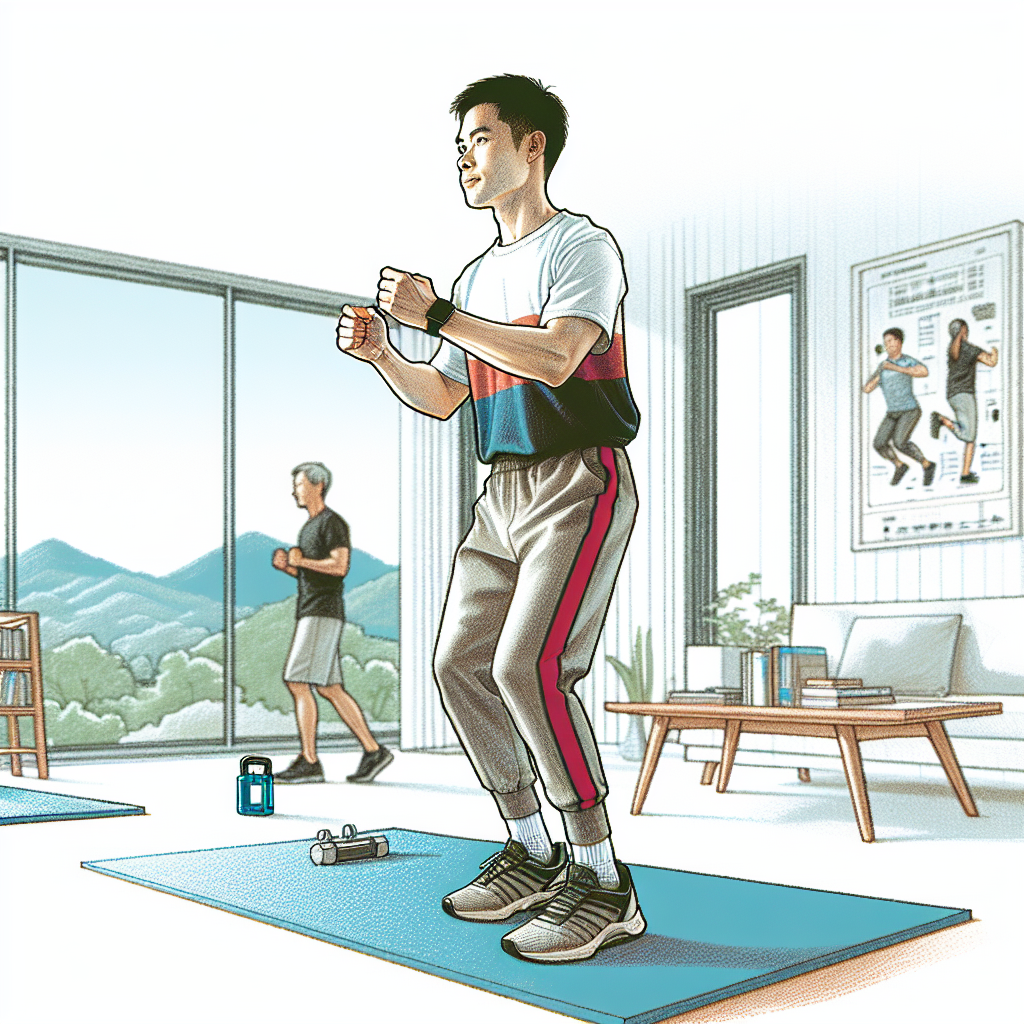
Full Body Circuit Workout Without Equipment
Incorporating a full body circuit workout into your routine can be an efficient and effective way to enhance overall fitness, particularly for individuals with limited access to equipment. This type of workout utilizes bodyweight exercises to engage all major muscle groups while also improving cardiovascular endurance. In this article, we will explore the benefits, a sample workout, and best practices to ensure you maximize your exercise session without the need for traditional gym equipment.
- Benefits of Bodyweight Circuit Workouts
- Sample Full Body Circuit Workout
- Best Practices for Effective Workouts
- When to Consult a Professional
- Common Myths and Mistakes
- FAQ Section
- Conclusion
Benefits of Bodyweight Circuit Workouts
Bodyweight workouts provide several advantages that can be particularly beneficial, especially for those who prefer the convenience of exercising at home:
- Accessibility: No equipment is necessary, making it easy to perform anywhere.
- Time Efficiency: Quick workouts can be tailored to fit into busy schedules.
- Muscle Engagement: A diverse range of movements targets multiple muscle groups simultaneously.
- Enhanced Endurance: Circuit-style training improves both strength and cardiovascular health.
- Flexibility: These workouts can be adjusted to different fitness levels by modifying the intensity or duration of each exercise.
Sample Full Body Circuit Workout
This circuit consists of six exercises aimed at full body conditioning. Each exercise should be performed for 45 seconds, followed by a 15-second rest before moving on to the next exercise. After completing all six exercises, rest for one minute and repeat the circuit up to three times.
- Jumping Jacks: A classic cardiovascular exercise that increases heart rate while warming up the body.
- Push-Ups: Targets the chest, shoulders, and triceps. Modify by performing on your knees if necessary.
- Bodyweight Squats: Engages the quadriceps, hamstrings, and glutes while also improving lower body strength.
- Plank: Core exercise that promotes stability and strengthens abdominal muscles. Hold a straight body position.
- Mountain Climbers: A dynamic movement that provides a cardiovascular component while working the core and legs.
- Bicycle Crunches: Targets the abdominal muscles effectively by combining rotation and stabilization.
For those seeking an even more manageable approach, consider a streamlined program where you commit just 6 minutes each day for 30 days, achieving results akin to traditional gym workouts. You can sign up for this free exercise program at Revolucni Cviceni.
Best Practices for Effective Workouts
To ensure you gain maximum benefit from your circuit training routine, consider the following best practices:
- Prioritize Form: Focus on performing each exercise with correct form to prevent injuries.
- Stay Hydrated: Drink water before, during, and after your workout to maintain hydration levels.
- Warm Up and Cool Down: Incorporate warm-up stretches before starting and cool down post-workout to aid recovery.
- Listen to Your Body: Modify exercises or take breaks if you feel overly fatigued or pain.
- Progress Gradually: Increase the intensity and duration of workouts as you become more comfortable.
When to Consult a Professional
While bodyweight workouts are generally safe, there are certain circumstances under which one should seek professional guidance:
- If you experience persistent pain during exercise.
- After recovering from an injury or surgery.
- When starting a new workout routine and unsure of proper techniques.
- If you have underlying health conditions that may affect physical activity.
Common Myths and Mistakes
Understanding common misconceptions about bodyweight workouts can help improve your training experience:
- Myth 1: You can only build muscle with weights. Truth: Bodyweight exercises can effectively enhance strength and muscle tone.
- Myth 2: Circuit training does not provide cardiovascular benefits. Truth: When structured properly, bodyweight circuits can be an excellent cardio workout.
- Mistake 1: Skipping warm-up or cool down. Fact: These phases are crucial for preventing injury and aiding recovery.
- Mistake 2: Neglecting to watch form. Fact: Quality over quantity ensures safety and effectiveness.
FAQ Section
What is a full body circuit workout?
A full body circuit workout consists of a series of exercises performed in a sequence to target multiple muscle groups and improve cardiovascular fitness.
Do I need any equipment for a full body circuit workout?
No, bodyweight exercises are sufficient for an effective circuit workout, eliminating the need for equipment.
How often should I perform a full body circuit workout?
Aim for 2-3 times a week, allowing for rest and recovery between sessions.
Can beginners do full body circuit workouts?
Yes, full body circuit workouts can be adapted to suit various fitness levels by modifying exercise intensity.
What if I can’t complete the circuit in one go?
It is completely normal to take breaks. Focus on completing the circuit at your own pace and gradually build your endurance.
Are bodyweight workouts effective for weight loss?
Yes, when combined with a balanced diet, bodyweight workouts can effectively support weight loss by burning calories and building muscle.
Conclusion
- A full body circuit workout can enhance overall fitness without equipment.
- Maximize benefits by focusing on form and hydration.
- Consult a professional if you experience pain or have health concerns.
- Understand common myths to enhance your workout experience.
- Consider a structured 30-day program for a time-efficient approach.
Explore your potential and take steps towards improved fitness with full body circuit workouts. Consider signing up for our 30-day exercise program and achieve results equivalent to traditional workouts while investing just 6 minutes a day. Start your journey today!
Author: John Angel