
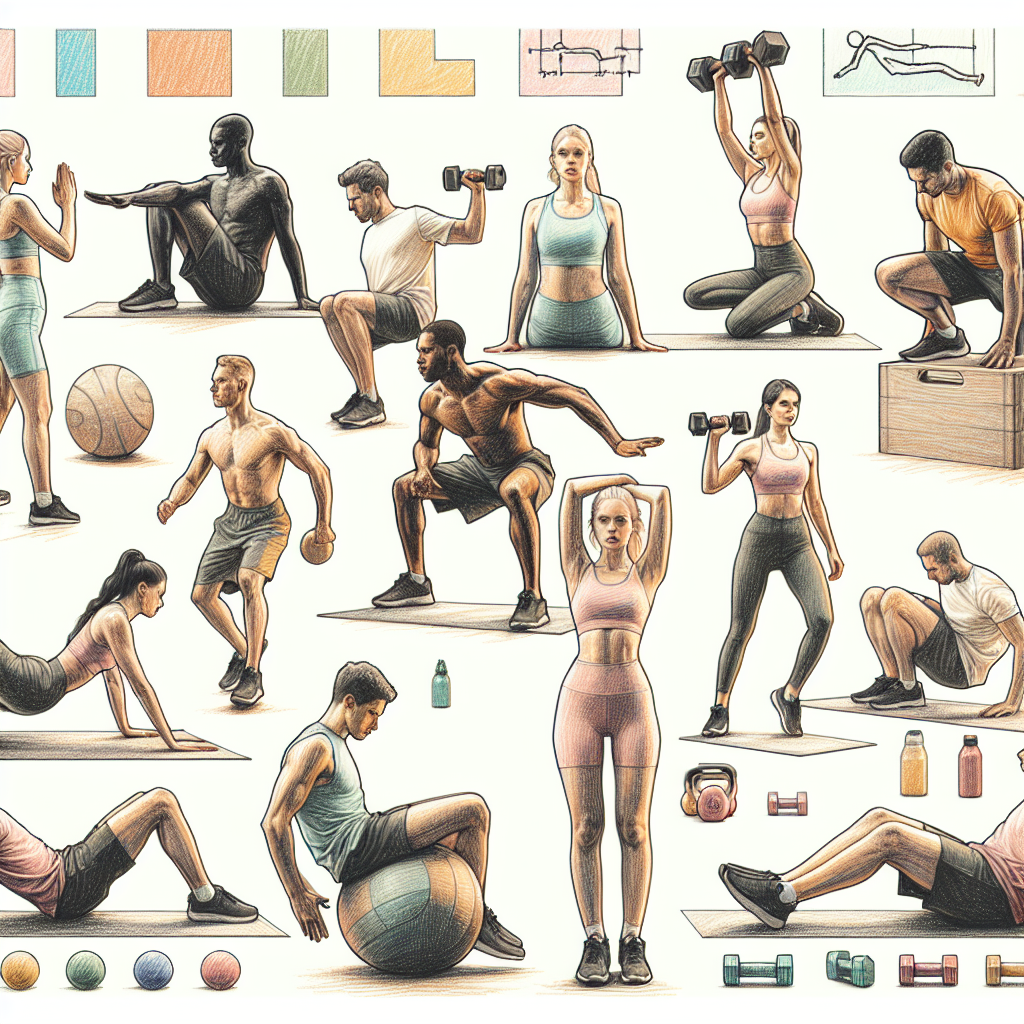
Gym at Home Without Equipment
In today’s fast-paced world, maintaining physical fitness is essential for overall well-being. However, the luxury of a gym membership often comes with challenges, including costs, time constraints, and commuting. The good news is that effective workouts can be conducted at home without any gym equipment. This article will guide you through a variety of bodyweight exercises, essential tips, and a structured approach to achieving fitness goals, making it feasible and enjoyable.
- Introduction
- Understanding Bodyweight Exercises
- Key Benefits of Home Workouts
- Creating a Structured Routine
- Tips for Success
- Consulting a Professional
- Debunking Myths and Misconceptions
- FAQs
- Conclusion
Understanding Bodyweight Exercises
Bodyweight exercises utilize your own weight to create resistance against gravity. These workouts can be performed anywhere without the need for machines or additional equipment. They are versatile, engaging multiple muscle groups and enhancing both strength and stamina. Here are some basic exercises to consider:
- Push-ups
- Squats
- Lunges
- Planks
- Burpees
- Mountain Climbers
Key Benefits of Home Workouts
Exercising at home offers numerous advantages. Here are some key benefits:
- Cost-effective: Eliminates the need for a gym membership.
- Convenience: Saves travel time, allowing you to fit exercise into your schedule.
- Privacy: Provides a comfortable environment, particularly beneficial for beginners.
- Flexibility: Enables you to customize your workout times and routines.
- Accessibility: Allows people of all fitness levels to engage in physical activity at their own pace.
Creating a Structured Routine
A structured workout routine is crucial for achieving fitness goals. Without a set plan, it can be easy to lose motivation or focus. Here is a suggested approach for a 30-day program:
- Plan Your Weekly Schedule: Dedicate specific days and times for your workouts. Aim for 3 to 5 times a week.
- Set Clear Goals: Establish what you wish to achieve—be it weight loss, muscle gain, or improved endurance.
- Follow a Balanced Regimen: Incorporate a mix of strength training, cardiovascular exercises, and flexibility training.
- Track Your Progress: Maintain a journal or use an app to record your workouts and improvements.
- Incorporate Variety: Change your workouts periodically to avoid plateauing and keep yourself engaged.
For an effortless starting point, consider registering for this free 30-day exercise program, which consists of just 6 minutes of daily exercise to yield results comparable to a traditional gym routine.
Tips for Success
To enhance your home workout experience, consider the following tips:
- Stay Consistent: Dedication to your routine will produce the best results.
- Warm Up Before Workouts: A proper warm-up will prepare your body and help prevent injuries.
- Cool Down: Stretching post-workout is vital for recovery and flexibility.
- Maintain a Healthy Diet: Pair your fitness regime with nutritious eating to maximize effectiveness.
- Listen to Your Body: If you experience pain or discomfort, adjust your routine accordingly.
When to Consult a Professional
Although home workouts can be highly beneficial, certain situations may warrant the advice of a fitness professional or medical practitioner:
- If you have pre-existing health conditions.
- If you are new to exercise and unsure about proper techniques.
- If you experience persistent pain or discomfort during workouts.
- If you wish to develop a personalized workout program specific to your needs.
- If you are considering significant lifestyle changes that may affect your health.
Debunking Myths and Misconceptions
Several myths surround home workouts, which can discourage individuals from pursuing their fitness goals. Let’s address some prevalent misconceptions:
- Myth 1: You need expensive equipment for effective workouts.
- Myth 2: Bodyweight exercises are less effective than weightlifting.
- Myth 3: You can’t build muscle at home.
- Myth 4: You need a lot of space to work out effectively.
- Myth 5: Exercise only benefits physical health, not mental well-being.
FAQs
Can I lose weight by working out at home without equipment?
Yes, effective weight loss can be achieved through consistent bodyweight exercises combined with a healthy diet.
How long should I exercise at home to see results?
Typically, 20-30 minutes of focused activity several times a week can generate noticeable results.
Are bodyweight exercises sufficient for strength training?
Yes, bodyweight exercises can build significant strength, especially when performed with proper form and intensity.
Is it safe to exercise at home without supervision?
Generally, yes, but be cautious and ensure proper technique to avoid injuries. Consult a professional if uncertain.
How can I stay motivated to work out at home?
Set clear goals, track your progress, vary your workouts, and consider joining online fitness communities for support.
What should I do if I feel pain during exercise?
If you experience pain, stop the activity and reassess your form. If pain persists, consult a healthcare professional.
Conclusion
- Bodyweight exercises are effective for all fitness levels.
- Home workouts offer convenience and cost savings.
- Creating a structured plan is crucial for success.
- Consult a professional when experiencing health concerns.
- Debunking myths about home workouts encourages more individuals to take action.
Start your fitness journey today with simple home exercises. Don’t hesitate to take advantage of the 30-day exercise program that only requires 6 minutes a day to achieve real results. Your fitness transformation awaits!
Author: John Angel