
Introduction
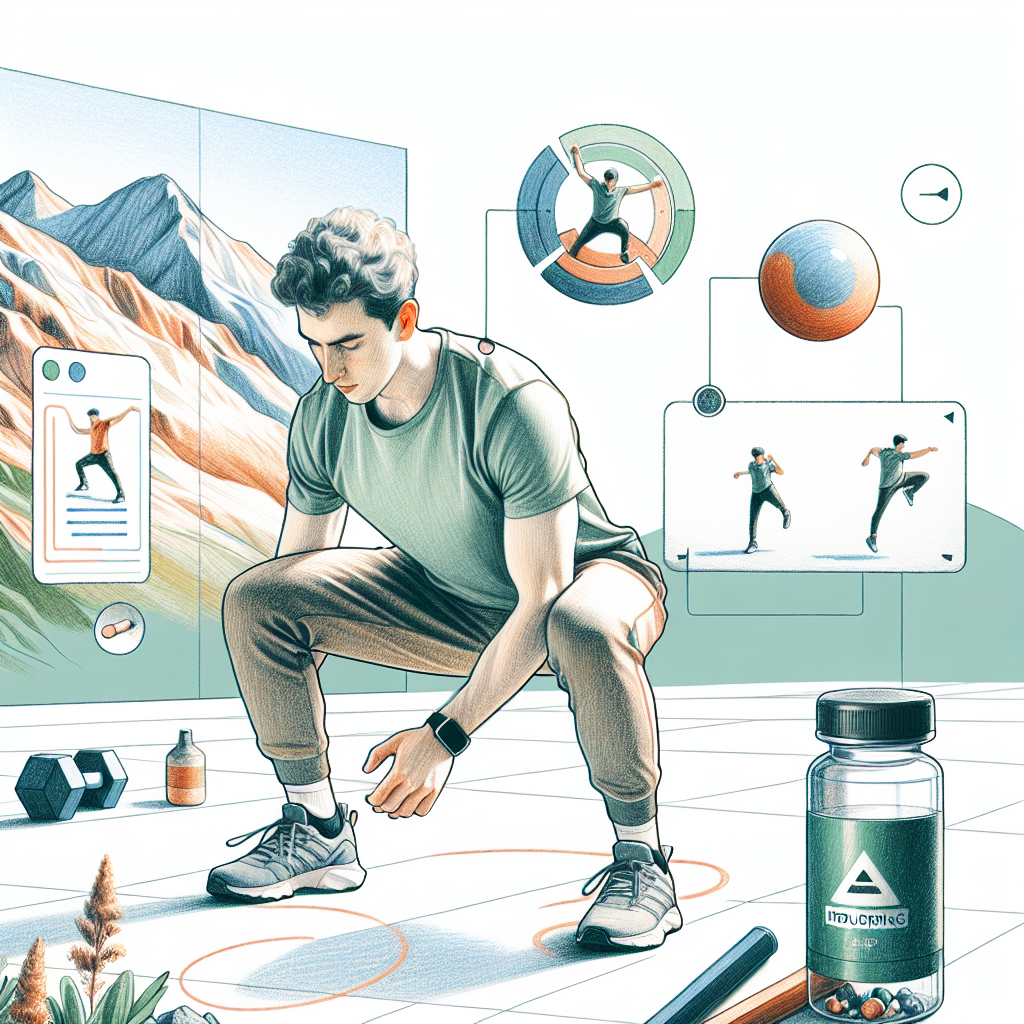
In today’s fast-paced world, finding time to visit a gym can be quite challenging. However, the good news is that you can achieve substantial fitness results without any equipment, right from the comfort of your own home. Engaging in a home workout can be both convenient and effective, allowing you to maintain or improve your physical condition without the financial commitment of a gym membership. This article will explore various home-based exercises that require no equipment, tips for safe practice, and additional information on managing your fitness journey.
Table of Contents
- Advantages of Working Out at Home
- Effective Bodyweight Exercises
- Creating a Structured Routine
- Safety Tips for At-Home Workouts
- When to Consult a Professional
- Common Myths About Equipment-Free Workouts
- Frequently Asked Questions
- Conclusion
Advantages of Working Out at Home
Home workouts offer numerous advantages that can significantly enhance your fitness journey:
- Flexibility: You can schedule workouts around your availability without the constraints of gym hours.
- Cost-effective: Eliminates gym memberships and travel expenses.
- No Waiting: Perform exercises at your own pace without waiting for equipment to become free.
- Comfort: Work out in your preferred environment, which can increase motivation.
- Accessibility: Suitable for all fitness levels, from beginners to advanced athletes.
Effective Bodyweight Exercises
Bodyweight exercises can be as effective as traditional gym workouts when performed correctly. Here are some essential exercises you can include in your routine:
- Push-Ups: Great for building upper body strength, primarily working the chest, shoulders, and triceps.
- Squats: A fundamental lower body exercise, effective for strengthening thighs, hips, and calves.
- Planks: Excellent for core stability and strength, activating multiple muscle groups.
- Lunges: Targets legs and glutes while improving balance and core strength.
- Burpees: A full-body exercise that combines strength and cardio, ideal for high-intensity workouts.
- Mountain Climbers: Great for cardiovascular fitness and core engagement.
Creating a Structured Routine
To maximize your fitness results at home, a structured routine is essential. Here are some steps for developing an effective workout plan:
- Determine Your Goals: Establish clear, achievable fitness goals, such as weight loss, muscle gain, or improved stamina.
- Schedule Workouts: Aim for at least 3–5 sessions per week, broken down into different muscle groups or types of exercise.
- Incorporate Variety: Keep your workouts fresh by combining different exercises to work various muscle groups.
- Track Progress: Maintain a journal or use fitness apps to record workouts and track improvements.
- Introduce a 30-Day Challenge: Consider joining a program where you can engage in just 6 minutes of exercise each day, achieving results akin to regular gym workouts. You can register for free here: 30-Day Exercise Program.
Safety Tips for At-Home Workouts
While working out at home can be safe and enjoyable, following certain precautions is crucial to prevent injuries:
- Warm-Up: Always start with a warm-up to prepare your body for exercise.
- Use Proper Form: Focus on maintaining correct posture to avoid strain or injury.
- Listen to Your Body: Slow down or stop if you experience pain or discomfort beyond typical exertion.
- Stay Hydrated: Drink water before, during, and after your workouts.
- Create a Safe Space: Ensure your workout area is clear of obstacles to prevent tripping or falling.
When to Consult a Professional
While many can effectively manage their fitness independently, there are instances when consulting a professional is advisable:
- If you experience severe pain or discomfort during exercises.
- When you are recovering from an injury and unsure about resuming physical activity.
- If you have pre-existing medical conditions that might require specialized guidance.
- When you are uncertain about developing a safe and effective workout plan.
Common Myths About Equipment-Free Workouts
Several misconceptions can hinder one’s approach to at-home fitness:
- Myth 1: Bodyweight exercises are not as effective as using weights.
- Myth 2: You cannot build muscle without a gym.
- Myth 3: Only high-intensity workouts lead to fitness improvements.
- Myth 4: Home workouts lack structure and discipline.
Frequently Asked Questions
Can I perform strength training without weights?
Yes, bodyweight exercises can effectively build strength and endurance without the need for weights.
How often should I work out at home?
Aim for 3–5 times a week, focusing on different muscle groups and including rest days as needed.
What should I do if I feel pain during exercise?
Stop exercising immediately if you experience pain and consult a healthcare professional if necessary.
Do I need special equipment for bodyweight exercises?
No, bodyweight exercises require no special equipment, making them highly accessible.
How long should each workout session last?
Even a short, focused session of 20–30 minutes can be highly effective for maintaining fitness.
Can I lose weight with bodyweight exercises?
Yes, bodyweight exercises can contribute to weight loss as part of a comprehensive fitness and nutrition plan.
Conclusion
- Working out at home is convenient and cost-effective.
- Bodyweight exercises offer a comprehensive approach to fitness without the need for equipment.
- A structured routine can aid in achieving fitness goals more efficiently.
- Safety precautions are essential to prevent injuries during workouts.
- Consult professionals when facing health concerns related to physical activity.
Take the first step towards a healthier you by incorporating effective at-home workouts into your life. To explore a streamlined approach, consider joining the 30-day exercise program that promises results in just 6 minutes a day: Join Now!
Author: John Angel