
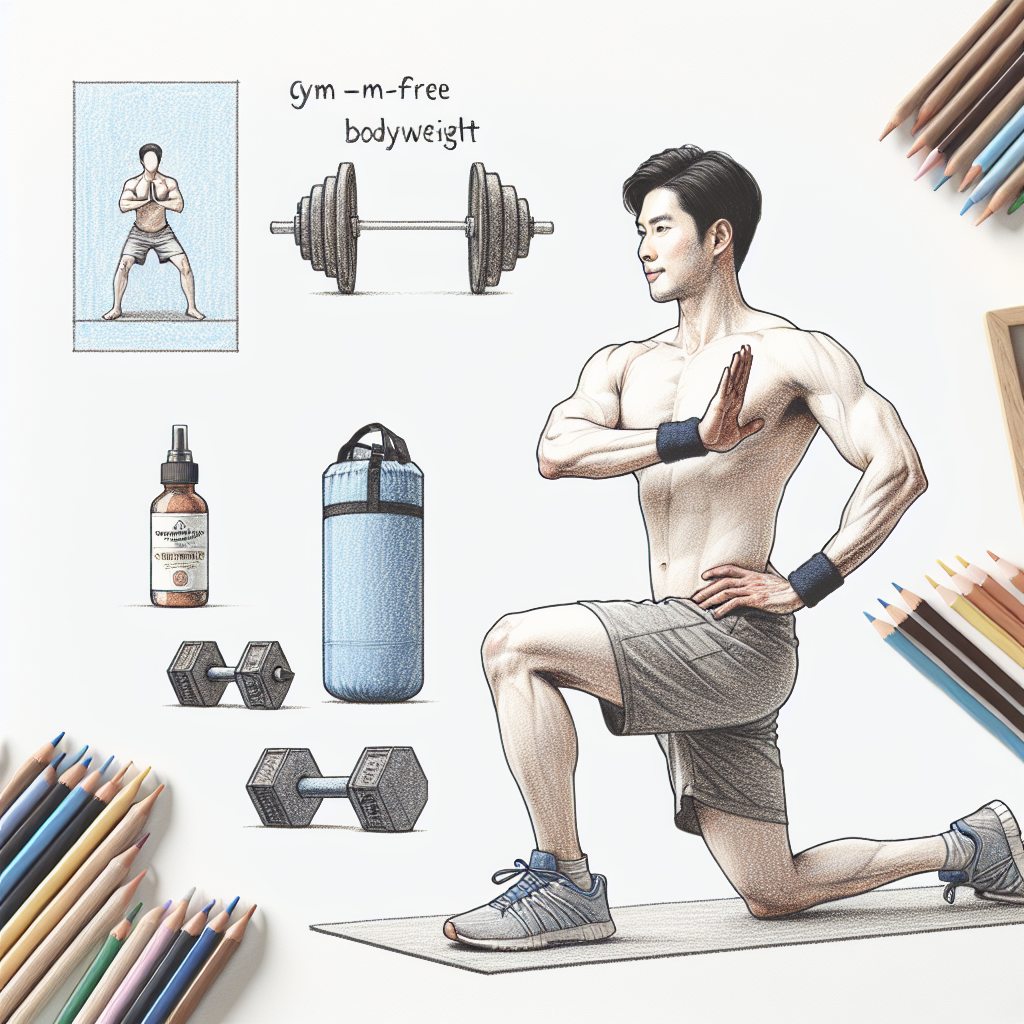
Gym Without Machines: Unlocking Your Body’s Potential
In today’s fitness landscape, the idea of achieving optimal health and athleticism without machines is gaining traction. Home workouts, utilizing only body weight and minimal equipment, can be incredibly effective in building strength, flexibility, and endurance. By adopting a machine-free approach, you not only save time and money but also enhance your understanding of body mechanics. Moreover, this style of training offers a versatile method to stay fit, regardless of your location.
- Understanding Bodyweight Training
- Advantages of Gym-Free Workouts
- Key Exercises for Effective Training
- Designing Your Workout Plan
- When to Consult a Professional
- Common Myths and Misconceptions
- Frequently Asked Questions
- Conclusion and Call to Action
Understanding Bodyweight Training
Bodyweight training involves exercises that use an individual’s weight as resistance. This method encompasses a myriad of movements including push-ups, squats, and lunges. Unlike traditional gym workouts that often dictate specific machines, bodyweight exercises cultivate functional strength and can be modified easily for various fitness levels.
The Science Behind Bodyweight Exercises
Incorporating your own weight into a workout engages numerous muscle groups simultaneously, enhancing muscle coordination and balance. Additionally, many exercises encourage dynamic, compound movements, which can lead to greater caloric expenditure compared to isolated exercises typically performed on gym machines.
Advantages of Gym-Free Workouts
- Cost-Effective: No need for expensive gym memberships or equipment.
- Convenience: Work out anywhere, whether at home or outdoors.
- Flexibility: Easily modify exercises to suit your fitness level and goals.
- Increased Engagement: Develops a better understanding of your body’s movements and capabilities.
- Reduced Injury Risk: Lower likelihood of injury associated with improper machine use.
Key Exercises for Effective Training
Incorporating a variety of exercises will ensure a comprehensive workout regimen. The following movements provide a solid foundation for a gym-free workout:
- Push-Ups: Targets the chest, shoulders, and triceps.
- Bodyweight Squats: Strengthens the lower body, focusing on quadriceps and hamstrings.
- Lunges: Engages the entire lower body and improves balance.
- Planks: Enhances core stability and strength.
- Burpees: A full-body exercise that builds endurance and strength.
- Mountain Climbers: Elevates heart rate while working the core and legs.
For those interested in a structured program, consider registering for a free 30-day exercise program, where you only need to dedicate just 6 minutes a day to achieve significant results.
Designing Your Workout Plan
To maximize results from your gym-free workouts, follow these practical steps:
- Set Clear Goals: Define your fitness objectives, such as strength, endurance, or flexibility.
- Establish a Routine: Commit to a consistent workout schedule, aiming for at least three to five sessions per week.
- Incorporate Variety: Mix different exercises to prevent boredom and to challenge your body.
- Track Progress: Keep a log of your workouts, noting repetitions, sets, or perceived efforts to monitor advancement.
- Rest and Recover: Ensure adequate recovery time to prevent overtraining and allow muscles to rebuild.
When to Consult a Professional
While bodyweight training is accessible and beneficial, it’s crucial to recognize when professional guidance may be warranted:
- If you experience persistent pain during or after exercises.
- When unsure about proper form, which can lead to injury.
- In cases of pre-existing conditions impacting physical activity, a professional’s advice is essential.
- If you are recovering from injuries or surgeries, professional supervision is advisable to ensure safe progression.
Common Myths and Misconceptions
Despite the growing popularity of bodyweight training, several myths persist:
- Myth 1: Bodyweight training is only for beginners.
- Bodyweight workouts can be adapted for all fitness levels, offering advanced variations that provide significant challenges.
- Myth 2: You cannot build muscle without weights.
- Properly structured bodyweight exercises can stimulate muscle growth effectively.
- Myth 3: It’s impossible to achieve cardiovascular fitness without machines.
- When performed at high intensity, bodyweight exercises can elevate heart rates comparably to traditional cardio methods.
Frequently Asked Questions
Can I really get fit without going to the gym?
Absolutely! Consistent bodyweight training can yield impressive results in strength, endurance, and overall fitness without the need for a gym.
How often should I do bodyweight exercises?
Aim for at least three to five times a week for optimal benefits. Balance workout days with rest days to allow for recovery.
Do I need special equipment for bodyweight workouts?
No special equipment is necessary, although items like resistance bands or a yoga mat can enhance comfort and versatility.
Can I lose weight with bodyweight exercises?
Yes, when combined with a balanced diet, bodyweight exercises can help create a caloric deficit leading to weight loss.
What if I don’t have time to work out?
Even a 6-minute routine can be effective. Short, high-intensity workouts can yield results without a significant time commitment.
Is it safe for seniors or those with health issues?
While bodyweight exercises are generally safe, it’s important for seniors or those with health concerns to consult with a healthcare provider before starting any new program.
Conclusion
- Bodyweight training is an effective, cost-efficient alternative to gym workouts.
- It enhances functional strength and aids in injury prevention.
- A structured workout plan can lead to significant fitness improvements.
- Consulting a professional can mitigate risks related to improper form or existing injuries.
- Bodyweight exercises can be tailored to suit various fitness levels and goals.
Embarking on a machine-free exercise journey may open new avenues of health and wellness. Consider joining a structured program where you can see results with just a small time investment. Register now for a 30-day challenge and take your first step towards achieving your fitness goals.
Author: John Angel