
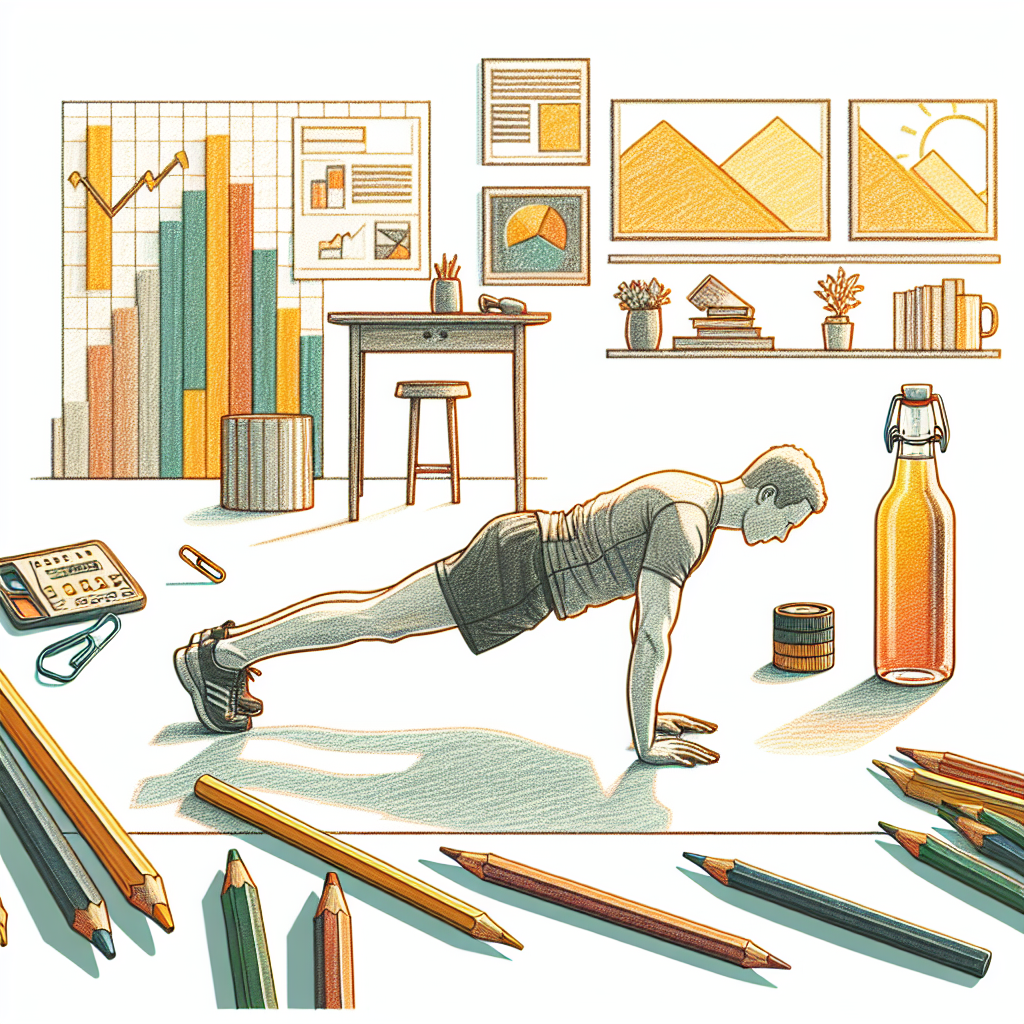
In an age where gym memberships can be both costly and time-consuming, a home bodyweight routine offers an efficient, effective alternative for maintaining fitness. This approach utilizes your body’s mass to build strength and endurance without the need for specialized equipment. In this article, you will discover a practical and comprehensive bodyweight regimen that empowers you to stay fit right from the comfort of your home.
- Introduction
- Benefits of Bodyweight Training
- Essential Movements in a Bodyweight Routine
- Creating Your Home Bodyweight Routine
- Common Mistakes in Bodyweight Training
- When to Consult a Professional
- FAQ
- Conclusion
Benefits of Bodyweight Training
Bodyweight training offers numerous advantages, making it an appealing choice for individuals at all fitness levels. Key benefits include:
- Accessibility: Requires no special equipment or gym access.
- Flexibility: Can be performed anywhere, anytime, making it easy to incorporate into a busy schedule.
- Functional Strength: Enhances core strength and stability, mimicking real-life movements.
- Injury Prevention: Minimizes the risk of injury by utilizing body mechanics effectively.
Essential Movements in a Bodyweight Routine
A comprehensive bodyweight workout typically includes a variety of functional movements that engage multiple muscle groups. The core movements to incorporate are:
- Squats: Target lower body strength, particularly in the thighs and glutes.
- Push-Ups: Strengthen the chest, shoulders, and triceps.
- Planks: Enhance core stability and strength.
- Lunges: Improve balance and coordination while working the legs.
- Burpees: Provide a full-body workout, combining strength and cardiovascular training.
Creating Your Home Bodyweight Routine
Developing a successful home bodyweight routine requires careful planning. Here’s a step-by-step guide to creating your regimen:
- Set Your Goals: Determine what you want to achieve (e.g., strength, endurance, weight loss).
- Choose Your Exercises: Select a mix of movements that target different muscle groups (e.g., squats, push-ups, and planks).
- Schedule Your Workouts: Aim for consistency, targeting at least three days a week.
- Warm-Up: Spend 5-10 minutes on dynamic stretches to prevent injury.
- Execute Your Routine: Perform each exercise in a circuit format, adjusting sets and repetitions based on fitness level.
- Cool Down: Follow your workout with stretching to enhance flexibility and recovery.
For those seeking a highly efficient program, consider [registering for a free 30-day exercise program](https://app.revolucnicviceni.cz/en/registration) where you can achieve results in just 6 minutes daily.
Common Mistakes in Bodyweight Training
While bodyweight training can be highly effective, certain common mistakes can hinder progress or lead to injuries. Be mindful of the following pitfalls:
- Neglecting Form: Prioritize proper technique over quantity to prevent injuries.
- Skipping Warm-Ups: Always prepare your body before workouts to avoid strains.
- Overtraining: Allow adequate recovery time to promote muscle growth and prevent burnout.
- Inconsistent Routine: Adherence is key to achieving desired results; create a schedule and stick to it.
When to Consult a Professional
While most individuals can safely perform bodyweight exercises, certain conditions may warrant consultation with a healthcare professional or certified trainer. Consider seeking guidance if you experience:
- Persistent Pain: Any pain that does not subside with rest may indicate an underlying issue.
- Pre-existing Conditions: Individuals with chronic conditions should consult for tailored advice.
- Difficulty with Basic Movements: If you struggle to perform basic exercises, professional guidance can offer tailored modifications.
FAQ
Can I build muscle with bodyweight exercises?
Yes, bodyweight exercises can build muscle, especially when performed with gradual increases in intensity and volume.
How often should I do bodyweight training?
Aim for at least 3-4 times a week, ensuring you include rest days for recovery.
Do I need special equipment for bodyweight training?
No, bodyweight training primarily relies on your body’s mass, making it accessible without any equipment.
Can bodyweight exercises improve flexibility?
Yes, incorporating stretches and dynamic movements can enhance flexibility alongside strength training.
Is bodyweight training suitable for beginners?
Absolutely; many bodyweight exercises can be easily modified to suit different fitness levels, making them ideal for beginners.
What are the best bodyweight exercises for weight loss?
High-intensity movements like burpees, mountain climbers, and squat jumps are effective for burning calories and promoting weight loss.
Conclusion
- Accessibility: You can achieve fitness without the gym.
- Effective Strategy: Bodyweight training provides a well-rounded approach to fitness.
- Customizable: Tailor routines to fit your personal goals and preferences.
- Injury Prevention: Focused on safe movements, reducing injury risks.
- Community Support: Consider joining programs for motivation and accountability.
Take the first step towards enhancing your fitness with an effective home bodyweight routine. Start making a difference today by exploring our [free 30-day exercise program](https://app.revolucnicviceni.cz/en/registration).
Author: John Angel