
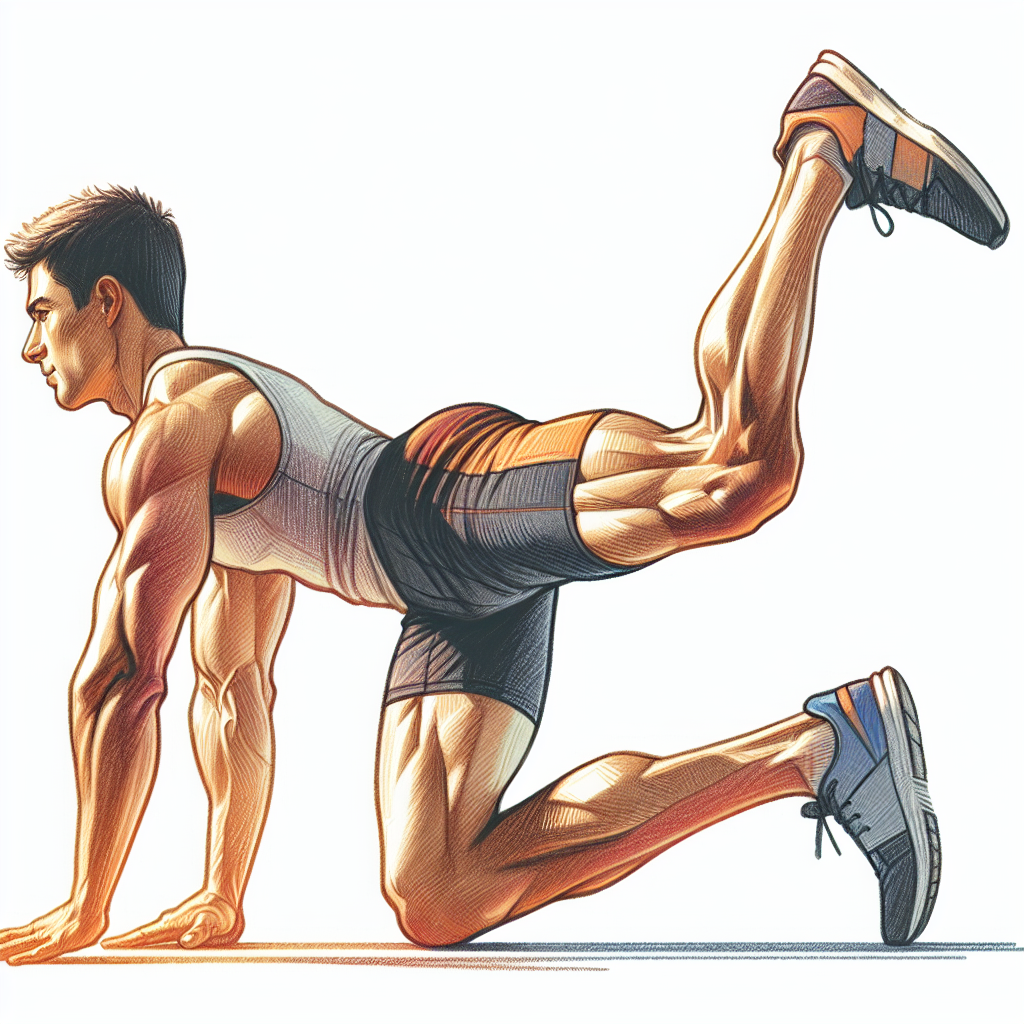
Leg Training Without Weights: Unlocking Your Strength
In a world where gym memberships and heavy equipment often dominate fitness conversations, many overlook the efficacy and convenience of leg training without weights. Bodyweight exercises can build strength, enhance flexibility, and improve endurance—all essential components for a well-rounded fitness regimen. This article explores effective leg training strategies that require no weights, offering practical steps and insights to achieve your fitness goals.
- Introduction
- The Benefits of Bodyweight Leg Training
- Essential Bodyweight Exercises for Legs
- Creating a Structured Leg Training Routine
- Correct Form and Technique
- When to Consult a Health Professional
- Myths and Misconceptions about Bodyweight Training
- Frequently Asked Questions
- Conclusion
The Benefits of Bodyweight Leg Training
Bodyweight exercises offer numerous advantages for individuals looking to strengthen their legs without the use of weights:
- Accessibility: Bodyweight exercises can be performed anywhere—at home, outdoors, or in a gym, without the need for equipment.
- Injury Prevention: These exercises promote functional strength while minimizing the risk of injury commonly associated with heavy lifting.
- Muscle Endurance: Regular bodyweight training can enhance muscular endurance, ensuring better performance in daily activities.
- Improved Flexibility: Many bodyweight exercises incorporate a full range of motion, contributing to overall flexibility and mobility.
Essential Bodyweight Exercises for Legs
Several effective bodyweight exercises can target different muscle groups in the legs. Below are some key movements you can incorporate into your routine:
- Squats: A fundamental exercise that targets the quadriceps, hamstrings, and glutes. Stand with your feet shoulder-width apart, lower your hips back as if sitting in a chair, and rise back up.
- Lunges: Effective for overall leg development. Step forward with one leg, lowering your back knee toward the ground without touching it. Alternate legs.
- Wall Sits: Great for isometric strength. Lean against a wall while sliding down until your thighs are parallel to the floor, and hold this position.
- Calf Raises: Strengthen your calves by standing on the balls of your feet and lifting your heels off the ground. Hold for a moment before lowering.
- Glute Bridges: Lie on your back with your knees bent and feet on the ground. Raise your hips off the floor, squeezing your glutes at the top.
Creating a Structured Leg Training Routine
Designing a plan for effective leg training can enhance your commitment and results. Follow these steps to create an efficient routine:
- Choose Your Exercises: Pick 4-5 exercises from the essential list above.
- Set a Schedule: Aim for 2-3 leg training sessions per week, allowing recovery time in between.
- Determine Repetitions and Sets: Start with 2-4 sets of each exercise, aiming for 10-15 repetitions, depending on your fitness level.
- Incorporate Variations: Add variations to your routine, such as single-leg exercises or incorporating movement patterns like lateral lunges.
- Track Your Progress: Keep a log of your workouts to track improvements and adjust your routine as you gain strength.
Correct Form and Technique
Maintaining proper form is crucial for maximizing benefits and preventing injury. Here are some key points to focus on:
- Alignment: Keep your knees aligned with your toes during movements like squats and lunges.
- Engagement: Engage your core to stability during all exercises, which aids in protecting your back and improving balance.
- Controlled Movements: Perform exercises with a controlled tempo to avoid using momentum and to maximize muscular engagement.
When to Consult a Health Professional
While leg training is immensely beneficial, certain signs indicate that it may be prudent to consult a health professional:
- Persistent Pain: If you experience ongoing joint or muscle pain during or after training.
- Swelling or Inflammation: Noticeable swelling in the legs or difficulty in movement following exercise.
- Pre-existing Conditions: Consult a healthcare provider if you have chronic conditions that might affect your ability to exercise.
Myths and Misconceptions about Bodyweight Training
Many misconceptions surround bodyweight training that can deter individuals from adopting this form of exercise.
- Myth 1: You cannot build muscle with bodyweight exercises. Truth: Many bodyweight exercises can effectively stimulate muscle growth, especially beginners.
- Myth 2: Bodyweight training is only for beginners. Truth: Advanced variations can challenge even seasoned athletes.
- Myth 3: You need weights to achieve a toned physique. Truth: Bodyweight exercises can sculpt muscles and reduce body fat just as effectively.
Frequently Asked Questions
Can I build muscle with bodyweight exercises?
Yes, bodyweight exercises can build muscle effectively, especially for beginners. Advanced practitioners can also challenge their muscles through variations.
How often should I do leg training?
Aim for 2-3 sessions of leg training per week, allowing at least one day of recovery in between.
Are bodyweight exercises suitable for all fitness levels?
Absolutely! Bodyweight exercises can be modified to accommodate beginners as well as more advanced individuals.
Can I train my legs without any equipment at all?
Yes, many effective leg exercises require no equipment at all. You can perform these exercises in your home or outdoors.
How can I track my progress?
Tracking your workouts in a journal or app can help you monitor repetitions, sets, and improvements over time.
Is it safe to perform bodyweight exercises every day?
It’s important to incorporate rest days into your routine to allow for muscle recovery and prevent overuse injuries.
Conclusion
- Bodyweight leg training is accessible, effective, and can be done anywhere.
- Incorporating a variety of exercises is key to a balanced, engaging routine.
- Maintaining proper form is crucial for effectiveness and injury prevention.
- Consult a healthcare professional if you encounter persistent pain or discomfort.
- Myths surrounding bodyweight training only serve to limit your fitness journey.
To get started on your journey to improved leg strength, consider enrolling in our 30-day exercise program. You can achieve impressive results in just 6 minutes a day!
Author: John Angel