
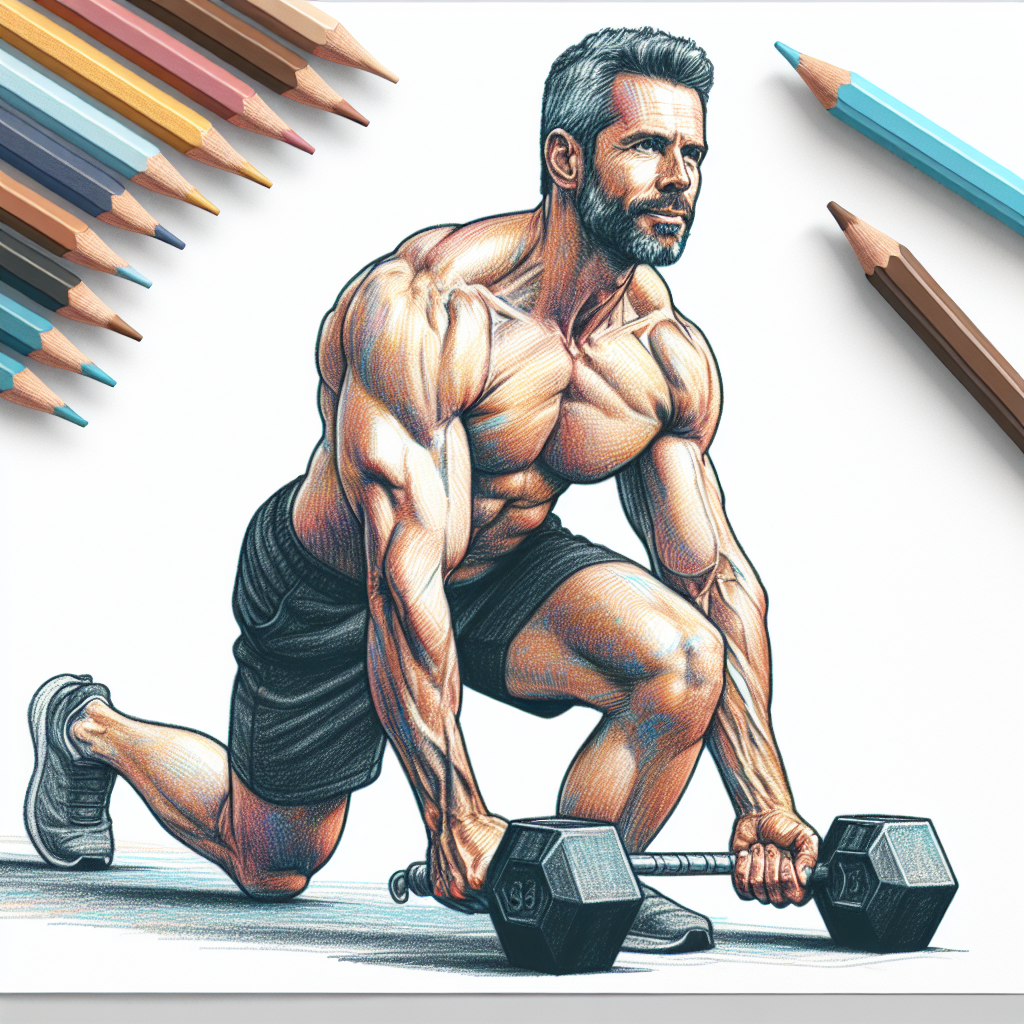
In today’s fast-paced world, many men find it challenging to incorporate regular exercise into their busy lives. However, you don’t need expensive gym memberships or elaborate equipment to achieve significant fitness results. A no-equipment workout can be just as effective, utilizing your body weight to build strength, endurance, and flexibility. This article will guide you through a variety of exercises designed specifically for men looking to stay fit without the need for any special gear. Additionally, we’ll introduce a 30-day exercise program where you can exercise for just six minutes daily and still see impressive results. Sign up for free at this link.
- Understanding Bodyweight Workouts
- Key Exercises for Men
- Creating a Structured Routine
- Myths about No-Equipment Workouts
- When to Consult a Professional
- Frequently Asked Questions
- Conclusion
Understanding Bodyweight Workouts
Bodyweight workouts leverage your own mass for resistance, allowing for a comprehensive range of exercises that can be performed anywhere. This method of training is highly versatile and can adapt to various fitness levels, from beginners to advanced athletes. The primary benefits include improved muscle strength, balance, coordination, and cardiovascular health, all without the need for external equipment.
Key Exercises for Men
To achieve a well-rounded fitness regimen, consider integrating the following exercises into your routine:
- Push-Ups: Target the chest, shoulders, and triceps. Start in a plank position, lower your body until your chest nearly touches the floor, then push back up.
- Squats: Focus on the legs, glutes, and core. Stand with feet shoulder-width apart, lower your body as if sitting back into a chair, then return to standing.
- Planks: Strengthen the core and improve stability. Lie face down, then lift your body on your forearms and toes, keeping a straight line from head to heels.
- Lunges: Work the legs and glutes by stepping forward with one leg, lowering your hips until both knees are bent at about a 90-degree angle.
- Burpees: A full-body exercise that combines squats, push-ups, and jumps for a high-intensity workout. Start in a standing position, drop into a squat, kick your feet back into a plank, perform a push-up, and return to the squat before jumping up.
Creating a Structured Routine
To maximize your results, it’s essential to establish a structured workout routine. Here’s a simple guide to create your plan:
- Set a Schedule: Aim for at least three workouts per week.
- Combine Exercises: Pair upper body, lower body, and core exercises for a full-body workout, alternating muscle groups.
- Start with Warm-ups: Always begin with 5-10 minutes of dynamic stretching to prevent injury.
- Incorporate High-Intensity Intervals: Mix periods of intense effort with rest to enhance efficiency.
- Cool Down: Finish each workout with stretching exercises to improve flexibility and aid recovery.
Myths about No-Equipment Workouts
Despite their increasing popularity, several myths persist regarding no-equipment workouts:
- Myth 1: They’re not as effective as gym workouts. Reality: Bodyweight exercises can build significant muscle and strength when performed correctly.
- Myth 2: Only beginners use bodyweight exercises. Reality: Even advanced athletes can find value and challenge in bodyweight training.
- Myth 3: You can’t get a cardio workout without equipment. Reality: High-intensity bodyweight circuits can significantly elevate heart rate.
When to Consult a Professional
While bodyweight workouts are generally safe, certain situations necessitate professional guidance:
- If you have existing injuries or chronic pain, it’s essential to consult a healthcare provider before starting a new exercise routine.
- Consider a professional’s advice if you are unsure about your form or technique to prevent injuries.
- If you notice persistent fatigue, unusual muscle soreness, or other alarming signs, seek guidance from a health or fitness professional.
Frequently Asked Questions
1. Can beginners do no-equipment workouts?
Yes, bodyweight workouts are excellent for beginners, as they can easily modify exercises to suit their fitness levels.
2. How long should a no-equipment workout last?
Even short sessions of 15-30 minutes can be effective if performed with high intensity.
3. Do I need to warm up before a workout?
Yes, warming up helps to prevent injuries and improves performance.
4. Is it possible to build muscle without weights?
Absolutely, bodyweight exercises can be highly effective in building lean muscle through consistent training.
5. How often should I do no-equipment workouts?
Ideally, aim for at least three to five sessions per week for optimal results.
6. Can I lose weight doing bodyweight workouts?
Yes, when combined with proper nutrition, bodyweight workouts can help facilitate weight loss.
Conclusion
- No-equipment workouts are accessible and effective for maintaining fitness.
- Key exercises include push-ups, squats, planks, lunges, and burpees.
- Establish a structured routine to maximize results.
- Be aware of common myths surrounding bodyweight training.
- Consult a professional if you have health concerns or injuries.
If you are ready to transform your fitness routine without the need for expensive equipment, consider joining the 30-day exercise program that only requires six minutes a day. You can register for free here.
Author: John Angel