
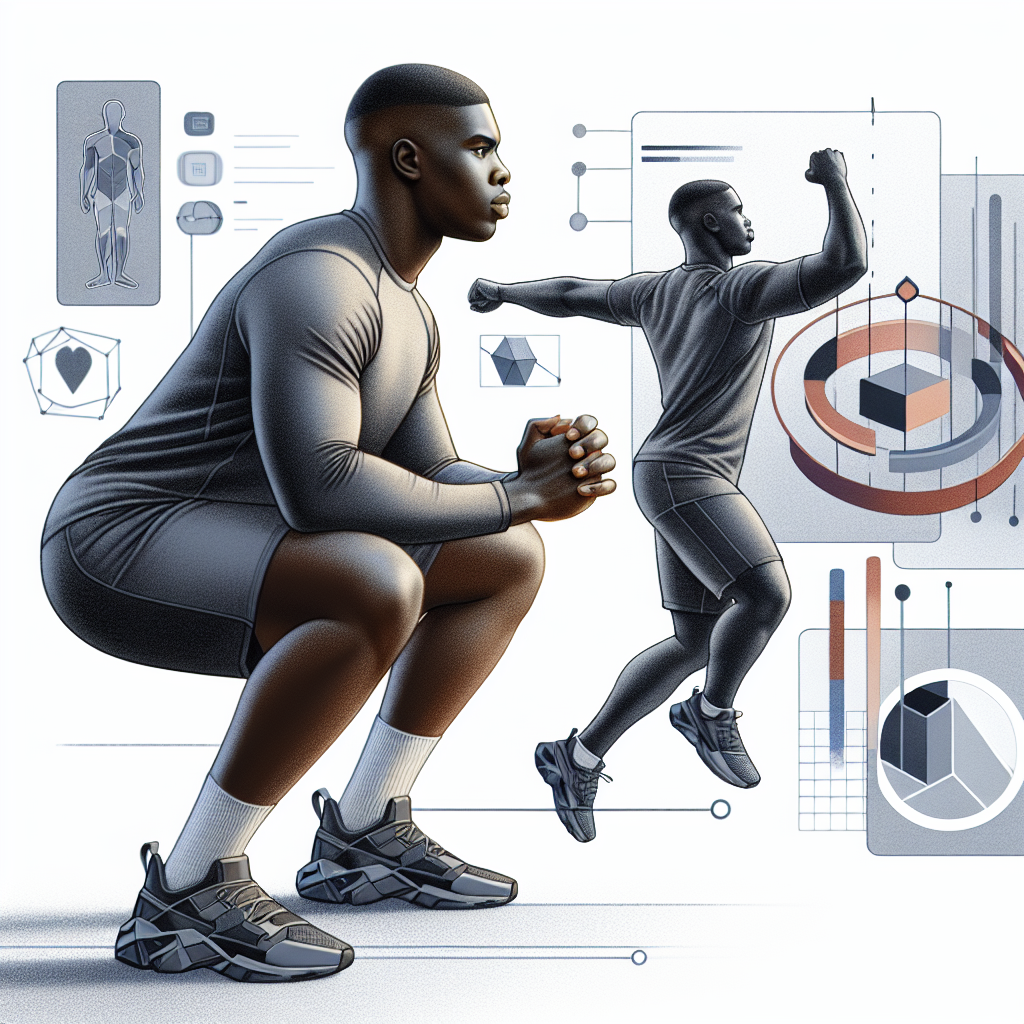
Muscle Exercises Without Weights: Harnessing Your Body’s Strength
In an era where accessibility and convenience are paramount, bodyweight exercises have emerged as a practical solution for maintaining fitness without the need for weights. This article delves into effective muscle exercises you can perform using only your body weight, aiming to enhance strength, flexibility, and overall well-being. The primary benefit is the ability to achieve significant results in a short amount of time, making these exercises a feasible option for individuals with busy schedules.
- Benefits of Bodyweight Exercises
- Key Exercises to Include
- Effective Routine Structure
- When to Consult a Professional
- Myths and Misconceptions
- FAQs
- Conclusion
Benefits of Bodyweight Exercises
Bodyweight exercises offer numerous advantages that cater to a wide range of fitness levels. Below are some notable benefits:
- Flexibility: These exercises can be performed anywhere, eliminating the need for a gym or heavy equipment.
- Core Strength: Many bodyweight movements engage multiple muscle groups, particularly the core, leading to better functional strength.
- Reduced Injury Risk: By utilizing your body’s own weight, you minimize the risk of injury that can often accompany heavy lifting.
- Time Efficiency: Short, focused workouts can deliver results comparable to traditional weight training.
Key Exercises to Include
Here are some essential bodyweight exercises you can incorporate into your routine:
- Push-Ups: Target chest, shoulders, and triceps.
- Squats: Strengthen legs and core, promoting balance and stability.
- Lunges: Enhance leg strength and promote flexibility in hips.
- Planks: Build core stability and strength in shoulders.
- Burpees: Combine strength and cardio for a full-body workout.
- Mountain Climbers: Stimulate multiple muscle groups while providing an aerobic challenge.
Effective Routine Structure
To maximize the benefits of bodyweight exercises, it’s essential to create a structured routine. Here’s a simple guideline:
- Warm-Up: Spend 5-10 minutes warming up to prepare your body. Simple stretches or light cardio exercises are recommended.
- Workout: Choose 4-6 exercises and perform each for 30 seconds, followed by a 15-second rest. Repeat the circuit 3-4 times.
- Cool Down: Dedicate 5-10 minutes to cool down and perform static stretches to enhance flexibility and recovery.
For a streamlined approach, consider following a program that requires only 6 minutes of effort each day yet still delivers impressive results. You can register for a free 30-day exercise program that revolves around this concept.
When to Consult a Professional
While bodyweight exercises are generally safe, there are circumstances when seeking professional guidance is advisable:
- If you experience persistent pain during exercises.
- If you are recovering from an injury and wish to resume physical activity.
- Before starting a new exercise regimen, especially if you have pre-existing medical conditions.
- If you have concerns about your form or technique and want to ensure safety during exercises.
Myths and Misconceptions
Several myths surround bodyweight training. Here are a few common misconceptions:
- Myth 1: Bodyweight exercises are only for beginners. Reality: They can be highly effective for all fitness levels when advanced variations are employed.
- Myth 2: You can’t build muscle without weights. Reality: Consistent bodyweight resistance can lead to muscle gains.
- Myth 3: Bodyweight exercises lack intensity. Reality: They can be modified for high-intensity workouts that challenge even seasoned athletes.
FAQs
1. Can I build muscle with just bodyweight exercises?
Yes, bodyweight exercises can effectively build muscle when performed consistently and with proper technique.
2. How often should I perform bodyweight exercises?
For optimal results, aim for at least 3-4 sessions per week, allowing rest days for recovery.
3. Do I need to warm up before starting?
Yes, warming up is crucial to prepare your muscles and prevent injuries.
4. Are bodyweight exercises suitable for all fitness levels?
Yes, bodyweight exercises can be tailored to suit beginners, intermediates, and advanced practitioners.
5. Can I lose weight by doing bodyweight exercises alone?
Yes, when combined with proper nutrition, bodyweight exercises can support weight loss and fat reduction.
6. What should I do if I feel pain while exercising?
Stop the exercise immediately and consult a healthcare professional if pain persists.
Conclusion
- Bodyweight exercises offer an effective means to achieve strength and flexibility.
- These exercises require no special equipment, making them accessible to everyone.
- Establishing a structured routine can enhance the effectiveness of your workouts.
- Consulting a professional is prudent when experiencing pain or advancing your technique.
- Debunking common myths can help you better integrate these exercises into your routine.
If you’re ready to start your fitness journey and discover how six minutes a day can lead to impressive results, consider exploring the 30-day exercise program available for free.
Author: John Angel