
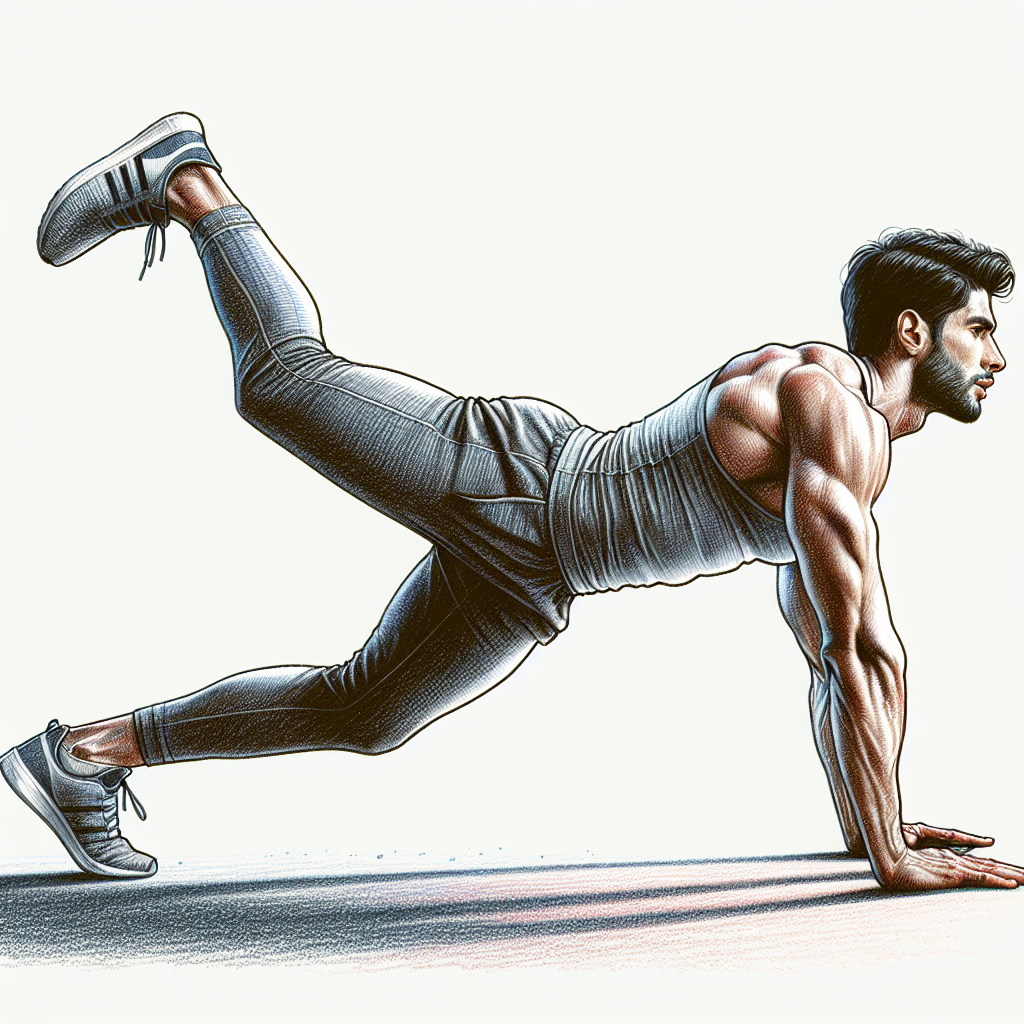
Are you looking to enhance your fitness journey without the need for gym equipment? A no-equipment workout is an effective way to improve strength, flexibility, and cardiovascular health, all from the comfort of your home or even outdoors. This article will explore the benefits, types of exercises you can perform, and how to structure an effective routine that requires no additional equipment. Plus, learn about a convenient option for ready-to-use workouts that take only six minutes a day.
- Understanding No-Equipment Workouts
- Types of No-Equipment Exercises
- Structuring Your Workout
- Setting Achievable Goals
- When to Consult a Professional
- Common Misunderstandings
- FAQs
Understanding No-Equipment Workouts
No-equipment workouts are designed to leverage your body weight as resistance, making them highly versatile and accessible. These workouts can be tailored to various fitness levels, allowing you to perform them anytime and anywhere. By focusing on functional movements, you can build strength and endurance without the need for weights or machines.
Types of No-Equipment Exercises
There is a wide range of exercises that can be performed without any equipment. Below are some categories of no-equipment workouts:
- Bodyweight Exercises: Push-ups, squats, lunges, and planks help build strength and coordination.
- Cardiovascular Drills: Burpees, jumping jacks, and high knees elevate your heart rate and improve stamina.
- Flexibility and Mobility Moves: Yoga poses and dynamic stretches enhance mobility and prevent injury.
- High-Intensity Interval Training (HIIT): Short bursts of intense exercise followed by rest can boost metabolism and burn calories effectively.
Structuring Your Workout
A well-structured no-equipment workout routine can be broken down into several components:
- Warm-Up: Spend 5-10 minutes warming up with light cardio and dynamic stretches.
- Core Workout: Focus on exercises that target multiple muscle groups, such as push-ups and squats.
- Cardio Segment: Incorporate high-intensity movements to get your heart rate up.
- Cool Down: End with static stretches to improve flexibility and aid recovery.
For those looking for a more guided approach, consider joining this 30-day exercise program, where just six minutes a day can yield significant results, simulating the effects of more traditional workouts.
Setting Achievable Goals
As with any fitness regime, it’s important to set realistic goals. Assess your current fitness level and decide what you want to achieve, whether it’s weight loss, muscle gain, or simply improved endurance. Break your goals into manageable milestones to maintain motivation.
When to Consult a Professional
While no-equipment workouts can benefit many individuals, certain situations warrant consultation with a fitness or medical professional:
- If you have existing health issues or injuries.
- Should you experience pain that persists beyond normal muscle soreness.
- If you are unsure about proper exercise techniques.
- When you require tailored guidance for specific goals.
Common Misunderstandings
Several myths surround no-equipment workouts:
- Myth 1: No-equipment workouts are less effective.
- Myth 2: You must spend hours exercising to see results.
- Myth 3: Bodyweight exercises are only for beginners.
- Myth 4: Flexibility training isn’t as important as strength or cardio.
FAQs
Can I build muscle with no-equipment workouts?
Yes, bodyweight exercises can effectively build muscle by using your own weight as resistance.
How often should I perform no-equipment workouts?
Aim for at least 3-5 times per week for optimal results and to maintain consistency.
Are no-equipment workouts suitable for beginners?
Absolutely! They can be tailored to any fitness level, allowing beginners to engage in the same movements at a lower intensity.
How can I progress in my no-equipment workouts?
You can increase intensity by performing more reps, decreasing rest time, or adding complex variations of exercises.
Do I need to warm up before exercising?
A warm-up is crucial for preparing your body, preventing injuries, and enhancing performance.
Can I combine no-equipment workouts with other forms of exercise?
Yes, they can complement other fitness regimens, including weight training, cycling, or yoga.
Conclusion
- No-equipment workouts are versatile and accessible, allowing for effective training anywhere.
- Incorporating a mix of bodyweight exercises and cardio drills maximizes results.
- Setting realistic goals keeps you motivated and focused on progress.
- Consulting a fitness professional can be beneficial for personalized guidance.
- Addressing common myths helps clarify the effectiveness of no-equipment routines.
If you’re ready to start your journey, consider signing up for the 30-day exercise program designed to provide significant results in just six minutes a day!
Author: John Angel