Weight training typically requires access to specialized equipment and a gym environment, which can be intimidating for many. However, no equipment weight training is an effective alternative that allows individuals to leverage their body weight to build strength, improve endurance, and enhance overall fitness. This article explores the benefits of no equipment weight training, offers practical guidance, and discusses when to seek professional advice.
- Understanding No Equipment Weight Training
- Benefits of Bodyweight Exercise
- Practical Steps for a Routine
- When to Consult a Professional
- Myths and Misconceptions
- Frequently Asked Questions
- Conclusion
Understanding No Equipment Weight Training
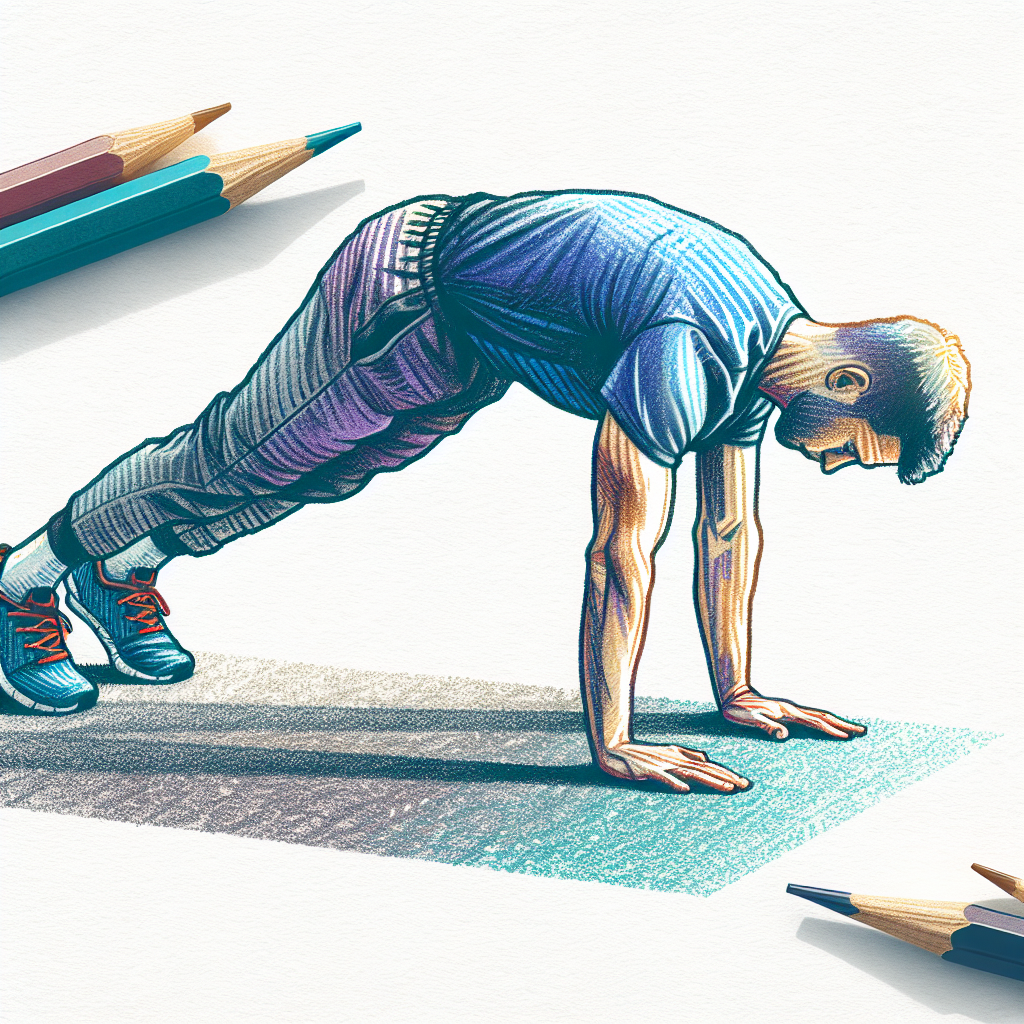
No equipment weight training, also known as bodyweight training, involves using your own body weight as resistance to build muscle and improve fitness. Exercises such as push-ups, squats, lunges, and planks engage multiple muscle groups and can be performed virtually anywhere. This approach not only eliminates the need for physical equipment but also allows for greater flexibility in workout routines, making it accessible for individuals of all fitness levels.
Benefits of Bodyweight Exercise
The advantages of no equipment weight training are numerous. Here are some key benefits:
- Portability: You can work out anywhere—at home, in a park, or while traveling.
- Cost-Effectiveness: No need for gym memberships or purchasing equipment, making it budget-friendly.
- Functional Strength: Exercises replicate natural movements, improving day-to-day functional strength.
- Scalability: Bodyweight exercises can be easily modified to increase or decrease difficulty based on your fitness level.
- Reduced Injury Risk: Lower impact and joint strain compared to some equipment-based exercises.
- Improved Flexibility and Mobility: Many bodyweight exercises enhance flexibility and coordination.
Practical Steps for a Routine
To establish an effective no equipment weight training routine, you can follow these steps:
- Identify Your Goals: Determine what you want to achieve—strength, endurance, weight loss, or overall fitness.
- Establish a Schedule: Commit to a consistent workout routine; consider starting with just six minutes a day for 30 days to see impactful results. For a guided program, you can register for this free 30-day exercise program.
- Choose Your Exercises: Incorporate a variety of bodyweight exercises such as:
- Push-ups
- Bodyweight squats
- Lunges
- Planks
- Burpees
- Warm-Up: Always start with a warm-up to prepare your body for strenuous activity and prevent injuries.
- Cool Down: Incorporate stretching after workouts to enhance recovery and flexibility.
- Monitor Progress: Record your performance to track improvements and adjust the routine as necessary.
When to Consult a Professional
While no equipment weight training is generally safe, there are circumstances when it is essential to seek advice from a qualified professional:
- If you experience persistent pain during exercises
- In case of prior injuries that could impact your routine
- When unsure about the proper form or technique
- If you have pre-existing health conditions that may affect physical activity
- For personalized programming tailored to specific fitness goals
Myths and Misconceptions
Several myths surround no equipment weight training that can mislead individuals. Here are a few common misconceptions:
- Myth 1: Bodyweight training is not effective for building muscle. Reality: When performed correctly with progressive overload, bodyweight exercises can result in significant muscle development.
- Myth 2: You can’t get a good workout without weights. Reality: Many bodyweight exercises are highly effective and can lead to improved strength and endurance.
- Myth 3: Bodyweight workouts lack variety. Reality: There are countless variations and combinations of exercises available to keep routines interesting.
- Myth 4: Only advanced trainers can perform bodyweight exercises. Reality: Many movements can be adapted for all fitness levels, including beginners.
- Myth 5: Bodyweight training is only for weight loss. Reality: It also builds strength, flexibility, and cardiovascular fitness.
Frequently Asked Questions
Can beginners do no equipment weight training?
Absolutely! Bodyweight exercises can easily be modified for beginners to ensure proper form and gradual progression.
How often should I do bodyweight workouts?
Begin with three to four sessions a week, gradually increasing frequency as you build strength and endurance.
Are bodyweight exercises safe for everyone?
Generally, yes. However, individuals with specific health concerns or injuries should consult a healthcare professional before starting a new exercise regimen.
Can I build muscle with only bodyweight exercises?
Yes, when performed with intensity and progression, bodyweight exercises can effectively build muscle and strength.
What is the best bodyweight exercise for beginners?
Push-ups and squats are excellent starting points, as they target major muscle groups and can be modified as needed.
How do I know if I am exercising correctly?
Focus on form and control; consider working with a trainer or using instructional videos to ensure proper technique.
Conclusion
- No equipment weight training is an accessible and effective way to improve fitness.
- Bodyweight exercises offer numerous benefits, including flexibility, portability, and cost-effectiveness.
- Establishing a routine can lead to measurable results in strength and endurance.
- Be aware of the signs that indicate the need for professional guidance.
- Dispelling myths about bodyweight training can encourage more individuals to engage in a sustainable fitness practice.
If you are ready to take your fitness journey to the next level, consider registering for the free 30-day exercise program that requires only six minutes of effort daily for impactful results.
Author: John Angel