
Introduction
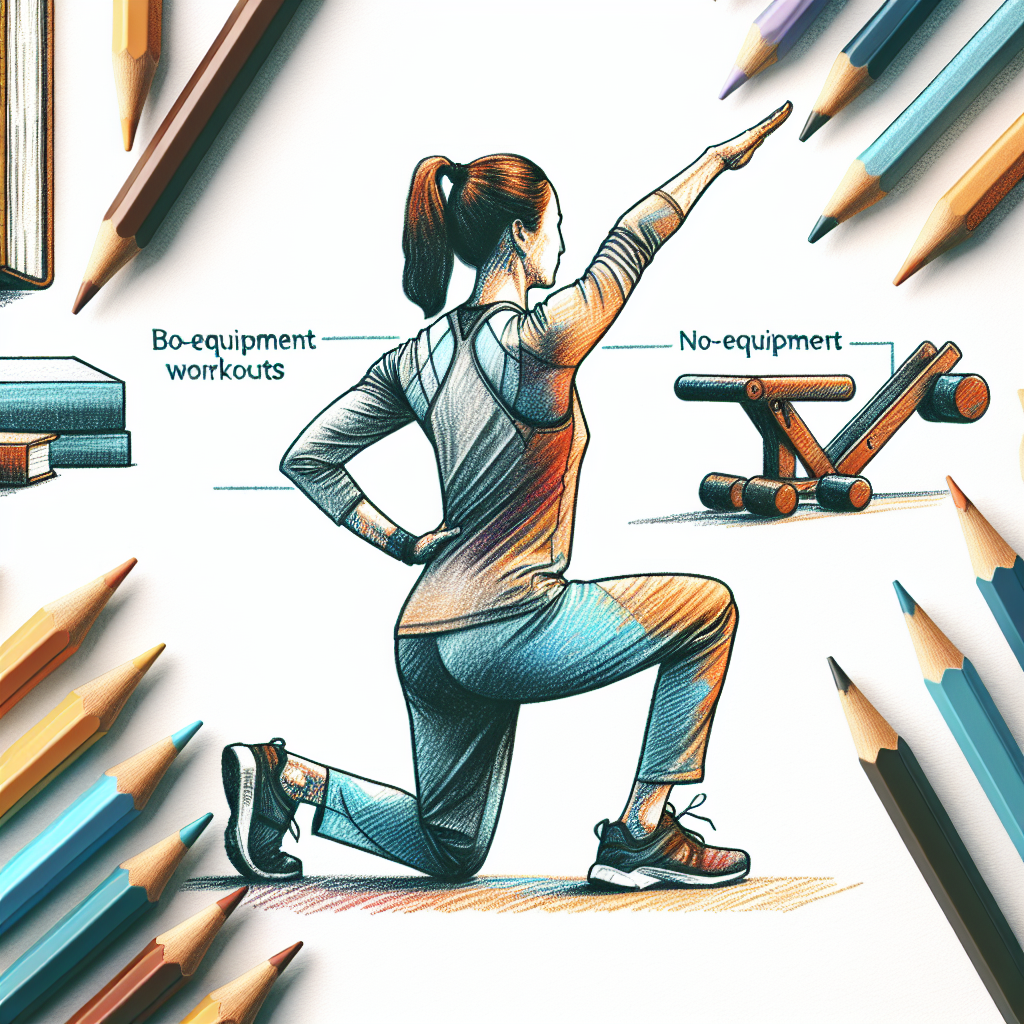
In today’s fast-paced world, maintaining physical fitness can often feel like a daunting task, particularly for those who may have limited access to gym equipment. However, strengthening your back does not necessarily require the use of weights or machines. This article will guide you through effective no-equipment workouts specifically designed to enhance back strength and flexibility. By committing to just six minutes a day through a structured routine, you can improve your posture, alleviate discomfort, and bolster overall physical well-being.
- Understanding the Importance of Back Strength
- No-Equipment Exercises for Back Strength
- Step-by-Step Guidelines for Effective Workouts
- When to Seek Professional Help
- Myths and Misconceptions about Back Workouts
- Frequently Asked Questions
- Conclusion and Call to Action
Understanding the Importance of Back Strength
The back comprises numerous muscles that support daily activities and contribute to overall health. A strong back can significantly improve posture, reduce the risk of injury, and alleviate common problems such as lower back pain. Engaging in regular back workouts helps develop a robust spinal structure, thereby promoting better mobility and physical performance.
No-Equipment Exercises for Back Strength
Below are several no-equipment exercises tailored to strengthen your back muscles effectively:
- Bodyweight Rows: Find a sturdy table or a low bar. Hang underneath with your body straight and pull yourself up until your chest nearly touches the table.
- Superman Exercise: Lie face down with your arms extended. Simultaneously lift your arms, legs, and chest off the ground, holding for a few seconds before lowering back down.
- Plank: Position yourself face down, resting on your forearms and toes. Hold your body in a straight line for 30 seconds to a minute, engaging your core and back muscles.
- Bird-Dog: Start on your hands and knees. Extend one arm forward and the opposite leg backward, holding for a moment before switching sides.
- Cat-Cow Stretch: In a tabletop position, alternate between arching your back (cat) and sinking it (cow) to increase flexibility.
Step-by-Step Guidelines for Effective Workouts
To maximize your results from these no-equipment exercises, follow these steps:
- Start with a brief warm-up involving light stretching to prepare your muscles.
- Perform each exercise for 30 seconds, focusing on form rather than speed.
- Rest for 10-15 seconds between exercises to maintain high quality of movement.
- Repeat the entire circuit two to three times for an efficient workout.
- Consider utilizing a structured program to keep you motivated, such as this 30-day exercise program that consists of only 6 minutes of exercises daily.
When to Seek Professional Help
While many individuals can safely engage in no-equipment workouts, certain situations may require professional guidance. If you experience severe or persistent back pain, dizziness, or discomfort during exercises, it is crucial to consult a healthcare professional. Additionally, if you have had prior injuries or surgeries related to your back, seeking advice from a physiotherapist or a qualified trainer can help tailor an exercise plan suitable for your needs.
Myths and Misconceptions about Back Workouts
Understanding the truth behind common misconceptions can be instrumental in your fitness journey:
- Myth 1: You need heavy weights to strengthen your back. Truth: Bodyweight exercises can effectively build strength without equipment.
- Myth 2: Back workouts are only for bodybuilders. Truth: Everyone, regardless of fitness level, can benefit from back-strengthening exercises.
- Myth 3: Stretching is enough to strengthen the back. Truth: While stretching is important, targeted strength exercises are crucial for optimal back health.
- Myth 4: All exercises are safe for everyone. Truth: Certain movements may not be suitable for those with specific health conditions or injuries.
Frequently Asked Questions
What specific muscles do these exercises target?
These exercises primarily target the latissimus dorsi, trapezius, and lower back muscles, contributing to overall back strength.
How often should I perform these no-equipment exercises?
For optimal results, aim to perform these exercises three to four times a week.
Can I combine these exercises with other workouts?
Yes, you can integrate these exercises into a broader fitness routine, complementing cardiovascular or lower-body workouts.
How can I avoid injury while exercising?
Focus on maintaining proper form, start slowly, and listen to your body. If something feels uncomfortable, stop immediately.
Is it necessary to warm up before starting these exercises?
Yes, warming up prepares your muscles and reduces the risk of injury. A few minutes of light stretching or mobility work is beneficial.
Will I see results quickly?
Consistency is key; while some may notice improvements in a few weeks, significant results typically take at least a month of regular workouts.
Conclusion and Call to Action
- No-equipment workouts can effectively strengthen your back muscles.
- Engaging in regular back exercises enhances overall health and mobility.
- Professional help may be necessary in certain situations to avoid injury.
- Awareness of common myths can improve your understanding of back fitness.
- Consistency and proper form are crucial for achieving results.
By dedicating just a few minutes each day to these exercises, you can establish a solid foundation for back health. Explore a structured routine through this 30-day exercise program, designed to help you stay committed and achieve significant results.
Author: John Angel