
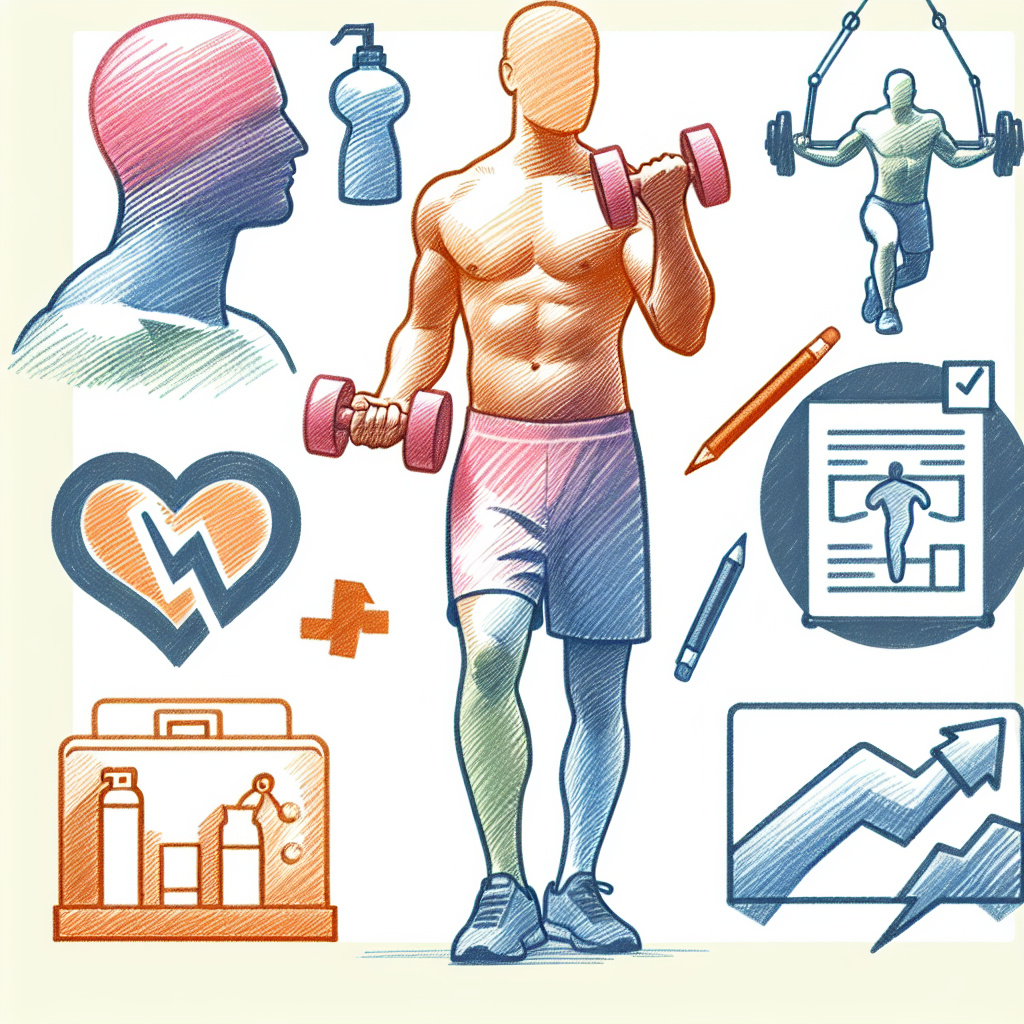
Program Weight Training: A Comprehensive Guide to Your Weight Loss Journey
Weight training holds a pivotal role in the realm of fitness, particularly for those embarking on a weight loss journey. This article will explore the fundamentals of program weight training, emphasizing the unique advantages of short, intense workouts at home. Discover how a mere six minutes of focused effort can yield transformative results in your fitness regime, ensuring that even the busiest of schedules can accommodate a path to vitality.
- Understanding Program Weight Training
- The Benefits of Short Workouts
- Creating Your Weight Training Routine
- Consulting a Professional: When is it Necessary?
- Common Myths and Misconceptions
- Frequently Asked Questions
- Conclusion
Understanding Program Weight Training
At its core, program weight training is a structured approach to resistance exercises that target specific muscle groups, allowing for a balanced and effective workout regimen. Unlike traditional cardio workouts, this style focuses on building muscle strength and endurance, which in turn accelerates metabolism—a crucial component of any successful weight loss journey.
The Benefits of Short Workouts
The allure of short workouts, particularly those that last just six minutes, lies in their ability to fit seamlessly into daily life. Consider the following advantages:
- Time-Efficient: Ideal for those with busy schedules, these workouts require minimal time commitment yet offer maximal benefits.
- High-Intensity Impact: Short bursts of intense activity can elevate heart rate and boost calorie burn, leading to effective fat loss.
- Convenience: Exercises can be performed at home, eliminating the need for gym visits and travel time.
- Flexible Scheduling: Quick workouts can be done at any time of day, allowing for increased consistency.
By participating in a program that emphasizes short, stringent workouts, you empower yourself to achieve considerable gains without the usual time constraints. For an incredible introduction to this concept, consider signing up for the SixPack workout program for 30 days free.
Creating Your Weight Training Routine
When it comes to establishing a weight training program, structure is essential. Here’s a step-by-step guide to help you get started:
- Set Clear Goals: Define what you wish to achieve—be it muscle gain, weight loss, or enhanced fitness levels.
- Choose Your Exercises: Focus on a mix of compound movements (e.g., squats, deadlifts) and isolation exercises (e.g., bicep curls) to maximize efficiency.
- Plan Your Schedule: Aim for at least 2-3 sessions per week, incorporating short but intense workouts for optimal results.
- Monitor Your Progress: Keep track of your weights, reps, and how you feel to make necessary adjustments over time.
- Stay Consistent: Consistency is key to witnessing results; ensure you stick to your routine.
Consulting a Professional: When is it Necessary?
While many individuals can successfully train on their own, there are circumstances when seeking professional advice is advisable:
- Experiencing pain or discomfort during workouts.
- Uncertainty regarding proper form and technique for exercises.
- Making significant changes to your routine or goals.
- Having pre-existing health conditions that may be impacted by weight training.
- Seeking guidance on nutrition and overall fitness strategies.
Common Myths and Misconceptions
Understanding the realities of weight training can help in dispelling prevalent myths:
- Myth 1: Weight training is only for bodybuilders. Truth: Anyone can benefit from weight training, regardless of fitness level.
- Myth 2: Lifting weights will make women bulky. Truth: Building muscle does not equate to bulkiness; it promotes a toned appearance.
- Myth 3: Cardio is more effective for weight loss than lifting weights. Truth: Weight training increases muscle mass, which boosts metabolism for long-term fat loss.
- Myth 4: You must spend hours at the gym to see results. Truth: Short, high-intensity workouts can be equally effective.
- Myth 5: You need expensive equipment. Truth: Bodyweight exercises and simple tools can achieve remarkable results.
Frequently Asked Questions
What can I expect from a six-minute training session?
You can expect an intense workout that raises your heart rate and targets multiple muscle groups, effectively burning calories and improving strength.
Can I lose weight with just weight training?
Yes, weight training can help with weight loss, especially when combined with proper nutrition. It elevates metabolism and increases muscle mass.
How often should I engage in weight training?
Aim to include weight training in your routine 2-3 times per week, adjusting as necessary based on your fitness goals.
Is it okay to weight train every day?
While daily training is possible, it is essential to allow muscle groups to rest to prevent injury. Ensure varied routines to avoid overuse.
Do I need to warm up before my workout?
Yes, warming up is crucial. It prepares your muscles and joints for strenuous activity, reducing the risk of injury.
What should I eat before a workout?
Consume a balanced meal with carbs and protein 1-2 hours prior to your workout to fuel your energy levels.
Conclusion
- Weight training is vital for a successful weight loss journey.
- Short, intense workouts can seamlessly fit into busy schedules.
- Your weight training routine should be structured around your personal goals.
- Consulting a professional is wise if facing challenges or concerns.
- Dispelling myths about weight training can enhance your approach and commitment.
As you begin or continue your weight loss journey, consider the transformative power of six-minute workouts. They not only promote physical change but can also enrich your daily life. For a deeper dive into structured short workouts, register now for the SixPack workout program for 30 days free and experience the benefits of efficient training right at home.
Author: John Angel