Categories
Fitness

Effective Full-Body Strength Workout With No Equipment

Embarking on a fitness journey does not necessitate access to a fully equipped gym. A comprehensive full-body strength workout can be efficiently achieved using only your body weight. This approach not only saves time and money but also builds resilient muscles while enhancing overall fitness. In this article, we will explore a variety of no-equipment exercises that can be seamlessly integrated into your daily routine, providing you with practical advice and guidance.

  • Understanding Bodyweight Training
  • Benefits of Full-Body Strength Workouts
  • Essential Bodyweight Exercises
  • Sample Full Body Workout Routine
  • Common Mistakes to Avoid
  • When to Seek Professional Guidance
  • FAQs
  • Conclusion

Understanding Bodyweight Training

Bodyweight training is a method of exercising that utilizes the weight of your body as resistance. This form of exercise is not only versatile but also adaptable to various fitness levels. It can improve strength, flexibility, and endurance without the need for external weights or machines.

Benefits of Full-Body Strength Workouts

Engaging in full-body strength workouts offers numerous advantages:

  • Time Efficiency: Workouts can be completed in a short duration.
  • Improved Muscle Tone: Engaging multiple muscle groups promotes overall strength.
  • Convenience: No equipment is required, making it accessible for everyone.
  • Reduced Injury Risk: Focus on form and body mechanics lowers injury potential.
  • Boosted Metabolism: Increases calorie burn during and post-exercise.

Essential Bodyweight Exercises

Incorporating a variety of exercises into your routine maximizes muscle engagement:

  • Push-Ups: Targeting the chest, shoulders, and triceps.
  • Squats: Engaging the quadriceps, hamstrings, and glutes.
  • Planks: Strengthening the core and stabilizing muscles.
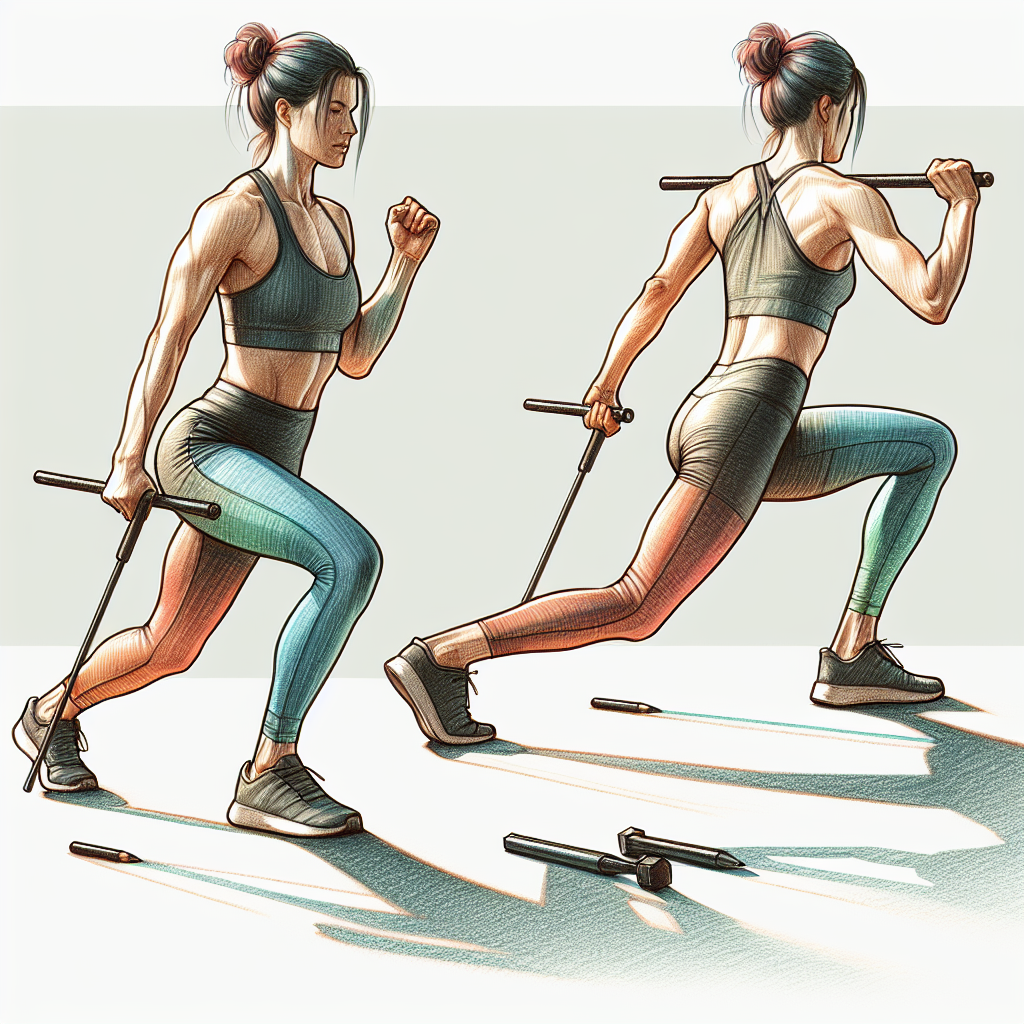
  • Lunges: Developing leg strength and balance.
  • Burpees: A full-body exercise promoting cardiovascular fitness.

Sample Full Body Workout Routine

Here’s a simple, no-equipment workout that can be performed in just 20-30 minutes:

  1. Warm Up: 5 minutes of dynamic stretching or light jogging in place.
  2. Push-Ups: 3 sets of 10-15 repetitions.
  3. Bodyweight Squats: 3 sets of 15-20 repetitions.
  4. Plank: Hold for 30-60 seconds, 3 sets.
  5. Lunges: 3 sets of 10 repetitions per leg.
  6. Burpees: 3 sets of 8-10 repetitions.
  7. Cool Down: 5 minutes of stretching.

For more guidance on effective workouts, consider registering for a 30-day exercise program, where just six minutes daily can yield substantial fitness results.

Common Mistakes to Avoid

When engaging in bodyweight workouts, certain misconceptions can lead to suboptimal results:

  • Neglecting Form: Poor technique can lead to injuries.
  • Skipping Warm-Up: Inadequate preparation increases injury risk.
  • Overtraining: Insufficient recovery time can hinder progress.
  • Ignoring Progression: Failing to increase difficulty when ready limits gains.

When to Seek Professional Guidance

If you experience pain beyond typical muscle soreness, or if you have any pre-existing conditions, it’s imperative to consult a healthcare professional or certified trainer. Indicators that require professional assessment include:

  • Joint pain during exercises
  • Muscle weakness affecting daily activities
  • Persistent fatigue despite adequate rest
  • Any new or unusual symptoms arising during workouts

FAQs

Can beginners perform bodyweight exercises effectively?

Yes, bodyweight exercises are adaptable, allowing beginners to start at their own pace and gradually increase intensity.

How often should I do a full-body workout?

For optimal results, aim for 2-3 full-body workouts per week, allowing at least one rest day in between sessions.

Is it possible to build muscle without weights?

Absolutely! Bodyweight exercises can effectively promote muscle growth, especially when appropriately varied and intensified.

How can I prevent injury during bodyweight workouts?

Focus on maintaining proper form, warming up, and listening to your body to avoid overexertion.

What is the role of nutrition in conjunction with bodyweight training?

A well-rounded diet supports muscle recovery and growth, making it essential to fuel your body adequately.

Can bodyweight workouts be modified for varying fitness levels?

Yes, bodyweight workouts can be easily modified to suit different fitness levels, ensuring accessibility for all individuals.

Conclusion

  • Bodyweight training is effective and accessible to all.
  • Full-body strength workouts save time and can be done anywhere.
  • Incorporating a variety of exercises enhances muscle engagement.
  • Proper technique and progression are crucial for success.
  • Seek professional guidance when necessary to ensure safe practice.

Embrace the myriad benefits of a full-body strength workout without equipment. Start integrating these exercises into your routine today, and consider signing up for the 30-day exercise program to further optimize your fitness journey.

Author: John Angel
Related articles

Categories
Fitness

Effective Home Workouts: Build Muscle Without Equipment

As more individuals seek to enhance their physical fitness without the constraints of a gym membership, the concept of home workouts using no equipment has gained prominence. Not only can bodyweight exercises effectively build muscle, but they also offer the flexibility of time and space, making them ideal for busy lifestyles. In this article, we will explore various bodyweight exercises that can help you achieve remarkable results, alongside practical tips for maximizing your home workout routine.

  • Introduction
  • Benefits of Bodyweight Training
  • Essential Bodyweight Exercises
  • Creating an Effective Home Workout Routine
  • Common Myths and Mistakes
  • When to Consult a Professional
  • FAQs
  • Conclusion

Benefits of Bodyweight Training

Bodyweight training offers numerous advantages for those looking to build muscle at home. Key benefits include:

  • Accessibility: No special equipment is needed, allowing you to exercise anywhere.
  • Flexibility: You can adjust the intensity and duration based on your fitness level and time constraints.
  • Comprehensive Muscle Engagement: Many bodyweight exercises target multiple muscle groups, promoting functional strength.
  • Improved Body Awareness: Without the aid of machines, you learn to control and stabilize your body, enhancing overall performance.

Essential Bodyweight Exercises

Here are some foundational exercises to build muscle at home:

  • Push-Ups: Great for building upper body strength targeting the chest, shoulders, and triceps.
  • Squats: An excellent compound exercise that engages the quadriceps, hamstrings, and glutes.
  • Planks: Effective for building core strength and stability.
  • Lunges: Targeting the legs and glutes while improving balance and coordination.
  • Burpees: A high-intensity move that combines a squat, jump, and push-up, offering cardiovascular and strength-building benefits.

Creating an Effective Home Workout Routine

To maximize the benefits of bodyweight exercises, consider following these steps:

  1. Set Clear Goals: Define what you want to achieve (e.g., muscle gain, improved endurance).
  2. Schedule Your Workouts: Consistency is key; set aside a specific time each day.
  3. Utilize Circuit Training: Combine exercises in a circuit fashion to increase intensity and reduce workout time.
  4. Listen to Your Body: Adapt the workouts based on your current fitness level and energy levels.
  5. Track Your Progress: Keep a record of your workouts and improvements to stay motivated.

For a more structured approach, consider registering for a free 30-day exercise program that requires only 6 minutes of your time each day. This program promises results equivalent to traditional gym workouts. Visit this link to register.

Common Myths and Mistakes

There are several misconceptions surrounding home workouts that can hinder progress:

  • Myth 1: Bodyweight training is ineffective for muscle gain. Fact: Bodyweight exercises can be highly effective; they can be modified for increased intensity and focus on progressive overload.
  • Myth 2: You need to spend hours working out to see results. Fact: Even short, intense workouts can yield significant benefits.
  • Mistake 1: Poor form can lead to injury. Fact: Always prioritize correct technique over quantity.
  • Mistake 2: Neglecting recovery can hinder progress. Fact: Recovery is essential; ensure to incorporate rest days and proper nutrition.

When to Consult a Professional

While many individuals can safely follow home workout routines, certain situations warrant professional guidance:

  • If you have a history of injuries or medical conditions.
  • Experiencing pain beyond normal muscle soreness.
  • Seeking personalized training to achieve specific fitness goals.
  • Feeling uncertain about exercise form or technique.

FAQs

Can I gain muscle with bodyweight exercises alone?

Yes, bodyweight exercises can effectively build muscle, especially if you progressively increase the difficulty.

How often should I work out at home?

For optimal results, aim for at least three to five times per week, including rest days.

Do I need to warm up before my workout?

Yes, warming up helps prevent injuries and improves performance.

Can I lose weight doing bodyweight exercises?

Absolutely! Coupled with a balanced diet, bodyweight workouts can help you lose weight and improve fitness.

How can I modify exercises if they are too difficult?

Consider reducing repetitions, adjusting body angles, or seeking beginner variations of the movements.

Are bodyweight exercises suitable for beginners?

Yes, bodyweight exercises are highly adaptable for all fitness levels, making them ideal for beginners.

Conclusion

  • Bodyweight training provides an effective means to build muscle without equipment.
  • Utilizing foundational exercises can yield significant fitness benefits.
  • Consistency and a structured approach are crucial for successful workouts.
  • It is essential to debunk common myths to fully embrace home training.
  • Do not hesitate to seek professional advice if in doubt concerning your training.

Embracing a routine of bodyweight exercises not only supports muscle growth but also cultivates discipline and accountability. Begin your fitness journey today by exploring how such an approach can transform your health and well-being.

Author: John Angel

Related articles

Categories
Fitness

Effective Bodyweight Exercises for Fitness Without Weights

In today’s fast-paced world, the pursuit of fitness often leads individuals to gyms and weightlifting routines. However, bodyweight exercises provide an equally effective means of achieving physical fitness without the need for weights. These exercises can enhance strength, flexibility, and cardiovascular health, all from the comfort of your home. This article outlines the benefits of weight-free workouts, offers practical guidance, and discusses when it may be necessary to consult a professional about your exercise regimen.

  • Understanding the Benefits of Bodyweight Exercises
  • Effective Bodyweight Exercise Routines
  • Common Myths and Misconceptions
  • When to Consult a Professional
  • Frequently Asked Questions
  • Conclusion and Call to Action

Understanding the Benefits of Bodyweight Exercises

Bodyweight exercises utilize your own weight as resistance, providing numerous advantages:

  • Accessibility: No special equipment is needed; exercises can be performed anywhere.
  • Functional Strength: These workouts promote strength relevant to everyday activities, enhancing overall functionality.
  • Reduced Injury Risk: With a focus on natural body movements, there is a lower likelihood of injury compared to heavy lifting.
  • Adaptability: Exercises can easily be modified to accommodate varying fitness levels.

Effective Bodyweight Exercise Routines

Here are some proven bodyweight exercises to incorporate into your routine:

  1. Push-Ups: Target your chest, shoulders, and triceps. Begin in a plank position, lower your body, and then push back up.
  2. Squats: Strengthen your lower body. Stand with feet shoulder-width apart, lower your hips back and down, and return to a standing position.
  3. Burpees: A full-body exercise enhancing cardiovascular fitness. From standing, drop into a squat, kick your feet back into a plank, return to squat, and jump up.
  4. Planks: This core-strengthening exercise requires you to hold your body in a plank position, engaging your core, shoulders, and glutes.
  5. Lunges: Excellent for leg strength and stability. Step forward with one leg, lower your hips until both knees form a 90-degree angle.
  6. Mountain Climbers: A dynamic exercise to boost your heart rate. From a plank, drive your knees alternately toward your chest.

For a structured program, consider participating in a 30-day exercise regimen where you only exercise for 6 minutes per day but achieve results equivalent to a gym workout. You can register for free at this link.

Common Myths and Misconceptions

Despite the effectiveness of bodyweight exercises, several misconceptions persist:

  • You Can’t Build Muscle Without Weights: While weights are effective, bodyweight exercises can indeed build muscle through progressive overload and increased repetitions.
  • Bodyweight Exercises Are Only for Beginners: These exercises can be scaled for all fitness levels, making them suitable for beginners and seasoned athletes alike.
  • Bodyweight Workouts Are Less Effective: Studies and anecdotal evidence suggest that they can be as effective as traditional weight training in building strength and endurance.

When to Consult a Professional

While many can safely engage in bodyweight exercises, certain symptoms may necessitate professional consultation:

  • If you experience persistent pain during exercise.
  • If you have a history of injuries that may affect your workout regimen.
  • If you are new to exercise and are uncertain about best practices.
  • If you seek tailored advice for specific fitness goals.

Frequently Asked Questions

Can bodyweight exercises help with weight loss?

Yes, these exercises can aid in weight loss, particularly when combined with a balanced diet and consistent activity.

Are bodyweight exercises suitable for all ages?

Generally, yes. However, individuals should consider their fitness level and any existing health concerns.

How often should I perform bodyweight exercises?

Aiming for at least three to four sessions per week is ideal to see significant results.

Can I combine bodyweight exercises with other forms of training?

Absolutely! Combining these exercises with cardio, yoga, or resistance training can provide a balanced fitness approach.

How do I modify bodyweight exercises for greater difficulty?

You can increase the number of repetitions, decrease rest time between sets, or integrate more challenging variations of the exercises.

Is it necessary to warm up before doing bodyweight exercises?

Yes, warming up is crucial to prepare your muscles and joints and reduce the risk of injury.

Conclusion and Call to Action

  • Bodyweight exercises are accessible and effective for various fitness levels.
  • They enhance functional strength and reduce injury risks.
  • Common misconceptions about their effectiveness persist but are largely unfounded.
  • Consult a professional if any concerning symptoms occur during exercise.
  • Consider a structured workout program for guidance and accountability.

Begin your journey to fitness without weights today. For a structured program that works in just 6 minutes a day, register for free at this link.

Author: John Angel

Related articles

Categories
Fitness

Achieve Your Ideal Free Fat Body Weight with Short Workouts

In a world increasingly focused on health and fitness, the journey towards achieving a free fat body weight has garnered significant attention. With the right approach, one can seamlessly integrate effective weight loss strategies into daily life. This blog post will explore practical tips and the transformative power of six-minute workouts that can be performed in the comfort of your home, offering a glimpse into their benefits during a typical day.

  • Understanding Free Fat Body Weight
  • The Role of Short Workouts
  • Benefits of Home Workouts
  • A Step-by-Step Guide to Initiate Your Weight Loss Journey
  • When to Consult a Professional
  • Common Myths About Weight Loss
  • FAQs
  • Conclusion

Understanding Free Fat Body Weight

The term “free fat body weight” refers to the ideal state where one’s body composition minimizes excess fat while maximizing muscle mass. This balance is crucial not only for aesthetic purposes but also for overall health. Maintaining a healthy body weight can lead to reduced risks of chronic diseases, improved mental health, and enhanced physical performance.

The Role of Short Workouts

Many individuals struggle to find the time and motivation to engage in lengthy workout sessions. Short, intense workouts, particularly those lasting only six minutes, provide an efficient solution. These workouts can effectively elevate heart rates, stimulate metabolism, and promote fat loss without requiring extended time commitments.

Benefits of Home Workouts

Home workouts, specifically six-minute routines, carry numerous benefits:

  • Convenience: No need for a gym membership or specialized equipment. All you need is a small space and your body weight.
  • Time Efficiency: Short workouts fit into even the busiest of schedules, making it easier to maintain consistency.
  • Increased Accessibility: Home workouts eliminate barriers such as travel and gym intimidation.
  • Variety: Six-minute routines can easily incorporate different exercises, keeping workouts fresh and engaging.
  • Community Support: Engaging in programs like the 30-day SixPack workout program for free provides interaction and accountability.

A Step-by-Step Guide to Initiate Your Weight Loss Journey

Embarking on a weight loss journey involves a series of strategic steps to achieve free fat body weight:

  1. Set Clear Goals: Define what success looks like to you. Is it a certain weight, body composition, or fitness level?
  2. Establish a Routine: Designate specific times for workouts, ideally incorporating six-minute workouts to prevent burnout.
  3. Adopt a Balanced Diet: Focus on whole foods like fruits, vegetables, lean proteins, and whole grains while staying hydrated.
  4. Track Your Progress: Keep a journal noting your workouts and meals to recognize patterns and areas for improvement.
  5. Stay Motivated: Celebrate small victories and engage with others pursuing similar goals for encouragement.

When to Consult a Professional

While embarking on a weight loss journey is commendable, there are instances when consultation with a healthcare provider or a certified fitness professional becomes paramount:

  • If you have existing health conditions or concerns (e.g., diabetes, heart problems).
  • When experiencing severe pain or discomfort during exercise.
  • If you find it challenging to achieve desired results despite consistent efforts.
  • For personalized dietary or fitness advice, especially if you’re contemplating drastic lifestyle changes.

Common Myths About Weight Loss

Navigating the world of weight loss can be confusing, with numerous myths perpetuating misinformation. Here are a few common misconceptions:

  • Myth 1: You must exercise for hours to lose weight. Fact: Short, high-intensity workouts can be just as effective.
  • Myth 2: Carbs are the enemy. Fact: Balanced intake of healthy carbs is essential for energy and overall health.
  • Myth 3: Weight loss is only about diet. Fact: Exercise plays a crucial role in developing a free fat body weight.
  • Myth 4: Supplements are necessary for weight loss. Fact: A balanced diet typically meets nutritional needs without the need for supplements.

FAQs

What is the quickest way to lose weight?

The quickest way involves a combination of short, high-intensity workouts and a balanced, calorie-deficient diet. However, sustainable weight loss is more important than rapid results.

Can I really achieve weight loss with just six minutes of exercise?

Yes, six-minute workouts can be effective if done with intensity and combined with proper nutrition.

Should I still exercise if I’m not losing weight?

Yes, regular exercise has numerous health benefits beyond weight loss, including improved mood and increased energy levels.

How often should I do six-minute workouts?

Aim for at least 4-5 times a week for optimal results, while allowing rest days to prevent burnout.

Is diet more important than exercise in weight loss?

Both diet and exercise are crucial in achieving free fat body weight; neglecting one can hinder results.

Can I gain muscle while losing fat?

Yes, with a proper strength training regimen and adequate protein intake, it’s possible to gain muscle mass while losing fat.

Conclusion

  • Understanding free fat body weight is vital for health and aesthetics.
  • Short workouts are a practical solution to busy schedules and can enhance fitness.
  • Home workouts offer various benefits, including accessibility and flexibility.
  • Embarking on a weight loss journey necessitates strategic planning and realistic goal setting.
  • Engage with professional resources when health concerns arise to ensure a safe and effective journey.

As you embark on or continue your weight loss journey, remember that short bursts of activity can lead to significant changes. Feel empowered to explore effective six-minute workouts and consider joining the 30-day SixPack workout program for free to kickstart your transformation.

Author: John Angel

Related articles

Categories
Fitness

Effective 30-Minute Weight Workout for Rapid Results

Embarking on a weight loss journey can often feel overwhelming, especially when time is limited. However, a focused 30-minute weight workout can significantly accelerate your results, making it both efficient and effective. By incorporating short workouts into your daily routine, you harness the power of strength training, which not only aids in weight loss but also enhances overall fitness levels. In this article, we will explore how a half-hour weight workout can be integrated seamlessly into your lifestyle, offering practical guidance to make the most of your efforts.

  • Understanding the Benefits of Weight Workouts
  • Structuring a 30-Minute Workout
  • The Science Behind Short Workouts
  • When to Consult a Professional
  • Common Misconceptions about Weight Training
  • FAQs on 30-Minute Workouts
  • Conclusion: Key Takeaways and Next Steps

Understanding the Benefits of Weight Workouts

Weight workouts are fundamental to any effective fitness regimen. The advantages extend beyond mere calorie burning; they include increased muscle mass, enhanced metabolism, and improved functional strength. These benefits contribute significantly to your weight loss journey:

  • Muscle Gain: Engaging in weight training stimulates muscle growth, which in turn boosts your resting metabolic rate.
  • Fat Loss: Increased muscle mass leads to higher energy expenditure, even at rest.
  • Bone Density: Resistance training enhances bone strength and helps prevent osteoporosis.
  • Mood Enhancement: Exercise releases endorphins, improving mood and reducing stress levels.

Structuring a 30-Minute Workout

A well-designed 30-minute workout can be both intense and rewarding. Here’s a simple structure you can follow:

  1. Warm-Up (5 minutes): Engage in dynamic stretches and light cardio to prepare your muscles.
  2. Strength Training (20 minutes): Focus on compound movements that engage multiple muscle groups:
    • Squats
    • Deadlifts
    • Bench Presses
    • Pull-Ups
  3. Cool Down (5 minutes): Incorporate static stretches to promote flexibility and recovery.

The Science Behind Short Workouts

Recent research supports the efficacy of short, high-intensity workouts. Six-minute bursts of activity, when done multiple times throughout the day, can lead to improved cardiovascular health and greater fat loss. The magic of these workouts lies in their ability to integrate seamlessly into daily life, allowing you to maximize productivity while achieving your fitness goals.

When to Consult a Professional

While many individuals can safely engage in weight workouts, there are times when professional guidance is essential:

  • Experiencing persistent pain during exercises.
  • Having underlying health conditions that affect exercise capabilities.
  • Seeking personalized workout plans or nutritional advice.
  • Injury recovery where certain movements need modification.

Common Misconceptions about Weight Training

Despite its benefits, several myths about weight training persist. Understanding these can help you avoid pitfalls in your fitness journey:

  • Myth 1: Lifting weights makes you bulky.
  • Myth 2: Cardio is always better for weight loss.
  • Myth 3: You need to spend hours in the gym to see results.
  • Myth 4: Women should avoid weight training to prevent looking masculine.

FAQs on 30-Minute Workouts

How often should I do a 30-minute weight workout?

For optimal results, aim for at least three to four sessions per week.

Can beginners do 30-minute weight workouts?

Absolutely! Beginners can start with lighter weights and focus on proper form and technique.

Is it possible to lose weight with short workouts?

Yes, especially when combined with a balanced diet, short workouts can lead to significant weight loss.

Do I need special equipment for these workouts?

Basic equipment like dumbbells or resistance bands can be sufficient for effective strength training.

Can I do 30-minute workouts at home?

Yes, many exercises can be performed at home with minimal or no equipment.

What should I do if I feel pain during my workout?

Stop the workout immediately and consult with a professional if pain persists.

Conclusion: Key Takeaways and Next Steps

  • Weight workouts are crucial for effective weight loss and overall fitness.
  • Short, structured 30-minute sessions can yield excellent results.
  • Integrating workouts into daily routines can enhance consistency.
  • Address pain and discomfort with professional help when necessary.
  • Myths about weight training should not deter you from incorporating it into your routine.

Ready to kickstart your fitness journey? Embrace the magic of six-minute short workouts at home and discover significant benefits in your daily life. To find out how you can maximize your efforts, consider registering for the SixPack workout program, available for 30 days free!

Author: John Angel

Related articles

Categories
Fitness

Effective Weight Workout Exercises for Better Health

Embarking on a weight loss journey can be both exhilarating and daunting. Among the various strategies to achieve your fitness goals, weight workouts stand out due to their effectiveness and versatility. This article delves into valuable weight workout exercises that can be integrated into your daily routine, promoting not just weight loss but overall health and well-being.

  • Understanding the Benefits of Weight Workouts
  • Highlighting Effective Weight Workout Exercises
  • Designing Your Short Workouts
  • Common Misconceptions About Weight Training
  • When to Consult a Professional
  • Frequently Asked Questions

Understanding the Benefits of Weight Workouts

Weight workouts offer numerous benefits that are particularly noteworthy in a weight loss journey. One of the most significant advantages is the increase in muscle mass, which boosts your metabolism. This means that even while at rest, your body burns more calories than it would without the added muscle. Additionally, weight training enhances bone density, reduces the risk of injury, and improves overall body composition.

Highlighting Effective Weight Workout Exercises

While there are countless exercises to choose from, a few key movements consistently prove effective. Here are several essential weight workout exercises that can be performed at home or in any gym environment:

  • Squats: Targeting your lower body, squats engage your quads, hamstrings, and glutes. Equip yourself with dumbbells to increase resistance.
  • Push-ups: A classic bodyweight exercise that strengthens your chest, shoulders, and triceps. Modify by elevating your feet or using weights.
  • Deadlifts: Effective for the back and legs, focus on maintaining proper form to avoid injury. Use a barbell or dumbbells for increased weight.
  • Lunges: These not only build strength in the legs but also improve balance. Alternate between forward and reverse lunges for variation.
  • Dumbbell Rows: Develop your back and arms with this compound movement. It can be performed with one or two dumbbells.

Designing Your Short Workouts

In our fast-paced lives, time often feels like a limiting factor. This is where the magic of six-minute short workouts comes into play. By focusing on high-intensity intervals, you can achieve substantial benefits in a minimal amount of time. Consider the following approach to design an effective short workout:

  1. Select 3-4 exercises from the list above.
  2. Perform each exercise for 45 seconds, followed by a 15-second rest.
  3. Repeat the circuit twice for a total of 6 minutes.

For those interested in exploring a structured program, you can register for a 30-day free SixPack workout program which incorporates efficient short workouts designed to fit seamlessly into your routine.

Common Misconceptions About Weight Training

Despite the various benefits of weight workouts, several misconceptions can deter individuals from incorporating them into their fitness routines.

  • Weight Training is Only for Bodybuilders: Many believe weight training is exclusive to those wishing to bulk up. In reality, it is beneficial for all body types and fitness goals.
  • Women Should Avoid Weight Training: This is a prevalent myth. Women can and should engage in weight training, as it promotes fat loss and improves strength.
  • You Need Hours to See Results: Even short workouts can lead to significant progress, particularly when done consistently.

When to Consult a Professional

While weight workouts can be safely performed, certain situations warrant consulting a qualified professional:

  • If you experience persistent pain or discomfort during any exercises.
  • When planning to start a new workout program, especially if you have pre-existing health conditions.
  • If unsure about proper form and technique, as incorrect posture can lead to injuries.

Frequently Asked Questions

What types of weights should I use for a beginner workout?

Beginners can start with light dumbbells—typically ranging from 5 to 15 pounds—allowing for proper technique while avoiding strain.

How often should I incorporate weight workouts into my routine?

Aim for two to three days per week, allowing at least one rest day between sessions for recovery.

Can weight workouts aid in fat loss?

Absolutely! Weight training not only burns calories during the workout but also boosts your metabolism post-exercise.

Do I need a gym to perform weight workouts?

No, many weight workouts can be effectively performed at home using dumbbells or body weight as resistance.

Is warm-up necessary before weight training?

Yes, warming up helps prepare your muscles and reduce the risk of injury. Consider light aerobic activity followed by dynamic stretches.

Can I combine weight workouts with cardio?

Yes, integrating cardio with weight workouts can enhance overall fitness and accelerate weight loss.

Conclusion

  • Weight workouts effectively promote muscle growth and fat loss.
  • Short, high-intensity sessions can fit easily into your busy schedule.
  • Common myths surrounding weight training can deter its practice, but these are largely unfounded.
  • Consulting a professional is crucial when experiencing pain or starting a new program.
  • Being informed and consistent in your workouts can lead to substantial health benefits.

As you embark on your weight loss journey, remember that incorporating weight workout exercises can significantly enhance your progress. Start today by considering a practical program, such as the free 30-day SixPack workout program. It may just be the change you need in your fitness routine.

Author: John Angel

Related articles

Categories
Fitness

Effective Weight Training Programs for Weight Loss

Program Weight Training: A Comprehensive Guide to Your Weight Loss Journey

Weight training holds a pivotal role in the realm of fitness, particularly for those embarking on a weight loss journey. This article will explore the fundamentals of program weight training, emphasizing the unique advantages of short, intense workouts at home. Discover how a mere six minutes of focused effort can yield transformative results in your fitness regime, ensuring that even the busiest of schedules can accommodate a path to vitality.

  • Understanding Program Weight Training
  • The Benefits of Short Workouts
  • Creating Your Weight Training Routine
  • Consulting a Professional: When is it Necessary?
  • Common Myths and Misconceptions
  • Frequently Asked Questions
  • Conclusion

Understanding Program Weight Training

At its core, program weight training is a structured approach to resistance exercises that target specific muscle groups, allowing for a balanced and effective workout regimen. Unlike traditional cardio workouts, this style focuses on building muscle strength and endurance, which in turn accelerates metabolism—a crucial component of any successful weight loss journey.

The Benefits of Short Workouts

The allure of short workouts, particularly those that last just six minutes, lies in their ability to fit seamlessly into daily life. Consider the following advantages:

  • Time-Efficient: Ideal for those with busy schedules, these workouts require minimal time commitment yet offer maximal benefits.
  • High-Intensity Impact: Short bursts of intense activity can elevate heart rate and boost calorie burn, leading to effective fat loss.
  • Convenience: Exercises can be performed at home, eliminating the need for gym visits and travel time.
  • Flexible Scheduling: Quick workouts can be done at any time of day, allowing for increased consistency.

By participating in a program that emphasizes short, stringent workouts, you empower yourself to achieve considerable gains without the usual time constraints. For an incredible introduction to this concept, consider signing up for the SixPack workout program for 30 days free.

Creating Your Weight Training Routine

When it comes to establishing a weight training program, structure is essential. Here’s a step-by-step guide to help you get started:

  1. Set Clear Goals: Define what you wish to achieve—be it muscle gain, weight loss, or enhanced fitness levels.
  2. Choose Your Exercises: Focus on a mix of compound movements (e.g., squats, deadlifts) and isolation exercises (e.g., bicep curls) to maximize efficiency.
  3. Plan Your Schedule: Aim for at least 2-3 sessions per week, incorporating short but intense workouts for optimal results.
  4. Monitor Your Progress: Keep track of your weights, reps, and how you feel to make necessary adjustments over time.
  5. Stay Consistent: Consistency is key to witnessing results; ensure you stick to your routine.

Consulting a Professional: When is it Necessary?

While many individuals can successfully train on their own, there are circumstances when seeking professional advice is advisable:

  • Experiencing pain or discomfort during workouts.
  • Uncertainty regarding proper form and technique for exercises.
  • Making significant changes to your routine or goals.
  • Having pre-existing health conditions that may be impacted by weight training.
  • Seeking guidance on nutrition and overall fitness strategies.

Common Myths and Misconceptions

Understanding the realities of weight training can help in dispelling prevalent myths:

  • Myth 1: Weight training is only for bodybuilders. Truth: Anyone can benefit from weight training, regardless of fitness level.
  • Myth 2: Lifting weights will make women bulky. Truth: Building muscle does not equate to bulkiness; it promotes a toned appearance.
  • Myth 3: Cardio is more effective for weight loss than lifting weights. Truth: Weight training increases muscle mass, which boosts metabolism for long-term fat loss.
  • Myth 4: You must spend hours at the gym to see results. Truth: Short, high-intensity workouts can be equally effective.
  • Myth 5: You need expensive equipment. Truth: Bodyweight exercises and simple tools can achieve remarkable results.

Frequently Asked Questions

What can I expect from a six-minute training session?

You can expect an intense workout that raises your heart rate and targets multiple muscle groups, effectively burning calories and improving strength.

Can I lose weight with just weight training?

Yes, weight training can help with weight loss, especially when combined with proper nutrition. It elevates metabolism and increases muscle mass.

How often should I engage in weight training?

Aim to include weight training in your routine 2-3 times per week, adjusting as necessary based on your fitness goals.

Is it okay to weight train every day?

While daily training is possible, it is essential to allow muscle groups to rest to prevent injury. Ensure varied routines to avoid overuse.

Do I need to warm up before my workout?

Yes, warming up is crucial. It prepares your muscles and joints for strenuous activity, reducing the risk of injury.

What should I eat before a workout?

Consume a balanced meal with carbs and protein 1-2 hours prior to your workout to fuel your energy levels.

Conclusion

  • Weight training is vital for a successful weight loss journey.
  • Short, intense workouts can seamlessly fit into busy schedules.
  • Your weight training routine should be structured around your personal goals.
  • Consulting a professional is wise if facing challenges or concerns.
  • Dispelling myths about weight training can enhance your approach and commitment.

As you begin or continue your weight loss journey, consider the transformative power of six-minute workouts. They not only promote physical change but can also enrich your daily life. For a deeper dive into structured short workouts, register now for the SixPack workout program for 30 days free and experience the benefits of efficient training right at home.

Author: John Angel

Related articles

Categories
Fitness

Effective Weight Lifting at Home for Weight Loss

Embarking on a weight loss journey is often perceived as a daunting task, particularly when it comes to integrating exercise into a busy lifestyle. Weight lifting at home can be a powerful tool for those seeking to shed pounds and build strength without the need for a gym membership. This article delves into the effectiveness of at-home weight lifting for weight loss and how a simple routine can transform your day-to-day life.

  • The Benefits of Weight Lifting at Home
  • Creating a Sustainable Workout Routine
  • The Power of Short Workouts
  • Common Myths about Weight Lifting
  • When to Consult a Professional
  • FAQs

The Benefits of Weight Lifting at Home

Weight lifting is not just about building muscle; it is also an effective means of enhancing your metabolic rate, making it an ideal choice for those on a weight loss journey. The convenience of exercising at home eliminates barriers such as travel time, membership fees, and gym intimidation. You can create an environment conducive to focus and progress.

Some of the specific benefits include:

  • Increased Muscle Mass: Weight lifting promotes the development of lean muscle tissue, which burns more calories than fat even at rest.
  • Improved Mood: Engaging in weight training releases endorphins, enhancing your mental well-being.
  • Flexibility: At-home workouts allow for a greater range of motion in tailoring your exercise plan specifically to your needs.
  • Time Efficiency: Fitting in weight lifting amidst a busy schedule is more feasible when you can perform workouts at home.

Creating a Sustainable Workout Routine

To maximize the advantages of weight lifting, it’s crucial to establish a routine that fits seamlessly into your lifestyle. Here’s how:

  1. Set Realistic Goals: Ensure your weight loss objectives are attainable. Instead of aiming to lose a large number of pounds quickly, consider a steady weekly target.
  2. Choose Your Equipment Wisely: Basic items such as dumbbells, resistance bands, or even bodyweight exercises can be remarkably effective.
  3. Schedule Your Workouts: Treat your workout times as appointments. Choose days and times you can consistently stick to.
  4. Variety is Key: Incorporate different exercises to prevent boredom and work various muscle groups effectively.
  5. Track Your Progress: Keep a journal or use an app to monitor your workouts and evaluate your improvements over time.

The Power of Short Workouts

One of the most compelling aspects of home weight lifting is the ability to utilize short, six-minute workouts that fit into any schedule. These “micro” workouts can be surprisingly effective in promoting weight loss and increasing strength. By focusing on high-intensity routines, you can burn significant calories within a short period.

The beauty of these short bursts of exercise lies in their accessibility. You can integrate them throughout your day—during a lunch break, while waiting for dinner to cook, or even between tasks. This approach enhances your likelihood of adhering to your weight loss journey by making exercise feel less burdensome.

If you’re interested in exploring structured workouts, consider the SixPack workout program, where you can register for 30 days for free and experience the magic of targeted short workouts designed for maximum effectiveness.

Common Myths about Weight Lifting

Myths surrounding weight lifting, particularly regarding weight loss, can be misleading and may deter individuals from incorporating this form of exercise into their routines. Here are some prevalent misconceptions:

  • Myth: Lifting weights makes you bulky: This is a common fear, especially among women. However, weight lifting generally leads to a leaner physique, especially when paired with a calorie deficit.
  • Myth: You need expensive equipment: Bodyweight exercises or minimal equipment can yield significant results.
  • Myth: Cardio is the only way to lose weight: While cardiovascular exercise is beneficial, combining it with weight lifting can optimize fat loss and muscle growth.
  • Myth: Weight lifting is only for young people: People of all ages can benefit from weight lifting; adjustments can be made based on individual health and fitness levels.

When to Consult a Professional

While weight lifting is a generally safe exercise form, there are instances when seeking professional guidance is advisable. Consider consulting a qualified fitness professional or healthcare provider if:

  • You have existing health conditions that may restrict your ability to lift weights.
  • You experience pain or discomfort that does not subside with rest.
  • You are unsure about how to perform exercises safely to avoid injury.
  • You seek a personalized program tailored to your specific needs.

FAQs

Is weight lifting effective for weight loss?

Yes, weight lifting can significantly aid in weight loss by increasing muscle mass, which in turn boosts metabolism.

How often should I lift weights at home?

Aim for at least two to three sessions per week, focusing on different muscle groups for a balanced approach.

Can I lose weight without cardio?

Yes, you can lose weight through strength training alone, especially when combined with a proper diet.

What equipment do I need to start weight lifting at home?

Basic equipment like dumbbells, resistance bands, or even your body weight will suffice for effective workouts.

What should I eat to complement my weight lifting routine?

Focus on whole foods, incorporating a mix of proteins, carbohydrates, and healthy fats to support your workouts.

Do I need to warm up before lifting weights?

Yes, a proper warm-up is crucial to prepare your body and prevent injuries.

Conclusion

  • Weight lifting at home offers an effective solution for weight loss.
  • Short workouts can conveniently fit into your daily life.
  • Addressing myths can empower you to engage confidently in weight lifting.
  • Establishing a regular routine enhances the likelihood of achieving your weight loss goals.
  • Consulting a professional can provide personalized guidance when necessary.

In embarking on this transformative weight loss journey, consider integrating weight lifting at home into your routine. For structured guidance, remember to register for 30 days for free with the SixPack workout program and unlock the potential of effective, brief workouts tailored to your journey.

Author: John Angel

Related articles

Categories
Fitness

30-Day Strength Training Program for Effective Weight Loss

Embarking on a weight loss journey can be daunting yet exhilarating. A key element that contributes to success in such a journey is a structured and effective strength training program. This article introduces a comprehensive 30-day strength training program designed to enhance your physical fitness while integrating seamlessly into your daily routine. Furthermore, discover the magic of brief six-minute workouts that can be done at home, helping you optimize your exercise time and results.

  • Introduction
  • The Importance of Strength Training
  • Overview of the 30-Day Program
  • Benefits of Short Workouts
  • Implementing the Program
  • When to Seek Professional Guidance
  • Common Myths Dispelled
  • Frequently Asked Questions
  • Conclusion

The Importance of Strength Training

Strength training is a fundamental component of a comprehensive fitness routine, particularly for those on a weight loss journey. Engaging in regular strength exercises not only accelerates fat loss but also enhances muscle tone, boosts metabolism, and improves overall physical strength. Additionally, it provides lasting benefits by fortifying bones, reducing injury risks, and boosting mental well-being. As you build muscle, you also cultivate a fitness foundation that supports long-term health objectives.

Overview of the 30-Day Program

This 30-day strength training program has been meticulously structured to progressively challenge your body while ensuring that you do not feel overwhelmed. Each week’s focus varies to include different muscle groups, balancing strength, endurance, and flexibility. Here’s an overview of what to expect:

  • Week 1: Introduction to basic movements
  • Week 2: Building endurance with compound exercises
  • Week 3: Incorporating resistance for increased intensity
  • Week 4: Mastering complex movements and functional fitness

To make this journey even more accessible, sign up for the SixPack workout program for 30 days for free.

Benefits of Short Workouts

The magic of six-minute short workouts at home lies in their ability to fit into even the busiest schedules. These brief yet impactful sessions allow you to focus intensely on particular muscle groups or cardiovascular fitness without requiring a significant time commitment. The benefits include:

  • Efficiency: Six-minute workouts maximize your effort, providing you with a powerful session that can be easily completed during breaks or while multitasking.
  • Enhanced Consistency: Short durations make it easier to commit to a workout, promoting a habit of regular exercise.
  • Accessibility: These workouts can be performed at home without needing extensive gym equipment, making health and fitness more attainable.
  • Quick Recovery: Less strenuous than longer sessions, short workouts reduce the likelihood of fatigue and encourage regular participation.

Implementing the Program

To successfully implement this 30-day strength training program, follow these steps:

  1. Set Clear Goals: Define what you hope to achieve at the end of the 30 days, whether weight loss, increased strength, or improved overall fitness.
  2. Create a Schedule: Dedicate specific days and times for working out to establish a routine.
  3. Gather Equipment: Although many exercises require minimal or no equipment, consider having dumbbells, resistance bands, or yoga mats available.
  4. Track Progress: Document your workouts and fitness milestones; tracking serves as motivation and accountability.
  5. Listen to Your Body: Adjust the intensity based on how you feel. Allow recovery days if needed.

For added convenience and guidance, consider registering for the SixPack workout program for 30 days for free.

When to Seek Professional Guidance

If you experience persistent pain or discomfort during or after your workouts, it is crucial to consult a qualified fitness professional or physician. Other situations that warrant professional consultation include:

  • Pre-existing health conditions that may be aggravated by physical activity.
  • Concerns about injury recovery.
  • Questions regarding the suitability of specific exercises or adaptations for your body type.

Common Myths Dispelled

As with many fitness topics, misconceptions about strength training abound. Here are a few common myths and the truths dispelling them:

  • Myth: Strength training is only for bodybuilders. Truth: Strength training is beneficial for everyone, regardless of body type or fitness goal.
  • Myth: Lifting weights makes you bulky. Truth: Proper strength training leads to lean muscle development rather than bulk.
  • Myth: You should only lift weights for weight loss. Truth: A combination of strength training and cardio will yield the best results.

Frequently Asked Questions

What can I expect from a 30-day strength training program?

You can expect improvements in muscle strength, endurance, and overall fitness levels, along with potential weight loss if combined with a healthy diet.

How often should I perform strength workouts?

Aim for three to four sessions per week to allow muscle recovery and growth.

Do I need special equipment for this program?

No special equipment is necessary, although weights and resistance bands can augment your workouts.

Can I do strength training at home?

Yes, much of the strength training can be done at home using bodyweight exercises or minimal equipment.

What if I’m a beginner?

Starting with basic movements and focusing on proper form is essential. Progress at your own pace and gradually increase intensity as you become more comfortable.

Is it too late to start strength training?

Absolutely not! Strength training can benefit individuals of all ages, and it’s never too late to begin.

Conclusion

  • Strength training is essential for effective weight loss and overall fitness.
  • The 30-day program is designed to be accessible and beneficial for all fitness levels.
  • Short, six-minute workouts make it easy to integrate fitness into a busy lifestyle.
  • Consult a professional if you have health concerns or experience pain.
  • Dispelling myths can encourage more people to embrace strength training as part of their routines.

Are you ready to embark on your strength training journey? Take your first step today by joining the SixPack workout program for 30 days for free and discover the empowering world of fitness!

Author: John Angel

Related articles

Categories
Fitness

Effective Strength Training Program for Weight Loss

Unlocking the Potential of a Strength Training Program

Embarking on a strength training program can quite literally transform your weight loss journey. With just six minutes a day, you can harness the combined power of resistance training and fat burning, leading not only to a healthier body but also to enhanced physical and mental well-being. This article delves into the key components of an effective strength training program while highlighting the unique benefits of short, intense workouts that you can perform right in the comfort of your home.

  • Understanding Strength Training
  • Benefits of Short Workouts
  • Crafting Your Strength Training Program
  • Professional Guidance: When to Seek Help
  • Debunking Common Misconceptions
  • Frequently Asked Questions
  • Conclusion

Understanding Strength Training

Strength training involves engaging in exercises that improve muscular strength and endurance. Whether by lifting weights, using resistance bands, or performing bodyweight exercises, the goal is to create resistance against your muscles. This resistance helps to develop muscle mass, which, in turn, elevates your metabolism and promotes fat loss.

Benefits of Short Workouts

In an age where time is precious, the magic of six-minute workouts comes to the forefront. These brief but intense bursts of exercise can seamlessly fit into even the busiest of schedules. Not only do they require minimal time commitment, but studies show that short, high-intensity workouts can be remarkably effective. The benefits include:

  • Increased Metabolism: Six minutes of strength training can boost your metabolism, aiding in weight loss.
  • Enhanced Energy Levels: Short workouts are effective at elevating your mood and giving you lasting energy throughout the day.
  • Convenience: Perform them anytime, anywhere—eliminating excuses.
  • Accessibility: No gym membership or specialized equipment is required—ideal for home workouts.

These benefits collectively contribute to advancing your weight loss journey, making it more achievable and enjoyable.

Crafting Your Strength Training Program

Designing an engaging and effective strength training program is crucial for sustained progress. Here are the key steps to create your personalized program:

  1. Set Clear Goals: Determine whether your focus is on weight loss, muscle gain, or improving endurance.
  2. Choose the Right Exercises: Incorporate exercises that target major muscle groups, such as squats, lunges, push-ups, and planks.
  3. Plan Your Schedule: Dedicate specific days and times to workouts, keeping the sessions short—ideally around six minutes.
  4. Track Your Progress: Keeping a record will motivate you to push through plateaus and celebrate your achievements.
  5. Adjust as Necessary: Be flexible and increase intensity or change exercises based on your progress and comfort level.

Remember, consistency is more important than quantity in nurturing a successful strength training program.

Professional Guidance: When to Seek Help

While embarking on a strength training journey is rewarding, there are instances where professional guidance may be prudent. Consult a fitness professional or healthcare provider if you:

  • Experience pain or discomfort that inhibits your exercise.
  • Have pre-existing health conditions or recent surgeries.
  • Are unfamiliar with proper form or technique for exercises.
  • Struggle to develop a balanced program.

Expert guidance can ensure that your training is safe and tailored to your unique needs.

Debunking Common Misconceptions

Strength training, particularly at home, is often surrounded by myths that can discourage individuals from pursuing this beneficial practice. Here are a few common misconceptions:

  • Myth #1: Strength training inevitably leads to bulkiness. Fact: With the right program, you can achieve strength without increased size.
  • Myth #2: Short workouts are ineffective. Fact: Short, intense workouts can be incredibly effective when done correctly.
  • Myth #3: You need a gym to perform strength training. Fact: Bodyweight exercises can provide resistance and are often sufficient for beginners.
  • Myth #4: Rest days are unnecessary. Fact: Recovery is essential for muscle growth and injury prevention.

Understanding these myths can empower you to fully embrace your strength training program and enhance your overall fitness journey.

Frequently Asked Questions

What are the best exercises for beginners in strength training?

For beginners, bodyweight exercises like squats, push-ups, and lunges are excellent as they build a foundation of strength without the risk of injury from heavy weights.

How often should I do strength training for weight loss?

It is recommended to engage in strength training at least two to three times a week, incorporating sufficient rest days for optimal recovery.

Can I combine strength training with cardio exercise?

Absolutely! Combining strength training with cardiovascular exercises can produce exceptional results, aiding both muscle development and fat loss.

Are six-minute workouts sufficient for weight loss?

Yes, six-minute workouts can be effective if performed at high intensity. They can help boost metabolic rate and support weight loss efforts.

Do I need special equipment for strength training at home?

No, many effective strength training exercises can be done with just your body weight. However, resistance bands and light weights can enhance your workouts.

Is it necessary to warm up before starting a workout?

Yes, performing a warm-up is essential to prepare your muscles and joints, reducing the risk of injury during your training.

Conclusion

  • Strength training is vital for enhancing muscle mass and metabolism.
  • Short, six-minute workouts can fit easily into your daily schedule.
  • A well-structured program will ensure consistent progress.
  • Professional guidance may be beneficial for addressing specific health concerns.
  • Dispelling myths around strength training can empower you to pursue your fitness goals with confidence.

As you embark on your strength training program, consider joining the SixPack workout program for 30 days for free. Transform your workouts, enhance your health, and embrace a renewed sense of well-being.

Author: John Angel

Related articles

Website analytics information

We use Google Analytics 4 for visitor statistics. Analytics cookies require your consent, which you can change using the button above. The data controller is ZDRAVÍ S ÚSMĚVEM s.r.o., company ID 29283329, contact podpora@revolucnicviceni.cz. Google processes browser, device and page visit information. We do not send form field values to Analytics. How Google uses information · Google Privacy Policy.