
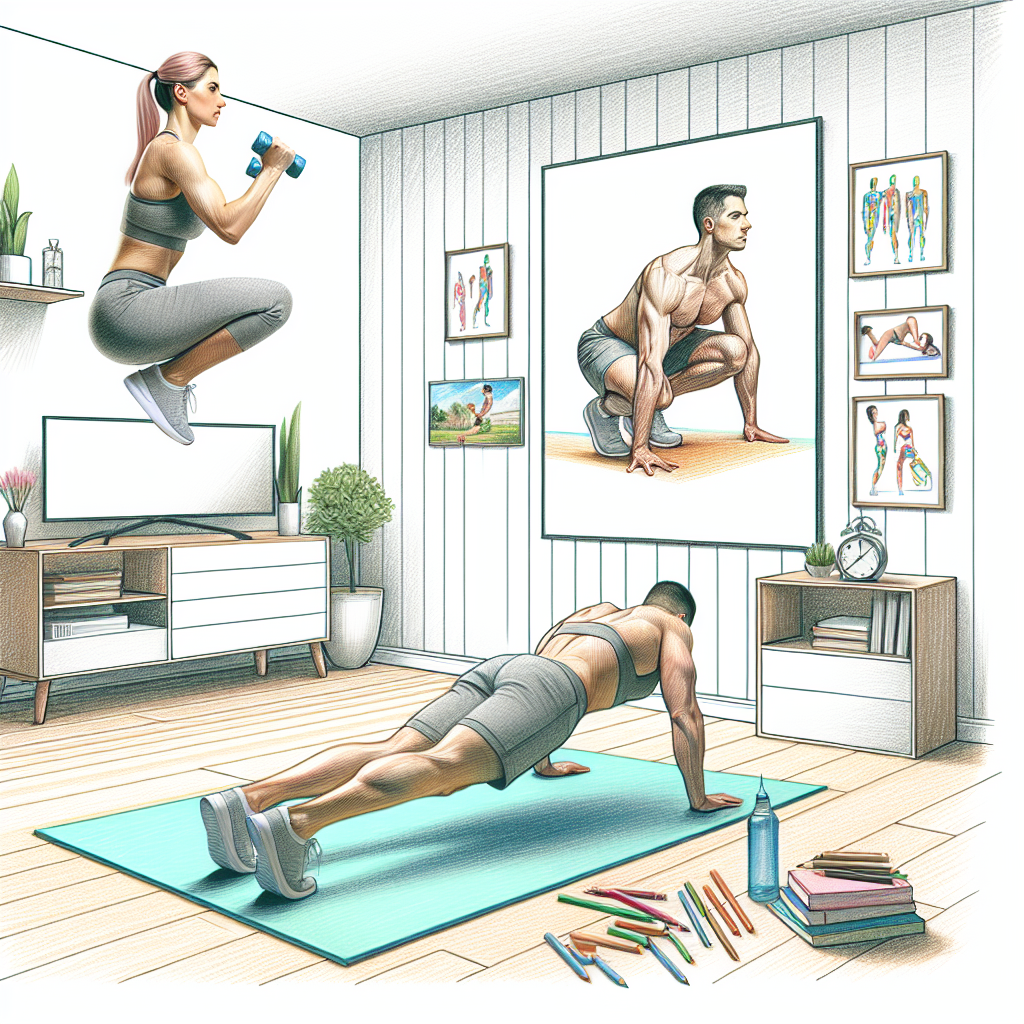
Simple Home Workout: No Equipment Required
In today’s fast-paced world, finding time for fitness often poses a challenge. Fortunately, effective workouts can be achieved with minimal or no equipment, making it easier for anyone, regardless of their fitness level, to stay active. This article explores simple home workouts that require no special gear, allowing you to enhance your physical health without the need for a gym membership.
- Understanding the Benefits of No-Equipment Workouts
- Creating Your Home Workout Environment
- Simple Exercises for an Effective Routine
- Tips for Sticking to Your Routine
- When to Consult a Professional
- Common Myths Surrounding Home Workouts
- Frequently Asked Questions
Understanding the Benefits of No-Equipment Workouts
Home workouts without equipment provide numerous advantages. They are cost-effective, highly accessible, and flexible, allowing you to integrate exercise into your daily schedule. Furthermore, they enable a sense of autonomy, empowering you to design a routine that aligns with your personal fitness goals. With consistent practice, individuals often experience improved cardiovascular health, enhanced strength, and increased flexibility.
Creating Your Home Workout Environment
Your workout environment plays a crucial role in your exercise effectiveness. Follow these guidelines to optimize your home space:
- Select a dedicated area free from distractions.
- Ensure proper ventilation and lighting.
- Use a mat or towel for comfort during floor exercises.
- Keep a water bottle handy for hydration.
Simple Exercises for an Effective Routine
Engaging in a variety of exercises targeting different muscle groups helps maintain balance and prevent monotony. Below is a selection of uncomplicated exercises you can incorporate into your routine:
- Bodyweight Squats: Stand with feet shoulder-width apart and bend your knees to lower your body as if sitting in a chair. Keep your back straight and return to the starting position.
- Push-Ups: Begin in a plank position, lower your body until your chest nearly reaches the floor, and push back up. Beginners may modify by performing push-ups on their knees.
- Planks: Lie face down, raise your body on your forearms and toes, and hold the position while maintaining a straight line from head to heels.
- Lunges: Step forward with one leg, bending both knees to lower your hips until the back knee almost touches the floor. Alternate legs.
- Bicycle Crunches: Lie on your back, lift your legs to a 90-degree angle, and alternate bringing opposite elbows to your knees while straightening the other leg.
For a structured and time-efficient routine, consider participating in a 30-day exercise program where you exercise for just 6 minutes a day and achieve remarkable results. Register here for free.
Tips for Sticking to Your Routine
Establishing a consistent workout routine can be challenging. Here are some strategies to help you maintain your commitment:
- Set achievable goals and track your progress.
- Choose a specific time for your workouts each day.
- Create a motivational playlist to enhance your experience.
- Consider enlisting a friend for accountability
- Celebrate your accomplishments, no matter how small.
When to Consult a Professional
While home workouts can be beneficial, it is important to recognize when to seek professional guidance. If you experience persistent pain, discomfort, or notice a lack of progress in your fitness journey, consulting a healthcare or fitness professional is advisable. They can provide personalized advice and ensure that your workout regimen is suitable for your individual health status.
Common Myths Surrounding Home Workouts
There are several misconceptions about home workouts that may deter individuals from starting their fitness journey. Here are a few commonly held beliefs:
- Myth 1: You need expensive equipment to get fit.
- Myth 2: Home workouts are less effective than gym workouts.
- Myth 3: Only high-intensity workouts yield results.
- Myth 4: You must spend hours at the gym to see progress.
Frequently Asked Questions
Can I get fit without going to the gym?
Yes, home workouts can be highly effective in improving fitness levels if performed consistently and strategically.
How long should my home workout be?
Depending on your fitness level, even 15-30 minutes can provide substantial benefits if you maintain intensity and focus.
Is it possible to lose weight with home workouts?
Yes, weight loss can occur through caloric deficit achieved by a combination of exercise and healthy dietary choices.
Are bodyweight exercises sufficient for building muscle?
Bodyweight exercises can effectively build strength and muscle when performed with proper technique and progression.
How can I stay motivated to workout at home?
Setting clear goals, tracking your progress, and mixing up your routine can help maintain motivation.
What if I’m a beginner or returning to exercise?
Start with simpler exercises, focus on form, and gradually increase intensity to avoid injury.
Conclusion
- No equipment workouts are accessible and effective for various fitness levels.
- Establishing a dedicated workout space can enhance your exercise experience.
- Incorporating a variety of exercises can lead to comprehensive strength and fitness.
- Maintaining your routine becomes easier with strategic goal-setting and accountability.
- Professional advice may be necessary if you encounter persistent issues or concerns.
Embarking on a home workout journey requires minimal investment and can yield substantial rewards. Consider registering for a personalized 30-day program where you only need 6 minutes a day for significant results. Sign up today!
Author: John Angel