
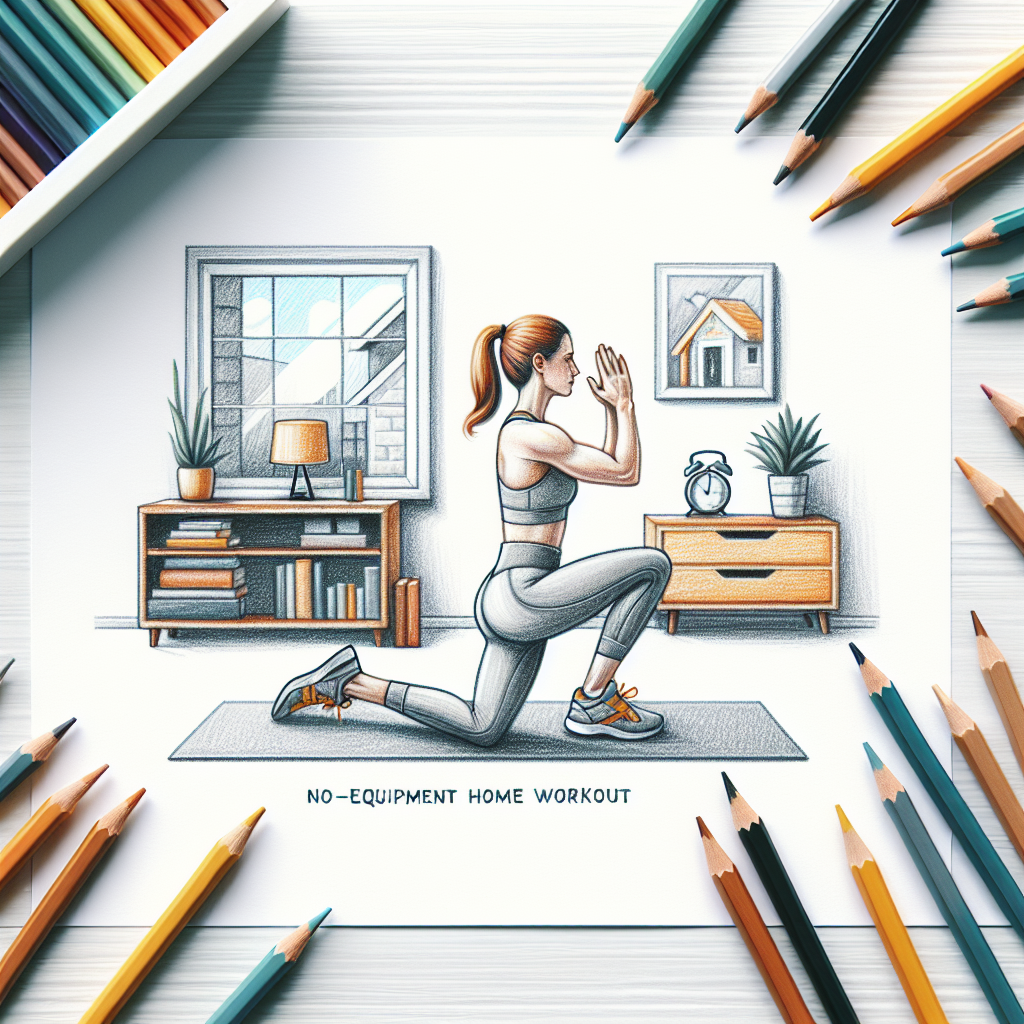
In today’s fast-paced world, finding time for fitness can be a challenge. A workout routine at home that requires no equipment offers an effective and accessible solution. Such a routine can lead to significant health benefits, improving strength, flexibility, and overall well-being while fitting seamlessly into your daily schedule. This article explores an effective no-equipment workout routine that anyone can do at home, along with essential tips, common misconceptions, and when to consult a professional.
- Understanding the Basics of Home Workouts
- Essential Components of a Home Workout Routine
- Sample No-Equipment Workout Routine
- When to Consult a Professional
- Common Myths and Mistakes
- FAQs
- Conclusion and Call to Action
Understanding the Basics of Home Workouts
Home workouts have surged in popularity, primarily due to their convenience and the ability to customize routines to fit personal needs. Unlike gym workouts, home routines eliminate the necessity for specialized equipment, allowing individuals to leverage their body weight for strength training. This can be highly effective for building muscular endurance and promoting agility.
Essential Components of a Home Workout Routine
A well-rounded workout includes several key components:
- Warm-Up: Preparing your body for exercise is critical to prevent injury. Simple movements like jumping jacks, leg swings, and arm circles can elevate your heart rate.
- Strength Training: Bodyweight exercises like push-ups, squats, and lunges help in building muscle without equipment.
- Cardiovascular Training: High-Intensity Interval Training (HIIT) can be incorporated through bursts of activity such as burpees or running in place.
- Flexibility and Cool Down: Stretching exercises can improve flexibility and reduce muscle tension post-workout.
Sample No-Equipment Workout Routine
Below is a simple yet effective 20-minute workout regime that can be performed at home without any equipment. It incorporates strength and cardiovascular elements.
- Warm-Up (3 minutes):
- Jumping Jacks – 1 minute
- Arm Circles – 1 minute
- Leg Swings – 1 minute
- Strength Training (10 minutes):
- Push-Ups – 3 sets of 10
- Bodyweight Squats – 3 sets of 15
- Lunges – 3 sets of 10 per leg
- Cardio Burst (5 minutes):
- High Knees – 30 seconds
- Rest – 15 seconds
- Burpees – 30 seconds
- Rest – 15 seconds
- Cool Down and Stretch (2 minutes):
- Forward Bend Stretch – 30 seconds
- Quad Stretch – 30 seconds per leg
For those seeking a quick yet effective routine, consider exploring a unique program where you exercise just 6 minutes each day but achieve gym-like results. You can register for a free 30-day exercise program here.
When to Consult a Professional
While home exercises can be beneficial, certain circumstances necessitate professional advice. If you experience:
- Persistent pain during or after exercise
- Difficulty performing simple movements
- A history of previous injuries or medical conditions
- Feeling dizzy or unusually fatigued during workouts
In such cases, it is advisable to consult a healthcare professional or a certified fitness trainer to ensure a safe approach to your fitness journey.
Common Myths and Mistakes
Several misconceptions surround home workouts that can deter individuals from starting or continuing their fitness journey:
- Myth 1: You need expensive equipment to get fit. In reality, bodyweight exercises can be highly effective.
- Myth 2: Longer workouts yield better results. Efficient short workouts can lead to significant benefits when done consistently.
- Myth 3: Only cardio helps you lose weight. Strength training plays an essential role in boosting metabolism.
- Mistake: Skipping warm-ups. This step is crucial for injury prevention.
FAQs
1. Can I build muscle without weights?
Yes, bodyweight exercises like push-ups and squats effectively build muscle strength.
2. How often should I work out at home?
It is generally recommended to exercise at least 3 to 5 times a week for optimal benefits.
3. Are home workouts as effective as gym workouts?
With the right routine, home workouts can be just as effective, especially with bodyweight exercises and HIIT.
4. Do I need to warm up before home workouts?
Yes, warming up helps prepare your body and reduces the risk of injury.
5. Is it normal to feel sore after working out?
Some muscle soreness is normal, especially when starting a new routine, but it should not be severe.
6. What should I do if I cannot complete the workout?
Listen to your body; it’s okay to take breaks or modify exercises to suit your fitness level.
Conclusion and Call to Action
- Home workouts are effective and customizable to suit individual needs.
- Incorporating a variety of exercises promotes overall fitness.
- Understanding when to seek professional advice can prevent injuries.
- Dispelling common myths helps individuals embark on their fitness journey confidently.
- A consistent routine, even for just 6 minutes daily, can yield significant results.
Consider incorporating these workouts into your daily routine and explore the free 30-day exercise program for an additional structured approach to home fitness. Start your transformation today!
Author: John Angel