
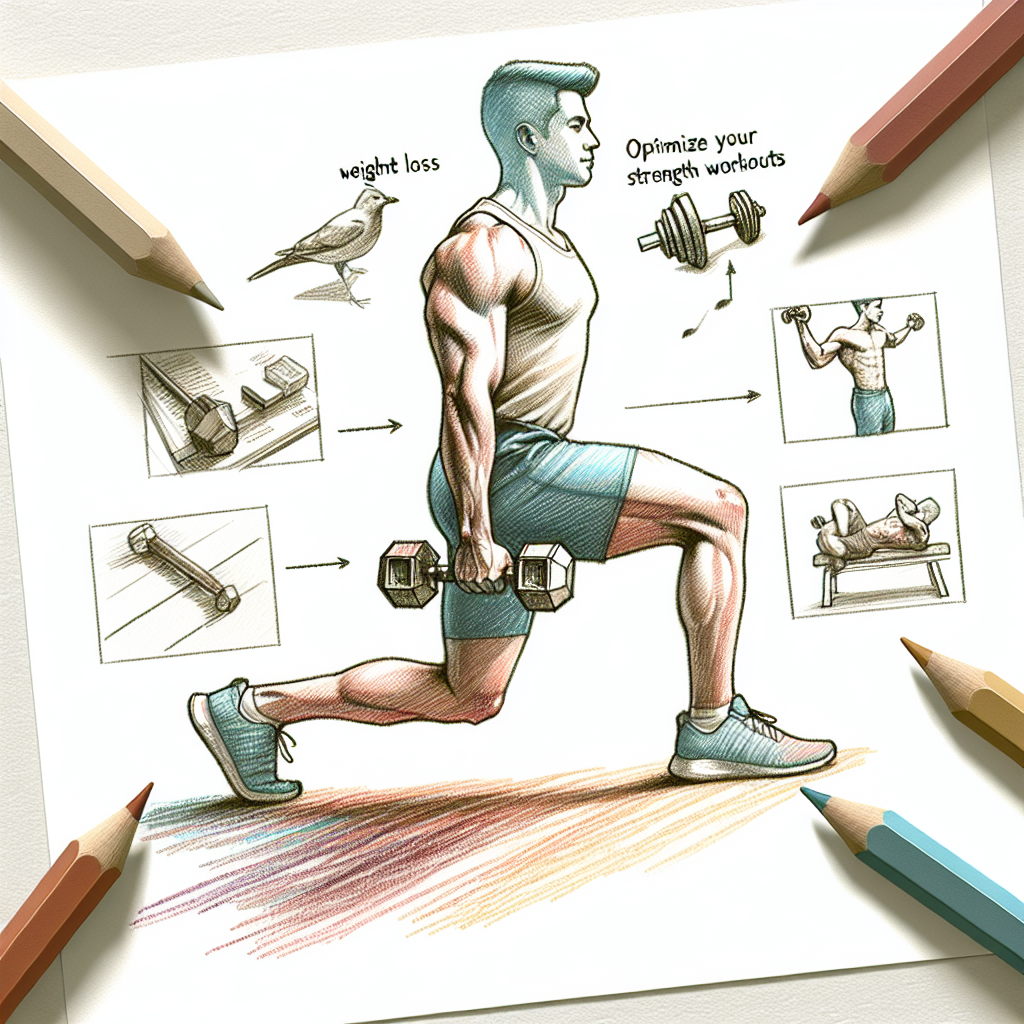
In today’s fast-paced world, balancing a rigorous schedule with fitness can be challenging. Strength workouts serve as a powerful solution, particularly for those on a weight loss journey. Embracing short, effective sessions can lead to significant mental and physical transformations. This article will delve into the magic of six-minute strength workouts and how they can seamlessly integrate into your daily routine.
- Understanding Strength Workouts
- The Benefits of Six-Minute Workouts
- Creating a Daily Routine
- Practical Steps for Effective Workouts
- When to Consult a Professional
- Common Misconceptions about Strength Training
- Frequently Asked Questions
- Conclusion and Next Steps
Understanding Strength Workouts
Strength workouts encompass exercises designed to improve muscular strength and endurance. These routines often utilize weights, resistance bands, or body weight to challenge the muscles. Unlike traditional cardio, strength training focuses on building lean muscle mass, which increases metabolism and promotes healthy weight loss. As muscle replaces fat, your body becomes more efficient, allowing you to burn calories even at rest.
The Benefits of Six-Minute Workouts
Six-minute workouts provide an innovative approach that fits perfectly into hectic schedules. These brief yet intense sessions maximize results in minimal time. Here are some compelling benefits:
- Time Efficiency: In just six minutes, individuals can engage in high-intensity routines that elevate heart rate and stimulate muscle growth.
- Accessibility: Six-minute workouts require no special equipment, making them ideal for home workouts.
- Consistency: Shorter workouts can reduce the intimidation factor, promoting greater adherence to an exercise regimen.
- Flexible Integration: These workouts can be seamlessly integrated into daily life, providing a quick energy boost at any time.
Creating a Daily Routine
To harness the power of six-minute strength workouts, establishing a daily routine is crucial. Here are some guidelines for creating an effective regimen:
- Choose Your Time: Identify a consistent time each day that is most feasible for your schedule.
- Select Your Exercises: Focus on compound movements such as squats, push-ups, and lunges for a total-body workout.
- Warm-Up: Consider a quick dynamic warm-up to prepare your body for the workout.
- Be Mindful: Concentrate on form to avoid injury and maximize effectiveness.
- Track Your Progress: Maintain a journal to record workout times and improvements.
Practical Steps for Effective Workouts
Implementing these practical steps will allow you to optimize your six-minute workouts:
- Set Clear Goals: Define what you want to achieve, whether it be weight loss, muscle gain, or improved fitness levels.
- Choose Short, Effective Routines: Utilize pre-designed workouts or consult platforms like the SixPack workout program, which offers a 30-day free trial to kickstart your journey – register now and experience the benefits firsthand.
- Incorporate Variety: Change up your workouts frequently to avoid plateaus and keep your routine engaging.
- Stay Hydrated: Drink water before and after workouts to keep your body functioning optimally.
- Rest and Recover: Schedule active recovery days to allow your body to rebuild stronger.
When to Consult a Professional
It is advisable to seek guidance from a fitness professional in the following scenarios:
- If you experience persistent pain during or after workouts.
- If you are unsure about proper form and technique.
- If you have underlying health conditions that may affect your ability to exercise.
- If you are new to strength training and feel overwhelmed by the options available.
Common Misconceptions about Strength Training
Several misconceptions surround strength training, leading to avoidance or misinformation. Here are some of the more common myths:
- Myth 1: Strength training is only for bodybuilders.
- Myth 2: Lifting weights leads to bulky muscles.
- Myth 3: Cardio is more effective for weight loss than strength training.
- Myth 4: You must workout for over an hour to see results.
- Myth 5: Strength training is unsafe for older adults.
Frequently Asked Questions
What are the best exercises for a six-minute strength workout?
Compound movements like squats, push-ups, and lunges are highly effective as they work multiple muscle groups simultaneously.
How often should I perform six-minute workouts?
Three to five times a week is generally recommended, depending on your fitness level and goals.
Can beginners benefit from six-minute strength workouts?
Absolutely! Six-minute workouts are perfect for beginners as they can be easily modified to suit different fitness levels.
What equipment do I need?
Minimal equipment is required; body weight is often sufficient, but resistance bands or light weights can add variety.
Will six-minute workouts help with weight loss?
Yes, short, intense workouts can increase metabolism and promote fat loss when combined with a balanced diet.
How can I ensure I’m using proper form?
Consider seeking guidance from certified trainers or using reliable online resources that demonstrate correct technique.
Conclusion and Next Steps
- Strength workouts are efficient and effective for building muscle and aiding weight loss.
- Six-minute sessions offer convenience, making it easier to stay consistent.
- Implementing simple strategies can enhance your workout experience and results.
- Address any pain or discomfort with a qualified professional to ensure safe practices.
- Utilize available resources such as the SixPack workout program to kickstart your fitness journey.
Embrace the transformative power of six-minute strength workouts as part of your daily routine. Discover how these brief, effective sessions can make a significant impact on your weight loss journey, and take the first step by registering for the SixPack workout program today.
Author: John Angel