Categories
Fitness

Effective Full Body Strength Workout Without Equipment

Embracing a full-body strength workout without equipment is an excellent way to enhance your fitness level, boost your overall health, and build muscle using only your body weight. Such workouts not only accommodate a busy lifestyle but also eliminate the excuses often associated with gym access. In addition, consistent exercise can lead to improved mental clarity, weight management, and increased energy levels.

  • Introduction to Bodyweight Training
  • The Benefits of Full-Body Workouts
  • Key Exercises for a Complete Workout
  • A Sample Full-Body Strength Routine
  • When to Seek Professional Guidance
  • Common Myths and Misconceptions
  • Frequently Asked Questions
  • Conclusion and Next Steps

Introduction to Bodyweight Training

Bodyweight training harnesses the power of your own mass to create resistance and build strength. This form of exercise can be performed anywhere and at any time, making it highly adaptable to individual needs and schedules. Unlike traditional weightlifting, bodyweight workouts rely solely on leveraging the individual’s body against gravity, thereby increasing strength, balance, and flexibility.

The Benefits of Full-Body Workouts

Engaging in full-body workouts provides a range of physical and mental benefits. These include:

  • Enhanced Muscle Strength: Activates multiple muscle groups simultaneously, promoting overall strength development.
  • Time Efficiency: Achieve a comprehensive workout in a fraction of the time compared to split routines.
  • Improved Endurance: Full-body routines challenge the cardiovascular system, enhancing stamina.
  • Increased Flexibility: Many bodyweight exercises enhance range of motion and flexibility.
  • Reduced Injury Risk: Lower impact on joints compared to traditional weight training.

Key Exercises for a Complete Workout

To create an effective full-body workout, it is vital to include a variety of exercises that target major muscle groups. Below are some key exercises:

  • Push-Ups: Engages the chest, triceps, and shoulders.
  • Squats: Targets the quads, hamstrings, and glutes.
  • Plank: Strengthens the core and improves stability.
  • Lunges: Works the legs and improves coordination.
  • Mountain Climbers: A dynamic movement that boosts heart rate while engaging multiple muscles.
  • Burpees: Combines strength and cardio for a full-body impact.

A Sample Full-Body Strength Routine

Here’s a simple routine you can do at home without any equipment. This workout should take approximately 20 minutes and can be performed three to four times a week:

  1. Warm-Up: 5 minutes of jumping jacks or light jogging.
  2. Push-Ups: 3 sets of 10-15 repetitions.
  3. Squats: 3 sets of 15-20 repetitions.
  4. Plank: Hold for 30-60 seconds, 3 repetitions.
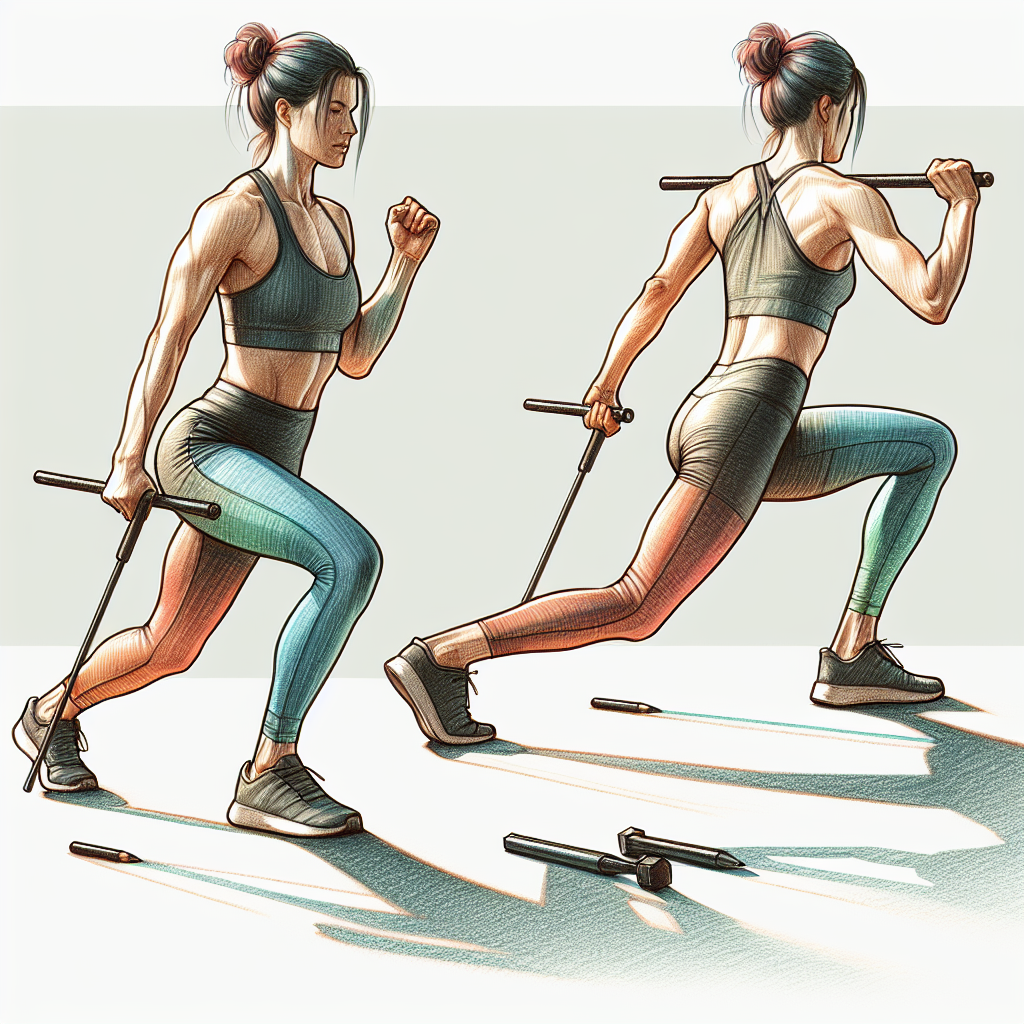
  5. Lunges: 3 sets of 10-15 repetitions per leg.
  6. Mountain Climbers: 30 seconds, 3 rounds.
  7. Burpees: 3 sets of 5-10 repetitions.
  8. Cool Down: Stretching for 5 minutes.

For those looking for a guided approach, consider registering for a free 30-day exercise program that requires only 6 minutes of daily exercise, yet promises results comparable to gym workouts: Free 30-Day Program Registration.

When to Seek Professional Guidance

While bodyweight workouts are generally safe, certain situations require professional consultation:

  • Any pre-existing medical condition that may limit exercise capability.
  • Experiencing pain or discomfort beyond typical muscle fatigue.
  • Injuries that may arise during workouts.
  • Uncertainty about performing exercises safely and effectively.

Common Myths and Misconceptions

Despite growing popularity, many misconceptions surround bodyweight training:

  • Myth: Bodyweight exercises are not as effective as weight training.
  • Fact: Bodyweight workouts can build strength, endurance, and flexibility just as effectively.
  • Myth: They are only for beginners.
  • Fact: Bodyweight exercises can be modified to suit all fitness levels.
  • Myth: Only high-intensity workouts yield results.
  • Fact: Consistency and proper form are crucial regardless of intensity.

Frequently Asked Questions

What are the benefits of bodyweight training?

Bodyweight training improves muscle strength, flexibility, and endurance while being time-efficient and low-impact.

How often should I perform bodyweight workouts?

Engaging in bodyweight workouts three to four times a week is generally effective for most people.

Can bodyweight exercises help with weight loss?

Yes, bodyweight exercises burn calories and increase metabolism, aiding in weight management.

Are bodyweight workouts suitable for all fitness levels?

Absolutely! Exercises can be modified to accommodate beginners as well as advanced fitness enthusiasts.

How can I prevent injuries during bodyweight training?

Focus on proper form, gradually increase intensity, and listen to your body to prevent injuries.

Can I build muscle with bodyweight exercises?

Yes, bodyweight exercises effectively build muscle, especially when done consistently and correctly.

Conclusion and Next Steps

  • Embrace the versatility of bodyweight workouts to improve strength and flexibility.
  • Make full-body routines a regular part of your schedule for optimal results.
  • Consider professional guidance if you have concerns about safe exercise practices.
  • Refute common myths to appreciate the effectiveness of bodyweight training.
  • Explore additional resources and programs to complement your training journey.

Ready to transform your fitness routine? Consider joining the free 30-day program designed for busy individuals. Experience how just six minutes of daily exercise can yield significant results: Register Here.

Author: John Angel
Related articles

Categories
Fitness

Effective Full-Body Strength Workout With No Equipment

Embarking on a fitness journey does not necessitate access to a fully equipped gym. A comprehensive full-body strength workout can be efficiently achieved using only your body weight. This approach not only saves time and money but also builds resilient muscles while enhancing overall fitness. In this article, we will explore a variety of no-equipment exercises that can be seamlessly integrated into your daily routine, providing you with practical advice and guidance.

  • Understanding Bodyweight Training
  • Benefits of Full-Body Strength Workouts
  • Essential Bodyweight Exercises
  • Sample Full Body Workout Routine
  • Common Mistakes to Avoid
  • When to Seek Professional Guidance
  • FAQs
  • Conclusion

Understanding Bodyweight Training

Bodyweight training is a method of exercising that utilizes the weight of your body as resistance. This form of exercise is not only versatile but also adaptable to various fitness levels. It can improve strength, flexibility, and endurance without the need for external weights or machines.

Benefits of Full-Body Strength Workouts

Engaging in full-body strength workouts offers numerous advantages:

  • Time Efficiency: Workouts can be completed in a short duration.
  • Improved Muscle Tone: Engaging multiple muscle groups promotes overall strength.
  • Convenience: No equipment is required, making it accessible for everyone.
  • Reduced Injury Risk: Focus on form and body mechanics lowers injury potential.
  • Boosted Metabolism: Increases calorie burn during and post-exercise.

Essential Bodyweight Exercises

Incorporating a variety of exercises into your routine maximizes muscle engagement:

  • Push-Ups: Targeting the chest, shoulders, and triceps.
  • Squats: Engaging the quadriceps, hamstrings, and glutes.
  • Planks: Strengthening the core and stabilizing muscles.
  • Lunges: Developing leg strength and balance.
  • Burpees: A full-body exercise promoting cardiovascular fitness.

Sample Full Body Workout Routine

Here’s a simple, no-equipment workout that can be performed in just 20-30 minutes:

  1. Warm Up: 5 minutes of dynamic stretching or light jogging in place.
  2. Push-Ups: 3 sets of 10-15 repetitions.
  3. Bodyweight Squats: 3 sets of 15-20 repetitions.
  4. Plank: Hold for 30-60 seconds, 3 sets.
  5. Lunges: 3 sets of 10 repetitions per leg.
  6. Burpees: 3 sets of 8-10 repetitions.
  7. Cool Down: 5 minutes of stretching.

For more guidance on effective workouts, consider registering for a 30-day exercise program, where just six minutes daily can yield substantial fitness results.

Common Mistakes to Avoid

When engaging in bodyweight workouts, certain misconceptions can lead to suboptimal results:

  • Neglecting Form: Poor technique can lead to injuries.
  • Skipping Warm-Up: Inadequate preparation increases injury risk.
  • Overtraining: Insufficient recovery time can hinder progress.
  • Ignoring Progression: Failing to increase difficulty when ready limits gains.

When to Seek Professional Guidance

If you experience pain beyond typical muscle soreness, or if you have any pre-existing conditions, it’s imperative to consult a healthcare professional or certified trainer. Indicators that require professional assessment include:

  • Joint pain during exercises
  • Muscle weakness affecting daily activities
  • Persistent fatigue despite adequate rest
  • Any new or unusual symptoms arising during workouts

FAQs

Can beginners perform bodyweight exercises effectively?

Yes, bodyweight exercises are adaptable, allowing beginners to start at their own pace and gradually increase intensity.

How often should I do a full-body workout?

For optimal results, aim for 2-3 full-body workouts per week, allowing at least one rest day in between sessions.

Is it possible to build muscle without weights?

Absolutely! Bodyweight exercises can effectively promote muscle growth, especially when appropriately varied and intensified.

How can I prevent injury during bodyweight workouts?

Focus on maintaining proper form, warming up, and listening to your body to avoid overexertion.

What is the role of nutrition in conjunction with bodyweight training?

A well-rounded diet supports muscle recovery and growth, making it essential to fuel your body adequately.

Can bodyweight workouts be modified for varying fitness levels?

Yes, bodyweight workouts can be easily modified to suit different fitness levels, ensuring accessibility for all individuals.

Conclusion

  • Bodyweight training is effective and accessible to all.
  • Full-body strength workouts save time and can be done anywhere.
  • Incorporating a variety of exercises enhances muscle engagement.
  • Proper technique and progression are crucial for success.
  • Seek professional guidance when necessary to ensure safe practice.

Embrace the myriad benefits of a full-body strength workout without equipment. Start integrating these exercises into your routine today, and consider signing up for the 30-day exercise program to further optimize your fitness journey.

Author: John Angel

Related articles

Categories
Fitness

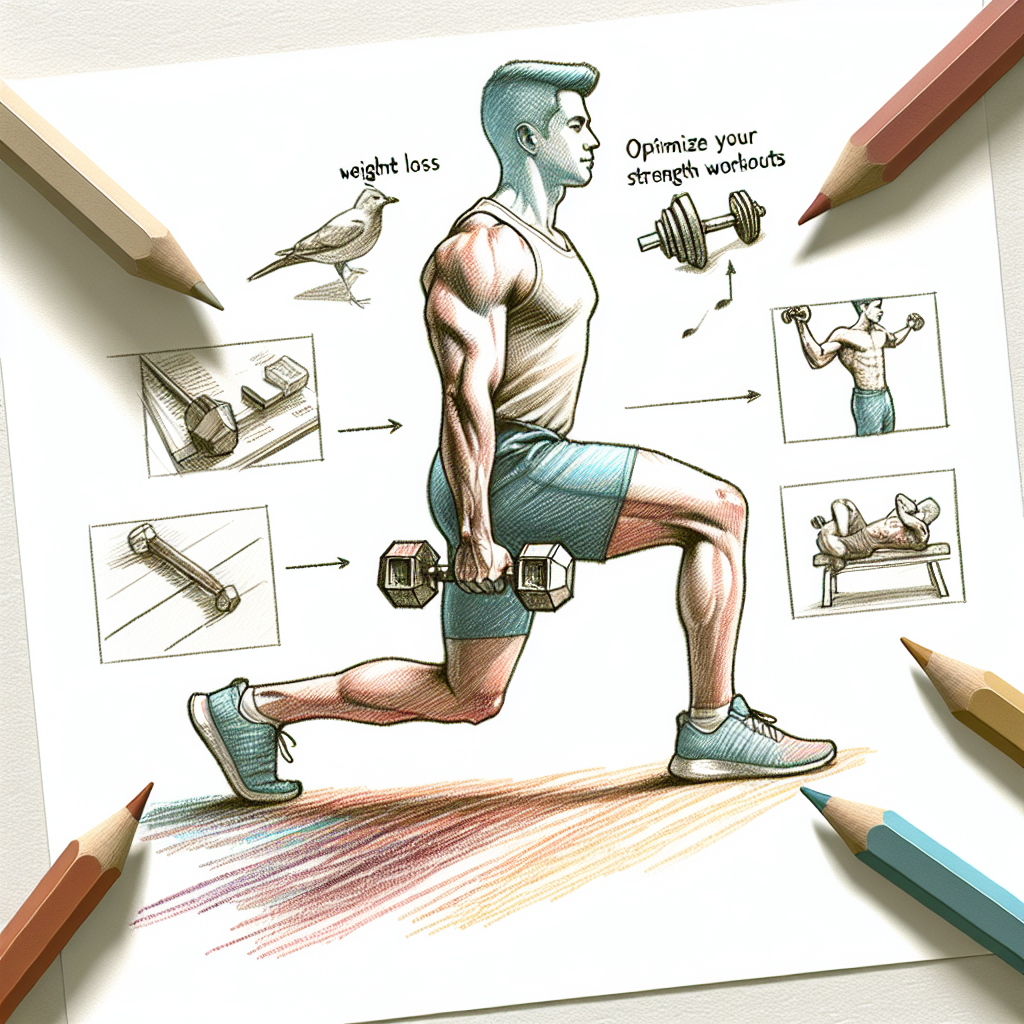
Optimize Your Fitness with Six-Minute Strength Workouts

In today’s fast-paced world, balancing a rigorous schedule with fitness can be challenging. Strength workouts serve as a powerful solution, particularly for those on a weight loss journey. Embracing short, effective sessions can lead to significant mental and physical transformations. This article will delve into the magic of six-minute strength workouts and how they can seamlessly integrate into your daily routine.

  • Understanding Strength Workouts
  • The Benefits of Six-Minute Workouts
  • Creating a Daily Routine
  • Practical Steps for Effective Workouts
  • When to Consult a Professional
  • Common Misconceptions about Strength Training
  • Frequently Asked Questions
  • Conclusion and Next Steps

Understanding Strength Workouts

Strength workouts encompass exercises designed to improve muscular strength and endurance. These routines often utilize weights, resistance bands, or body weight to challenge the muscles. Unlike traditional cardio, strength training focuses on building lean muscle mass, which increases metabolism and promotes healthy weight loss. As muscle replaces fat, your body becomes more efficient, allowing you to burn calories even at rest.

The Benefits of Six-Minute Workouts

Six-minute workouts provide an innovative approach that fits perfectly into hectic schedules. These brief yet intense sessions maximize results in minimal time. Here are some compelling benefits:

  • Time Efficiency: In just six minutes, individuals can engage in high-intensity routines that elevate heart rate and stimulate muscle growth.
  • Accessibility: Six-minute workouts require no special equipment, making them ideal for home workouts.
  • Consistency: Shorter workouts can reduce the intimidation factor, promoting greater adherence to an exercise regimen.
  • Flexible Integration: These workouts can be seamlessly integrated into daily life, providing a quick energy boost at any time.

Creating a Daily Routine

To harness the power of six-minute strength workouts, establishing a daily routine is crucial. Here are some guidelines for creating an effective regimen:

  • Choose Your Time: Identify a consistent time each day that is most feasible for your schedule.
  • Select Your Exercises: Focus on compound movements such as squats, push-ups, and lunges for a total-body workout.
  • Warm-Up: Consider a quick dynamic warm-up to prepare your body for the workout.
  • Be Mindful: Concentrate on form to avoid injury and maximize effectiveness.
  • Track Your Progress: Maintain a journal to record workout times and improvements.

Practical Steps for Effective Workouts

Implementing these practical steps will allow you to optimize your six-minute workouts:

  1. Set Clear Goals: Define what you want to achieve, whether it be weight loss, muscle gain, or improved fitness levels.
  2. Choose Short, Effective Routines: Utilize pre-designed workouts or consult platforms like the SixPack workout program, which offers a 30-day free trial to kickstart your journey – register now and experience the benefits firsthand.
  3. Incorporate Variety: Change up your workouts frequently to avoid plateaus and keep your routine engaging.
  4. Stay Hydrated: Drink water before and after workouts to keep your body functioning optimally.
  5. Rest and Recover: Schedule active recovery days to allow your body to rebuild stronger.

When to Consult a Professional

It is advisable to seek guidance from a fitness professional in the following scenarios:

  • If you experience persistent pain during or after workouts.
  • If you are unsure about proper form and technique.
  • If you have underlying health conditions that may affect your ability to exercise.
  • If you are new to strength training and feel overwhelmed by the options available.

Common Misconceptions about Strength Training

Several misconceptions surround strength training, leading to avoidance or misinformation. Here are some of the more common myths:

  • Myth 1: Strength training is only for bodybuilders.
  • Myth 2: Lifting weights leads to bulky muscles.
  • Myth 3: Cardio is more effective for weight loss than strength training.
  • Myth 4: You must workout for over an hour to see results.
  • Myth 5: Strength training is unsafe for older adults.

Frequently Asked Questions

What are the best exercises for a six-minute strength workout?

Compound movements like squats, push-ups, and lunges are highly effective as they work multiple muscle groups simultaneously.

How often should I perform six-minute workouts?

Three to five times a week is generally recommended, depending on your fitness level and goals.

Can beginners benefit from six-minute strength workouts?

Absolutely! Six-minute workouts are perfect for beginners as they can be easily modified to suit different fitness levels.

What equipment do I need?

Minimal equipment is required; body weight is often sufficient, but resistance bands or light weights can add variety.

Will six-minute workouts help with weight loss?

Yes, short, intense workouts can increase metabolism and promote fat loss when combined with a balanced diet.

How can I ensure I’m using proper form?

Consider seeking guidance from certified trainers or using reliable online resources that demonstrate correct technique.

Conclusion and Next Steps

  • Strength workouts are efficient and effective for building muscle and aiding weight loss.
  • Six-minute sessions offer convenience, making it easier to stay consistent.
  • Implementing simple strategies can enhance your workout experience and results.
  • Address any pain or discomfort with a qualified professional to ensure safe practices.
  • Utilize available resources such as the SixPack workout program to kickstart your fitness journey.

Embrace the transformative power of six-minute strength workouts as part of your daily routine. Discover how these brief, effective sessions can make a significant impact on your weight loss journey, and take the first step by registering for the SixPack workout program today.

Author: John Angel

Related articles

Website analytics information

We use Google Analytics 4 for visitor statistics. Analytics cookies require your consent, which you can change using the button above. The data controller is ZDRAVÍ S ÚSMĚVEM s.r.o., company ID 29283329, contact podpora@revolucnicviceni.cz. Google processes browser, device and page visit information. We do not send form field values to Analytics. How Google uses information · Google Privacy Policy.