
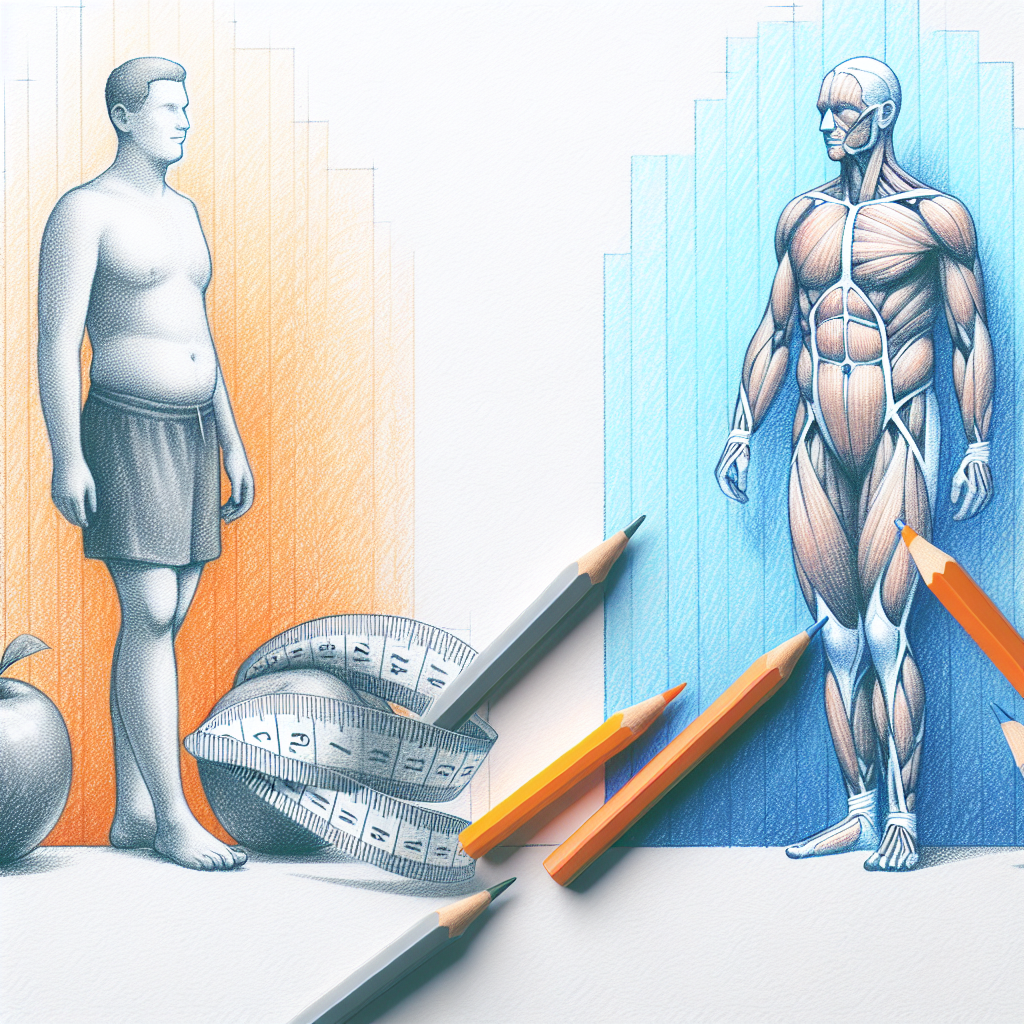
Weight Loss vs. Fat Loss: Understanding the Distinction
The journey toward achieving a healthier body is often surrounded by confusion, particularly regarding the terms “weight loss” and “fat loss.” While they are frequently used interchangeably, understanding the distinction is essential for setting realistic goals. Weight loss refers to a decrease in overall body mass, encompassing fat, muscle, and water. In contrast, fat loss specifically targets the reduction of adipose tissue without the simultaneous loss of lean muscle mass. This article delves into the nuances of each, providing practical advice for those embarking on their weight loss journey.
- Understanding Weight Loss and Fat Loss
- The Benefits of Fat Loss
- Creative Ways to Incorporate Short Workouts
- Common Misconceptions
- When to Consult a Professional
- Frequently Asked Questions
Understanding Weight Loss and Fat Loss
When embarking on a weight loss journey, it is crucial to differentiate between losing general weight and specifically targeting fat storage. Weight loss can result from various factors, including diet changes, increased physical activity, and even dehydration. However, true fat loss promotes sustainable results, as it focuses on reducing body fat while retaining lean muscle mass. This distinction can help individuals adopt better strategies for their health goals.
The Role of Metabolism
Your metabolism is pivotal in weight and fat loss as it encompasses the biochemical processes that convert food into energy. A higher metabolic rate can facilitate fat loss, allowing the body to utilize stored fat for energy. Conversely, rapid weight loss often leads to a decrease in metabolic function, making it harder to maintain long-term results.
The Benefits of Fat Loss
Benefits of shedding excess body fat extend beyond mere aesthetics. Here are several critical advantages:
- Improved Health: Reducing body fat can result in decreased risks of chronic diseases, including diabetes, heart disease, and hypertension.
- Increased Energy Levels: Carrying less body fat can enhance overall stamina and energy, allowing for more active participation in daily activities.
- Better Mood and Confidence: Achieving personal weight loss goals can significantly improve self-esteem and mental well-being.
Creative Ways to Incorporate Short Workouts
One innovative and efficient way to facilitate your fat loss journey is through short workouts. Six-minute workouts at home can offer substantial benefits, particularly in our fast-paced environment. These brief yet intense sessions can be easily incorporated into one’s daily routine, yielding visible results without requiring significant time investments.
A few benefits include:
- Convenience: Short workouts can be easily integrated into a busy schedule, whether during a lunch break or early in the morning.
- Variety: These workouts can include various exercises, keeping the routine fresh and engaging.
- Enhanced Fat Burning: High-intensity short workouts may boost the body’s ability to burn fat, even after the workout has concluded.
To experience this transformative approach, consider registering for the SixPack workout program for 30 days for free.
Common Misconceptions in Weight and Fat Loss
Myths surrounding weight loss can derail progress and mislead individuals. Here are some prevalent misconceptions:
- All Weight Loss is Good: Not all weight loss is beneficial, especially if it leads to muscle loss or nutritional deficiencies.
- Carbs are the Enemy: Carbohydrates are essential for energy; the key lies in choosing complex carbohydrates over refined sugars.
- Spot Reduction is Possible: Targeting specific body parts for fat loss is largely a myth; overall body fat reduction is necessary.
When to Consult a Professional
Engaging in a weight loss journey is commendable; however, there are circumstances when seeking professional advice becomes necessary. Consider consulting a healthcare provider or nutritionist if you experience:
- Unexpected weight loss or weight gain
- Persistent fatigue or weakness
- Difficulty achieving your weight loss goals despite considerable effort
- Signs of eating disorders or unhealthy behaviors related to food
Professional guidance can provide clarity, ensuring your approach to weight and fat loss is both safe and effective.
Frequently Asked Questions
What is the difference between weight loss and fat loss?
Weight loss is the reduction of total body mass, while fat loss specifically refers to the reduction of body fat.
How can I effectively lose fat?
Focusing on a balanced diet, incorporating regular physical activity, and considering high-intensity workouts can help target fat loss effectively.
Are short workouts better for fat loss?
Short, intense workouts can be highly effective for fat loss, as they increase metabolic rates and promote calorie burning.
How do I know if I’m losing muscle instead of fat?
Signs include significant strength loss, lack of energy, and an inability to lift weights you previously managed.
Is it necessary to consult a nutritionist for weight loss?
While not mandatory, a nutritionist can provide tailored advice and prevent misconceptions that may hinder your progress.
Why is spot reduction a myth?
Fat loss occurs throughout the body, and it’s not possible to target specific areas through exercise alone.
Conclusion
- Weight loss and fat loss are not synonymous; understanding this is critical for your journey.
- Targeting fat loss offers numerous health benefits beyond aesthetics.
- Short home workouts provide convenience and effectiveness, making them a practical choice.
- Addressing common myths is essential for maintaining motivation and setting realistic goals.
- Consulting a professional may be necessary if significant health concerns arise.
Embarking on a weight loss journey is a personal endeavor that requires commitment and informed choices. If you wish to explore short workouts that fit seamlessly into your life, consider registering for the SixPack workout program for 30 days for free. Transform your approach to fitness and health today!
Author: John Angel