
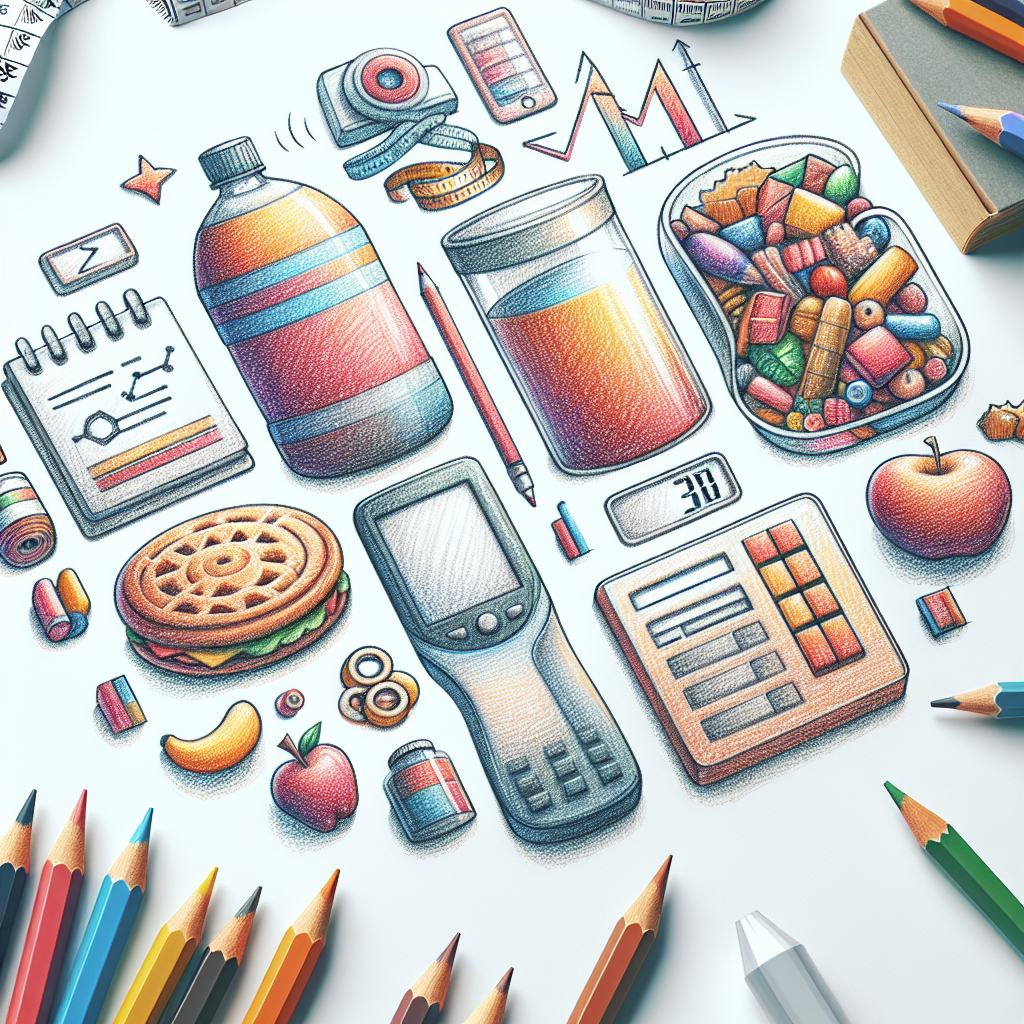
Embarking on a weight loss journey at 30 can be a transformative experience, both physically and mentally. This age often marks a pivotal moment where individuals have settled into their routines but may begin to notice changes in their body that aren’t easily reversed. Fortunately, effective strategies can facilitate this journey, combining practical approaches to nutrition and exercise. This article will delve into essential components to consider for successful weight loss at this stage of life.
- Understanding the Importance of Nutrition
- Incorporating Short Workouts into Your Day
- Creating Sustainable Habits
- Common Pitfalls in Weight Loss
- When to Consult a Professional
- FAQs about Weight Loss at 30
Understanding the Importance of Nutrition
Nutrition plays a central role in achieving weight loss goals. At 30, metabolism can begin to slow down, making it increasingly important to focus on dietary choices. A balanced intake of macronutrients—proteins, fats, and carbohydrates—can create a foundation for overall health and effective weight management. Consider these markers:
- Prioritize whole foods: Emphasize fruits, vegetables, lean proteins, and healthy fats.
- Practice portion control: Being mindful of serving sizes can greatly impact caloric intake.
- Stay hydrated: Drinking sufficient water helps regulate appetite and supports metabolic processes.
Incorporating Short Workouts into Your Day
One of the most captivating elements of any weight loss journey is the ease and accessibility of incorporating short workouts into daily routines. The magic of six-minute workouts at home lies in their ability to provide effective training without requiring significant time commitments. These brief yet intensive sessions can be tailored to fit various fitness levels and preferences. Benefits include:
- Increased adherence: Short workouts are easier to integrate into busy schedules.
- Improved cardiovascular health: Even a few minutes of intense activity can boost heart health.
- Elevated mood: Physical activity produces endorphins, enhancing overall well-being.
To experience these benefits, consider registering for the SixPack workout program for 30 days for free. This program offers tailored six-minute workouts you can perform conveniently at home.
Creating Sustainable Habits
Sustainability is key to any successful weight loss journey. Instead of adopting extreme diets or exercise regimens, focus on building lasting habits. Here are strategies to create a sustainable lifestyle:
- Set realistic goals: Aim for gradual weight loss rather than seeking rapid results.
- Track progress: Keeping a journal of food intake and physical activity can provide insights into your habits.
- Find a support system: Engaging friends or joining communities can foster motivation and accountability.
Common Pitfalls in Weight Loss
Many individuals encounter obstacles on their weight loss journeys due to common mistakes or misconceptions. Recognizing these pitfalls can help steer clear of them:
- Focusing solely on the scale: Weight isn’t the only indicator of health; consider measurements and how clothes fit.
- Neglecting strength training: Incorporating resistance exercises supports muscle maintenance and metabolism.
- Overindulging in “healthy” foods: It’s essential to remember that portion control applies to all food types.
When to Consult a Professional
While many individuals can navigate their weight loss journey independently, certain situations warrant seeking professional advice. Consult with a healthcare provider or a registered dietitian if you experience:
- Unexplained weight loss or gain that exceeds 5-10% of your body weight within a few months.
- Chronic fatigue or weakness that affects your ability to engage in daily activities.
- Food allergies or intolerances that complicate dietary changes.
- Mental health concerns such as anxiety or depression related to body image or eating habits.
FAQs about Weight Loss at 30
What is the ideal weight loss goal for someone at 30?
Aim for a steady weight loss of 1-2 pounds per week, which is generally considered safe and sustainable.
Do I need to follow a specific diet to lose weight at 30?
There isn’t a one-size-fits-all diet; focus on whole, nutrient-dense foods and maintain a calorie deficit for weight loss.
How important is exercise in my weight loss journey?
Exercise is crucial as it supports calorie burning, enhances metabolic health, and improves overall well-being.
Can I lose weight just by changing my diet?
Yes, diet alone can lead to weight loss, but combining it with exercise yields the best results and benefits your health.
How does stress impact weight loss efforts?
High stress can lead to hormonal changes that may hinder weight loss; adopting stress management techniques is beneficial.
Is it too late to start exercising at 30?
Absolutely not! It’s never too late to start exercising; any physical activity is beneficial for health at any age.
Conclusion
- Nutrition is fundamental to successful weight loss at 30, emphasizing whole food choices.
- Short, effective workouts can enhance adherence and mood while fitting easily into daily routines.
- Sustainable habits are built through realistic goals, tracking, and support systems.
- Avoid common pitfalls by focusing on holistic health measurements rather than solely on weight.
- Consult a professional if experiencing significant health changes or challenges on your weight loss journey.
In embarking on your weight loss journey at 30, remember that consistency, resilience, and support are essential. For an effective start, consider exploring the SixPack workout program for 30 days for free to integrate short workouts seamlessly into your lifestyle.
Author: John Angel