
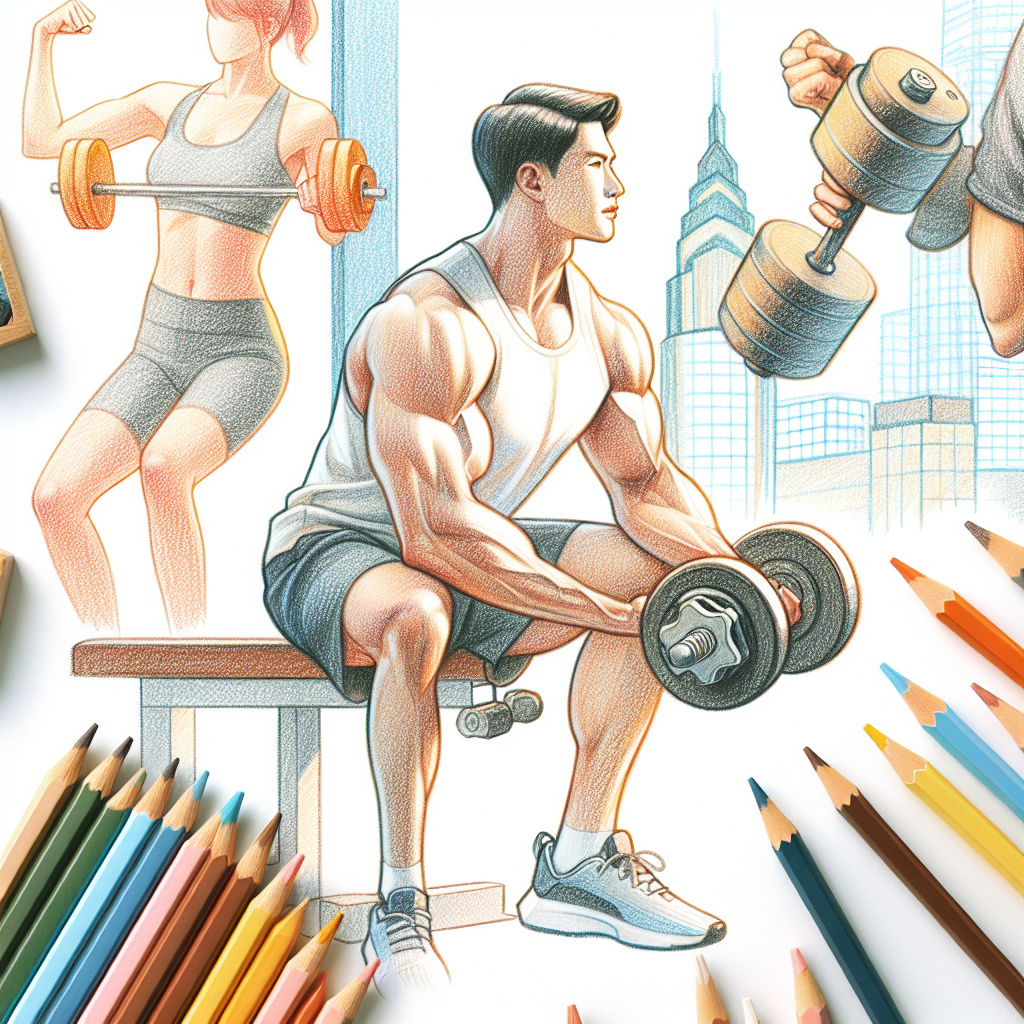
Weight training workouts are a powerful tool on your weight loss journey, often overlooked in favor of cardio routines. However, incorporating strength training can optimize fat loss, boost metabolism, and sculpt your physique. In this article, we will explore effective weight training workouts geared towards weight loss, highlight the benefits of short six-minute home routines, and provide practical guidance to help you succeed.
- Benefits of Weight Training for Weight Loss
- The Magic of Short Workouts
- Essential Weight Training Exercises
- Creating Your Workout Plan
- Common Misconceptions
- When to Consult a Professional
- Frequently Asked Questions
- Conclusion and Next Steps
Benefits of Weight Training for Weight Loss
Weight training is not just about bulking up; it plays a critical role in your weight loss journey. It facilitates muscle growth, which enhances your resting metabolic rate, allowing you to burn more calories even when at rest. This is particularly beneficial for those looking to lose weight effectively and sustainably.
Moreover, resistance training promotes fat loss while preserving lean muscle mass—a crucial factor for maintaining metabolic efficiency. By integrating weight training into your routine, you combine strength, endurance, and cardiovascular benefits to achieve a well-rounded fitness regimen.
The Magic of Short Workouts
Short, six-minute workouts at home have proven to be a game-changer for many individuals balancing busy schedules. The beauty of these concise routines is their ability to deliver high-intensity training without requiring extensive time commitments. You can easily fit these sessions into your day, transforming otherwise spare moments into opportunities for effective weight training.
These short bursts of activity can trigger post-exercise oxygen consumption (EPOC), where your body continues to burn calories even after you’ve finished exercising. This means that just a few minutes of intensive effort can yield significant results in your weight loss journey.
Essential Weight Training Exercises
To get started with weight training for weight loss, consider incorporating the following fundamental exercises into your routine:
- Squats: Engages large muscle groups in your legs and core.
- Lunges: Works on lower body strength and stability.
- Push-ups: Promotes upper body strength while engaging your core.
- Dumbbell Rows: Target the back and arms, essential for a balanced physique.
- Planks: Strengthens the core, enhancing overall stability and endurance.
Creating Your Workout Plan
Designing a balanced workout plan is essential for maximizing the effectiveness of your weight training sessions. Follow these steps to create a comprehensive regimen:
- Determine your fitness level and set realistic goals.
- Create a weekly schedule, dedicating at least three days to strength training.
- Incorporate a mix of compound and isolation exercises.
- Gradually increase weights or resistance as you grow stronger.
- Allow time for recovery between sessions to prevent injury.
For a structured plan, consider exploring the SixPack workout program for 30 days for free. This program offers a variety of short workouts catering to various fitness levels, making it easier to kickstart your journey.
Common Misconceptions
Despite the wealth of information available, several myths about weight training persist. Here are a few common misconceptions:
- Weight training will make you bulky: It is a common belief, especially among women, that lifting weights will lead to increased bulk. In reality, proper strength training can help you achieve a toned appearance.
- You need to lift heavy weights: Many people think that lifting heavy is essential for weight loss. In truth, lighter weights with higher repetitions can be equally effective.
- Cardio is the best method for weight loss: While cardiovascular exercises are important, muscle-building activities like weight training are equally critical in burning calories.
When to Consult a Professional
While embarking on a weight training journey, it is crucial to recognize when to seek professional guidance. Consider consulting a fitness expert if:
- You are new to weight training and unsure about proper techniques.
- You have a pre-existing medical condition or injury.
- You feel uncertain about crafting a well-balanced workout plan.
- You experience pain, dizziness, or discomfort during exercises.
Frequently Asked Questions
Can I lose weight through just weight training?
Yes, weight training is effective for weight loss as it builds muscle, which boosts metabolism. However, a balanced approach that includes cardio is often most effective.
How often should I incorporate weight training into my routine?
It is generally recommended to engage in weight training at least three times per week for optimal results.
Are short workouts as effective as longer sessions?
Short, high-intensity workouts can be highly effective. They can maintain or even increase your fitness level if performed consistently.
I have limited equipment; can I still do weight training?
Absolutely! Bodyweight exercises, resistance bands, and even household items can serve as effective tools for weight training.
Is it too late to start weight training?
No, it is never too late to start. Individuals of all ages and fitness levels can reap the benefits of weight training.
What should I eat before and after weight training?
A balanced meal with protein and carbohydrates before training can boost your energy levels. After workouts, a protein-rich meal is beneficial for muscle recovery.
Conclusion and Next Steps
- Weight training is vital for effective fat loss and improving metabolism.
- Short, six-minute workouts can fit easily into a busy schedule.
- Building a well-rounded routine with essential exercises can enhance your efforts.
- Consulting professionals can lead to better guidance and injury prevention.
- Dispelling common misconceptions can help you approach weight training with confidence.
Are you ready to begin or improve your weight loss journey? Explore the SixPack workout program for 30 days for free and embark on your transformative path today!
Author: John Angel