
Introduction
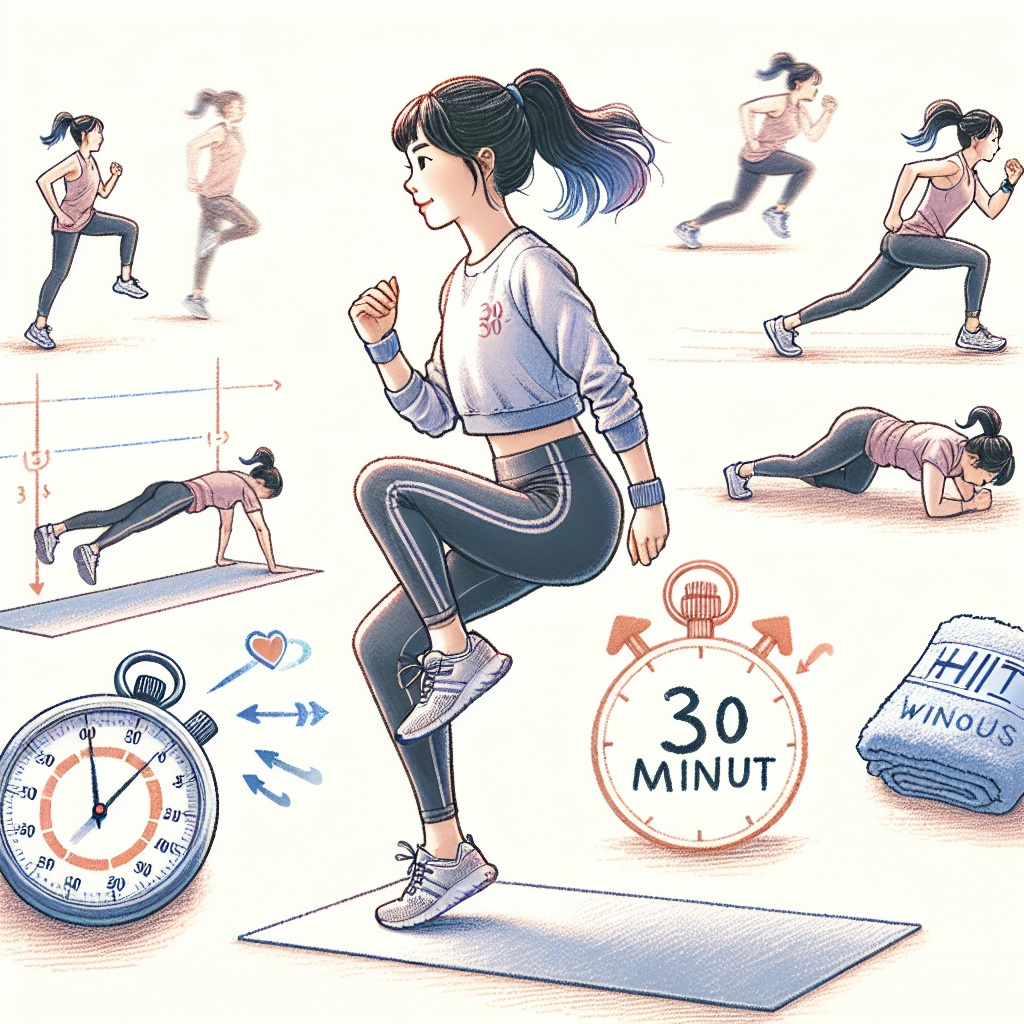
Embarking on a weight loss journey can be both exhilarating and daunting. The prospect of losing weight in just 30 minutes of daily exercise may seem too good to be true. However, short, focused workouts can yield significant results when done consistently. This article will explore the effectiveness of 30-minute workouts, along with strategies to maximize your efforts. If you’re ready to transform your fitness routine, discover how you can start a free 30-day SixPack workout program today.
- Understanding the Science Behind Short Workouts
- The Benefits of 30-Minute Workouts
- Creating Your 30-Minute Routine
- When to Consult a Professional
- Common Misconceptions about Short Workouts
- FAQs
- Conclusion
Understanding the Science Behind Short Workouts
Short workouts capitalize on high-intensity training and the body’s natural metabolic processes to encourage weight loss. Research indicates that shorter bursts of intense exercise can elevate the heart rate, leading to greater calorie burn both during and after the workout. This phenomenon, known as excess post-exercise oxygen consumption (EPOC), aids in sustained calorie expenditure, making an efficient 30-minute workout an attractive option for those pressed for time.
The Benefits of 30-Minute Workouts
Incorporating 30-minute workouts into your daily routine offers several advantages:
- Time Efficiency: With a busy lifestyle, many find it challenging to allocate an hour for exercise each day. A 30-minute workout can easily slot into most schedules.
- Increased Motivation: Shorter workouts often feel less daunting, encouraging consistency and making it easier to stay committed to your weight loss journey.
- Versatility: These workouts can be tailored to accommodate various exercises—strength training, cardio, or flexibility routines can all be performed within this time frame.
- Enhanced Fat Loss: The intensity of short workouts can more effectively target fat reserves, contributing to weight loss more than lower-intensity extended workouts might.
- Accessibility: Short workouts can be performed at home with minimal equipment, making it feasible for almost anyone to start their fitness journey.
Creating Your 30-Minute Routine
To develop an effective 30-minute workout plan, consider the following steps:
- Set Clear Goals: Identify what you aim to achieve—whether it’s weight loss, improved strength, or enhanced endurance.
- Choose Your Exercises: Incorporate a mix of cardiovascular and strength-training exercises. Examples include burpees, squats, push-ups, and jumping jacks.
- Warm-Up: Begin with a 5-minute warm-up to increase your heart rate and prepare your muscles for exercise.
- High-Intensity Intervals: Alternate between high-intensity exercises and moderate rest periods to maximize your workout’s impact.
- Cool Down: Conclude with a 5-minute cool-down to help your body transition back to a resting state.
When to Consult a Professional
While engaging in 30-minute workouts can be beneficial, there are circumstances where professional advice is advisable. If you experience any of the following, consider consulting a healthcare or fitness professional:
- Persistent pain or injury that worsens during workouts.
- Chronic health conditions that could affect your exercise routine.
- A significant change in weight, energy levels, or physical capability.
- If you are unsure about how to begin or what exercises are appropriate for your fitness level.
Common Misconceptions about Short Workouts
There are prevalent myths surrounding short workout sessions. Addressing these can provide clarity:
- Myth 1: “Short workouts are ineffective.”
Truth: When done correctly and consistently, short workouts can lead to significant weight loss and improved fitness levels. - Myth 2: “You can’t build muscle in a short time.”
Truth: Short, high-intensity strength training can effectively promote muscle growth. - Myth 3: “You need a gym to work out.”
Truth: Many exercises can be performed at home with little to no equipment. - Myth 4: “More exercise always equals better results.”
Truth: Quality is more vital than quantity; an efficient 30 minutes can outpace hours of ineffective training.
FAQs
Can I lose weight with just 30 minutes of exercise per day?
Yes, consistent 30-minute workouts can lead to weight loss when combined with a balanced diet.
How often should I do these workouts?
Most experts recommend engaging in at least five days of exercise per week for optimal results.
What types of exercises are best for a 30-minute workout?
A combination of cardio and strength exercises, such as high-intensity interval training (HIIT), can be particularly effective.
Can I do this workout at home?
Absolutely! Many effective workouts require minimal or no equipment and can be easily done at home.
What if I’m a beginner?
Start slowly with lower-intensity exercises and gradually increase the difficulty as your fitness improves.
Should I consult a doctor before starting this workout plan?
Consulting with a healthcare professional is wise if you have pre-existing health conditions or concerns about beginning a new exercise routine.
Conclusion
- Engaging in 30 minutes of exercise daily can be a pivotal step in your weight loss journey.
- Short workouts are time-efficient, versatile, and accessible for all fitness levels.
- Consistency and proper planning are crucial to see results from these shorter workouts.
- Seeking professional advice is advisable under certain health conditions or concerns.
- With the right approach, short workouts can effectively support your weight loss goals.
Ready to start your transformation? Sign up for the SixPack workout program for free for 30 days here and take the first step towards achieving your fitness goals!
Author: John Angel