In today’s fast-paced world, finding time for fitness can be challenging. However, engaging in effective workout exercises without the need for equipment allows individuals to prioritize their health with minimal investment of time and resources. Small, consistent efforts can yield significant results. This article explores a variety of exercises accessible to everyone, outlines practical guidance, and offers tips on establishing a personalized routine.
- Benefits of Bodyweight Exercises
- Essential Workout Exercises Without Equipment
- Creating a Balanced Routine
- Common Myths and Misconceptions
- When to Seek Professional Guidance
- Frequently Asked Questions
Benefits of Bodyweight Exercises
Bodyweight exercises provide numerous advantages beyond mere convenience. Some key benefits include:
- Accessibility: Perform anywhere, anytime without special equipment.
- Cost-Effective: No need for gym memberships or costly gear.
- Versatility: Adaptable for all fitness levels; modifications can be made for beginners or advanced individuals.
- Improved Stability and Strength: Engaging multiple muscle groups fosters overall fitness.
Essential Workout Exercises Without Equipment
The following exercises can be easily integrated into your fitness regimen:
1. Push-Ups
A fundamental exercise targeting the chest, shoulders, and triceps.
2. Squats
They effectively engage the quadriceps, hamstrings, and glutes.
3. Lunges
Enhancing lower body strength and stability, lunges can be performed forward, backward, or to the side.
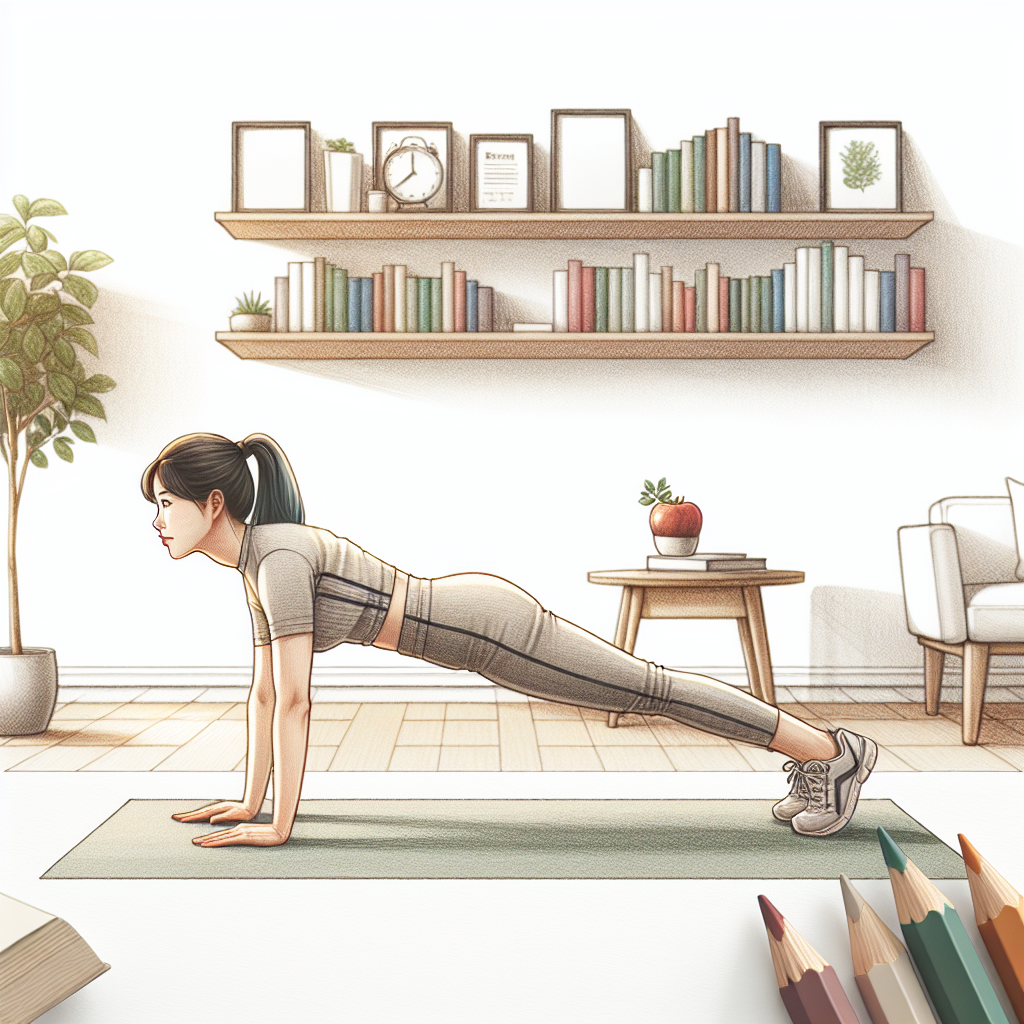
4. Planks
Planks help build a solid core by engaging various muscle groups simultaneously.
5. Mountain Climbers
This dynamic move elevates heart rate while incorporating strength training elements.
6. Burpees
A full-body exercise that enhances aerobic and anaerobic performance.
Creating a Balanced Routine
To maximize the effectiveness of bodyweight exercises, consider the following steps to create a balanced routine:
- Warm-Up: Start with dynamic stretches to prepare your muscles.
- Incorporate Variety: Choose a combination of strength, cardio, and flexibility exercises.
- Set Goals: Determine weekly goals to motivate yourself.
- Track Progress: Record your workouts to observe improvements over time.
- Stay Consistent: Aim to engage in these exercises regularly, ideally daily for at least 6 minutes. For structured guidance, consider registering for a 30-day exercise program.
When to Seek Professional Guidance
While bodyweight exercises are generally safe, certain situations warrant professional advice:
- Experiencing unusual pain during exercises.
- Having pre-existing medical conditions or injuries.
- Uncertainty regarding correct form and technique.
- Struggling to develop a consistent routine.
- A desire for tailored fitness and nutrition plans.
Common Myths and Misconceptions
Understanding common misconceptions can help in optimizing your workout journey:
- Myth 1: No equipment means no results. Bodyweight exercises can be highly effective if done correctly.
- Myth 2: You need to spend hours working out for it to be effective. Quality over quantity; even short workouts can yield impressive results.
- Myth 3: Only weightlifting builds muscle. Bodyweight exercises can efficiently stimulate muscle growth as well.
- Myth 4: Fitness can be achieved overnight. Consistent effort over time is key to seeing results.
Frequently Asked Questions
What are the best bodyweight exercises for beginners?
Begin with exercises like push-ups, squats, and planks to build a strong foundation.
How often should I perform bodyweight exercises?
Aim for at least 3–5 times a week for optimal results.
Can I lose weight with bodyweight exercises?
Yes, when combined with a balanced diet, bodyweight exercises can contribute to weight loss.
Is it important to stretch before and after workouts?
Yes, stretching helps prevent injuries and promotes recovery.
Can I build muscle without weights?
Absolutely. Progressive bodyweight training can effectively increase muscle strength.
Should I focus on strength or endurance exercises?
Incorporate a balance of both for well-rounded fitness.
Conclusion
- Bodyweight exercises are accessible, versatile, and cost-effective.
- A balanced routine maximizes benefits and fosters both strength and endurance.
- Few minutes of targeted workouts can yield significant results.
- Be aware of when to seek professional guidance for safety and effectiveness.
- Combat myths and misconceptions to maintain a positive fitness mindset.
Explore the world of bodyweight exercises and transform your fitness journey with small, consistent actions. Consider joining a structured program to maximize your results while minimizing your time commitment. Take the first step today!
Author: John Angel