Categories
Fitness

Effective No-Equipment Workout Plan for Weight Loss

Workout Plan for Weight Loss Without Equipment

Embarking on a weight loss journey can be both thrilling and daunting. One of the most significant hurdles many face is access to gym facilities or costly equipment. Fortunately, it is entirely possible to achieve your weight loss goals with a structured workout plan that requires no equipment. This article provides valuable insights into effective workouts you can perform at home or anywhere, making fitness accessible to all. You will discover simple yet powerful routines that can lead to noticeable results.

  • Understanding Weight Loss Basics
  • Essential Elements of a No-Equipment Workout Plan
  • Sample Workout Routine
  • Common Misconceptions about Weight Loss
  • When to Consult a Professional
  • Frequently Asked Questions

Understanding Weight Loss Basics

Before diving into a workout plan, it is crucial to understand the fundamental principles of weight loss. Primarily, weight loss occurs when you burn more calories than you consume. This caloric deficit can be achieved through a combination of dietary changes and physical activity. A holistic approach, focusing on both nutrition and exercise, will yield the best results. Additionally, it is important to be patient and consistent, as healthy weight loss is often gradual.

Essential Elements of a No-Equipment Workout Plan

Creating an effective no-equipment workout plan requires consideration of several key elements:

  • Variety: Incorporate a mix of cardiovascular, strength, and flexibility exercises to keep the routine engaging.
  • Duration: Aim for at least 150 minutes of moderate aerobic activity per week, broken down into manageable sessions.
  • Frequency: Consistency is key—aim to work out most days of the week.
  • Progression: Gradually increase the intensity or duration of your workouts to continue challenging your body.

Sample Workout Routine

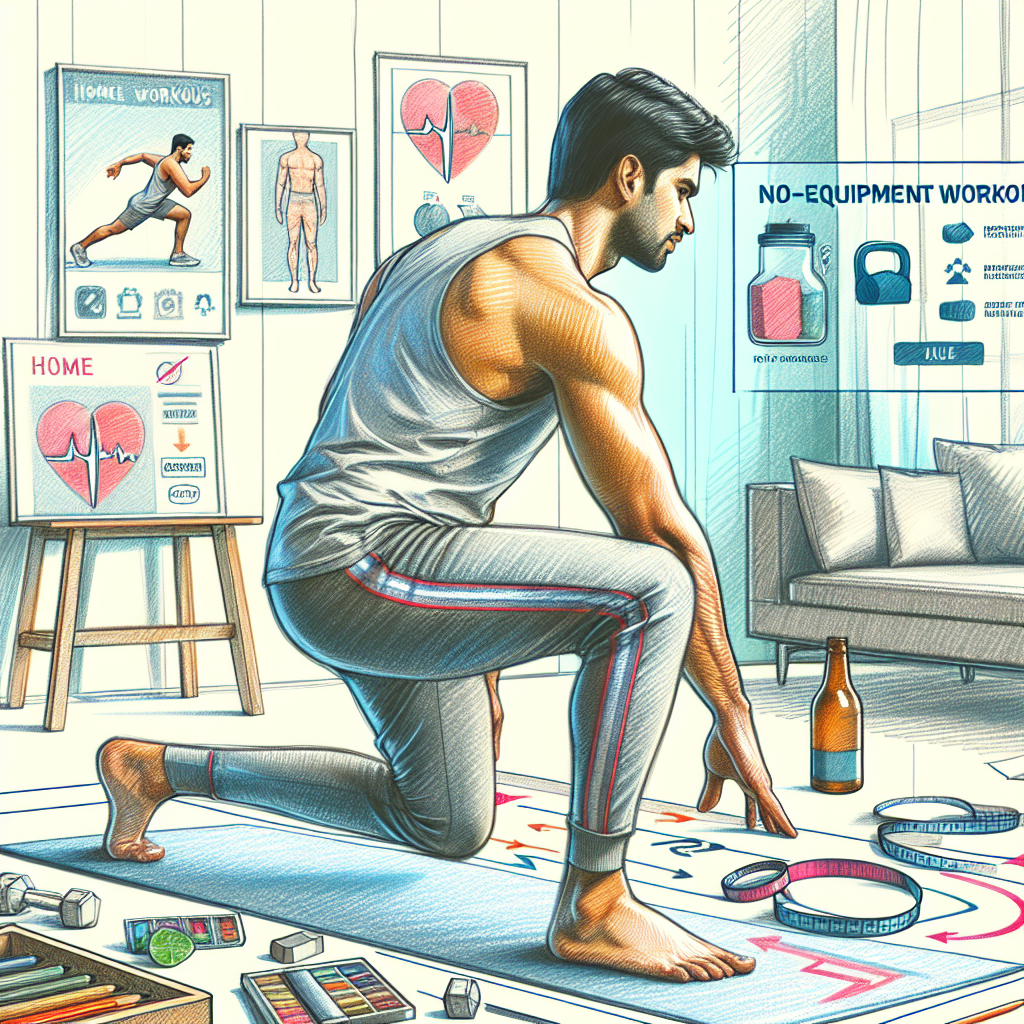
Here is a simple yet effective workout routine you can follow that requires no equipment. Each session can be completed in just six minutes, demonstrating the efficiency of high-intensity exercise.

  1. Warm-up (1 minute): Jumping jacks or high knees.
  2. High Knees (1 minute): Bring knees up to waist level and pump arms.
  3. Bodyweight Squats (1 minute): Feet shoulder-width apart, lower yourself as if sitting in a chair.
  4. Push-Ups (1 minute): Standard or modified on the knees if needed.
  5. Plank (1 minute): Keep your body in a straight line, supporting weight on forearms and toes.
  6. Cooldown (1 minute): Gentle stretching for major muscle groups.

For those seeking more structured guidance, consider enrolling in a 30-day exercise program where you only exercise for six minutes a day and achieve results similar to those obtained by regular gym workouts.

Common Misconceptions about Weight Loss

There are numerous myths surrounding weight loss and fat burning that can mislead individuals. Understanding these misconceptions is critical to developing a healthy mindset.

  • Myth 1: You need a gym membership to lose weight.
  • Myth 2: Cardio is the only way to lose weight.
  • Myth 3: You can spot reduce fat in specific areas.
  • Myth 4: Skipping meals is an effective weight loss strategy.

When to Consult a Professional

While many can manage a weight loss program independently, there are certain scenarios where seeking professional advice is advisable:

  • Experiencing persistent fatigue or excessive soreness.
  • Having existing health conditions that could be affected by exercise.
  • Needing personalized guidance or a tailored program.
  • Feeling overwhelmed or uncertain about nutrition and exercise.

Frequently Asked Questions

Can I lose weight without exercising?

Yes, weight loss can be achieved through dietary changes alone, but incorporating exercise offers numerous health benefits and enhances results.

How often should I exercise to lose weight?

Aim for at least 150 minutes of moderate exercise or 75 minutes of vigorous exercise weekly for optimal weight loss.

Is it possible to build muscle without weights?

Yes, bodyweight exercises like push-ups and squats can effectively build muscle and strength without the need for weights.

How do I stay motivated during my weight loss journey?

Set realistic goals, track your progress, and vary your workouts to maintain interest and motivation.

What should I eat while following a workout plan?

Focus on a balanced diet rich in whole foods, including fruits, vegetables, lean proteins, and whole grains.

Can I do these workouts every day?

Yes, but ensure to listen to your body and incorporate rest days as needed to prevent injury.

Conclusion

  • Understand the principles of weight loss, focusing on calorie balance.
  • Create a varied and consistent workout routine that requires no equipment.
  • Be aware of common misconceptions that could hinder your progress.
  • Consult professionals when necessary for personalized advice.
  • Stay motivated and focused on your goals by celebrating small victories.

Embarking on a journey toward weight loss does not necessitate expensive gym memberships or complex equipment. With dedication and a structured plan, you can achieve meaningful results through simple at-home workouts. For additional guidance, consider joining a 30-day exercise program to further enhance your fitness journey.

Author: John Angel

Related articles

Categories
Fitness

Effective Weight Loss Exercise Plan at Home with Bodyweight

Exercise Plan to Lose Weight at Home Without Equipment

In today’s fast-paced world, finding the time and resources to maintain a healthy lifestyle can be challenging. Fortunately, effective weight loss doesn’t require a gym membership or expensive equipment. This article provides a practical exercise plan designed to help individuals lose weight at home using only their bodyweight. With commitment and consistency, remarkable results can be achieved without leaving the comfort of your home.

  • Understanding Bodyweight Exercises
  • Designing Your Weekly Workout Schedule
  • The Science of Weight Loss
  • Exercise Techniques for Maximum Results
  • Common Misconceptions About Home Workouts
  • When to Consult a Professional
  • FAQs
  • Conclusion

Understanding Bodyweight Exercises

Bodyweight exercises utilize the individual’s weight as resistance, making them ideal for home workouts. Common movements include push-ups, squats, burpees, and lunges. These exercises enhance muscular strength, endurance, and flexibility, providing a comprehensive workout without needing specialized equipment.

Benefits of Bodyweight Exercises

  • Accessibility: No equipment is necessary, allowing exercisers of all levels to participate.
  • Cost-Effective: No gym fees or equipment purchases are required.
  • Versatility: Workouts can be modified to match fitness levels and goals.
  • Time-Efficiency: Quick sessions can yield significant results, especially with high-intensity intervals.

Designing Your Weekly Workout Schedule

Creating a structured plan is crucial for achieving weight loss goals. Below is a sample schedule that combines various bodyweight exercises over a week.

Sample Weekly Exercise Schedule

  • Day 1: Full Body
    • Push-Ups: 3 sets of 10
    • Squats: 3 sets of 15
    • Plank: 3 sets of 30 seconds
  • Day 2: Cardio
    • Burpees: 3 sets of 10
    • Jumping Jacks: 3 sets of 30 seconds
    • High Knees: 3 sets of 30 seconds
  • Day 3: Core
    • Mountain Climbers: 3 sets of 30 seconds
    • Russian Twists: 3 sets of 15
    • Leg Raises: 3 sets of 10
  • Day 4: Rest or Active Recovery
  • Day 5: Full Body
  • Day 6: Cardio
  • Day 7: Core

For a quick yet effective workout, consider joining a free 30-day exercise program that requires only 6 minutes daily but provides results comparable to a gym routine. You can register for the program here: Free 30-Day Exercise Program.

The Science of Weight Loss

Weight loss occurs when a calorie deficit is achieved—burning more calories than consumed. A well-structured exercise plan, combined with a balanced diet, can accelerate this process.

  • Understanding Metabolism: Each person’s metabolic rate varies, affecting the number of calories burned at rest.
  • Caloric Control: Keeping track of calorie intake and ensuring it aligns with your weight loss goals is crucial.
  • Consistency is Key: Regular exercise and dietary discipline yield the best results over time.

Exercise Techniques for Maximum Results

To maximize results from bodyweight exercises, focusing on proper form and technique is essential. Here are some key pointers:

  • Maintain Proper Form: Incorrect form can lead to injuries and reduce workout effectiveness.
  • Incorporate High-Intensity Intervals: Alternate between high-energy bursts and rest periods for better fat loss.
  • Listen to Your Body: Know when to push your limits and when to allow for recovery.

Common Misconceptions About Home Workouts

Despite the effectiveness of bodyweight training, several myths persist:

  • You Can’t Build Muscle Without Weights: Bodyweight exercises can effectively build strength and endurance.
  • Longer Workouts = Better Results: Quality beats quantity; short, intense sessions can be more beneficial.
  • Only Cardio Burns Calories: Strength training also plays a vital role in overall calorie expenditure.

When to Consult a Professional

While home workouts can be effective, certain circumstances warrant professional guidance:

  • If you experience chronic pain or discomfort during exercises, it’s essential to consult a healthcare professional.
  • Individuals with pre-existing health conditions should discuss their workout plan with a medical practitioner.
  • If you are uncertain about proper exercise techniques or require motivation, consider hiring a personal trainer.

FAQs

Can I lose weight without exercising?

While diet plays a significant role in weight loss, incorporating exercise can enhance results and promote overall health.

How long should I work out each day for weight loss?

Even 30 minutes of moderate exercise most days of the week can aid in weight loss. However, short sessions can also be effective.

Do I need any special equipment for these exercises?

No, this exercise plan uses only bodyweight—no equipment necessary!

How can I stay motivated to work out at home?

Set realistic goals, track your progress, and include variety in your workouts to stay motivated.

Is it safe to workout at home alone?

Yes, as long as you follow proper techniques and listen to your body to avoid injury.

How do I measure my progress?

Keep track of your workouts, monitor changes in your physique, and be aware of how you feel physically and mentally.

Conclusion

  • Bodyweight exercises are an accessible and effective way to lose weight at home.
  • Consistency and proper technique are crucial for achieving desired results.
  • Keep tracking your caloric intake to maintain a calorie deficit.
  • Dispelling common myths can help you stay focused on your fitness journey.
  • Consulting a professional when necessary can enhance your workout experience and prevent injuries.

A commitment to regular bodyweight training, coupled with a balanced diet, can lead to significant weight loss and enhanced well-being. Start today and discover the transformative effects of exercising at home!

Author: John Angel

Related articles

Categories
Fitness

Effective No Equipment Workouts for Weight Loss Success

Best No Equipment Workout for Weight Loss

In today’s fast-paced world, finding time and resources for effective workouts can be a challenge. Many individuals seek effective yet convenient ways to lose weight, and a no-equipment workout is an excellent solution. Engaging in a systematic, consistent exercise routine at home can lead to significant weight loss and improved health—without the need for gym memberships or expensive equipment.

  • Introduction
  • The Science of Weight Loss
  • Core Components of Effective Workouts
  • The Best No Equipment Exercises
  • Practical Steps to Start Your Workout Journey
  • Signs You Should Consult a Professional
  • Common Misconceptions About No Equipment Workouts
  • FAQ
  • Conclusion

The Science of Weight Loss

Weight loss fundamentally relies on creating a calorie deficit, meaning you burn more calories than you consume. Physical activities and exercises increase your caloric expenditure. Understanding this principle can guide you in selecting the right workouts for your personal fitness goals.

Core Components of Effective Workouts

Successful workouts, particularly those aimed at weight loss without equipment, typically include the following components:

  • Cardiovascular Training: Involving activities that elevate your heart rate.
  • Strength Training: Engaging various muscle groups to promote fat loss.
  • Flexibility and Mobility: Enhancing your range of motion and preventing injuries.
  • Rest and Recovery: Allowing your body to repair and build muscle.

The Best No Equipment Exercises

Here are some of the most effective no-equipment exercises that can facilitate weight loss:

  • Bodyweight Squats: Great for building lower body strength and enhancing mobility.
  • Push-Ups: A classic movement targeting multiple muscle groups, including the chest, arms, and core.
  • Burpees: A full-body workout that combines strength training and cardio.
  • High Knees: An excellent way to elevate your heart rate quickly.
  • Jumping Jacks: Another energetic exercise for burning calories effectively.
  • Plank Variations: Engaging the core and improving stability.

Practical Steps to Start Your Workout Journey

Starting a no-equipment workout routine can be simple. Here are practical steps to incorporate these exercises into your daily life:

  1. Set Clear Goals: Define what you want to achieve, whether it’s losing a few pounds or building endurance.
  2. Create a Routine: Dedicate a specific time each day for your workouts.
  3. Begin Gradually: Start with shorter sessions and progressively increase the duration and intensity.
  4. Mix It Up: Combine different exercises to avoid boredom and improve engagement.
  5. Track Your Progress: Keep a journal or use apps to monitor your workouts and achievements.
  6. Join a Community: Engaging with others can provide motivation and accountability. Consider signing up for a 30-day exercise program that only requires six minutes of exercise each day for effective results. You can register for free [here](https://app.revolucnicviceni.cz/en/registration).

Signs You Should Consult a Professional

While exercising can be highly beneficial, certain indicators warrant professional advice. Consider seeking help if:

  • You experience persistent pain or discomfort while exercising.
  • You have underlying health conditions that could affect your ability to exercise.
  • You are unsure about which exercises are safe for your individual needs.
  • You are not seeing results despite consistent effort.

Common Misconceptions About No Equipment Workouts

Despite their effectiveness, various misconceptions persist regarding no-equipment workouts:

  • Myth 1: No equipment means no results: Bodyweight exercises can be very effective for building strength.
  • Myth 2: You need to work out for long periods: Short, high-intensity workouts can yield substantial benefits.
  • Myth 3: Only gym workouts help with weight loss: Caloric deficit is created by activity levels, irrespective of the environment.

FAQ

How effective are no equipment workouts for weight loss?

No equipment workouts can effectively contribute to weight loss when combined with proper nutrition and consistency.

How often should I perform no equipment workouts?

Aim for at least 3-5 workouts per week, ensuring you offer your body time to rest and recover.

Can beginners perform no equipment workouts?

Yes, no equipment workouts are suitable for beginners, allowing gradual progression in intensity and duration.

What if I get bored with no equipment exercises?

Mix up your routine with various exercises or try different workout styles to keep it engaging.

Is it necessary to do cardio for weight loss?

While cardio can accelerate weight loss, strength training and high-intensity workouts also play a crucial role.

Can I maintain muscle while only doing no equipment workouts?

Yes, bodyweight exercises can help maintain and even build muscle as long as a progressive overload is incorporated.

Conclusion

  • No equipment workouts can be highly effective for weight loss.
  • Key components of such workouts include cardiovascular health, strength training, and flexibility.
  • Practical steps can help you start and maintain your fitness journey.
  • Seek professional advice if you encounter health issues or stagnant progress.
  • Combat misconceptions to maximize the benefits of your workouts.

Embrace the transformative journey of fitness by integrating no equipment workouts into your lifestyle. Begin today for a healthier, stronger you!

Author: John Angel

Related articles

Categories
Home Workouts

Effective Weight Loss Exercises at Home Without Equipment

In a world where fitness routines often require expensive equipment or gym memberships, the quest for effective weight loss at home without equipment becomes increasingly crucial. Engaging in simple yet effective exercises can yield significant results, enhancing both physical appearance and overall health. This article aims to provide a comprehensive guide to effective exercises that can help you shed pounds at home, combining the convenience of quick workouts with the efficacy usually reserved for longer gym sessions.

  • Introduction
  • The Science of Weight Loss
  • Top Exercises for Weight Loss at Home
  • Creating Your Home Workout Routine
  • When to Seek Professional Guidance
  • Common Misconceptions About Home Workouts
  • Frequently Asked Questions
  • Conclusion and Call to Action

The Science of Weight Loss

To understand how to lose weight effectively, it’s essential to grasp the fundamental principle of weight loss: creating a calorie deficit. This means burning more calories than you consume. Exercise plays a pivotal role in this process, as it not only aids in calorie burning but also boosts metabolism and preserves muscle mass. Engaging in physical activity, even for just a few minutes each day, can lead to substantial cumulative benefits.

Top Exercises for Weight Loss at Home

Below are some of the most effective exercises that require no equipment and can be performed in the comfort of your home.

1. Bodyweight Squats

Squats are excellent for building lower body strength while engaging your core.

2. Push-ups

This classic exercise targets your chest, shoulders, and triceps while also engaging your core muscles.

3. Burpees

Burpees combine strength and cardio in one exercise, making them highly effective for fat loss.

4. Lunges

Lunges are great for toning the legs and glutes while also improving balance.

5. Planks

Planks strengthen your core and improve overall body stability, which is essential for any workout routine.

6. Jumping Jacks

A classic cardio move, jumping jacks elevate your heart rate and help burn calories quickly.

Creating Your Home Workout Routine

To maximize weight loss effectiveness, consider the following steps to create a routine:

  1. Choose 4-6 exercises from the list above.
  2. Assign a duration for each exercise (e.g., 30 seconds of work followed by 15 seconds of rest).
  3. Perform the circuit 3-4 times, allowing 1-2 minutes of rest between rounds.
  4. Stay consistent by scheduling your workouts at the same time each day.
  5. Track your progress to motivate yourself and make adjustments as needed.
  6. If you need further guidance, explore a simple 30-day exercise program where you can complete just six minutes of daily workouts and still achieve effective results: Register here for your free program.

When to Seek Professional Guidance

While home workouts can be effective, there are instances when consulting a professional is advisable:

  • If you experience persistent pain, injury, or discomfort during exercises.
  • If you have pre-existing medical conditions that may restrict physical activity.
  • When you are uncertain about how to perform exercises correctly to avoid injury.
  • If you are not seeing any results despite consistent effort, a trainer may help identify areas for improvement.

Common Misconceptions About Home Workouts

Several myths can discourage individuals from pursuing home workouts. Here are some common misconceptions:

  • Myth: Home workouts are not effective compared to gym sessions.
  • Fact: Many bodyweight exercises can be just as effective for weight loss as weightlifting.
  • Myth: You need expensive equipment to see results.
  • Fact: Bodyweight exercises and high-intensity interval training (HIIT) can be incredibly effective.
  • Myth: Short workouts cannot lead to real results.
  • Fact: Quality often trumps quantity; short but intense workouts can be very beneficial.

Frequently Asked Questions

How often should I exercise at home to lose weight?

It’s generally recommended to aim for at least 150 minutes of moderate-intensity exercise per week, which can be broken down into shorter daily workouts.

Can I lose weight without changing my diet?

While exercise is important, combining it with a balanced diet is typically the most effective approach for weight loss.

How long should my workouts be?

Even short, focused workouts of 15-30 minutes can be effective, especially when performed with high intensity.

Are bodyweight exercises enough for weight loss?

Yes, bodyweight exercises can be sufficient for losing weight when performed regularly and at a high intensity.

Can I do these exercises every day?

While it is possible to do these exercises daily, alternating muscle groups helps avoid fatigue and injury.

What should I do if I can’t perform certain exercises?

Modify the exercises or consult a professional for alternatives that suit your fitness level.

Conclusion and Call to Action

  • Effective weight loss is achievable at home without equipment.
  • Bodyweight exercises can optimize results and save on gym dues.
  • Consistency is key; establish a routine that works for you.
  • Monitor your progress and modify your exercises as necessary.
  • When in doubt, consult a professional to guide your journey.

Start your journey towards effective weight loss today, and explore our free 30-day exercise program that requires just six minutes daily. Visit this link to get started!

Author: John Angel

Related articles

Categories
Weight Loss

Effective Strategies to Lose 30 Pounds in 30 Days

Embarking on a weight loss journey often feels like navigating a maze filled with confusing diets, conflicting advice, and unrealistic expectations. However, achieving a goal such as losing 30 pounds in 30 days is not only possible but can be accomplished through focused effort and strategic changes. The magic lies not just in calorie deficits but also in integrating effective workouts, such as six-minute routines, that fit seamlessly into everyday life. This article will provide actionable guidance for those ready to transform their bodies and minds.

  • Understanding the Principle of Weight Loss
  • The Magic of Six-Minute Workouts
  • Implementing a Simple Daily Routine
  • When to Consult a Professional
  • Myths and Misconceptions About Weight Loss
  • Frequently Asked Questions

Understanding the Principle of Weight Loss

Weight loss fundamentally revolves around the concept of energy balance: consuming fewer calories than you expend. This can be achieved through two primary avenues: reducing caloric intake and increasing physical activity. A holistic approach that incorporates both elements ensures successful and sustainable weight loss.

The Magic of Six-Minute Workouts

In today’s fast-paced world, finding time for exercise can seem daunting. However, short, focused workouts, such as six-minute routines, have proven to be effective. These sessions can be performed at home and require minimal equipment, making them accessible to everyone.

What makes these workouts particularly magical is their ability to boost metabolism and increase energy levels without demanding large time commitments. Even a brief six-minute session can elevate your heart rate and activate your muscles, leading to improved cardiovascular health and accelerated fat loss. The convenience of such workouts means they can be easily integrated into daily life, whether in the morning before work or during lunch breaks.

Implementing a Simple Daily Routine

To effectively lose 30 pounds in 30 days, it’s crucial to establish a consistent daily routine. Below are practical steps to guide your journey:

  • Set Clear Goals: Define your weight loss target and track your progress weekly.
  • Incorporate Six-Minute Workouts: Engage in two to three six-minute sessions daily, targeting different muscle groups.
  • Optimize Nutrition: Replace processed foods with whole foods, prioritize vegetables, lean proteins, and healthy fats.
  • Stay Hydrated: Drink plenty of water throughout the day to support metabolism and curb hunger.
  • Get Adequate Sleep: Aim for 7-9 hours of quality sleep to aid recovery and regulate hormones.

To jumpstart your weight loss journey through effective six-minute workouts, register for the SixPack workout program for 30 days for free.

When to Consult a Professional

While pursuing weight loss, it is essential to recognize when to seek professional guidance. Consult a healthcare provider if you experience:

  • Unexplained weight loss beyond your target.
  • Physical discomfort or pain during workouts.
  • Persistent fatigue or mental health concerns.
  • Dietary restrictions that may impact your nutrition.

Myths and Misconceptions About Weight Loss

Several common myths can derail effective weight loss. Understanding the truth behind these misconceptions is vital for your journey:

  • Myth: Skipping meals aids weight loss. Truth: Consistent meals help maintain metabolism.
  • Myth: All calories are equal. Truth: Nutritional quality matters; focus on whole foods.
  • Myth: You can target fat loss in specific areas. Truth: Overall body fat reduction is necessary.
  • Myth: Supplements alone can replace a balanced diet. Truth: Whole foods are essential for optimal health.

Frequently Asked Questions

How can I lose 30 pounds in 30 days?

To lose 30 pounds in 30 days, combine a calorie-deficit diet with consistent exercise, such as six-minute workouts.

Are six-minute workouts effective for weight loss?

Yes, six-minute workouts can efficiently raise your heart rate and contribute to overall calorie burn, making them a compact solution for busy schedules.

What should I eat while on a weight loss journey?

Focus on whole foods such as fruits, vegetables, whole grains, lean proteins, and healthy fats while minimizing processed and sugary foods.

Can I do six-minute workouts every day?

Yes, you can perform short workouts daily; however, varying the intensity and type of workout is recommended for optimal results.

Is it safe to lose 30 pounds in one month?

Aiming to lose 30 pounds in one month is ambitious; it’s recommended to consult with a healthcare provider to ensure a safe and manageable approach.

How often should I weigh myself?

Weigh yourself weekly to monitor progress, as daily fluctuations due to water retention and other factors can be misleading.

Conclusion

  • Weight loss is achievable through a focus on calorie balance.
  • Short workouts can fit easily into busy lifestyles and provide significant benefits.
  • A simple daily routine can foster consistent progress towards your goals.
  • Consult a professional when facing health concerns or unusual symptoms.
  • Understanding and debunking myths can help guide a successful weight loss journey.

Start your journey towards transformative weight loss today. For guided six-minute workouts that fit your lifestyle, register for the SixPack workout program for 30 days for free.

Author: John Angel

Related articles

Categories
Nutrition and Wellness

Effective Weekly Meal Plan for Fat Loss

Weekly Meal Plan for Fat Loss

Embarking on a weight loss journey often requires strategic planning, particularly regarding dietary choices. A thoughtfully designed weekly meal plan can significantly streamline your efforts and foster lasting change. This article outlines an effective meal plan tailored for fat loss, emphasizing practicality and nutritional balance. By incorporating this guide into your routine, you can accelerate your progress while also enjoying a diverse range of foods.

  • Understanding Nutrition Basics
  • Sample Weekly Meal Plan
  • Practical Cooking Tips
  • When to Seek Professional Guidance
  • Common Myths and Misconceptions
  • Frequently Asked Questions
  • Conclusion

Understanding Nutrition Basics

Before diving into a structured meal plan, it’s essential to grasp fundamental nutrition concepts. A successful approach to fat loss hinges on a calorie deficit, achieved by consuming fewer calories than you expend. However, the quality of those calories matters immensely. Emphasizing whole foods—such as fruits, vegetables, whole grains, lean proteins, and healthy fats—will nourish your body while supporting sustainable weight loss.

Macronutrients Explained

Understanding macronutrients—carbohydrates, proteins, and fats—is crucial for a balanced diet:

  • Carbohydrates: Preferably complex, such as vegetables and whole grains, which provide energy and fiber.
  • Proteins: Essential for muscle repair and growth, focus on lean sources like chicken, fish, legumes, and tofu.
  • Fats: Healthy fats from sources like avocados, nuts, and olive oil are important for hormonal balance and satiety.

Sample Weekly Meal Plan

Here is a practical seven-day meal plan designed to assist you on your weight loss journey. Each day includes three meals and two snacks, ensuring sustained energy and satiety.

Day 1

  • Breakfast: Greek yogurt with berries and a sprinkle of granola
  • Lunch: Quinoa salad with chickpeas, cucumber, and a lemon vinaigrette
  • Dinner: Grilled chicken breast, steamed broccoli, and brown rice
  • Snacks: Carrot sticks with hummus, a small apple

Day 2

  • Breakfast: Overnight oats with almond milk, chia seeds, and banana
  • Lunch: Spinach salad with grilled salmon, cherry tomatoes, and avocado
  • Dinner: Stir-fried tofu with mixed vegetables and quinoa
  • Snacks: Celery sticks with almond butter, a handful of nuts

Day 3

  • Breakfast: Smoothie with spinach, banana, protein powder, and flaxseeds
  • Lunch: Turkey wrap with whole-wheat tortilla and mixed greens
  • Dinner: Baked cod with asparagus and sweet potato
  • Snacks: Greek yogurt, sliced cucumbers

Day 4

  • Breakfast: Scrambled eggs with tomatoes and a slice of whole-grain toast
  • Lunch: Lentil soup with a side salad
  • Dinner: Grilled shrimp with zucchini noodles
  • Snacks: A pear, a handful of almonds

Day 5

  • Breakfast: Cottage cheese with pineapple and sunflower seeds
  • Lunch: Brown rice bowl with black beans, corn, and salsa
  • Dinner: Baked chicken drumsticks with roasted Brussels sprouts
  • Snacks: Bell pepper slices with guacamole, a small orange

Day 6

  • Breakfast: Smoothie bowl topped with fruits and nuts
  • Lunch: Grilled vegetable sandwich on whole grain bread
  • Dinner: Turkey meatballs with spaghetti squash
  • Snacks: Greek yogurt, an apple

Day 7

  • Breakfast: Chia pudding made with almond milk and topped with berries
  • Lunch: Quinoa-stuffed peppers
  • Dinner: Grilled tilapia with a side of sautéed spinach
  • Snacks: A handful of trail mix, carrot sticks

Practical Cooking Tips

To maximize your meal plan’s effectiveness, consider these practical cooking tips:

  • Batch-cook major ingredients like grains and proteins to save time.
  • Experiment with herbs and spices to enhance flavor without added calories.
  • Practice portion control, utilizing smaller plates to help manage serving sizes.
  • Maintain variety in your meals to prevent monotony and boredom.

When to Seek Professional Guidance

If you’re struggling to lose weight despite diligent efforts or have underlying health concerns, it may be wise to consult a healthcare professional. Consider seeking help if:

  • You experience fatigue or health issues that affect daily activities.
  • You have specific dietary restrictions or conditions requiring professional supervision.
  • You feel overwhelmed or frustrated by the process.

Common Myths and Misconceptions

Weight loss journeys can often be clouded by misinformation. Here are common myths to dispel:

  • Myth 1: Carbs are the enemy. Truth: Quality carbohydrates are essential for energy.
  • Myth 2: Skipping meals helps you lose weight faster. Truth: This can lead to binge eating and nutrient deficiencies.
  • Myth 3: All fats make you gain weight. Truth: Healthy fats are critical for well-being and satiety.

Frequently Asked Questions

1. How often should I meal prep for weight loss?

Meal prepping once a week can help you stay organized and make healthier choices.

2. Can I lose weight without exercising?

Yes, weight loss is primarily driven by dietary changes, but exercise enhances results.

3. Is snacking bad for weight loss?

No, healthy snacks can help maintain energy levels and prevent overeating during meals.

4. Should I avoid all sugar to lose weight?

It’s not necessary to eliminate sugars completely; focus on minimizing added sugars.

5. How can I stay motivated on my weight loss journey?

Setting realistic goals and celebrating small victories can boost motivation.

6. What if I have cravings?

Moderation is key; consider healthier alternatives to your cravings.

Conclusion

  • Understanding nutrition is crucial for effective weight loss.
  • A balanced meal plan supports sustained energy and satisfaction.
  • Practical cooking tips will facilitate easier meal preparation.
  • Consult a professional if facing consistent challenges or health concerns.
  • Dispelling myths will ensure a clearer approach to your weight loss journey.

For an added boost in your fitness routine, consider registering for the free 30-day SixPack workout program. Experience the magic of six-minute workouts at home, tailored to fit seamlessly into your daily life while accelerating your weight loss journey.

Author: John Angel

Categories
Weight Loss

Effective Strategies for Daily Weight Loss

In today’s fast-paced world, the quest for efficient weight loss solutions often leads individuals to seek immediate results. While considerable weight loss in one day may not be realistically achievable, certain strategies can facilitate noticeable changes and invigorate your weight loss journey. This article delves into practical insights and methods that can enhance your progress and boost your motivation.

  • Understanding Weight Loss Fundamentals
  • The Role of Short Workouts
  • Practical Steps for Daily Weight Loss
  • When to Consult a Professional
  • Common Myths and Misconceptions
  • Frequently Asked Questions
  • Conclusion

Understanding Weight Loss Fundamentals

Weight loss fundamentally revolves around the concept of calorie deficit — burning more calories than you consume. While the science of weight management is complex, even minor lifestyle changes can lead to significant improvements over time.

It’s crucial to keep in mind that instant results can be misleading. Focus instead on sustainable habits that compound over time, leading to healthier choices and a better relationship with your body.

The Role of Short Workouts

Engaging in short, intense workouts has gained popularity in recent years, thanks to their effectiveness in rapidly boosting metabolism and burning fat. The magic of six-minute workouts lies not only in their brevity but also in their ability to fit seamlessly into a busy schedule.

These short bursts of exercise can enhance cardiovascular health, improve muscle tone, and elevate mood, making them an ideal method to progress on your weight loss journey. A consistent routine will maximize your energy levels, promoting a healthier lifestyle overall.

Practical Steps for Daily Weight Loss

To see tangible weight loss results even in a single day, consider the following actionable strategies:

  1. Hydrate Daily: Drink at least eight glasses of water. Staying hydrated not only curbs hunger but also aids in digestion.
  2. Incorporate Short Workouts: Participate in the SixPack workout program for 30 days for free and experience how six-minute exercises can fit into your routine.
  3. Mind Your Portions: Eating smaller portions can prevent overeating while allowing you to enjoy a variety of foods.
  4. Focus on Nutrient-Dense Foods: Prioritize fruits, vegetables, lean proteins, and whole grains, which offer high nutrition with fewer calories.
  5. Limit Sugary Beverages: Replace sodas and high-calorie drinks with water or herbal teas to reduce overall calorie intake.

When to Consult a Professional

While many individuals can successfully pursue weight loss on their own, there are instances when professional guidance is necessary. Seek advice from a registered dietitian or a healthcare provider if you experience:

  • Significant health issues or medical conditions
  • Severe emotional distress related to weight or body image
  • Unexplained weight loss or gain
  • Struggles to adhere to a program

Common Myths and Misconceptions

There are several myths surrounding weight loss that can hinder your journey. Understanding these common misconceptions can empower you to make informed choices:

  • Myth 1: You must exercise for hours every day to lose weight. Reality: Effective strategies can include short, focused bursts of activity.
  • Myth 2: Carbohydrates are the enemy. Reality: Whole grains and complex carbohydrates are essential for overall health.
  • Myth 3: Weight loss should occur rapidly. Reality: Sustainable weight management takes time and patience.

Frequently Asked Questions

Can I lose weight in just one day?

While significant weight loss in a single day is challenging, minor reductions can be achieved through fluid loss and temporary dietary adjustments.

Are short workouts effective for weight loss?

Yes, brief but high-intensity workouts can enhance calorie burn and metabolism, making them effective for weight loss.

How much water should I drink daily?

Experts commonly recommend at least eight cups (64 ounces) daily, but individual needs may vary.

Can I lose weight without exercising?

While exercise is beneficial, dietary changes alone can also lead to weight loss.

What should I eat to start a weight loss journey?

Focus on whole foods like fruits, vegetables, lean proteins, and whole grains for balanced nutrition.

Is consulting a nutritionist worth it?

A nutritionist can provide personalized guidance, making it easier to navigate your weight loss journey effectively.

Conclusion

  • Weight loss requires a calorie deficit, but sustainable changes are crucial.
  • Short workouts can significantly enhance your fitness routine and fit into busy schedules.
  • Practical strategies like hydration and balanced meals contribute to daily weight loss.
  • Consulting a professional can be beneficial for tailored advice.
  • Understanding myths around weight loss empowers smarter choices.

As you embark on your weight loss journey, remember that small, consistent steps can pave the way to meaningful results. If you are ready to take the next step, explore the benefits of a robust workout with our free 30-day SixPack workout program. Embrace the power of short workouts today!

Author: John Angel

Related articles

Categories
Health and Nutrition

Free Weekly Meal Plan for Effective Weight Loss

Free Weekly Meal Plan for Weight Loss

Embarking on a weight loss journey can often feel overwhelming, but a structured approach can alleviate much of the anxiety. This article will provide you with a free weekly meal plan tailored for weight loss, designed to foster healthy eating habits while ensuring you enjoy nutritious and satisfying meals. Paired with a commitment to routine exercise, such as the magic of six-minute workouts at home, this plan can help you reach your goals efficiently and sustainably.

  • Understanding the Meal Plan
  • The Importance of Exercise
  • Sample Weekly Meal Plan
  • Practical Steps for Monitoring Progress
  • When to Consult a Professional
  • Common Myths About Meal Planning and Weight Loss
  • Frequently Asked Questions

Understanding the Meal Plan

A well-structured meal plan is pivotal for achieving weight loss goals. It helps maintain a calorie deficit while ensuring that you receive essential nutrients. The primary focus should be on whole foods—fruits, vegetables, whole grains, and lean proteins—while minimizing processed foods and added sugars.

Each meal should aim to balance macronutrients: carbohydrates, proteins, and fats. This balance also aids in maintaining energy levels throughout the day, which is crucial when engaging in short, impactful workouts.

The Importance of Exercise

Incorporating exercise into your weight loss journey significantly enhances your results. Short workouts, such as six-minute routines, can easily fit into a busy lifestyle. These efficient sessions not only burn calories but also promote muscle retention, which is vital when shedding pounds.

Imagine a morning where six minutes of activity elevates your heart rate, invigorates your mood, and sets a positive tone for the day. Such workouts require minimal time commitment yet yield substantial benefits, including improved cardiovascular health and increased metabolism.

Consider exploring the SixPack workout program for 30 days for free, showcasing these benefits through concise, effective sessions.

Sample Weekly Meal Plan

Here’s a straightforward weekly meal plan that promotes weight loss while ensuring you enjoy diverse, flavorful meals.

  • Day 1:
    • Breakfast: Overnight oats with berries and almond milk
    • Lunch: Grilled chicken salad with mixed greens and vinaigrette
    • Dinner: Baked salmon with sweet potatoes and steamed broccoli
  • Day 2:
    • Breakfast: Greek yogurt with honey and walnuts
    • Lunch: Quinoa bowl with black beans, corn, and avocado
    • Dinner: Stir-fried tofu with mixed vegetables
  • Day 3:
    • Breakfast: Smoothie with spinach, banana, and protein powder
    • Lunch: Turkey wrap with lettuce, tomato, and a side of carrot sticks
    • Dinner: Grilled shrimp with zucchini noodles
  • Day 4:
    • Breakfast: Scrambled eggs with spinach and whole-grain toast
    • Lunch: Lentil soup with a side of whole-grain crackers
    • Dinner: Chicken stir-fry with brown rice
  • Day 5:
    • Breakfast: Chia seed pudding with coconut flakes
    • Lunch: Salad with chickpeas, cucumbers, and feta cheese
    • Dinner: Baked cod with roasted asparagus
  • Day 6:
    • Breakfast: Quinoa porridge with almond milk and fruit
    • Lunch: Vegetable sushi rolls
    • Dinner: Grilled chicken thighs with mixed vegetables
  • Day 7:
    • Breakfast: Smoothie bowl topped with granola
    • Lunch: Zucchini and corn fritters with a side salad
    • Dinner: Stuffed bell peppers with ground turkey and rice

Practical Steps for Monitoring Progress

  • Meal Prep: Dedicate a few hours each week to prepare meals in advance. This reduces the temptation to indulge in unhealthy options.
  • Track Your Intake: Use a smartphone app or food diary to record what you eat. This accountability can provide insights into your eating patterns.
  • Stay Hydrated: Drink plenty of water throughout the day, which can aid digestion and curb unnecessary snacking.
  • Set Realistic Goals: Focus on progress rather than perfection. Aiming for 1-2 pounds per week is generally considered safe and sustainable.
  • Incorporate Exercise: Aim for at least 150 minutes of moderate-intensity aerobic activity per week, complemented by strength training.

When to Consult a Professional

If you experience rapid weight loss, extreme fatigue, or have underlying health conditions, it is essential to consult a healthcare professional. Additionally, if you find it challenging to achieve weight loss despite following a plan, a registered dietitian can provide personalized guidance tailored to your specific needs.

Common Myths About Meal Planning and Weight Loss

It’s crucial to dispel some common misconceptions surrounding meal planning and weight loss:

  • Myth: Skipping meals is an effective way to lose weight. Reality: Skipping meals can lead to overeating later and slow metabolism.
  • Myth: All fats are bad. Reality: Healthy fats, such as those found in avocados and nuts, can actually aid weight loss.
  • Myth: Carbs should be avoided entirely. Reality: Whole grains provide essential nutrients and should be included in moderation.
  • Myth: Drinking detox teas will lead to significant weight loss. Reality: Most detox teas do not provide lasting results without lifestyle changes.

Frequently Asked Questions

How many calories should I consume to lose weight?

The amount of calories varies based on age, sex, and activity level, but a reduction of 500-1000 calories per day generally leads to a safe weight loss of 1-2 pounds per week.

Can I lose weight without exercising?

While weight loss can be achieved through diet alone, incorporating exercise enhances results and improves overall health.

Is meal prepping time-consuming?

Meal prepping can be efficient with proper planning and can save time in the long run by having meals ready to go.

What should I do if I feel deprived on a diet?

Consider integrating small treats into your meal plan to satisfy cravings while maintaining your goals.

How often should I change my meal plan?

It’s advisable to reassess and modify your meal plan every few weeks to keep your diet exciting and ensure it aligns with your changing nutritional needs.

Will I regain weight after reaching my goal?

Weight maintenance requires ongoing healthy habits, including regular exercise and balanced eating. Establishing a sustainable lifestyle is key.

Conclusion

  • Structured meal plans streamline the weight loss journey.
  • Incorporating short, effective workouts significantly enhances results.
  • Monitoring progress helps maintain accountability and motivation.
  • Consulting professionals can provide specialized guidance when needed.
  • Dispelling myths is essential for a successful approach to weight loss.

As you embark on this journey, remember that consistency is vital. Embrace the small, manageable steps outlined here, and consider trying the SixPack workout program for 30 days for free to complement your meal plan effectively.

Author: John Angel

Related articles

Categories
Nutrition and Wellness

Comprehensive Weight Reduction Plan for Lasting Results

Weight Reduce Plan: Your Comprehensive Guide to a Successful Weight Loss Journey

Embarking on a weight loss journey can be a transformative experience, not only for physical health but also for mental well-being. The key to successful weight reduction lies in understanding personalized nutrition and the importance of physical activity. This article outlines a structured weight reduce plan, including practical steps, benefits, and the innovative SixPack workout program, designed to enhance your weight loss experience through short, effective workouts at home.

  • Understanding the Basics of Weight Loss
  • Setting Realistic Goals
  • The Role of Nutrition
  • Benefits of Short Workouts
  • Creating a Structured Plan
  • When to Consult a Professional
  • Common Myths about Weight Loss
  • Frequently Asked Questions

Understanding the Basics of Weight Loss

Weight reduction primarily depends on creating a calorie deficit, meaning you need to consume fewer calories than your body burns. This concept, while straightforward, can be complex due to various lifestyle factors, metabolism rates, and individual responses to food and exercise. A balanced approach that integrates both dietary modifications and physical activity is crucial for achieving sustainable results.

Setting Realistic Goals

One of the fundamental aspects of a successful weight loss journey is setting achievable goals. Here are some tips:

  • Identify your starting point: Understand your current weight and set realistic targets based on your health and body type.
  • SMART goals: Ensure your goals are Specific, Measurable, Achievable, Relevant, and Time-bound.
  • Focus on non-scale victories: Improving energy levels, sleep quality, and mood can be as significant as the number on the scale.

The Role of Nutrition

Nourishing your body with the right foods is pivotal in any weight reduction plan. A balanced diet should include:

  • Fruits and vegetables for essential vitamins and minerals.
  • Lean proteins such as chicken, fish, legumes, and nuts to promote muscle retention.
  • Whole grains for energy and sustainability in your diet.
  • Healthy fats from sources like avocados and olive oil, vital for overall health.

Consider consulting a nutritionist for personalized meal plans to suit your lifestyle and preferences.

Benefits of Short Workouts

The magic of six-minute workouts lies in their efficiency and versatility, making them perfect for busy schedules. Here are some key benefits:

  • Time-efficient: Even the busiest individuals can dedicate six minutes to exercise, leading to greater consistency.
  • Improves cardiovascular health: Short bursts of activity have been shown to enhance heart health.
  • Boosts energy levels: Quick workouts can invigorate your day and increase productivity.
  • Reduces workout fatigue: The manageable intensity encourages adherence to an exercise regime.

To experience these benefits firsthand, consider the SixPack workout program for 30 days at no cost. Sign up here to begin your journey!

Creating a Structured Plan

A structured plan is essential for long-term success. Here are steps to create yours:

  1. Determine your daily calorie needs and create a deficit.
  2. Draft a weekly meal plan that prioritizes nutrient-dense foods.
  3. Incorporate six-minute short workouts into your daily routine.
  4. Track your progress regularly to remain motivated and make adjustments.
  5. Stay hydrated and ensure adequate sleep for recovery.

When to Consult a Professional

Recognizing when to seek professional advice is crucial for your weight loss journey. Consider consulting a healthcare provider if you experience:

  • Sudden weight loss or gain without changes in diet or activity.
  • Consistent fatigue, mood swings, or changes in appetite.
  • Difficulty managing your weight despite following a structured plan.

These signs may indicate underlying health issues that need attention.

Common Myths about Weight Loss

Understanding common misconceptions can help steer your weight loss journey in the right direction:

  • Myth: Carbs are the enemy. Fact: Healthy carbs are essential for energy; focus on whole grains.
  • Myth: All exercise must be intense. Fact: Any movement is beneficial; consistency is key.
  • Myth: Supplements are a quick fix. Fact: They should complement, not replace, a balanced diet.

Frequently Asked Questions

What is the best diet for weight loss?

The best diet focuses on whole foods, including fruits, vegetables, lean proteins, and whole grains, personalized to your needs.

How quickly can I expect to see results?

Results vary, but with consistent effort, many individuals notice changes within a few weeks.

Are short workouts effective?

Short workouts can be very effective, especially when performed regularly and combined with a healthy diet.

What if I hit a plateau?

Plateaus are common. Reassess your plan, adjust your Caloric intake, and vary your workouts to stimulate progress.

Should I count calories?

Counting calories can be beneficial for awareness, but it’s not mandatory. Focus on portion control and nutrient quality instead.

Can I lose weight without exercising?

While it’s possible through dietary changes alone, combining diet with exercise yields healthier and more sustainable results.

Conclusion

  • Weight loss is achieved through a balanced approach of nutrition and exercise.
  • Setting realistic and measurable goals can enhance your journey.
  • Short, efficient workouts provide flexibility and can fit into any schedule.
  • Consulting professionals when needed ensures your path remains healthy.
  • Educating yourself on myths can prevent common mistakes and set you up for success.

If you’re ready to take the next step in your weight loss journey, explore the benefits of six-minute workouts at home with the SixPack program. Register for free today!

Author: John Angel

Related articles

Categories
Weight Loss

Effective Weight Loss Strategies in Just Six Days

Embarking on a weight loss journey often feels overwhelming, especially when time is limited. However, achieving noticeable results in just six days is not only possible but can be rewarding. This article aims to explore practical steps, effective strategies, and the magic of short, six-minute workouts that can seamlessly fit into a busy lifestyle. By integrating these practices, you’ll find a healthier version of yourself in no time.

  • Understanding the Basics of Weight Loss
  • The Power of Short Workouts
  • Practical Steps to Follow in Six Days
  • When to Seek Professional Guidance
  • Common Myths and Mistakes
  • Frequently Asked Questions

Understanding the Basics of Weight Loss

Weight loss fundamentally occurs when you burn more calories than you consume. This calorie deficit can be achieved through a combination of dietary changes and increased physical activity. Understanding your body’s needs, the types of foods that nourish it, and the impact of exercise on metabolism are crucial to setting realistic goals for your weight loss journey.

The Power of Short Workouts

Today’s fast-paced world often leaves little time for lengthy gym sessions. Enter the six-minute workout: a compact yet highly effective approach to fitness. These brief but intense sessions can elevate your heart rate, boost metabolism, and aid in fat loss without requiring extended periods in the gym. Furthermore, they can be performed at home, making them accessible even for the busiest individuals.

The emotional appeal of these workouts lies in their simplicity and efficiency. Imagine reclaiming your day with just a few moments dedicated to exercise. The invigorating endorphin rush coupled with an immediate sense of accomplishment can transform your mindset, setting a positive tone for your daily activities.

If you’re curious about integrating such effective routines into your life, consider registering for the SixPack workout program for 30 days for free. Discover how six-minute workouts can enhance your daily routine.

Practical Steps to Follow in Six Days

Here’s a streamlined approach to kickstart your weight loss journey within just six days:

  1. Assess Your Current Diet: Analyze your food intake, noting calories and meal composition.
  2. Reduce Caloric Intake: Aim to cut 500-750 calories daily without sacrificing nutrition. Focus on whole, unprocessed foods like fruits and vegetables.
  3. Incorporate Six-Minute Workouts: Schedule daily six-minute high-intensity interval training (HIIT) sessions that combine strength and cardio.
  4. Stay Hydrated: Drink plenty of water throughout the day, aiming for at least 8 glasses to flush out toxins and aid digestion.
  5. Get Adequate Sleep: Ensure 7-9 hours of quality sleep each night to support recovery and metabolic function.
  6. Monitor Progress: Track your calorie intake and workouts to stay accountable and motivated.

When to Seek Professional Guidance

While embarking on a weight loss journey is often safe, certain situations may necessitate the involvement of healthcare professionals. If you experience unusual physical symptoms, have existing health conditions, or are unsure about structuring your diet and exercise regimen, it is advisable to consult a registered dietitian or a physician. Customized guidance can significantly enhance the effectiveness of your efforts and ensure your safety.

Common Myths and Mistakes

As you pursue weight loss, it’s crucial to sidestep common misconceptions that can hinder your progress:

  • Myth: Skipping Meals Leads to Weight Loss. In reality, this can slow metabolism and lead to binge eating later.
  • Myth: More Exercise Equals Faster Weight Loss. Quality often trumps quantity; short, intense workouts can be more effective.
  • Mistake: Relying on Supplements. While some supplements may support weight loss, they cannot replace a balanced diet.

Frequently Asked Questions

How much weight can I realistically lose in six days?

With a structured plan, aiming to lose 1-3 pounds is achievable and safe for most individuals.

Can I really benefit from only six minutes of exercise?

Yes, six-minute high-intensity workouts can promote cardiovascular health, boost metabolism, and improve muscle tone.

What types of foods should I focus on?

Emphasize vegetables, fruits, lean proteins, and whole grains while reducing processed foods and added sugars.

Do I need to eliminate carbs from my diet?

No, carbohydrates are essential for energy. Opt for complex carbs like whole grains and legumes instead of refined options.

Will I regain weight after the six days?

Weight maintenance depends on sustained healthy habits beyond the initial six days. Aim for long-term lifestyle changes.

Is it normal to feel hungry when reducing calories?

Slight hunger is expected when creating a calorie deficit. Focus on high-fiber foods to promote satiety.

Conclusion

  • Weight loss in six days is feasible with a structured approach.
  • Short, high-intensity workouts can fit seamlessly into your daily routine.
  • Maintaining hydration and restful sleep is crucial for success.
  • Consult professionals when needed to enhance your weight loss journey.
  • Dispelling common myths can pave the way for more effective strategies.

Take the first step toward your health goals today by exploring the benefits of a meticulously designed workout program. Register for the SixPack workout program for 30 days for free and transform your journey!

Author: John Angel

Related articles

Website analytics information

We use Google Analytics 4 for visitor statistics. Analytics cookies require your consent, which you can change using the button above. The data controller is ZDRAVÍ S ÚSMĚVEM s.r.o., company ID 29283329, contact podpora@revolucnicviceni.cz. Google processes browser, device and page visit information. We do not send form field values to Analytics. How Google uses information · Google Privacy Policy.