30-Day Fitness Challenge: No Equipment Needed
Embarking on a 30-day fitness challenge can seem daunting, especially when considering the time and resources often required to get fit. However, this challenge offers a promising solution: perform exercises at home without any equipment, dedicating just six minutes a day. The results can be comparable to traditional gym workouts, making this an accessible option for anyone looking to improve their fitness. Dive into this article to uncover the framework of this unique challenge and the profound benefits it can bring.
- Understanding the Challenge
- Benefits of No-Equipment Workouts
- 30-Day Program Overview
- Practical Steps to Begin
- When to Consult a Professional
- Common Myths and Misconceptions
- FAQ
- Conclusion
Understanding the Challenge
The 30-day no-equipment fitness challenge focuses on functional bodyweight exercises that can be performed in a small space and with minimal time commitment. Not only does this approach eliminate barriers related to gym memberships or equipment costs, but it also fosters a healthy habit through consistency.
Benefits of No-Equipment Workouts
No-equipment workouts come with a wealth of advantages:
- Accessibility: These workouts can be done anywhere, whether at home, in a park, or while traveling.
- Cost-effective: No need for gym memberships or expensive workout gear.
- Time-efficient: Short durations mean you can fit workouts into a busy schedule.
- Improves Overall Fitness: Bodyweight exercises target multiple muscle groups, enhancing strength, flexibility, and endurance.
30-Day Program Overview
Each day of the 30-day challenge focuses on a specific set of exercises aimed at different muscle groups. Below is a general outline of the program:
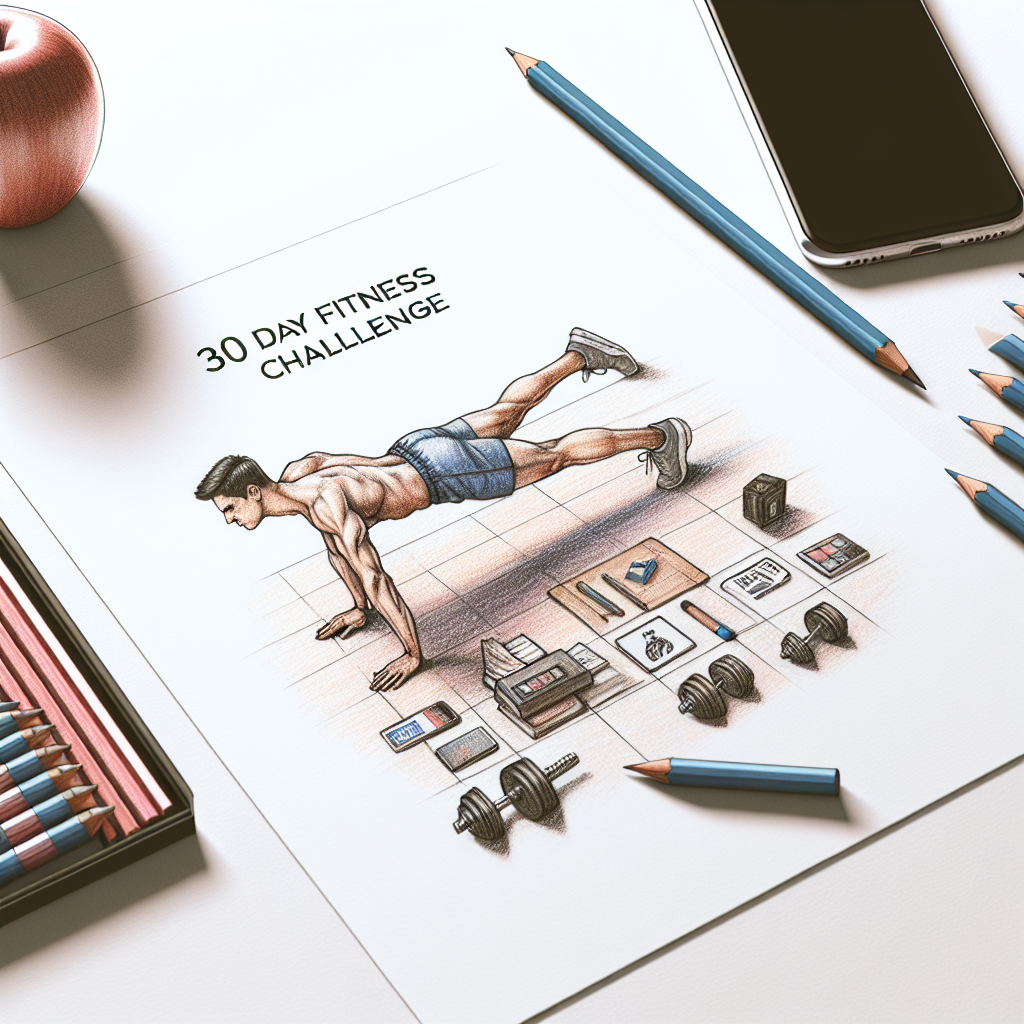
- Week 1: Core Strength (Planks, Sit-Ups, Bicycle Crunches)
- Week 2: Lower Body (Squats, Lunges, Glute Bridges)
- Week 3: Upper Body (Push-Ups, Tricep Dips, Shoulder Taps)
- Week 4: Full Body (Burpees, Mountain Climbers, High Knees)
This cyclical format allows your body to adapt and grow stronger each week. For detailed guidance and a specific routine tailored to your needs, consider registering for a streamlined online program that emphasizes just six minutes of daily exercise. You can find this at this link.
Practical Steps to Begin
- Set Clear Goals: Determine what you hope to achieve by the end of the 30 days. Whether it’s improved strength, weight loss, or increased stamina, having a clear target is essential.
- Create a Dedicated Space: Identify a specific area in your home where you can consistently perform your workouts without distractions.
- Establish a Routine: Choose a time each day that best fits your schedule, making your workout a non-negotiable part of your day.
- Track Your Progress: Keep a journal to note your achievements, be it repetitions, duration, or how you feel after each session.
- Stay Consistent: Adherence is key. Commit fully to the challenge, even on days when motivation wanes.
When to Consult a Professional
While embarking on a fitness journey can yield numerous benefits, it is crucial to be aware of certain signs that warrant professional consultation:
- Persistent pain or discomfort during exercises.
- Increased fatigue or difficulty in recovery.
- Pre-existing conditions that may require tailored guidance.
- Significant changes in physical or mental health.
Consulting with a fitness trainer or healthcare professional can help ensure that your approach is both safe and effective.
Common Myths and Misconceptions
Despite the growing popularity of no-equipment workouts, several myths persist:
- Myth 1: Bodyweight exercises are less effective than weight training. Reality: They can be equally effective for building strength and endurance when performed correctly and with progression.
- Myth 2: Only gym workouts lead to significant weight loss. Reality: Consistency and proper nutrition matter more than the setting in which you exercise.
- Myth 3: More equipment leads to better results. Reality: Effective workouts can be achieved using just your body weight and dedication.
FAQ
What kind of exercises will I do in the 30-day challenge?
You will primarily engage in bodyweight exercises, targeting various muscle groups each week.
Can beginners participate in the challenge?
Absolutely! The exercises can be modified to suit different fitness levels.
How much time do I need to commit daily?
The program is designed for just six minutes of exercise per day.
What if I miss a day?
If you miss a day, simply continue with the next day’s workout and try to maintain your routine for the remainder of the challenge.
Do I need a special diet to see results?
A balanced diet can enhance your results, but it is not mandatory. Focus on consistency with your workouts first.
Is this program suitable for older adults?
Yes, with modifications, older adults can safely participate in these exercises. It may be advisable to consult a healthcare professional beforehand.
Conclusion
- Embrace a 30-day no-equipment fitness challenge to enhance your physical health efficiently.
- Short, daily workouts can fit seamlessly into any lifestyle, proving that time is not a barrier to fitness.
- Track your progress to stay motivated and committed to your goals throughout the challenge.
- Be mindful of your body’s signals and consult a professional if needed.
- Explore additional resources, such as a tailored six-minute daily program, to optimize your results.
Take the first step towards a healthier you today! Consider registering for a program designed to maximize the efficiency of your workouts: sign up here.
Author: John Angel