Achieving a Six-Pack: Equipment-Free Workouts
Many individuals aspire to achieve defined abdominal muscles, commonly known as a “six-pack.” Despite the common misconception that these muscles can only be developed with expensive gym equipment, it is entirely feasible to achieve remarkable results through targeted exercises that require no specialized tools. This blog will guide you through effective workout routines that enhance your abdominal strength and definition without the need for equipment.
- Understanding Core Muscles
- Essential Exercises for a Six-Pack
- Structuring Your Workout Routine
- Common Misconceptions
- When to Consult a Professional
- Frequently Asked Questions
- Conclusion
Understanding Core Muscles
To appreciate how to develop a six-pack, it is essential to understand the core muscles’ role. The core comprises several muscle groups, including the rectus abdominis, transverse abdominis, and obliques. These muscles not only contribute to the appearance of a six-pack but also support the pelvis and spine, promote good posture, and enhance overall athletic performance.
Essential Exercises for a Six-Pack
The following exercises are effective for targeting abdominal muscles without requiring any equipment. Performing these movements regularly empowers you to build strength and definition, fostering muscle growth and fat loss.
1. Plank
The plank engages multiple core muscles simultaneously.
- Begin in a push-up position, resting on your forearms.
- Ensure your body forms a straight line from head to heels.
- Hold this position for 30 seconds to one minute.
2. Bicycle Crunches
Bicycle crunches effectively target the rectus abdominis and obliques.
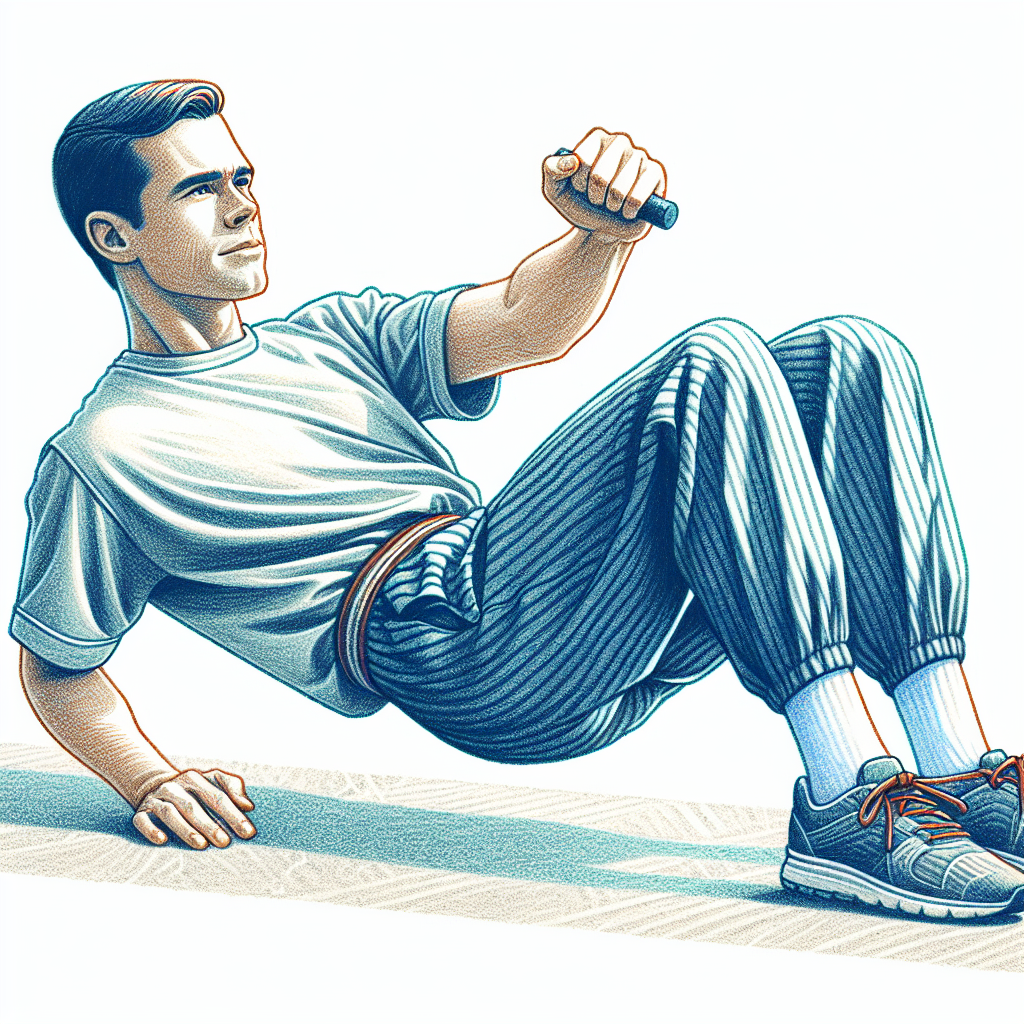
- Lie on your back with your hands behind your head.
- Bend your knees at a 90-degree angle.
- Lift your shoulders off the ground and alternate bringing your knees towards your chest while extending the opposite leg.
- Continue alternating for 20-30 repetitions.
3. Leg Raises
Leg raises primarily target the lower abdominal area.
- Lie flat on your back with legs fully extended.
- Slowly raise your legs to a 90-degree angle and then lower them without touching the ground.
- Perform 15-20 repetitions.
4. Mountain Climbers
Mountain climbers combine cardio with core strengthening.
- Start in a high plank position.
- Quickly alternate bringing knees towards your chest.
- Aim for 30 seconds to one minute, maintaining a steady pace.
5. Russian Twists
Russian twists are excellent for oblique engagement.
- Sit on the ground with your knees bent and feet hovering above the floor.
- Lean back slightly and rotate your torso left and right, touching the ground beside you.
- Perform 20 twists total.
Structuring Your Workout Routine
Creating a structured workout routine is vital for optimal results. A well-balanced routine should incorporate the essential exercises mentioned. Here’s a suggested weekly structure:
- Day 1: Plank, Bicycle Crunches, Leg Raises
- Day 2: Mountain Climbers, Russian Twists, Plank
- Day 3: Leg Raises, Bicycle Crunches, Mountain Climbers
- Day 4: Rest or light cardio
- Day 5: Repeat Day 1
- Day 6: Repeat Day 2
- Day 7: Rest
For those seeking a comprehensive approach to exercise, consider enrolling in a 30-day exercise program where you only need to commit to six minutes of quality exercise each day, yet achieve results comparable to regular gym attendance.
Common Misconceptions
As with many fitness-related topics, there are several misconceptions surrounding the quest for a six-pack. Understanding these myths is key to optimizing your approach.
- Myth 1: Spot reduction is possible. Many believe they can lose fat exclusively in the abdominal area. In reality, overall body fat reduction is necessary to reveal abdominal muscles.
- Myth 2: More is better. Over-exercising the abdominal muscles can lead to injury. Quality and consistency, not quantity, are vital.
- Myth 3: Six-packs are purely genetic. While genetics play a role, dedication to a balanced workout regimen and proper nutrition can help most individuals achieve their desired physique.
When to Consult a Professional
Engaging in an exercise program may sometimes lead to discomfort or injury. It is essential to seek professional help under the following circumstances:
- If you experience persistent pain during or after exercises.
- If you have underlying health conditions that may affect your ability to exercise safely.
- If you feel uncertain about your technique or form, risking injury.
- If you wish to seek personalized fitness plans from an experienced trainer.
Frequently Asked Questions
How long will it take to see results?
Results can vary, but with consistent effort and proper nutrition, you may start to see visible improvements in about 6-8 weeks.
Should I combine these workouts with any specific diet?
A balanced diet rich in protein, healthy fats, and vegetables will support your workout efforts and help reduce body fat.
How often should I do these workouts?
Engaging in these workouts 3-4 times per week, combined with rest days, is effective for muscle recovery and growth.
Can I do these workouts every day?
While core muscles can handle frequent engagements, it is recommended to allow rest days to prevent overtraining and injury.
Are there any modifications for beginners?
Yes, beginners can reduce the intensity or duration of exercises, such as holding a plank for shorter intervals or performing leg raises with bent knees.
What if I have back issues?
Individuals with back problems should consult a healthcare provider before starting any new exercise routine, focusing on safer alternatives as needed.
Conclusion
- Achieving a six-pack is possible without equipment.
- Understanding your core muscles is essential for effective workouts.
- Regularly practicing targeted exercises leads to greater strength and definition.
- Consulting a professional for personalized guidance can enhance your fitness journey.
- Committing to a structured routine while debunking common myths is key to success.
As you embark on your journey toward achieving defined abdominal muscles, consider taking the first step toward guided commitment by signing up for a 30-day exercise program. Your six-pack awaits!
Author: John Angel