Categories
Fitness

Effective Bodyweight Workouts for Muscle Building

Workout Routines to Build Muscle Without Equipment

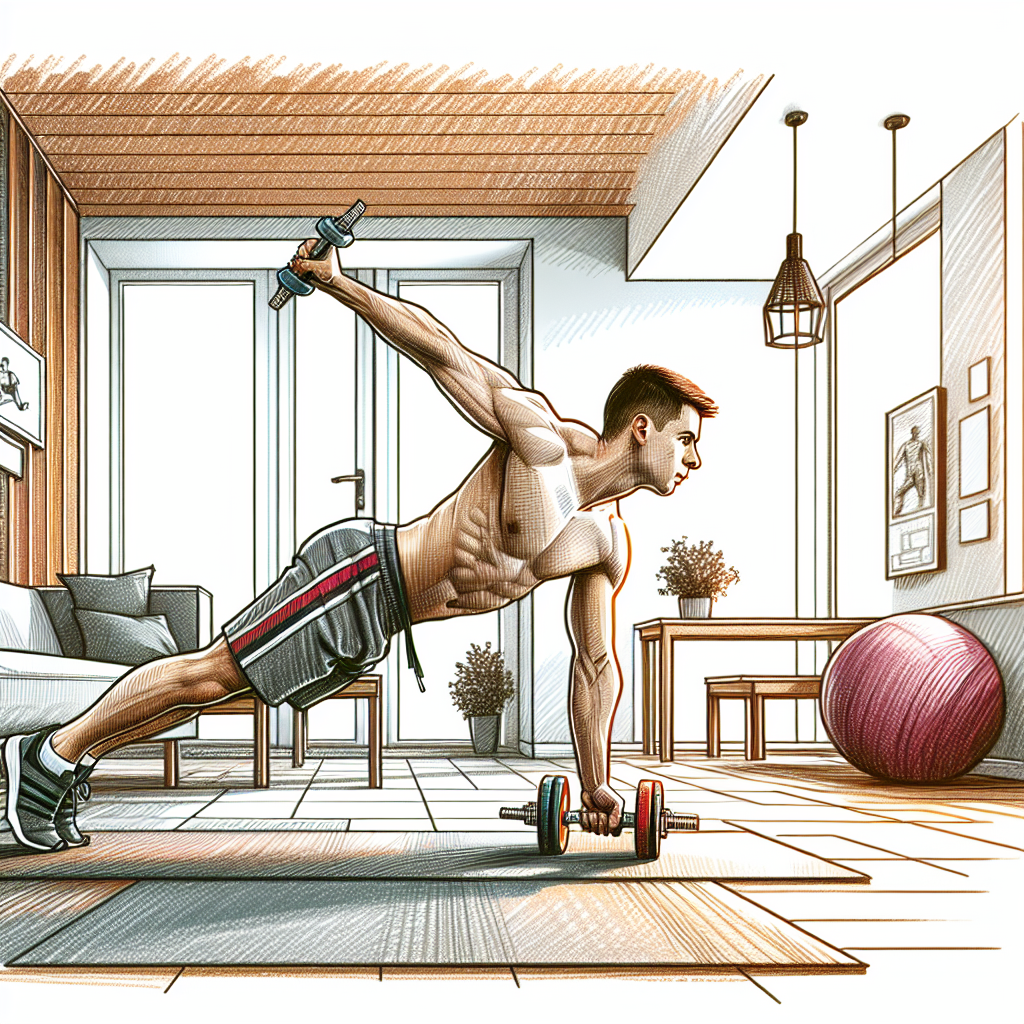
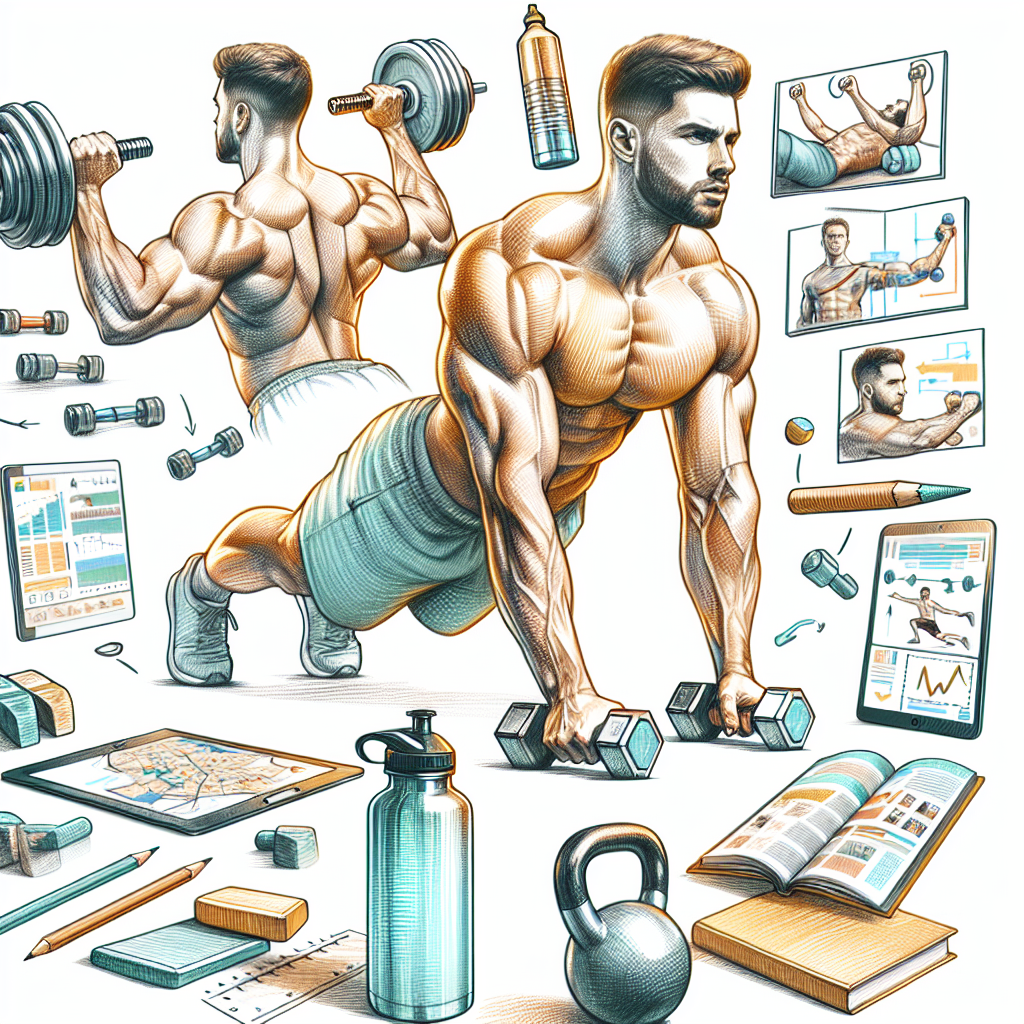
Building muscle does not necessarily require a gym or expensive equipment. With the right workout routines, you can effectively engage your muscles using just your body weight. This article provides valuable insights and practical steps for creating muscle-building routines without the need for equipment. Whether you’re at home, outdoors, or traveling, these exercises can help you reach your fitness goals.

  • Understanding Bodyweight Exercises
  • Effective Muscle-Building Routines
  • Tips for Maximizing Results
  • When to Seek Professional Help
  • Common Myths and Misconceptions
  • FAQ

Understanding Bodyweight Exercises

Bodyweight exercises utilize the weight of your own body to perform resistance training, mimicking many movements found in traditional weightlifting. They can improve strength, endurance, flexibility, and overall fitness levels.

Common bodyweight exercises include push-ups, squats, lunges, and planks. These exercises engage multiple muscle groups, enhancing coordination and functional strength. They are also highly adaptable, allowing you to modify them according to your fitness level.

Effective Muscle-Building Routines

The following routines emphasize compound movements that engage multiple muscle groups, promoting muscle growth and building strength:

Routine 1: Upper Body Strength

  1. Push-ups: 3 sets of 8-12 reps
  2. Tricep Dips (using a chair): 3 sets of 8-12 reps
  3. Inverted Rows (using a sturdy table): 3 sets of 8-12 reps

Routine 2: Lower Body Strength

  1. Squats: 3 sets of 12-15 reps
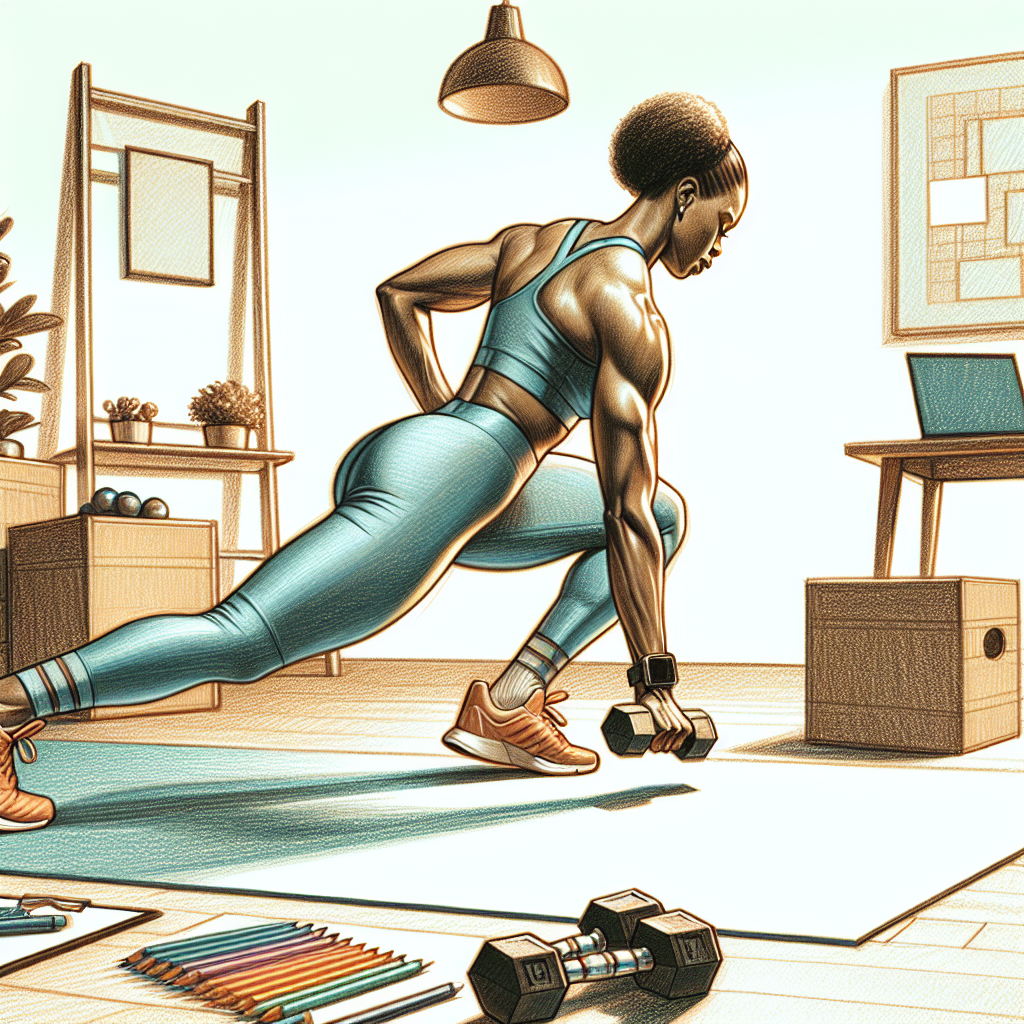
  2. Lunges: 3 sets of 10 reps on each leg
  3. Calf Raises: 3 sets of 15-20 reps

Routine 3: Core Stability

  1. Plank: 3 sets of 30-60 seconds
  2. Side Plank: 3 sets of 15-30 seconds on each side
  3. Mountain Climbers: 3 sets of 15-20 reps

Tips for Maximizing Results

For effective muscle building, consider the following tips:

  • Maintain a consistent workout schedule, ideally 3-5 times a week.
  • Focus on proper form to prevent injuries.
  • Incorporate progressive overload by gradually increasing repetitions or sets.
  • Ensure sufficient rest between sets; ideally 30-90 seconds.
  • Consider integrating a short yet effective program, such as a 30-day exercise plan consisting of only 6 minutes of daily workouts. You can register for a free program here.

When to Seek Professional Help

If you experience persistent pain or discomfort while exercising, it is essential to consult a qualified fitness professional or a medical practitioner. Signs that you should seek professional assistance include:

  • Severe or acute pain during exercise
  • Injuries from previous workouts that do not heal
  • A significant decrease in performance or ability to complete exercises

Common Myths and Misconceptions

As bodyweight exercises gain popularity, several myths persist. Understanding these misconceptions can enhance your workout experience:

  • Myth: Bodyweight exercises do not build muscle. In reality, they can be just as effective as weightlifting, especially for beginners.
  • Myth: Only intense workouts yield results. Consistency and proper form are far more critical than intensity alone.
  • Myth: You need a gym for muscle growth. Home workouts can be equally beneficial with the right approach.

FAQ

Can I build muscle without any equipment?

Yes, bodyweight exercises can effectively build muscle strength and size without any equipment.

How often should I perform bodyweight workouts?

Aim for 3-5 sessions per week, allowing for recovery between workouts.

What are the best bodyweight exercises for beginners?

Push-ups, squats, lunges, and planks are excellent starting points for beginners.

Can I lose weight while building muscle with bodyweight exercises?

Yes, bodyweight workouts can support both muscle building and weight loss, especially when combined with a balanced diet.

How long will it take to see results from bodyweight workouts?

Results vary, but consistency typically leads to noticeable improvements within 4-6 weeks.

Is it necessary to warm up before the workout?

Absolutely. Warming up prepares your muscles and reduces the risk of injury.

Conclusion

  • Bodyweight exercises are effective for building muscle without expensive equipment.
  • Focus on compound movements to maximize your workout efficiency.
  • Consistency and proper technique are crucial for effective results.
  • Be aware of warning signs that may require professional consultation.
  • Break common myths surrounding bodyweight training for a more successful fitness journey.

Start your journey towards building muscle effectively without equipment today. For a guided experience, consider registering for a free 30-day program that requires just 6 minutes of daily commitment. You can get started here.

Author: John Angel

Related articles

Categories
Fitness

Effective Bodyweight Workouts for Muscle Building

Workouts to Build Muscle: No Equipment Needed

Building muscle without access to any equipment is both feasible and effective. By utilizing your own body weight, you can engage in a variety of exercises that promote muscle growth and enhance strength. This article explores various bodyweight exercises, outlines a practical routine, and addresses common misconceptions in the fitness community. Whether you are a beginner or someone with experience looking to diversify your routine, this guide serves as a comprehensive resource.

  • Understanding Muscle Building
  • Key Exercises for Muscle Development
  • Creating an Effective Routine
  • Common Misconceptions
  • When to Consult a Professional
  • FAQ
  • Conclusion

Understanding Muscle Building

Muscle building, scientifically referred to as hypertrophy, occurs when muscle fibers sustain damage during exercises and subsequently repair and grow stronger. This process is stimulated through progressive resistance, which can be effectively achieved even without traditional gym equipment. By focusing on bodyweight exercises, you can achieve similar results to weight training, enhancing both strength and endurance.

Key Exercises for Muscle Development

Various bodyweight exercises target different muscle groups. Here are some effective movements to include in your regimen:

  • Push-Ups: Engaging your chest, shoulders, and triceps, push-ups can be modified to suit all fitness levels.
  • Squats: Fundamental for building lower body strength, squats activate quadriceps, hamstrings, and glutes.
  • Planks: A core-strengthening exercise that also works your shoulders and back when held in various positions.
  • Lunges: Enhancing balance while targeting the legs and glutes, lunges are versatile and effective.
  • Burpees: A high-intensity full-body exercise that improves cardiovascular fitness while building muscle.

Creating an Effective Routine

An optimal workout routine integrates various exercises that challenge all major muscle groups. Below is a simple 6-minute regimen you can easily incorporate into your day:

  1. 30 seconds of push-ups
  2. 30 seconds of bodyweight squats
  3. 30 seconds of planks
  4. 30 seconds of lunges (15 seconds each leg)
  5. 30 seconds of burpees
  6. 30 seconds of rest, then repeat the circuit

This routine can be intensified by increasing hold times or adding variations to each exercise. For an in-depth 30-day exercise program requiring only 6 minutes per day for optimal results, consider registering here.

Common Misconceptions About Bodyweight Training

Despite its efficacy, bodyweight training is often overlooked due to prevalent myths. Here are some common misconceptions:

  • Myth 1: Bodyweight exercises are not challenging.
  • Myth 2: You can’t build significant muscle without weights.
  • Myth 3: Bodyweight training only serves for beginners.
  • Myth 4: More reps are always better.

Each of these statements is misleading. Bodyweight exercises can indeed be progressed in difficulty, can promote significant hypertrophy, and can effectively challenge even advanced trainees.

When to Consult a Professional

While bodyweight exercises are generally safe for most individuals, certain situations warrant consultation with a health or fitness professional. Consider seeking professional guidance if you experience any of the following:

  • Persistent pain that doesn’t subside with rest
  • Injury history that may affect your workout
  • Uncertainty about proper exercise form
  • Goals beyond general fitness, such as specific athletic performance
  • Medical conditions that may be aggravated by physical activity

FAQ

Can I build muscle without any weights?

Yes, bodyweight exercises can effectively promote muscle growth and strength without the need for weights.

How often should I perform bodyweight exercises?

It is recommended to engage in bodyweight workouts 3-5 times per week for optimal muscle engagement and recovery.

Are bodyweight exercises suitable for beginners?

Absolutely, bodyweight exercises can be tailored to fit any fitness level, including complete beginners.

What is the best bodyweight exercise to start with?

Push-ups and squats are excellent starting points for beginners, targeting upper and lower body strength respectively.

Can I lose weight while focusing on muscle building?

Yes, muscle building can contribute to weight loss, as increased muscle mass boosts metabolism and promotes fat loss.

How long will it take to see results from bodyweight workouts?

Results vary by individual, but consistent training may yield noticeable improvements in strength and muscle tone within a few weeks.

Conclusion

  • Bodyweight exercises are effective for muscle building.
  • A balanced routine can be created within just 6 minutes a day.
  • Understanding and dispelling myths helps maximize workout efficacy.
  • Monitoring your body and consulting professionals when necessary is crucial.
  • Consistency and proper technique are key for optimal results.

Incorporate bodyweight exercises into your daily routine to build muscle and enhance overall fitness. For an innovative approach to daily exercise, consider registering for a free 30-day program that requires only 6 minutes of your time each day: join here.

Author: John Angel

Related articles

Categories
Fitness

Effective Strength Exercises Without Weights for Home Workouts

Strength Exercises Without Weights: Building Power and Endurance at Home

In an age where time and accessibility often dictate our fitness choices, strength exercises that require no weights provide an excellent alternative for enhancing physical fitness. These exercises can effectively build muscle, improve flexibility, and increase endurance without the need for expensive equipment or gym memberships. Ultimately, whether you are a seasoned athlete or a beginner, incorporating weight-free exercises into your routine can yield significant health benefits.

  • Understanding Bodyweight Exercises
  • Benefits of No-Weight Strength Training
  • Effective Bodyweight Exercises
  • Creating Your Own Routine
  • When to Consult a Professional
  • Common Myths and Misconceptions
  • Frequently Asked Questions

Understanding Bodyweight Exercises

Bodyweight exercises, otherwise known as callisthenics, leverage your own weight to create resistance. Common examples include push-ups, squats, lunges, and planks. These forms of exercise activate multiple muscle groups, enhancing strength and coordination effectively. For individuals unable to visit a gym or reluctant to use weights, these exercises serve as an accessible and efficient option.

Benefits of No-Weight Strength Training

Engaging in strength exercises without weights offers several advantages:

  • Accessibility: No special equipment is required, making it easy to integrate into any lifestyle.
  • Versatility: They can be done virtually anywhere, whether at home, in a park, or during travel.
  • Injury Prevention: They can strengthen stabilizing muscles, which reduces the risk of injury.
  • Cardiovascular Benefits: Many bodyweight exercises elevate your heart rate, promoting better cardiovascular health.
  • Enhanced Flexibility: Several bodyweight exercises incorporate stretching, improving overall flexibility.

Effective Bodyweight Exercises

Below is a list of effective bodyweight exercises that can enhance strength and stamina:

  • Push-Ups: Great for upper body strength, particularly the chest, shoulders, and triceps.
  • Squats: Enhance leg power and stability by targeting the quadriceps, hamstrings, and glutes.
  • Lunges: Work on balance, coordination, and primarily strengthen your lower body.
  • Planks: Excellent for core stability, engaging multiple muscle groups simultaneously.
  • Burpees: A full-body exercise that enhances cardiovascular fitness while building strength.
  • Mountain Climbers: A dynamic exercise that combines strength training with aerobic activity.

Creating Your Own Routine

To derive maximum benefits from bodyweight exercises, a structured routine is essential. Below are steps to create a tailored plan:

  1. Define Your Goals: Identify what you aim to achieve—muscle gain, fat loss, or improved endurance.
  2. Select Exercises: Choose a variety of exercises that target different muscle groups.
  3. Determine Frequency: Aim for at least three to four sessions each week.
  4. Establish Duration: A session can last anywhere from a few minutes to an hour, depending on your schedule.
  5. Track Your Progress: Log your workouts to monitor improvements and stay motivated.
  6. Consider a Structured Program: For optimal results, explore a 30-day exercise program where you exercise for just 6 minutes daily, achieving results comparable to traditional gym workouts.

When to Consult a Professional

While bodyweight exercises offer immense benefits, there are instances where professional guidance may be necessary:

  • If you experience unexplained pain during exercise.
  • Should you have pre-existing conditions affecting mobility or flexibility.
  • In cases of injury or recovery from surgery, customized advice is crucial.
  • For specific goals or performance enhancements, professional training can provide tailored methods.

Common Myths and Misconceptions

Despite the growing popularity of bodyweight exercises, several misconceptions persist:

  • They Are Too Easy: Bodyweight exercises can be highly challenging and can be modified for various fitness levels.
  • Limited Effectiveness: Research suggests that bodyweight training can produce similar results to traditional weight training.
  • Only for Beginners: Advanced variations exist that can provide rigorous workouts for seasoned athletes.

Frequently Asked Questions

Can I build muscle with only bodyweight exercises?

Yes, bodyweight exercises can effectively build muscle by providing resistance and promoting muscle hypertrophy.

How often should I perform bodyweight exercises?

Aim for at least three to four times a week to notice significant improvements in strength and endurance.

Are bodyweight exercises suitable for all fitness levels?

Absolutely! Bodyweight exercises can be modified to suit beginners and advanced athletes alike.

What is the best way to warm up before these exercises?

Dynamic stretches and light aerobic movements can help prepare your muscles for the workout ahead.

Can I lose weight with bodyweight exercises?

Indeed, bodyweight exercises, when combined with a balanced diet, contribute significantly to weight loss efforts.

Do I need to cool down after a session?

Yes, cooling down with static stretches can aid recovery and improve flexibility.

Conclusion

  • Bodyweight exercises are accessible and highly effective for strength training.
  • They provide numerous benefits, including increased strength, flexibility, and cardiovascular health.
  • By following a structured routine, you can maximize the effectiveness of your workouts.
  • Seeking professional guidance may be beneficial in specific circumstances.
  • Be aware of common myths surrounding bodyweight exercises to better understand their capabilities.

As you embark on your fitness journey, consider integrating these powerful bodyweight exercises into your routine. For a more guided experience, explore the 30-day exercise program to see effective results in just 6 minutes each day. Start your journey today!

Author: John Angel

Related articles

Categories
Fitness

Home Weight Training: Effective Bodyweight Exercises

Weight Training at Home Without Weights

Engaging in weight training at home without traditional weights may seem daunting, yet it presents an excellent opportunity to enhance strength and endurance. Through bodyweight exercises and various creative methods, you can achieve substantial fitness results. This article explores effective techniques for weight training at home without weights, ensuring convenience while promoting health and fitness. To aid your fitness journey, consider registering for a free 30-day exercise program that requires only 6 minutes of effort daily, achieving results comparable to those from a gym visit: 30-day exercise program.

  • Understanding Bodyweight Training
  • Effective Exercises Without Equipment
  • Creating a Balanced Routine
  • Common Myths and Misconceptions
  • When to Consult a Professional
  • FAQ
  • Conclusion

Understanding Bodyweight Training

Bodyweight training utilizes the individual’s weight as resistance to improve strength, flexibility, and endurance. This form of training presents several advantages, including:

  • Accessibility: No special equipment is necessary.
  • Versatility: Exercises can be performed anywhere.
  • Scalability: Modifications allow adjustments based on fitness levels.

By emphasizing compound movements, bodyweight training ensures the engagement of multiple muscle groups, promoting efficient workouts.

Effective Exercises Without Equipment

There are numerous bodyweight exercises that can effectively build muscle and enhance fitness. Below are some fundamental movements:

1. Push-Ups

Push-ups target the chest, shoulders, and triceps. Variations include standard, inclined, and declined push-ups to vary intensity.

2. Squats

Squats strengthen the lower body, including the quadriceps, hamstrings, and glutes. Incorporating jump squats can also provide a cardio workout.

3. Lunges

Lunges enhance balance and coordination while primarily working the legs. Forward, reverse, and lateral lunges are effective variations.

4. Planks

Planks engage the core and improve stability. Variations such as side planks and plank reaches can also target different muscle groups.

5. Burpees

Burpees offer a full-body workout that combines strength training and cardio. They are particularly effective for improving endurance.

Creating a Balanced Routine

A well-rounded workout routine incorporates various exercises targeting different muscle groups. Consider the following tips for crafting an effective regimen:

  • Warm-Up: Always begin with a warm-up to prepare your muscles.
  • Focus on All Muscle Groups: Target upper body, lower body, and core in each session.
  • Incorporate Rest Days: Allow muscles time to recover to prevent injury.
  • Progression: Gradually increase the intensity or duration of exercises.
  • Cool Down: Conclude workouts with stretching to enhance flexibility.

Common Myths and Misconceptions

Many misconceptions surround bodyweight training. Addressing these myths can provide clarity:

  • Myth 1: Bodyweight exercises are only for beginners. Truth: They can be adjusted to suit all fitness levels.
  • Myth 2: You cannot build muscle without weights. Truth: Progressive bodyweight training can yield significant strength gains.
  • Myth 3: Bodyweight workouts are less effective than gym workouts. Truth: With proper execution, they can be equally effective.

When to Consult a Professional

While bodyweight training is generally safe, there are instances when consulting a qualified professional is advisable. Seek assistance if you experience:

  • Persistent pain or discomfort during exercises.
  • Injury that affects mobility or strength.
  • Uncertainty regarding proper technique that may lead to injury.
  • Existing health conditions that may impact physical activities.

FAQ

Is bodyweight training effective for building muscle?

Yes, bodyweight training can be highly effective in building muscle when exercises are performed progressively with added intensity.

How often should I perform bodyweight exercises?

Aim for at least 3-5 times per week to see optimal results, allowing for rest days in between.

Can I lose weight with bodyweight training?

Yes, when combined with a healthy diet, bodyweight training can contribute significantly to weight loss and overall fitness.

Are there specific bodyweight exercises for beginners?

Yes, exercises like modified push-ups, wall squats, and knee lunges are great starting points for beginners.

Is it possible to achieve results similar to gym workouts?

Absolutely, with commitment and consistent progression, bodyweight training can yield results comparable to those attained in the gym.

Can I combine bodyweight training with cardio activities?

Yes, combining bodyweight training with cardio exercises such as running or cycling can enhance overall fitness and cardiovascular health.

Conclusion

  • Bodyweight training is accessible and versatile, requiring no equipment.
  • Effective exercises include push-ups, squats, lunges, planks, and burpees.
  • A balanced routine should target all muscle groups with appropriate rest days.
  • Address myths to gain confidence and understanding in bodyweight workouts.
  • Consult a professional when in doubt or experiencing discomfort.

Engaging in weight training at home without weights presents a unique opportunity for personal development and fitness. Start your journey today by registering for a free 30-day exercise program that only requires 6 minutes of effort daily: 30-day exercise program.

Author: John Angel

Related articles

Categories
Fitness

No-Equipment Strength Workouts: Build Muscle at Home

Strength Home Workout: No Equipment Needed

In an era where fitness is vital for overall health, many individuals find themselves constrained by time, finances, or accessibility to gym facilities. A strength home workout that requires no equipment can provide an efficient means to build muscle, enhance endurance, and boost overall fitness at home. Not only does it save time and money, but it can also be adapted to fit any skill level. By committing just six minutes a day, you can engage in a sustainable fitness routine that yields results comparable to traditional gym workouts. Consider exploring this free registration for a 30-day exercise program: 6-Minute Daily Workout.

  • Understanding Bodyweight Exercises
  • Key Benefits of No-Equipment Workouts
  • Effective Bodyweight Exercises
  • Creating a Structured Routine
  • Common Myths and Mistakes
  • When to Seek Professional Guidance
  • Frequently Asked Questions

Understanding Bodyweight Exercises

Bodyweight exercises utilize the individual’s own weight as resistance. This method is foundational in calisthenics and requires no additional equipment, making it accessible for people at all fitness levels. Key exercises include push-ups, squats, lunges, and planks, each offering unique benefits for strength training. As you progress, variations can be introduced to increase intensity and challenge different muscle groups.

Key Benefits of No-Equipment Workouts

Engaging in strength training without equipment offers numerous advantages:

  • Accessibility: Anyone can do it, regardless of location.
  • Cost-Effective: No gym membership or equipment purchase needed.
  • Flexibility: Workouts can be performed anywhere and anytime, making it easier to fit into a busy schedule.
  • Full-Body Engagement: Many exercises activate multiple muscle groups simultaneously, maximizing efficiency.
  • Scalability: Easily customize the intensity to match your fitness level and goals.

Effective Bodyweight Exercises

Here are several key exercises that can be incorporated into your no-equipment strength workout routine:

  • Push-ups: Great for the chest, shoulders, and triceps. Start in a plank position and lower your body until your chest nearly touches the floor, then push back up.
  • Squats: Target your quadriceps, hamstrings, and glutes. Stand with feet shoulder-width apart, lower your body as if sitting back into an invisible chair, and return to standing.
  • Lunges: Effective for leg strength and balance. Step forward with one leg and lower your hips until both knees are bent at 90 degrees, then return to standing.
  • Planks: Excellent for core stability. Position yourself on your forearms and toes, keeping your body in a straight line. Hold for as long as possible while engaging your core.
  • Burpees: A full-body workout combining a squat, jump, and push-up, increasing both strength and cardiovascular endurance.

Creating a Structured Routine

To maximize the benefits of your home workout, establish a structured routine. A sample weekly plan could consist of:

  • Day 1: Upper Body Focus – Push-ups, tricep dips, and shoulder taps.
  • Day 2: Lower Body Focus – Squats, lunges, and glute bridges.
  • Day 3: Core Focus – Planks, side planks, and Russian twists.
  • Day 4: Combination – Circuit of the previous days’ exercises.
  • Day 5: Active Recovery – Light stretching or yoga.
  • Day 6: Full Body – Burpees, mountain climbers, and jumping jacks.
  • Day 7: Rest Day – Essential for muscle recovery and growth.

Common Myths and Mistakes

There are prevalent misconceptions surrounding bodyweight training and some common mistakes that can hinder progress:

  • Myth 1: Bodyweight workouts are not effective for building muscle. In reality, when performed correctly and progressively, they can lead to significant strength gains.
  • Myth 2: You need heavy weights to achieve results. Bodyweight exercises can be as challenging, especially when variations increase the difficulty.
  • Common Mistake: Rushing through exercises without proper form can lead to injury. Always prioritize technique over speed.
  • Common Mistake: Neglecting to progress as you get stronger. Incorporate variations and increased repetitions to avoid plateaus.

When to Seek Professional Guidance

While engaging in strength-training workouts at home is generally safe, it is advisable to consult a qualified professional in the following circumstances:

  • You experience pain or discomfort that persists during or after workouts.
  • You have a pre-existing medical condition that may affect your ability to exercise safely.
  • Unsure about the correct form or technique for specific exercises.
  • Seeking personalized guidance tailored to your fitness goals and capability.

Frequently Asked Questions

1. How long does a no-equipment workout take?

A no-equipment workout can be done in as little as six minutes, focusing on high-intensity exercises for maximum effectiveness.

2. Can beginners start with bodyweight exercises?

Yes, bodyweight exercises are suitable for beginners and can be adjusted to match fitness levels.

3. How often should I do strength workouts at home?

Aim for at least three to five times a week for the best results, incorporating rest days to allow for recovery.

4. Do I need to warm up before bodyweight exercises?

Indeed, warming up is important to prepare your muscles and prevent injury. Simple dynamic stretches can suffice.

5. How can I make bodyweight exercises more challenging?

Incorporate advanced variations, increase repetitions or sets, or reduce rest time between exercises to heighten intensity.

6. Is it possible to build muscle with no equipment?

Absolutely! Consistent bodyweight training and progressive overload can lead to muscle growth over time.

Conclusion

  • Bodyweight exercises offer a versatile and effective means to strengthen muscles without equipment.
  • There are numerous benefits, including accessibility, cost-effectiveness, and flexibility of training.
  • Creating a structured routine can maximize results while preventing plateaus.
  • Be aware of common myths and mistakes that can obstruct progress.
  • If unsure about your training, or experiencing discomfort, consulting a professional is recommended.

Embark on your fitness journey today by exploring a structured program that requires only six minutes per day and promises impactful results: Join Now.

Author: John Angel

Related articles

Categories
Fitness

Effective Bodyweight Training: Build Strength Without Equipment

Weight Training Without Equipment: Unlock Your Physical Potential

Embarking on a weight training regimen without equipment can be a transformative journey. It offers a highly accessible and effective way to build strength, enhance muscle definition, and improve overall physical fitness. This article will guide you through various exercises, strategies, and the mental framework required to succeed in bodyweight training, allowing you to achieve gym-like results from the comfort of your home.

  • Introduction
  • Benefits of Weight Training Without Equipment
  • Key Bodyweight Exercises
  • Structuring Your Workout Routine
  • Common Myths and Misconceptions
  • When to Seek Professional Guidance
  • FAQs
  • Conclusion

Benefits of Weight Training Without Equipment

Weight training using only your body as resistance offers numerous benefits:

  • Accessibility: No gym membership or equipment purchase is necessary.
  • Versatility: You can execute exercises virtually anywhere, making it easy to incorporate into your daily routine.
  • Functional Strength: Bodyweight training enhances strength that transfers to everyday activities.
  • Joint Safety: Engaging in low-impact movements minimizes the risk of injury.
  • Consistency: Short, effective workouts can lead to sustained adherence, especially for those with busy schedules.

Key Bodyweight Exercises

Incorporating a variety of exercises targeting different muscle groups is essential for balanced training. Here are some effective movements:

1. Push-Ups

A fundamental exercise that targets the chest, shoulders, and triceps. Variations like incline push-ups or decline push-ups can add difficulty.

2. Squats

This lower-body exercise engages the quadriceps, hamstrings, and glutes. To increase intensity, consider one-legged squats.

3. Planks

A core-strengthening exercise that promotes stability and engages multiple muscle groups simultaneously.

4. Lunges

Lunges work the legs while improving balance and coordination. Side lunges and reverse lunges add variety.

5. Burpees

A high-intensity movement combining a squat, push-up, and jump, excellent for building cardiovascular stamina and strength.

Structuring Your Workout Routine

Creating a balanced workout routine is vital for optimal results. Here are steps to design your regimen:

  1. Determine Frequency: Aim for at least three to four days a week of bodyweight training.
  2. Warm-Up: Perform dynamic stretches and mobility exercises to prepare your body.
  3. Exercise Selection: Select 5-7 exercises targeting different muscle groups.
  4. Set Repetitions: Complete 2-4 sets of each exercise with 8-15 repetitions, depending on your fitness level.
  5. Cool Down: Conclude with static stretches to promote flexibility and recovery.
  6. Progression: Gradually increase repetitions, sets, or exercise difficulty to ensure continuous improvement.

For an innovative approach, consider registering for a free 30-day exercise program where you only need to exercise for 6 minutes each day. This program ensures you achieve results as if you were going to the gym. You can learn more and sign up here.

Common Myths and Misconceptions

Bodyweight training often comes with preconceived notions that can hinder its acceptance. Here are some prevalent myths:

  • Myth 1: Bodyweight exercises are not effective for building muscle.
  • Myth 2: You must lift weights to gain strength.
  • Myth 3: Bodyweight training is only for beginners.
  • Myth 4: You cannot achieve cardiovascular benefits without machines.

In reality, bodyweight exercises can be as challenging and rewarding as traditional weightlifting, promoting strength and endurance if performed correctly.

When to Seek Professional Guidance

While bodyweight training is generally safe, there are circumstances where consulting a professional is advisable:

  • If you have pre-existing medical conditions affecting physical activity.
  • When experiencing pain that persists beyond normal muscle fatigue.
  • If you’re unsure of proper form and technique, risking injury.
  • When aiming for specific goals that require tailored guidance.

FAQs

Can I build muscle using only bodyweight exercises?

Yes, bodyweight exercises can effectively build muscle by using resistance and progressively increasing difficulty.

How often should I perform bodyweight training?

Aim for three to four sessions per week, allowing adequate rest between workouts targeting the same muscle groups.

Is it safe for beginners?

Bodyweight training is generally safe for beginners, but starting slowly and focusing on form is crucial.

Do I need to warm up before exercising?

Yes, warming up prepares your body and reduces the risk of injury; incorporate dynamic stretches before workouts.

Can I combine bodyweight training with other exercise forms?

Absolutely! Combining with activities like running or cycling can provide a well-rounded fitness routine.

How long will it take to see results?

Results can vary based on factors like frequency and intensity, but noticeable changes may occur within 4-6 weeks of consistent training.

Conclusion

  • Weight training without equipment is accessible and effective.
  • Key exercises include push-ups, squats, planks, lunges, and burpees.
  • Structuring a balanced routine is essential for optimal results.
  • Debunking common myths helps inform better training practices.
  • Seek professional guidance if unsure about your training regimen or if experiencing pain.

By understanding and applying the principles outlined in this article, you can confidently embark on your journey of weight training without equipment. Start today and take the first steps toward a fitter, healthier you!

Author: John Angel

Related articles

Categories
Fitness

Beginner’s Guide to Strength Training at Home Without Equipment

Strength Training at Home for Beginners Without Equipment

Embarking on a strength training journey can significantly enhance your physical health, regardless of your current fitness level. With the right approach, beginners can effectively strengthen their muscles and improve endurance without the need for specialized equipment. This article aims to provide you with practical guidance and a structured plan to initiate your strength training routine from the comfort of your home. Plus, we will share a highly effective 30-day exercise program that requires just six minutes of your day while delivering impressive results. You can register for the program here.

  • Introduction
  • Understanding Strength Training
  • Benefits of Strength Training at Home
  • Essential Exercises for Beginners
  • Creating a Weekly Workout Schedule
  • Common Mistakes to Avoid
  • When to Consult a Professional
  • FAQs
  • Conclusion

Understanding Strength Training

Strength training involves engaging in physical exercises designed to improve strength and endurance. It encompasses various methods, including bodyweight exercises, which are particularly suited for beginners. The primary focus is on using one’s body as resistance, thus promoting muscle growth and overall fitness without the need for weights or machines.

Benefits of Strength Training at Home

Engaging in strength training at home offers numerous advantages:

  • Convenience: You can exercise at any time that suits you, eliminating commute time to a gym.
  • Cost-Effective: No monthly gym memberships or equipment purchases are necessary.
  • Privacy: Working out at home provides a comfortable environment free from distractions and judgment.
  • Flexibility: You can tailor workouts to your schedule and fitness level.
  • Enhanced Confidence: Mastering bodyweight exercises can bolster self-efficacy and confidence in your physical abilities.

Essential Exercises for Beginners

For those new to strength training, a few fundamental exercises can form the basis of a well-rounded routine. Here are some effective bodyweight exercises:

  • Push-Ups: Strengthen the chest, shoulders, and triceps. Start in a plank position; lower and raise your body using your arms.
  • Squats: Target the legs and glutes. Stand shoulder-width apart and lower your body as if sitting in a chair before returning to a standing position.
  • Lunges: Focuses on leg strength. Step forward with one leg and lower your hips until both knees are at about 90 degrees.
  • Plank: Engages core muscles. Hold a push-up position but with your weight on your forearms, maintaining a straight line from head to heels.
  • Glute Bridges: Targets the glutes and lower back. Lie on your back with knees bent, raising your hips towards the ceiling.

Creating a Weekly Workout Schedule

To foster habit formation and track progress, establishing a structured weekly schedule is essential. A suggested outline is as follows:

  1. Day 1: Push-Ups and Squats (3 sets of 8-12 reps)
  2. Day 2: Lunges and Plank (3 sets, 30 seconds each)
  3. Day 3: Glute Bridges (3 sets of 8-12 reps)
  4. Day 4: Active Recovery (light stretching or walking)
  5. Day 5: Repeat Day 1
  6. Day 6: Repeat Day 2
  7. Day 7: Rest

By committing to this straightforward schedule, beginners can progressively build strength and confidence, enhancing overall fitness.

Common Mistakes to Avoid

As a beginner, being aware of common pitfalls can significantly enhance your strength training experience:

  • Neglecting Warm-Up: Always start with a warm-up to prevent injuries. Light aerobic exercises can be effective.
  • Using Incorrect Form: Prioritize proper form over quantity to avoid injuries and maximize effectiveness.
  • Skipping Rest Days: Recovery is crucial for muscle growth; incorporate rest days to allow muscles to heal and strengthen.
  • Setting Unrealistic Goals: Aim for gradual progress rather than immediate results to sustain motivation.
  • Forgetting to Hydrate: Drink plenty of water before, during, and after workouts to maintain hydration and performance.

When to Consult a Professional

It is prudent to seek professional guidance if you experience any of the following:

  • Persistent pain during or after exercise.
  • Uncertainty about proper exercise form.
  • Existing health conditions that may impact physical activity.
  • Desire for personalized workout plans for specific fitness goals.
  • Need for rehabilitation or adjustments due to past injuries.

FAQs

What is strength training?

Strength training involves exercises aimed at increasing muscle strength and endurance, often through resistance methods.

Can I achieve results without equipment?

Yes, bodyweight exercises effectively build strength and endurance without the use of weights or machines.

How often should I train as a beginner?

Starting with 2-3 sessions per week is advisable, gradually increasing frequency as strength and confidence develop.

Is it necessary to warm up before strength training?

Yes, warming up prepares your body for exercise and helps prevent injuries.

What are some signs I should consult a professional?

Persistent pain, uncertainty about exercise form, or existing conditions affecting physical activity warrant professional advice.

Can I combine strength training with cardio activities?

Absolutely, incorporating both can provide a balanced fitness regimen and maximize health benefits.

Conclusion

  • Strength training at home is accessible and effective for beginners.
  • Bodyweight exercises can yield significant strength and endurance gains.
  • Establishing a structured routine promotes consistency and progress.
  • Avoiding common mistakes enhances workout efficacy and safety.
  • Consulting a professional is recommended if any concerns or injuries arise.

Ready to start your strength training journey? Don’t forget to explore the 30-day exercise program that only requires six minutes of your day for remarkable results. Register for it here.

Author: John Angel

Related articles

Categories
Fitness

Effective Strength Training at Home Without Weights

Strength Training at Home Without Weights

In today’s fast-paced world, finding time to visit the gym can be challenging. However, strength training is crucial for overall health, enhancing muscle tone, improving bone density, and boosting metabolism. Remarkably, one can achieve significant strength gains at home, utilizing bodyweight exercises that require minimal to no equipment. This article will guide you through effective strength-training techniques that you can implement in the comfort of your home, ensuring you maintain an active lifestyle without the burden of weights.

  • Introduction to Bodyweight Training
  • Benefits of Strength Training at Home
  • Essential Bodyweight Exercises
  • Creating an Effective Workout Routine
  • Myths and Common Mistakes
  • When to Seek Professional Guidance
  • Frequently Asked Questions
  • Conclusion: Empowering Your Fitness Journey

Introduction to Bodyweight Training

Bodyweight training involves exercises that rely on an individual’s weight to perform resistance movements. This training method is versatile, accessible, and can be adjusted to fit various fitness levels. Whether you’re a beginner or an advanced athlete, bodyweight exercises can provide a challenging workout that promotes strength development and endurance.

Benefits of Strength Training at Home

Opting for strength training at home, especially without weights, offers numerous advantages:

  • Cost-Effective: No gym memberships or equipment purchases are required.
  • Convenience: Work out according to your schedule, alleviating time constraints.
  • Privacy: Train in a comfortable environment that suits your personal preferences.
  • Adaptability: Modify exercises to match your fitness level, enhancing safety and effectiveness.
  • Comprehensive Fitness: Engages multiple muscle groups, improving overall functional strength.

Essential Bodyweight Exercises

Below are foundational bodyweight exercises that can be seamlessly incorporated into any home training regimen:

  • Push-Ups: Targets chest, shoulders, triceps, and core.
  • Bodyweight Squats: Engages quadriceps, hamstrings, and glutes.
  • Lunges: Strengthens legs and improves balance.
  • Plank: Builds core stability and strength.
  • Burpees: Combines strength and cardio, hitting multiple muscle groups.
  • Glute Bridges: Isolates and strengthens gluteal muscles.

Creating an Effective Workout Routine

To maximize the benefits of strength training at home, consider the following steps to design a balanced workout routine:

  1. Warm-Up: Always start with 5-10 minutes of dynamic stretching or light cardio to prepare your body.
  2. Select Exercises: Choose 4-6 bodyweight exercises that target various muscle groups.
  3. Determine Sets and Reps: Aim for 3 sets of 8-12 repetitions for each exercise, varying the intensity as needed.
  4. Rest Periods: Allow 30-60 seconds of rest between sets to recover adequately.
  5. Cool Down: Conclude your workout with static stretching to promote flexibility and reduce soreness.

For those looking for a structured approach, consider registering for this 30-day exercise program that requires only 6 minutes of daily commitment while delivering results comparable to traditional gym workouts.

Myths and Common Mistakes

Common Misconceptions in Bodyweight Training

Despite its effectiveness, bodyweight training is often surrounded by misconceptions:

  • Myth 1: Bodyweight exercises are not effective for building strength.
  • Myth 2: You cannot achieve muscle hypertrophy without weights.
  • Myth 3: Bodyweight training is only for beginners.
  • Myth 4: Bodyweight exercises are easy and don’t need modifications.

Addressing these myths is essential to understand the true value of bodyweight exercises, catering to all fitness levels and goals.

When to Seek Professional Guidance

While bodyweight training is inherently safe, certain situations may warrant professional advice:

  • If you experience persistent pain during exercises.
  • In cases of pre-existing injuries that may be exacerbated.
  • If you’re uncertain about proper form or technique.
  • To tailor a workout regimen that aligns with specific fitness goals or medical restrictions.

Frequently Asked Questions

Can I build muscle with bodyweight training?

Yes, bodyweight training can effectively build muscle, especially if exercises are progressively challenged and varied.

How often should I do bodyweight training?

Aim for at least three to four times a week, allowing recovery days in between to facilitate muscular recovery.

Is bodyweight training suitable for all ages?

Indeed, bodyweight exercises can be modified for individuals of any age and fitness level, promoting strength safely.

What are the signs of overtraining?

Signs include chronic fatigue, decreased performance, persistent muscle soreness, and increased risk of injury.

How can I track my progress in bodyweight training?

Methods include tracking repetitions and sets, taking monthly measurements, or noting improvements in exercise difficulty.

Should I complement bodyweight training with cardio?

Yes, integrating cardio can enhance cardiovascular health and overall fitness, providing a balanced workout regimen.

Conclusion: Empowering Your Fitness Journey

  • Strength training at home is both accessible and effective.
  • Bodyweight exercises engage multiple muscle groups, facilitating overall strength gains.
  • Creating a structured workout routine enhances the effectiveness of your training.
  • Addressing myths surrounding bodyweight training helps optimize your efforts.
  • Consulting professionals when necessary ensures safe and targeted progress.

Start your journey toward achieving fitness from home today! Explore the convenience of bodyweight training and consider registering for the 30-day exercise program for a guided approach that inspires results with minimal time commitment.

Author: John Angel

Related articles

Categories
Fitness

Effective Strength Training Without Equipment

Strength training is often misconceived as a gym-exclusive activity requiring fancy equipment and oversized machines. However, it is entirely possible and highly effective to engage in strength training exercises without any equipment. By utilizing your body weight, you can garner substantial strength gains while enhancing endurance and flexibility. This article explores various bodyweight exercises, their benefits, and practical guidance to help you incorporate them into your daily routine.

  • Understanding Strength Training
  • Benefits of Bodyweight Exercises
  • Essential Bodyweight Exercises
  • A Sample Strength Training Routine
  • When to Consult a Professional
  • Common Myths and Misconceptions
  • Frequently Asked Questions (FAQ)
  • Conclusion

Understanding Strength Training

Strength training, often associated with weightlifting, focuses on improving muscular strength and endurance. Bodyweight exercises, on the other hand, harness the weight of your own body as resistance to stimulate muscle growth. This approach not only builds strength but also helps improve balance and coordination, making it an excellent option for individuals at all fitness levels.

Benefits of Bodyweight Exercises

The advantages of engaging in bodyweight exercises are diverse:

  • Accessibility: They require no equipment, allowing you to train virtually anywhere.
  • Cost-effective: Eliminating the need for gym memberships and equipment cuts training costs dramatically.
  • Functional Strength: Focusing on movements that mimic everyday activities enhances overall functional strength.
  • Flexibility & Mobility: Bodyweight training often includes dynamic movements that improve flexibility and joint mobility.
  • Scalability: Exercises can be modified to match any fitness level, from beginners to advanced practitioners.

Essential Bodyweight Exercises

Incorporate the following foundational exercises into your routine to develop strength across various muscle groups:

  • Push-Ups: Target your chest, shoulders, and triceps. Variations include incline, decline, and diamond push-ups.
  • Squats: Engage the quadriceps, hamstrings, and glutes. You can perform regular or jump squats for added intensity.
  • Lunges: Work on balance and strength in your lower body. Alternate between forward, reverse, and lateral lunges.
  • Planks: Strengthen your core, shoulders, and back. Aim for side planks and variations to engage different muscle groups.
  • Burpees: A full-body workout that builds endurance and strength while promoting cardiovascular health.
  • Glute Bridges: Focus on the posterior chain, effectively targeting the glutes and lower back.

A Sample Strength Training Routine

To effectively structure your workout, consider the following six-minute routine that necessitates no equipment:

  1. 30 seconds of Push-Ups
  2. 30 seconds of Squats
  3. 30 seconds of Lunges (15 seconds each leg)
  4. 30 seconds of Planks
  5. 30 seconds of Burpees
  6. 30 seconds of Glute Bridges

Perform this routine six days a week for 30 days, and experience results akin to those achieved through traditional gym workouts. For a more structured approach, consider registering for a 30-day exercise program that incorporates these exercises with optimal pacing and variation.

When to Consult a Professional

While bodyweight exercises are generally safe, there are instances when consulting a qualified professional is advisable:

  • If you have pre-existing health conditions.
  • If you experience pain or discomfort during exercises.
  • If you are unsure about your form or technique, which can lead to injury.

Common Myths and Misconceptions

Despite the benefits, several myths persist regarding bodyweight training:

  • Myth: You can’t build muscle without weights. Reality: Bodyweight exercises can significantly increase muscle strength if performed correctly and consistently.
  • Myth: Bodyweight training is only for beginners. Reality: Advanced athletes can also benefit from bodyweight exercises through variations and increased repetitions.
  • Myth: All bodyweight exercises are easy. Reality: Many bodyweight exercises can be quite challenging and require substantial strength.

Frequently Asked Questions (FAQ)

What are bodyweight exercises?

Bodyweight exercises utilize your own weight for resistance, allowing you to strengthen muscles without the need for equipment.

Can I build muscle with bodyweight exercises?

Yes, consistent bodyweight training can build significant muscle strength and endurance.

How often should I perform bodyweight exercises?

Aim for at least 3-5 times a week for optimal results, ensuring adequate rest between workouts.

Are bodyweight exercises safe for everyone?

While generally safe, individuals with existing health conditions should consult a healthcare professional before starting a new exercise regime.

How can I make bodyweight exercises more challenging?

You can increase the challenge by modifying techniques, adding more repetitions, or reducing rest time between sets.

Where can I find more structured bodyweight routines?

Consider programs specifically designed for bodyweight training, such as the 30-day program mentioned earlier.

Conclusion

  • Strength training can be effectively performed without equipment.
  • Bodyweight exercises provide a variety of health benefits, including improved strength and flexibility.
  • A simple routine can yield substantial results within just six minutes a day.
  • Consult a professional if you experience pain or have pre-existing health conditions.
  • Dispelling myths about bodyweight training can help you realize its true potential.

Incorporate bodyweight exercises into your daily routine and experience their transformative power. To kickstart your journey, register for a free 30-day exercise program that focuses on achieving gym-like results in just six minutes a day.

Author: John Angel

Related articles

Categories
Fitness

Effective Home Strength Training Without Equipment

Strength training is an essential component of a balanced fitness regimen, and it can be effectively achieved at home without any equipment. Integrating strength exercises into your daily routine can lead to improved muscle mass, increased metabolism, enhanced physical performance, and better overall health. This article aims to provide you with comprehensive guidance on how to execute strength training exercises effectively at home, ensuring that you reap the maximum benefits.

  • Understanding the Importance of Strength Training
  • Key Strength Training Exercises Without Equipment
  • Effective Workout Routines
  • Common Mistakes to Avoid
  • When to Consult a Professional
  • Frequently Asked Questions
  • Conclusion

Understanding the Importance of Strength Training

Strength training is vital for more than just building muscle. It enhances joint function, boosts your metabolism, and helps in maintaining a healthy weight. Furthermore, as we age, muscle mass tends to decrease, which can lead to various health issues. Regular strength exercises can mitigate these risks and promote longevity and vitality.

Key Strength Training Exercises Without Equipment

Here are some particularly effective exercises you can perform at home, utilizing only your body weight:

  • Push-ups: Great for upper body strength, targeting the chest, shoulders, and triceps.
  • Squats: Excellent for building strength in your lower body, focusing on the quadriceps and glutes.
  • Lunges: Effective for balance and lower body strength, targeting various muscle groups including hamstrings and calves.
  • Planks: Core-strengthening exercise that enhances stability and endurance.
  • Burpees: A full-body workout that combines strength and cardiovascular fitness.

Effective Workout Routines

To get the best results from your strength training, consistency and structure are key. Consider the following sample workout routines:

  1. Full Body Routine (15-20 Minutes):
    • 5 Push-ups
    • 10 Squats
    • 5 Lunges (each leg)
    • 30-second Plank
    • 5 Burpees
  2. Targeted Routine (10-15 Minutes):
    • 3 Sets of 10 Push-ups
    • 3 Sets of 15 Squats
    • 3 Sets of 30-second Plank

For those seeking a structured program that guarantees results, you can register for a free 30-day exercise program that features just six minutes of exercise per day. Experience the tremendous benefits akin to regular gym workouts at this link.

Common Mistakes to Avoid

While strength training at home is straightforward, certain mistakes can undermine your efforts. Here are common pitfalls to be aware of:

  • Neglecting Form: Always prioritize proper form over quantity. Incorrect posture can lead to injuries.
  • Skipping Warm-ups and Cool-downs: Failing to adequately prepare your body increases the risk of injury.
  • Inconsistency: Regularity is imperative for building strength and endurance.
  • Overtraining: Allow your muscles time to recover to prevent fatigue and injuries.

When to Consult a Professional

While strength training is beneficial for most, there are instances where professional consultation may be warranted. Consider seeking help if:

  • You experience significant pain during exercises.
  • You have a pre-existing medical condition or injury.
  • Your progress stalls after several weeks of consistency.
  • You are unsure about proper form and technique.

Consulting a qualified fitness trainer or healthcare provider can also provide personalized guidance tailored to your specific needs.

Frequently Asked Questions

What is bodyweight training?

Bodyweight training refers to strength training exercises that use your body weight for resistance, eliminating the need for additional equipment.

How often should I perform strength training exercises?

It is generally recommended to engage in strength training exercises at least two to three times a week, allowing rest days in between.

Can I build muscle without weights?

Yes, you can effectively build muscle by utilizing bodyweight exercises that challenge your muscle fibers through resistance training.

How long does it take to see results from strength training?

Results may vary, but with consistent effort, most individuals start noticing improvements within a few weeks.

Is it necessary to start with a trainer?

While many people can successfully start strength training on their own, beginners may benefit from a professional’s instruction for proper form and techniques.

Can older adults perform strength training at home?

Absolutely, strength training is beneficial for older adults. However, they should consult with their healthcare provider before starting a new exercise regimen.

Conclusion

  • Strength training can be effectively performed at home using bodyweight exercises.
  • Consistency and proper form are crucial for building strength and avoiding injury.
  • Common mistakes can hinder progress; being aware of them helps in achieving better results.
  • Consulting a professional may be necessary for personalized guidance or if you experience pain.
  • Consider exploring structured exercise programs to maximize your results.

Now that you are equipped with the knowledge to commence your strength training journey, I encourage you to integrate these exercises into your routine. For a hassle-free start, consider joining the free 30-day exercise program available at this link. Your path to a stronger, healthier you begins today.

Author: John Angel

Related articles

Website analytics information

We use Google Analytics 4 for visitor statistics. Analytics cookies require your consent, which you can change using the button above. The data controller is ZDRAVÍ S ÚSMĚVEM s.r.o., company ID 29283329, contact podpora@revolucnicviceni.cz. Google processes browser, device and page visit information. We do not send form field values to Analytics. How Google uses information · Google Privacy Policy.