
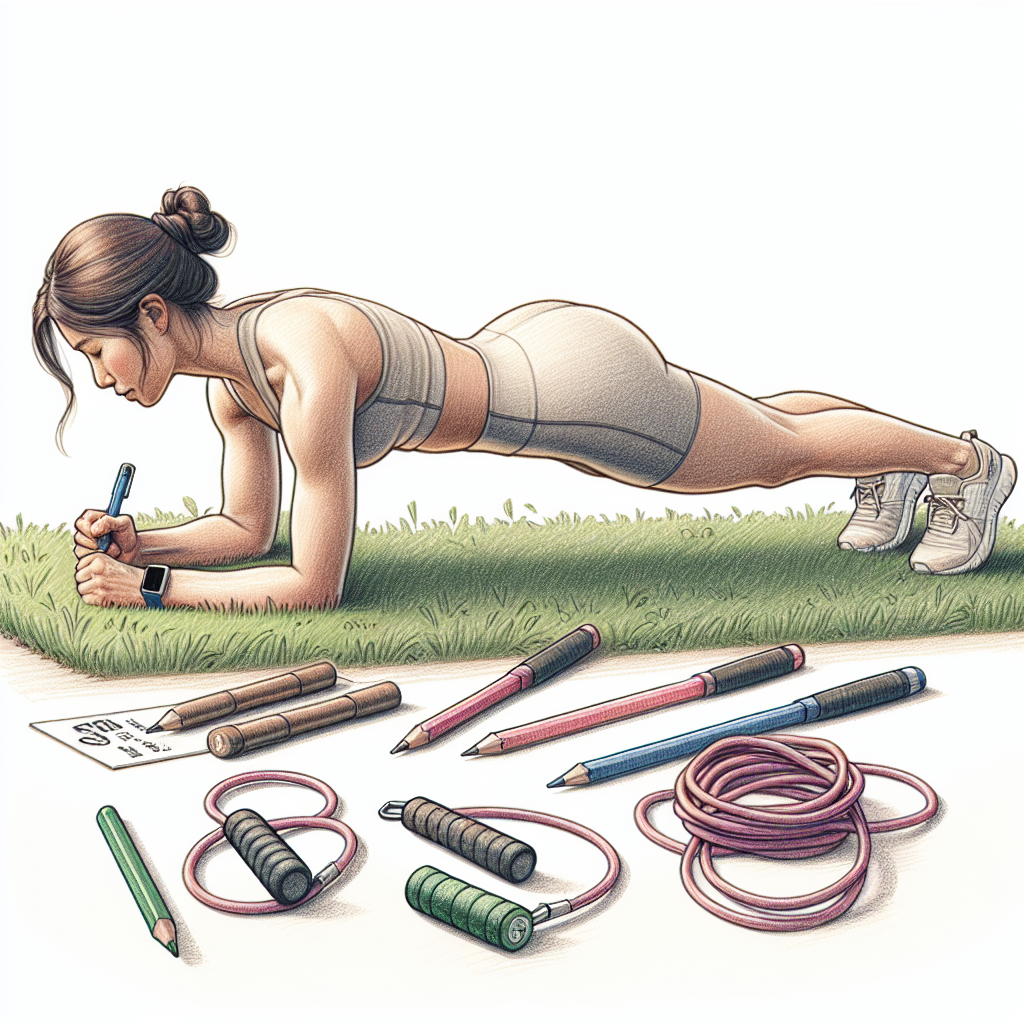
Best Workout Routine Without Equipment
In an era where time constraints and financial limitations often hinder access to fitness facilities, a well-structured workout routine that requires no equipment serves as an excellent alternative. Engaging in bodyweight exercises can enhance strength, flexibility, and cardiovascular fitness, all from the comfort of your home. This article outlines effective strategies, provides practical guidance, and discusses common pitfalls associated with equipment-free workouts.
- Introduction
- Benefits of Bodyweight Exercises
- Essential Components of a Workout Routine
- Sample Workout Routine
- When to Consult a Professional
- Common Myths and Mistakes
- FAQs
- Conclusion
Benefits of Bodyweight Exercises
Bodyweight exercises offer numerous advantages, making them a viable option for various fitness levels and preferences. Some key benefits include:
- Accessibility: No gym membership or equipment is required, allowing you to work out anywhere.
- Improved Functional Strength: These exercises mimic everyday movements, enhancing your ability to perform daily activities.
- Enhanced Flexibility: Stretching during bodyweight workouts can improve overall flexibility.
- Cost-Effectiveness: With numerous free resources available online, bodyweight training is a low-cost alternative to commercial fitness programs.
- Increased Efficiency: These exercises often combine strength training and cardiovascular work into one routine.
Essential Components of a Workout Routine
An effective workout routine without equipment should typically consist of the following components:
Warm-Up
A proper warm-up prepares your muscles and joints for the physical activity ahead. This could include dynamic stretches or light movements like jogging in place or arm circles.
Strength Training
Incorporate various bodyweight exercises targeting major muscle groups. Examples include push-ups, squats, and lunges.
Cardiovascular Training
Integration of cardiovascular elements, such as high knees or jumping jacks, boosts heart health and enhances calorie burn.
Cool Down
A cool-down period with static stretches will help your body recover and improve flexibility.
Sample Workout Routine
The following six-minute workout illustrates how you can maximize results with bodyweight exercises:
- 30 seconds: Jumping jacks
- 30 seconds: Bodyweight squats
- 30 seconds: Push-ups (modify on knees if necessary)
- 30 seconds: High knees
- 30 seconds: Plank (hold position)
- 30 seconds: Alternating lunges
Repeat the above routine for a total of six minutes. To ease into this regimen or to further explore the benefits of a structured program, consider registering for a 30-day exercise program that emphasizes short, effective workouts.
When to Consult a Professional
While bodyweight workouts are generally safe for healthy individuals, certain signs necessitate consultation with a fitness or medical professional:
- Persistent pain or discomfort during exercise.
- Exacerbation of pre-existing injuries.
- Difficulty performing basic movements.
- Signs of overtraining, such as extreme fatigue or significant mood changes.
Common Myths and Mistakes
Despite the growing popularity of bodyweight exercises, several myths and common mistakes remain prevalent:
Myth 1: Bodyweight Exercises Are for Beginners Only
Many people believe that bodyweight exercises are too easy. In actuality, they can be scaled in difficulty and customized for various fitness levels.
Myth 2: You Cannot Build Muscle without Weights
Bodyweight exercises can effectively build muscle by utilizing variations and progressive overload techniques, such as increasing repetitions or slowing down movements.
Myth 3: You Need a Long Workout for It to Be Effective
Quality often trumps quantity. Short but intense workouts can produce remarkable results, especially when performed consistently.
Common Mistake 1: Poor Form
Neglecting proper form increases the risk of injury. Prioritize technique over the number of repetitions.
Common Mistake 2: Inadequate Recovery
Recovery is essential for adequate muscle repair and growth. Ensure you allocate enough time for rest days.
FAQs
Can I lose weight with bodyweight exercises?
Yes, when combined with a balanced diet, bodyweight exercises can aid in weight loss by burning calories and improving muscle tone.
How often should I perform bodyweight workouts?
For optimal results, aim for at least three to four sessions per week, allowing enough recovery time in between.
Are bodyweight exercises suitable for seniors?
Yes, seniors can benefit from bodyweight exercises tailored to their mobility and strength levels.
Do bodyweight exercises require a lot of space?
No, bodyweight exercises can be performed in relatively small spaces, making them versatile for home workouts.
How do I know if I’m progressing in my bodyweight exercises?
Increased repetitions, improved form, and reduced recovery time indicate progress in your fitness journey.
Can I build strength with a bodyweight-only routine?
Absolutely! Bodyweight exercises can effectively build strength by focusing on proper technique, form, and varied routines.
Conclusion
- Bodyweight exercises are accessible, cost-effective, and efficient for improving fitness.
- A well-structured routine comprises warm-up, strength, cardiovascular training, and cool down.
- Myths surrounding bodyweight exercises often lead to misunderstandings about their effectiveness.
- Consult a professional if you experience pain, discomfort, or signs of overtraining.
- For a structured approach, consider a free 30-day exercise program that emphasizes six minutes of daily workout.
Take charge of your fitness journey today. Start with bodyweight exercises to experience health benefits without the need for expensive equipment or gym memberships.
Author: John Angel