
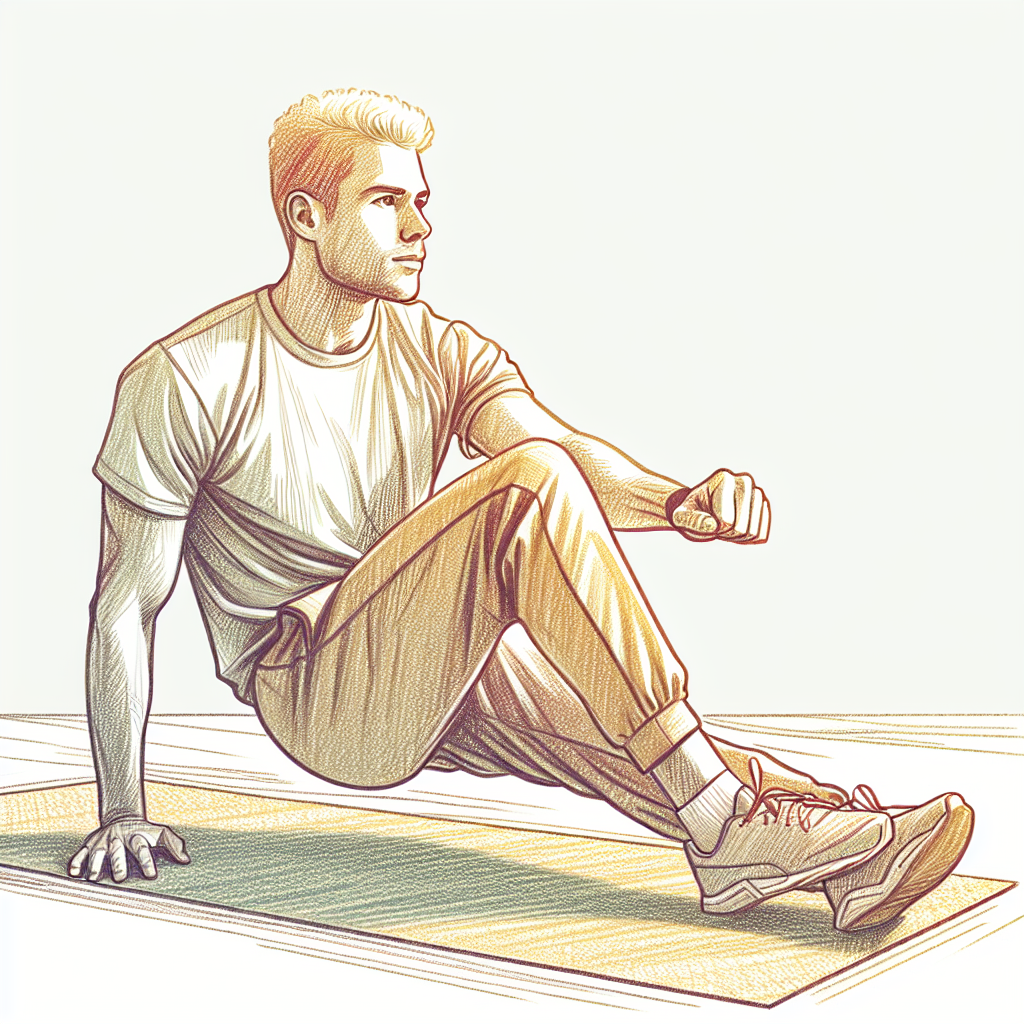
In a world where time and accessibility often dictate our exercise routines, bodyweight workouts have emerged as an efficient and effective alternative to gym fitness. Utilizing only your own body for resistance, these routines can be performed anywhere and at any time, requiring no equipment. This article will provide a comprehensive guide on how to implement a no-equipment bodyweight routine that caters to a wide range of fitness levels, promising notable results without the complications and constraints of traditional gym workouts. By investing merely six minutes a day, you can see results that rival more extensive gym sessions.
- Understanding Bodyweight Training
- Benefits of No-Equipment Workouts
- Essential Bodyweight Exercises
- Sample Routine for Beginners
- How to Progress Your Workouts
- When to Consult a Professional
- Common Misconceptions
- FAQs
Understanding Bodyweight Training
Bodyweight training utilizes your body’s weight as resistance to build strength, flexibility, and endurance. This method of training mimics how our bodies are designed to move in functional patterns. Exercises such as push-ups, squats, and lunges target multiple muscle groups, enhancing physical coordination along with strength.
Benefits of No-Equipment Workouts
Choosing a no-equipment bodyweight routine offers several advantages:
- Convenience: No gym membership or travel time is needed.
- Cost-Effective: There are no expenses for equipment or special gear.
- Flexibility: Easily incorporate workouts into any schedule, whether at home, in a park, or during a trip.
- Increased Mobility: Bodyweight exercises improve joint mobility and body awareness.
- Inclusive for All Levels: These routines can be easily modified for beginners and advanced individuals alike.
Essential Bodyweight Exercises
Here’s a selection of foundational bodyweight exercises that you can incorporate into your routine:
- Push-Ups: Great for building upper body strength.
- Squats: Effective for leg and glute development.
- Lunges: Enhance leg strength and stability.
- Planks: Excellent for core strength and stability.
- Burpees: A full-body workout that increases cardiovascular fitness and strength.
Sample Routine for Beginners
A practical no-equipment bodyweight routine can be completed in just six minutes a day. Here’s a simple outline:
- Jumping Jacks – 1 minute
- Push-Ups – 30 seconds
- Bodyweight Squats – 1 minute
- Plank – 30 seconds
- Lunges (15 seconds each leg) – 30 seconds
- Burpees – 1 minute
This sample routine focuses on high-intensity intervals to maximize effectiveness within a short time frame. For a structured program, consider registering for a 30-day exercise program where you can engage in 6-minute daily workouts designed to yield gym-like results.
How to Progress Your Workouts
To continue seeing improvements in strength, endurance, and overall fitness, you can alter your routines in the following ways:
- Increase Intensity: Add more repetitions or reduce rest time.
- Modify Movements: Try advanced variations, such as one-legged squats or clap push-ups.
- Incorporate New Exercises: Introduce new movements to target different muscle groups.
- Frequency: Increase the number of workout days per week.
When to Consult a Professional
While bodyweight training can be beneficial for most individuals, specific circumstances may warrant professional consultation:
- If you experience persistent pain during or after exercise.
- If you are recovering from injury and need a tailored exercise program.
- If you have pre-existing health conditions that could be impacted by physical activity.
- When unsure about proper techniques or forms, which can lead to injury.
Common Misconceptions
It is essential to address some prevailing myths surrounding bodyweight training:
- Myth 1: Bodyweight training is less effective than weight training.
- Myth 2: You can’t build muscle without weights.
- Myth 3: Bodyweight routines are only for beginners.
- Myth 4: You will not achieve significant results without a gym environment.
FAQs
Can bodyweight exercises really build muscle?
Yes, bodyweight exercises can effectively build muscle through progressive overload and variations.
How often should I do bodyweight workouts?
Most individuals should aim for at least three to four times per week for optimal results.
Do I need to warm up before bodyweight workouts?
A brief warm-up is advised to prepare your body and reduce the risk of injury.
Can I lose weight with bodyweight workouts?
Yes, when combined with a balanced diet, bodyweight training can help you lose weight and improve body composition.
Are there any risks associated with bodyweight training?
As with any exercise regimen, risks include injury from improper form or overexertion; proper technique is crucial.
How long will it take to see results from bodyweight exercises?
Results can vary, but with consistency, many individuals notice changes in strength and endurance within a few weeks.
Conclusion
- Bodyweight training offers a convenient, cost-effective, and flexible approach to fitness.
- A variety of exercises can be performed without any equipment, catering to all fitness levels.
- Progress is achievable through incremental adjustments to routines.
- Consulting with a professional is essential when dealing with health issues or injuries.
- Discard common misconceptions to fully embrace the benefits of bodyweight workouts.
Embrace the power of bodyweight training to enhance your fitness journey today, and don’t forget to register for a 30-day exercise program to maximize your results!
Author: John Angel