
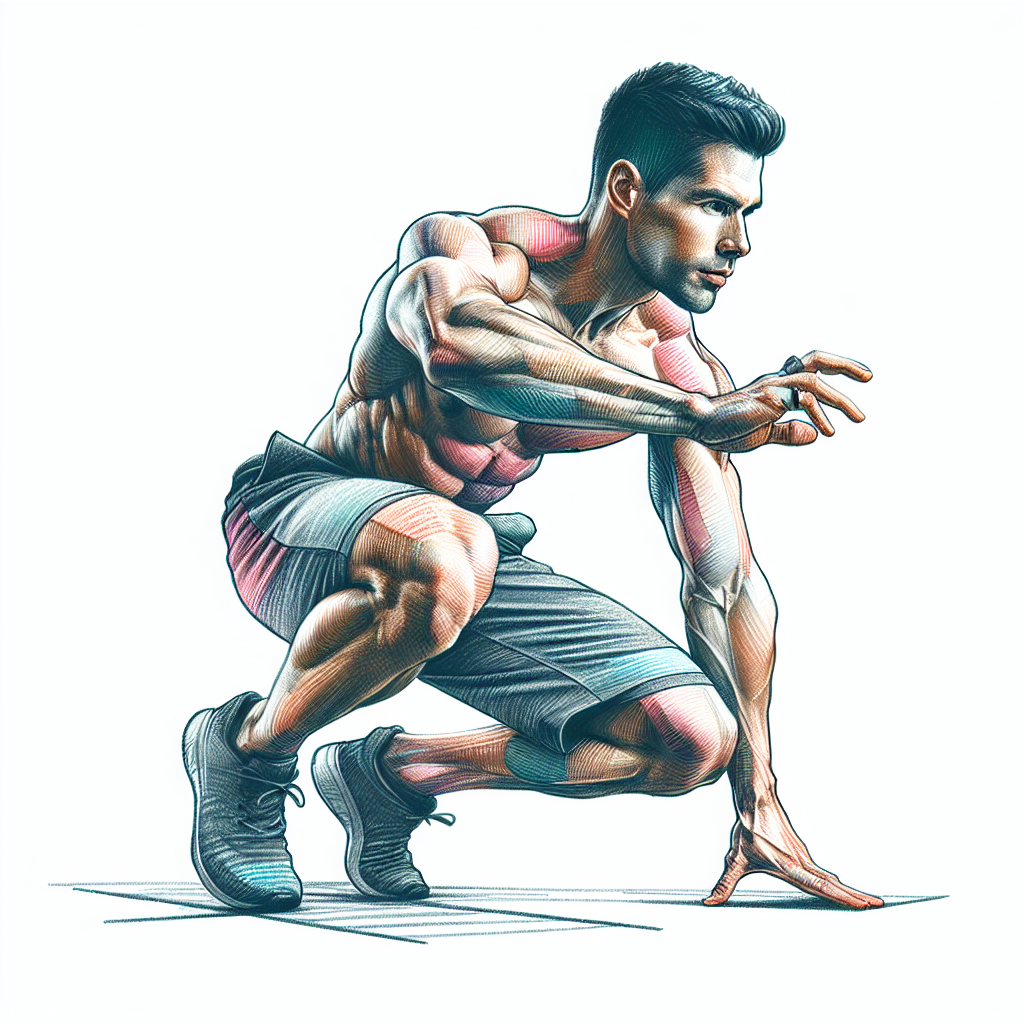
Calisthenics Beginner Workout No Equipment
Calisthenics provides an accessible pathway to physical fitness without the need for specialized equipment. This workout strategy leverages body weight to enhance strength, flexibility, and coordination. For beginners, understanding the essentials of a no-equipment calisthenics routine can foster a sustainable fitness habit. Not only does this approach require minimal space, but it also allows for versatility in workout execution. This article aims to guide beginners through foundational exercises, highlight the benefits, and ensure safe practices.
- Understanding Calisthenics
- Benefits of No-Equipment Workouts
- Beginner Routine: Step-by-Step
- When to Consult a Professional
- Common Misconceptions in Calisthenics
- FAQ
- Conclusion
Understanding Calisthenics
Calisthenics refers to a form of exercise that primarily utilizes body weight as resistance. It encompasses a range of movements that promote strength, endurance, and flexibility. Key exercises include push-ups, squats, lunges, and planks. This training modality is ideal for beginners because it emphasizes form and technique over weights. By mastering these fundamental movements, individuals can develop a solid fitness foundation.
Benefits of No-Equipment Workouts
- Accessibility: No gym membership or specialized equipment is required.
- Time Efficiency: Shorter workouts can lead to significant improvements in fitness.
- Increased Mobility: Many calisthenics exercises enhance flexibility.
- Progress Tracking: Body weight movements allow for visible progression through repetition.
- Versatility: Exercises can be performed anywhere, making it easy to incorporate fitness into a daily routine.
Beginner Routine: Step-by-Step
To kickstart a no-equipment calisthenics workout, beginners should aim for a routine that targets major muscle groups. Below is a simple, effective routine designed for daily practice. Each exercise can be adjusted to fit your fitness level.
- Warm-Up (5 minutes):
- Jumping jacks – 60 seconds
- Arm circles – 30 seconds each direction
- Leg swings – 30 seconds each leg
- Dynamic stretches – 2 minutes (focus on legs and arms)
- Main Workout (10 minutes):
- Push-Ups – 3 sets of 5-10 repetitions
- Bodyweight Squats – 3 sets of 10-15 repetitions
- Lunges – 3 sets of 5-10 repetitions per leg
- Plank – 3 sets of 20-30 seconds
- Cool Down (5 minutes):
- Static stretching – hold each stretch for 20-30 seconds (focus on legs, arms, and back)
For a more structured approach, consider signing up for a free 30-day exercise program that requires just 6 minutes per day but yields gym-like results. You can register here: 30-Day Exercise Program.
When to Consult a Professional
While calisthenics can be incredibly beneficial, there are circumstances in which seeking guidance from a qualified professional is advisable:
- If you have pre-existing medical conditions, such as heart disease or joint issues.
- If you experience persistent pain during or after exercise.
- If you are unsure about proper form, leading to potential injury.
- If you desire a more personalized workout plan tailored to your specific goals and needs.
Common Misconceptions in Calisthenics
Despite its benefits, calisthenics carries certain myths that can deter beginners:
- Myth 1: Calisthenics is only for beginners. In fact, it can be tailored to all fitness levels.
- Myth 2: No equipment means no results. Many athletes achieve significant progress using body weight alone.
- Myth 3: You need extensive space to perform calisthenics. Most exercises can be done in small areas.
- Myth 4: Calisthenics is solely for enhancing strength. It also improves flexibility and endurance.
Frequently Asked Questions
What is calisthenics?
Calisthenics is a form of exercise that uses body weight for resistance, focusing on movements like push-ups, squats, and pull-ups.
Do I need to be fit to start calisthenics?
No, calisthenics is suitable for all fitness levels. Beginners can modify exercises to suit their capabilities.
How often should beginners practice calisthenics?
Beginners are encouraged to practice 3-5 times per week to build strength and endurance over time.
Can calisthenics lead to muscle growth?
Yes, calisthenics can lead to muscle growth, especially when exercises are progressively challenged.
Is a warm-up necessary before calisthenics?
Yes, warming up is crucial to prepare muscles and reduce the risk of injury.
How can I track my progress in calisthenics?
Progress can be tracked by noting changes in repetitions, duration, or by advancing to more difficult variations of exercises.
Conclusion
- Calisthenics offers an accessible and effective way to improve overall fitness.
- It provides numerous benefits, including increased strength, mobility, and flexibility.
- A structured, no-equipment workout routine can be easily incorporated into daily life.
- Seeking professional guidance is advisable for individuals with health concerns or those unsure of proper techniques.
- Understanding common misconceptions can help beginners embrace calisthenics without hesitation.
Starting your journey into calisthenics does not require extensive resources or time commitments, making it an ideal choice for individuals at any stage of fitness. For those ready to explore a guided experience, consider the 30-day exercise program that fits seamlessly into your schedule. Join now and begin today!
Author: John Angel