
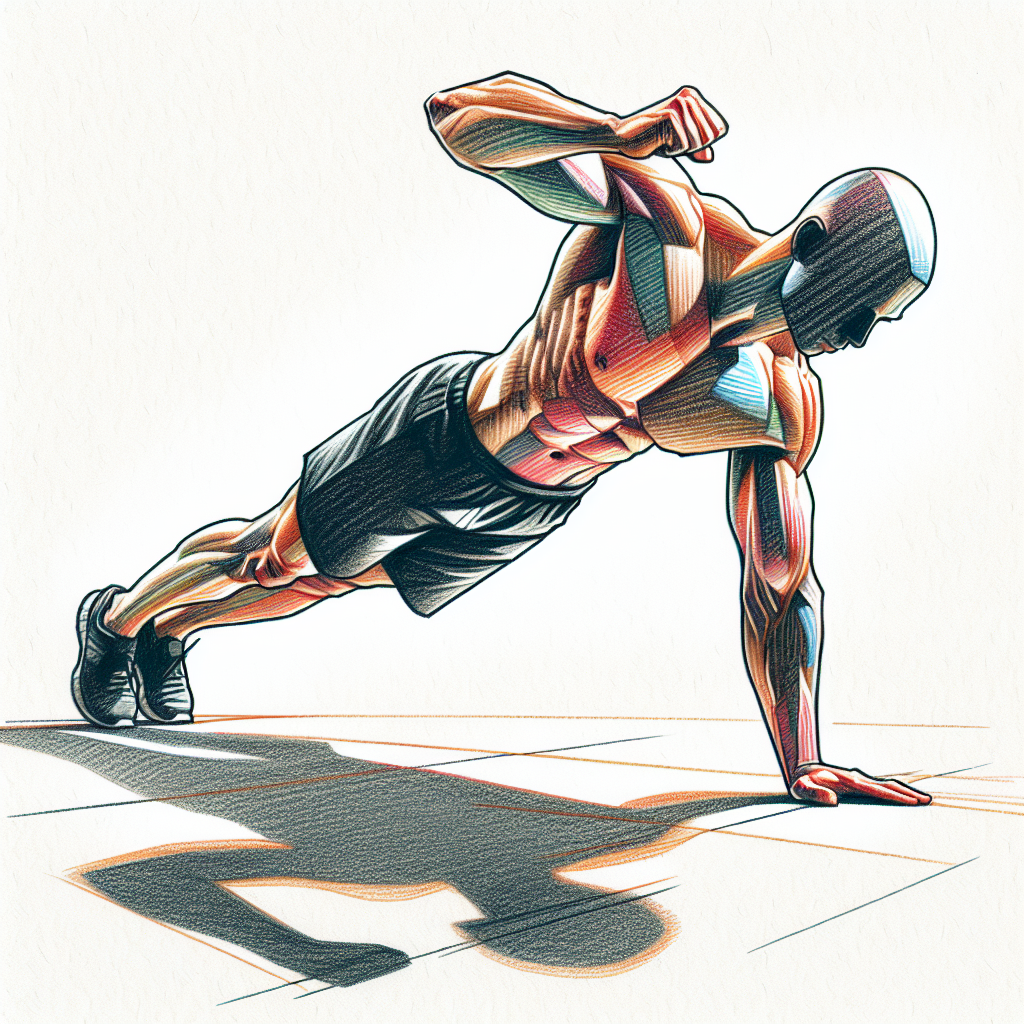
The practice of calisthenics offers an effective means of strengthening the body using one’s own weight as resistance, providing a versatile workout option that requires no equipment. Not only can it enhance strength and flexibility, but it also improves cardiovascular endurance and overall body control. This article presents a comprehensive calisthenics workout plan that can be done anywhere, along with practical advice to maximize results.
- Introduction to Calisthenics
- Benefits of Calisthenics Workouts
- Calisthenics Workout Plan: An Overview
- Daily Routine Breakdown
- Consulting a Professional: When to Seek Help
- Common Myths and Misconceptions
- Frequently Asked Questions
- Conclusion and Call to Action
Introduction to Calisthenics
Calisthenics consists of movements that utilize the body’s weight to build strength and flexibility. These workouts are diverse, making them adaptable for individuals at any fitness level. Painstakingly designed calisthenics routines offer remarkable benefits, fostering a fit lifestyle without the need for expensive gym memberships or bulky equipment.
Benefits of Calisthenics Workouts
Calisthenics not only promotes muscle growth but also has various health benefits:
- Accessibility: Requires no equipment and can be performed anywhere.
- Increased Flexibility: Enhances range of motion through dynamic movements.
- Body Awareness: Improves neuromuscular coordination and balance.
- Cardiovascular Endurance: Many routines elevate heart rate, offering cardiovascular benefits.
- Scalability: Easily modifiable for different fitness levels.
Calisthenics Workout Plan: An Overview
A well-structured calisthenics workout plan generally includes various exercises that target different muscle groups. This section outlines a sample weekly schedule aimed at engaging all major muscle groups, enhancing endurance, and improving flexibility.
Daily Routine Breakdown
Each session can be completed in approximately 6 minutes. Below is a suggested workout list that you can mix and match throughout the week:
- Monday: Full Body
- Push-Ups – 1 minute
- Bodyweight Squats – 1 minute
- Plank – 1 minute
- Lunges – 1 minute
- Burpees – 1 minute
- Rest and Stretch – 1 minute
- Wednesday: Upper Body Focus
- Incline Push-Ups – 1 minute
- Dips (using a chair) – 1 minute
- Side Plank (30 seconds each side) – 1 minute
- Wall Walks – 1 minute
- Mountain Climbers – 1 minute
- Rest and Stretch – 1 minute
- Friday: Core & Stability
- Crunches – 1 minute
- Leg Raises – 1 minute
- Russian Twists – 1 minute
- Flutter Kicks – 1 minute
- Supermans – 1 minute
- Rest and Stretch – 1 minute
For further guidance, you may also consider enrolling in a 30-day exercise program, designed to achieve gym-like results with just 6 minutes of daily exercise. Register for free here.
Consulting a Professional: When to Seek Help
While calisthenics is generally safe, certain circumstances necessitate professional guidance. If you experience pain or discomfort unrelated to muscle fatigue, consult a healthcare provider. Seek further assistance if you:
- Have pre-existing medical conditions.
- Experience persistent joint or muscle pain.
- Struggle with balance or coordination.
- Want personalized workout plans.
- Are unsure of correct exercise techniques.
Common Myths and Misconceptions
Calisthenics is often misunderstood. Addressing some common misconceptions can aid individuals in maximizing the benefits:
- Myth 1: Calisthenics is only for beginners. Truth: Individuals at all levels can benefit from calisthenics.
- Myth 2: You cannot build muscle with bodyweight. Truth: Bodyweight exercises can be intensified to promote muscle growth.
- Myth 3: Calisthenics is less effective than weight training. Truth: Both can be highly effective based on individual goals.
- Myth 4: Flexibility is not necessary. Truth: Flexibility enhances performance and reduces injury risk.
Frequently Asked Questions
Is calisthenics suitable for all fitness levels?
Yes, calisthenics can be adapted for beginners, intermediates, and advanced individuals alike.
How often should I perform calisthenics?
Performing calisthenics 2-5 times a week is recommended, allowing for adequate recovery.
Can I lose weight with calisthenics?
Absolutely, if paired with a healthy diet, calisthenics can support weight loss goals.
What is the best time of day to do calisthenics?
The best time is when you can consistently commit to your workout, whether in the morning, lunch, or evening.
Do I need to warm up before calisthenics?
Yes, warming up helps to prepare your muscles and reduce injury risk.
How long will it take to see results?
Results can vary, but noticeable improvements typically appear within 4-8 weeks of consistent practice.
Conclusion and Call to Action
- Calisthenics provides a versatile and accessible workout option.
- Daily practice enhances strength, flexibility, and endurance.
- Seek professional guidance when experiencing discomfort.
- Address common myths to better understand calisthenics.
- Consistency is key for achieving your fitness goals.
Ready to transform your fitness routine? Explore the world of calisthenics today and consider joining a structured program for optimal results. Access a free registration for a 30-day exercise plan here.
Author: John Angel