Embarking on a fitness journey doesn’t have to be daunting, especially when it comes to engaging in a full-body workout without the need for equipment. Such workouts not only promote overall fitness but also ensure that you can exercise conveniently, wherever you are. This article will guide you through various effective bodyweight exercises that can be performed anywhere and provide the foundational elements to establish a consistent routine, all while avoiding the common challenges faced by many beginners.
- Understanding Bodyweight Workouts
- Essential Warm-up Exercises
- Effective Full-Body Workout Routine
- When to Seek Professional Help
- Common Myths and Mistakes
- Frequently Asked Questions
- Conclusion and Next Steps
Understanding Bodyweight Workouts
Bodyweight workouts utilize your own weight as resistance to build strength, endurance, and flexibility. They are particularly beneficial for individuals starting their fitness journey or for those with a busy schedule, as they eliminate the necessity for gym sessions or specific equipment. These workouts can be tailored to any fitness level, allowing gradual progression as strength and endurance improve.
Essential Warm-up Exercises
Before diving into an intensive workout, it’s crucial to prepare the body to prevent injuries. A good warm-up increases blood flow to muscles and enhances flexibility. Here are some effective warm-up exercises:
- Arm Circles: Stand with your arms extended at shoulder height. Make small circles for 30 seconds, then switch directions.
- Leg Swings: Hold onto a wall or chair for balance. Swing one leg forward and backward 10 times, then switch legs.
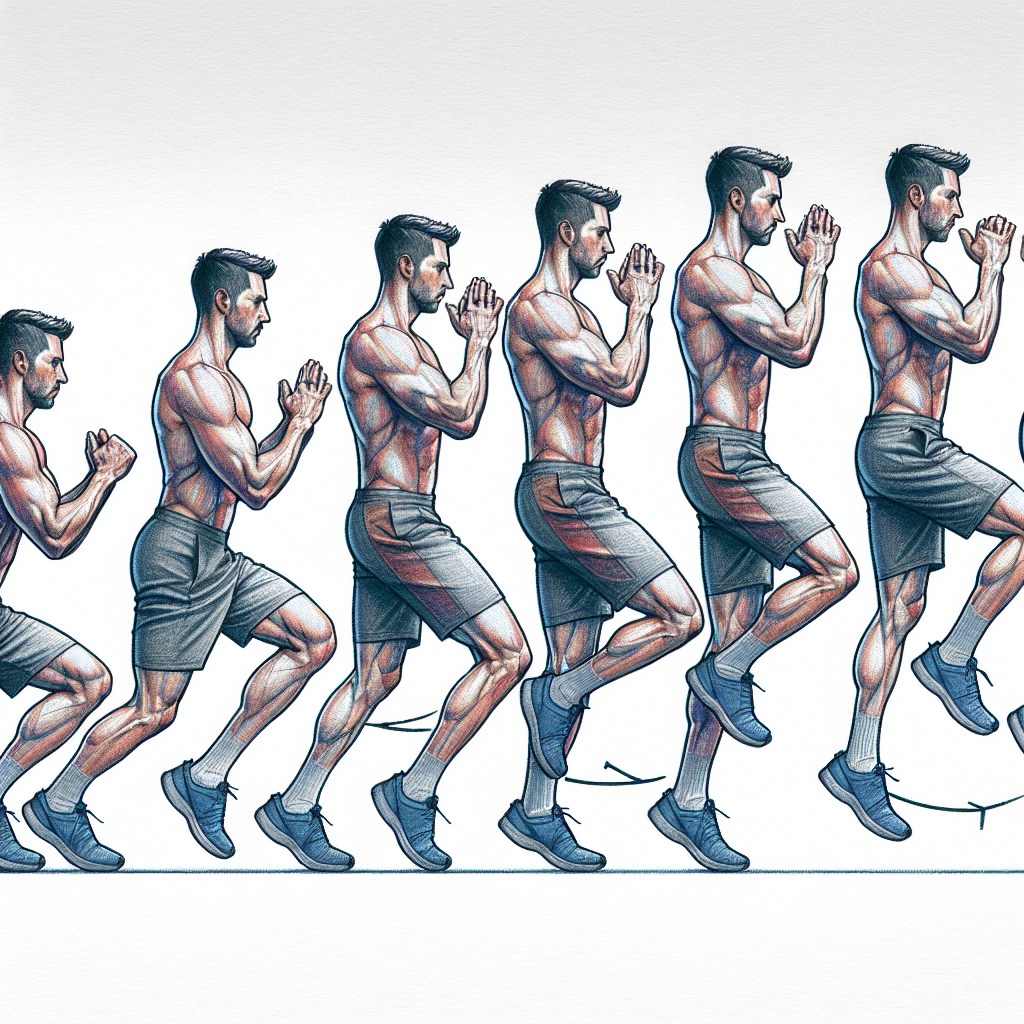
- High Knees: Jog in place, bringing knees up toward your chest for 30 seconds.
- Torso Twists: Stand with feet shoulder-width apart and twist your torso gently from side to side for 30 seconds.
Effective Full-Body Workout Routine
This full-body workout requires no equipment and can be completed in approximately 20-30 minutes. Tailor the intensity to your fitness level; perform each exercise for 30 seconds followed by a 15-second break before transitioning to the next exercise. Repeat the circuit 2-3 times.
- Push-Ups: Targets the chest, shoulders, and triceps. Begin in a plank position, lower your body until your chest nearly touches the ground, and push back up.
- Bodyweight Squats: Focuses on legs and glutes. Stand with feet shoulder-width apart, lower your hips back and down as if sitting in a chair, then rise back up.
- Plank: Engages the core and stabilizing muscles. Keep your body in a straight line from head to heels, resting on your forearms and toes.
- Lunges: Works on leg strength and stability. Step forward with one leg, lower your body until both knees are bent at a 90-degree angle, then return to the starting position.
- Burpees: A full-body movement that raises heart rate. Start standing, drop into a squat, kick your feet back into a plank, return to squat, and jump explosively up.
- Mountain Climbers: Targets abdominal muscles. In a plank position, alternate bringing knees toward your chest quickly.
To optimize your results in a short time, consider enrolling in a structured program. Explore a free 30-day exercise program where you only need to dedicate six minutes daily to exercise, achieving results comparable to traditional gym workouts: Register here.
When to Seek Professional Help
While bodyweight workouts are generally safe, certain situations warrant the advice of a healthcare or fitness professional:
- If you experience joint pain or significant discomfort during exercises.
- After an injury, to ensure you do not exacerbate the condition.
- To achieve specific fitness goals, when personalized guidance may enhance results.
- If you have preexisting health conditions that could affect your ability to exercise safely.
Common Myths and Mistakes
Understanding common misconceptions can help you remain committed and achieve your fitness goals:
- Myth: Bodyweight exercises are not as effective as gym workouts.
- Fact: When performed correctly, bodyweight exercises can provide substantial strength and endurance gains.
- Myth: You need to work out for hours to see results.
- Fact: Short, intense workouts can be remarkably effective, especially when focused on proper form.
- Mistake: Neglecting warm-ups and cool-downs.
- Solution: Always include time for proper stretching and recovery.
Frequently Asked Questions
Can I lose weight with bodyweight exercises?
Yes, bodyweight exercises can contribute to weight loss, particularly when combined with a balanced diet.
How often should I do bodyweight workouts?
Aim for at least three times a week, incorporating rest days to allow for muscle recovery.
Are bodyweight workouts suitable for beginners?
Absolutely! They can be easily modified to suit various fitness levels.
Can I build muscle with bodyweight exercises?
Yes, you can build muscle by progressively increasing the intensity of your workouts.
Do I need to diet while doing bodyweight workouts?
A nutritious diet complements your exercise routine and is essential for optimal results.
How long until I see results?
Results can be noticeable within a few weeks, depending on consistency and diet.
Conclusion and Next Steps
- Bodyweight workouts provide an effective and convenient fitness solution.
- Warm-up before exercise to prevent injury and enhance performance.
- Follow a structured routine to maximize results in minimal time.
- Consult a professional when necessary, particularly when facing health concerns.
- Stay informed and motivated by dismissing common fitness myths.
Take the first step towards a healthier you by integrating bodyweight workouts into your routine. For a comprehensive program that fits seamlessly into your daily life, consider exploring our free 30-day exercise plan. Your journey to fitness begins today!
Author: John Angel