
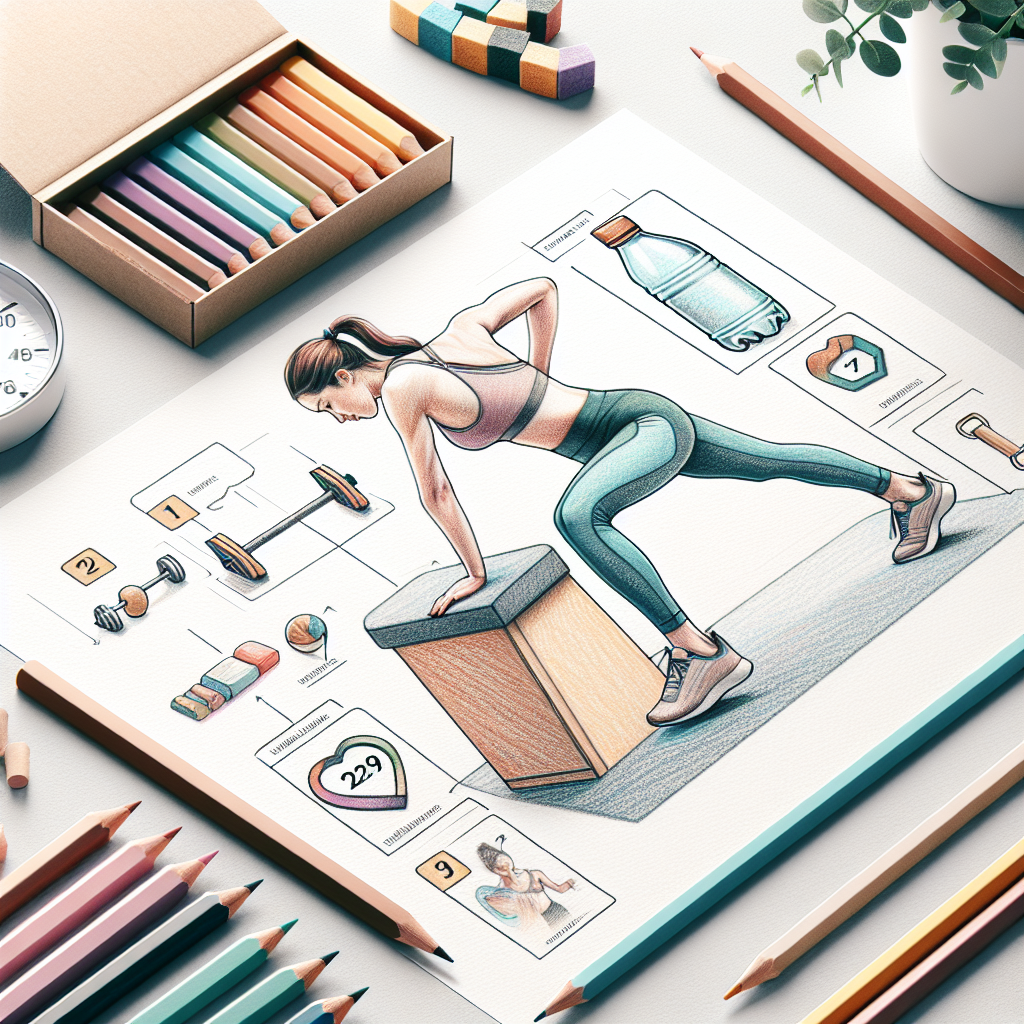
Exercise with No Equipment at Home
In today’s fast-paced world, finding time to exercise can be a challenge. Fortunately, you can achieve significant health benefits through short, effective workout sessions right in your home, without the need for any equipment. This article explores methods for exercising at home, emphasizing the convenience and efficiency of minimal time commitments. For those interested in a straightforward program, consider a 30-day exercise routine that demands just six minutes of your day while providing results comparable to traditional gym workouts. You can register for free at this [30-day exercise program](https://app.revolucnicviceni.cz/en/registration).
- Understanding the Benefits of Home Workouts
- Types of Effective Home Exercises
- Creating Your Home Workout Routine
- When to Consult a Professional
- Common Myths About Home Workouts
- Frequently Asked Questions
- Conclusion
Understanding the Benefits of Home Workouts
Home workouts offer numerous benefits that can enhance your physical and mental well-being. Some of the advantages include:
- Convenience: Exercise can be performed at any time, removing barriers related to commuting or gym hours.
- Cost-effective: No need for expensive gym memberships or equipment purchases.
- Customization: Workouts can be tailored to fit individual preferences and fitness levels.
- Quiet Environment: Exercising at home often provides a more comfortable and private workout atmosphere.
Types of Effective Home Exercises
The following exercises comprise a well-rounded routine that targets various muscle groups and enhances overall fitness:
- Bodyweight Exercises: Push-ups, squats, lunges, and planks help build strength.
- Cardio Exercises: Jumping jacks, high knees, and burpees improve cardiovascular fitness.
- Flexibility Exercises: Yoga and stretching routines enhance flexibility and reduce injury risk.
- Core Workouts: Bicycle crunches and mountain climbers fortify core muscles.
Creating Your Home Workout Routine
Designing your home workout routine can be simplified by following these concrete steps:
- Determine Goals: Identify whether your focus is on strength, endurance, flexibility, or weight loss.
- Choose Exercises: Select a few exercises from each category (strength, cardio, flexibility) tailored to your goals.
- Schedule Workouts: Set a specific time each day for your workouts to create consistency.
- Start Small: Begin with shorter sessions (e.g., 10-20 minutes) and gradually increase as your fitness improves.
- Track Progress: Monitor your workouts to stay motivated and committed to your fitness journey.
When to Consult a Professional
While exercising at home is often safe and beneficial, certain situations warrant professional consultation:
- If you experience acute pain or injury during workouts.
- If you have pre-existing health conditions or concerns about starting an exercise program.
- If you wish to achieve specific fitness goals that may require tailored guidance.
Common Myths About Home Workouts
There are several misconceptions surrounding home workouts that can deter individuals from pursuing them:
- Myth 1: Home workouts are less effective than gym workouts.
- Myth 2: You need special equipment to achieve results.
- Myth 3: All workouts must be long and strenuous to be beneficial.
- Myth 4: Flexibility training is not as important as strength training.
Frequently Asked Questions
Can I really get fit without equipment?
Yes, bodyweight exercises can effectively build strength, flexibility, and endurance.
How long should I exercise each day?
Even six minutes of focused exercise can yield benefits, especially with a structured program.
Is it safe to exercise at home?
Generally, it is safe if you listen to your body and consult a professional for any health concerns.
How do I stay motivated while working out at home?
Set specific goals, track your progress, and find a workout buddy or community for support.
What if I have no space at home?
Bodyweight exercises require minimal space; even a small area is sufficient for effective workouts.
Can I combine different types of exercise at home?
Absolutely, mixing strength, cardio, and flexibility training can enhance your overall fitness.
Conclusion
- Exercising at home is convenient and cost-effective.
- Bodyweight exercises can provide adequate strength and endurance training.
- Creating a structured routine can enhance consistency and effectiveness.
- Professional advice is recommended if you experience pain or have health concerns.
- Overcoming myths surrounding home workouts can empower you to take action.
Take the first step towards a healthier lifestyle by trying out a home workout program. Explore more about our 30-day exercise regimen that requires just 6 minutes of your time each day for transformative results by claiming your free registration here: 30-day exercise program.
Author: John Angel