
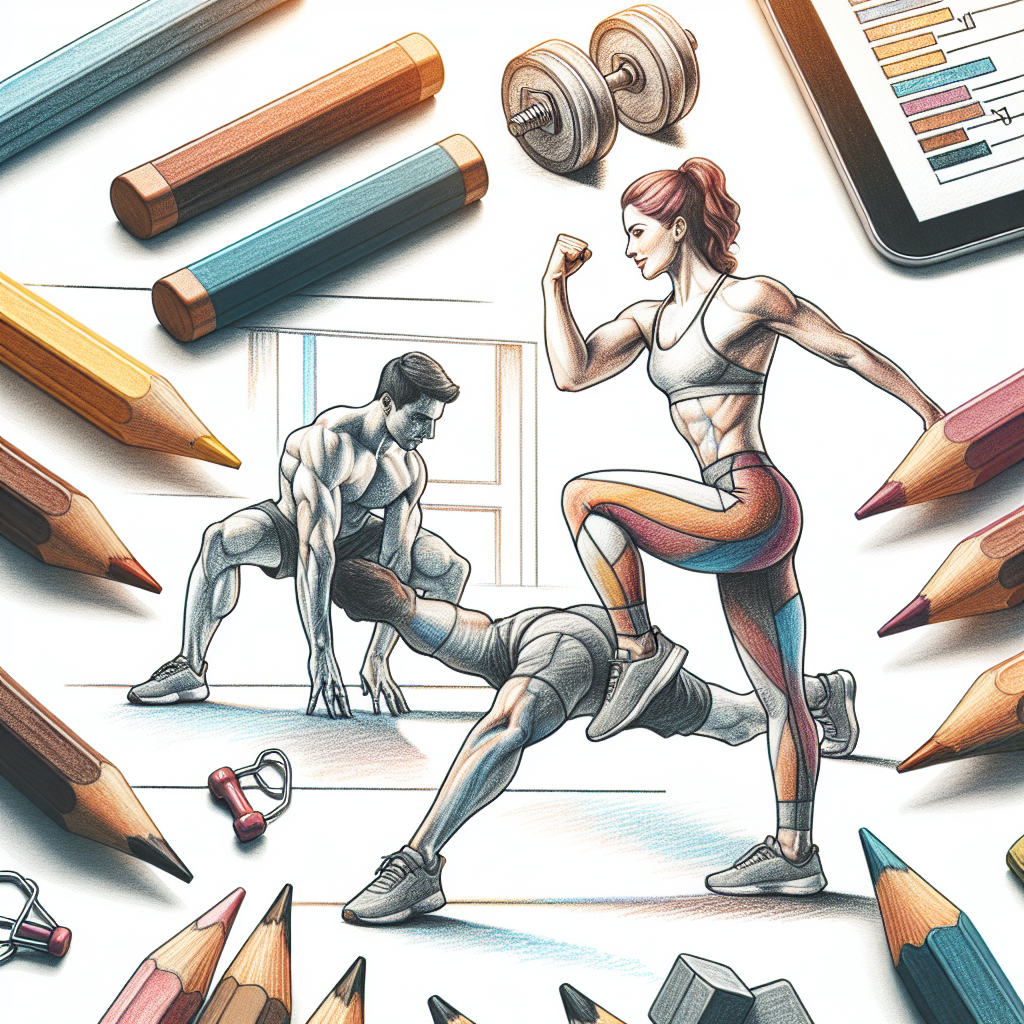
Incorporating a full-body workout into your routine without weights can be remarkably effective for enhancing strength, endurance, and flexibility. This type of training utilizes your body weight to provide resistance, making it both a versatile and approachable option for individuals at all fitness levels. Whether you’re a busy professional or a stay-at-home parent, full-body workouts without weights can be completed in short bursts, allowing you to fit exercise into your day.
- Understanding Bodyweight Training
- Benefits of Full-Body Workouts
- Comprehensive Bodyweight Exercises
- Designing Your Routine
- When to Consult a Professional
- Common Myths and Misconceptions
- FAQs
- Conclusion
Understanding Bodyweight Training
Bodyweight training involves exercises that use your body as resistance. This form of training can include push-ups, squats, lunges, and planks, engaging multiple muscle groups simultaneously. Such exercises promote functional strength, improving your balance and coordination.
Benefits of Full-Body Workouts
Full-body workouts without weights offer numerous advantages:
- Convenience: Requires no special equipment or gym membership.
- Efficiency: Engages multiple muscle groups, saving you time.
- Flexibility: Can be performed anywhere—home, park, or during travel.
- Improved Strength and Endurance: Regularly challenging your muscles helps increase overall fitness.
- Cost-Effective: Eliminates the need for expensive fitness products.
Comprehensive Bodyweight Exercises
Here are some effective bodyweight exercises you can incorporate into your full-body workout:
- Push-Ups: Strengthen the chest, shoulders, and triceps. Modify by performing on your knees if necessary.
- Squats: Target the thighs, glutes, and core. Ensure your knees do not extend past your toes.
- Lunges: Work on leg strength and stability. Alternate legs for a balanced workout.
- Planks: A fantastic core stabilizer; aim to hold for 30 seconds to a minute.
- Burpees: Engage multiple muscle groups through a combination of a squat, push-up, and jump.
- Mountain Climbers: A cardio component that also works the core, performed in a plank position.
Designing Your Routine
Creating an effective routine is essential for achieving results. Here’s a simple plan to follow:
- Warm-Up: Spend 5-10 minutes on light cardio—such as jogging in place or jumping jacks—to prepare your body.
- Choose Your Exercises: Select 4-6 exercises from the previous section. You may opt for a circuit style (performing each exercise consecutively) or sets (multiple rounds of each exercise).
- Duration: Aim for 20-30 minutes of workout time, including rest periods.
- Cool Down: Spend 5 minutes stretching to enhance flexibility and aid recovery.
For those seeking more guided routines, I recommend registering for a 30-day exercise program, where you only commit to 6 minutes of daily effort while achieving results similar to traditional gym workouts.
When to Consult a Professional
While bodyweight workouts are generally safe, it is crucial to seek professional advice in the following situations:
- If you experience persistent pain during exercises.
- When recovering from an injury or surgery.
- If you have any chronic health conditions affecting physical exertion.
- To establish a tailored fitness plan suitable for your specific goals.
Common Myths and Misconceptions
Understanding these myths can enhance your training experience:
- Myth 1: Bodyweight training is only for beginners. Truth: It can be modified for all fitness levels, from novice to expert.
- Myth 2: You can’t build muscle without weights. Truth: Bodyweight exercises can effectively stimulate muscle growth.
- Myth 3: You need hours of workout to see results. Truth: Short, intense sessions can be highly effective.
- Myth 4: All bodyweight workouts are easy. Truth: Many bodyweight exercises are challenging and require effort to master.
FAQs
What is a full-body workout?
A full-body workout engages all major muscle groups in a single session, providing a balanced approach to fitness.
Can I lose weight with bodyweight exercises?
Yes, when combined with a healthy diet, bodyweight exercises can help create a calorie deficit necessary for weight loss.
How often should I do bodyweight workouts?
Generally, performing bodyweight workouts 3-4 times a week is beneficial, allowing for recovery days in between.
Do I need to stretch before bodyweight workouts?
Yes, a proper warm-up and flexibility routine before workouts improve performance and prevent injuries.
Can beginners do bodyweight exercises?
Absolutely! Bodyweight exercises can be easily modified to accommodate all fitness levels, including beginners.
Is bodyweight training effective for building strength?
Yes, bodyweight workouts can be very effective for building strength, especially when exercises are progressed over time.
Conclusion
- Bodyweight workouts are convenient and accessible to everyone.
- They provide numerous fitness benefits, from improved strength to enhanced flexibility.
- A well-structured routine can effectively target multiple muscle groups.
- Consult a professional when experiencing pain or recovering from an injury.
- Understanding common misconceptions can enhance your training experience.
Start your journey towards a healthier lifestyle today! Consider registering for the 30-day exercise program to experience quick results with only 6 minutes a day.
Author: John Angel