Full Body Workout to Build Muscle Without Equipment
Building muscle does not necessarily require a gym membership or expensive equipment. A comprehensive full-body workout can be achieved using your body weight to stimulate muscle growth effectively. This approach is not only practical but also empowers individuals to exercise at their convenience, promoting a sustainable fitness routine.
- Understanding Bodyweight Exercises
- Benefits of No-Equipment Workouts
- Essential Full Body Exercises
- Creating Your Workout Routine
- Common Myths and Mistakes
- When to Consult a Professional
- FAQs
- Conclusion
Understanding Bodyweight Exercises
Bodyweight exercises utilize the weight of your own body to create resistance, making them highly effective for developing strength and muscle tone. These exercises can be easily adapted for different fitness levels, allowing for gradual progression. Knowledge of specific movements and proper form is essential to maximize effectiveness and minimize injury risk.
Benefits of No-Equipment Workouts
The advantages of bodyweight workouts are numerous:
- Cost-Effective: No need for expensive gym memberships or equipment.
- Convenient: You can exercise anywhere and at any time, making it easier to fit into a busy schedule.
- Functional Strength: Promotes usability of muscles in real-life activities, improving overall functional fitness.
- Variety: A wide range of exercises target different muscle groups, preventing workout monotony.
- Scalability: Easy to adjust difficulty to match your fitness level.
Essential Full Body Exercises
Here are some fundamental bodyweight exercises that effectively target all major muscle groups:
- Push-Ups: Excellent for building strength in the chest, shoulders, and triceps. Aim for 3 sets of 8-12 repetitions.
- Squats: Targeting the legs and glutes, perform 3 sets of 12-15 repetitions.
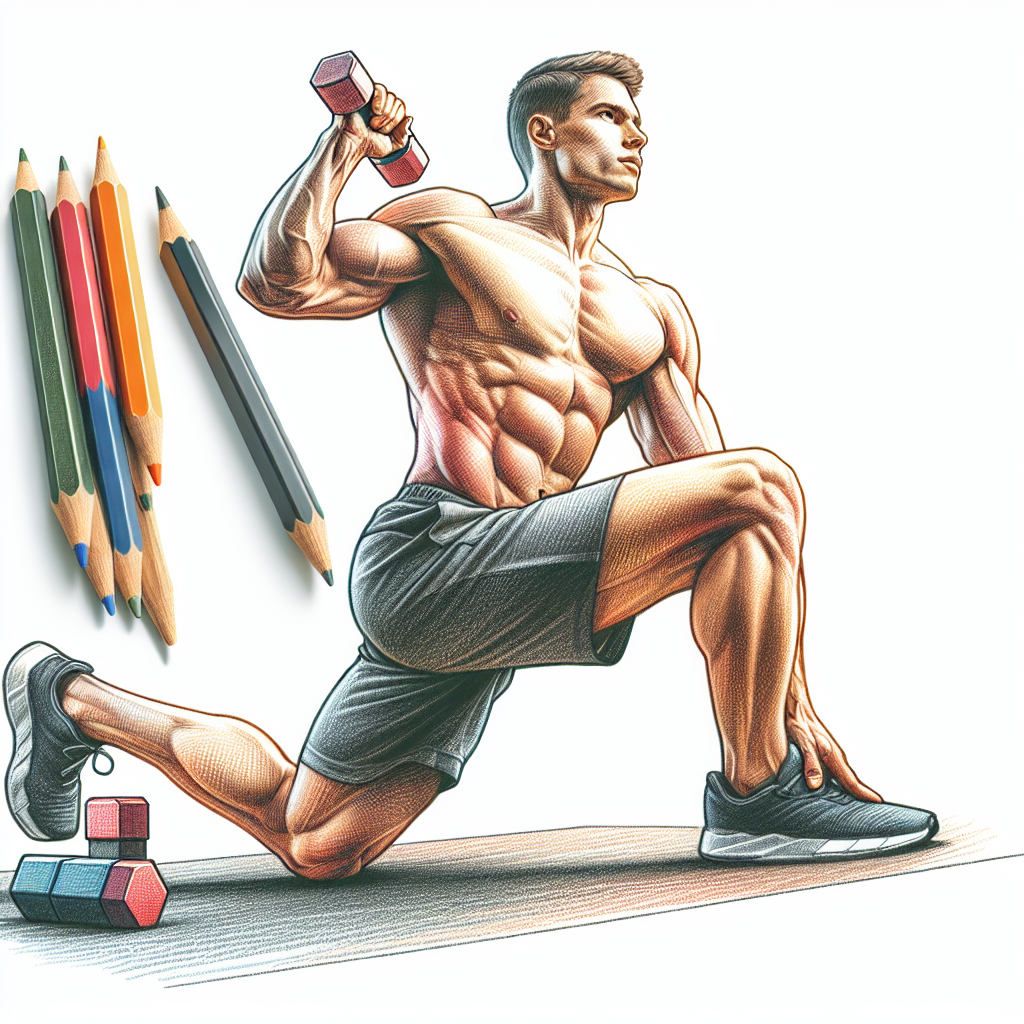
- Lunges: Great for leg and core stability; aim for 3 sets of 10-12 repetitions on each leg.
- Planks: Core-strengthening exercise; hold for 30-60 seconds, repeating 3 times.
- Burpees: A full-body workout that builds cardiovascular endurance and strength; aim for 3 sets of 6-10 repetitions.
Creating Your Workout Routine
Designing a balanced workout routine can be straightforward. Follow these steps to structure an effective program:
- Set Goals: Define what you want to achieve, e.g., muscle toning or overall fitness.
- Choose Exercises: Select from the essential bodyweight exercises mentioned above based on your goals.
- Plan Frequency: Aim to work out at least three times a week for optimal muscle growth.
- Duration: Start with 20-30 minutes per session, gradually increasing as you become more comfortable.
- Register for More Guidance: Consider joining free programs like this 30-day exercise program, where you only need to spend 6 minutes a day for significant results.
Common Myths and Mistakes
Clear understanding of prevalent misconceptions is crucial for effective workouts. Here are some myths debunked:
- Myth 1: Bodyweight exercises are less effective than weightlifting.
- Myth 2: You must feel sore after a workout for it to be effective.
- Myth 3: All workouts must be lengthy to yield results.
In reality, consistent, properly executed bodyweight exercises can effectively build muscle and improve fitness levels across various durations and intensities.
When to Consult a Professional
While bodyweight workouts are generally safe, certain conditions may require the expertise of a qualified professional:
- Persistent Pain: If you experience pain that does not diminish with rest.
- Injury: Any previous injury requiring rehabilitation should be assessed by a specialist.
- Weight Management Concerns: Seek guidance for specific fitness goals if you have underlying health issues.
FAQs
Can bodyweight exercises help in muscle building?
Yes, bodyweight exercises can effectively stimulate muscle growth when performed with proper technique and gradually increased intensity.
How often should I do these workouts?
Aim for at least three sessions per week, allowing for recovery between workouts.
Do I need a warm-up before bodyweight exercises?
Yes, warming up before any exercise is important to prevent injuries.
Is it okay to do bodyweight exercises every day?
While it is possible, it is crucial to incorporate rest days to allow muscles to recover and grow.
Can beginners start with bodyweight workouts?
Absolutely! Bodyweight exercises are perfect for beginners as they can be modified for different fitness levels.
What are the signs that I need to increase the intensity of my workouts?
If you can easily complete your sets without feeling fatigued, it may be time to increase the intensity or modify exercises for greater challenge.
Conclusion
- Bodyweight exercises are effective for building muscle without the need for equipment.
- They provide flexibility, convenience, and a variety of workout options.
- Creating a balanced routine can foster sustained progress towards fitness goals.
- Understanding and debunking fitness myths enhances workout effectiveness.
- Seek professional advice when experiencing persistent pain or if you have underlying health conditions.
For those seeking effective, time-efficient methods to enhance their fitness journey, consider exploring programs like this 30-day exercise program, where just 6 minutes a day can yield impressive results. Take the first step towards a healthier you today!
Author: John Angel