In today’s fast-paced world, staying fit doesn’t require access to a gym or sophisticated equipment. With the rise of bodyweight exercises, individuals can achieve their fitness goals through simple yet effective routines that utilize their own body weight as resistance. This article will delve into the myriad benefits of no equipment bodyweight exercises, how to incorporate them into your daily routine, and a practical guide to get started.
- Understanding Bodyweight Training
- Key Advantages of No Equipment Exercises
- Popular Bodyweight Exercises
- Creating an Effective Workout Routine
- When to Consult a Professional
- Common Myths and Mistakes
- Frequently Asked Questions
Understanding Bodyweight Training
Bodyweight training involves performing exercises using one’s own weight for resistance. This method is versatile, accessible, and can be adapted to suit individuals at all levels of fitness. It encompasses a range of movements, such as push-ups, squats, and planks, allowing for comprehensive workouts that target multiple muscle groups.
Key Advantages of No Equipment Exercises
Engaging in bodyweight exercises presents numerous benefits:
- Accessibility: No gym membership or special equipment is needed, making it easy for anyone to start.
- Flexibility: These exercises can be done anywhere, whether at home, outdoors, or while traveling.
- Balance and Coordination: Many bodyweight exercises enhance stability and motor skills.
- Cost-effective: Reduces the financial burden of gym memberships and home fitness equipment.
- Functional Strength: Improves core strength and functional fitness which is essential for daily activities.
Popular Bodyweight Exercises
Here are some of the most effective no equipment exercises:
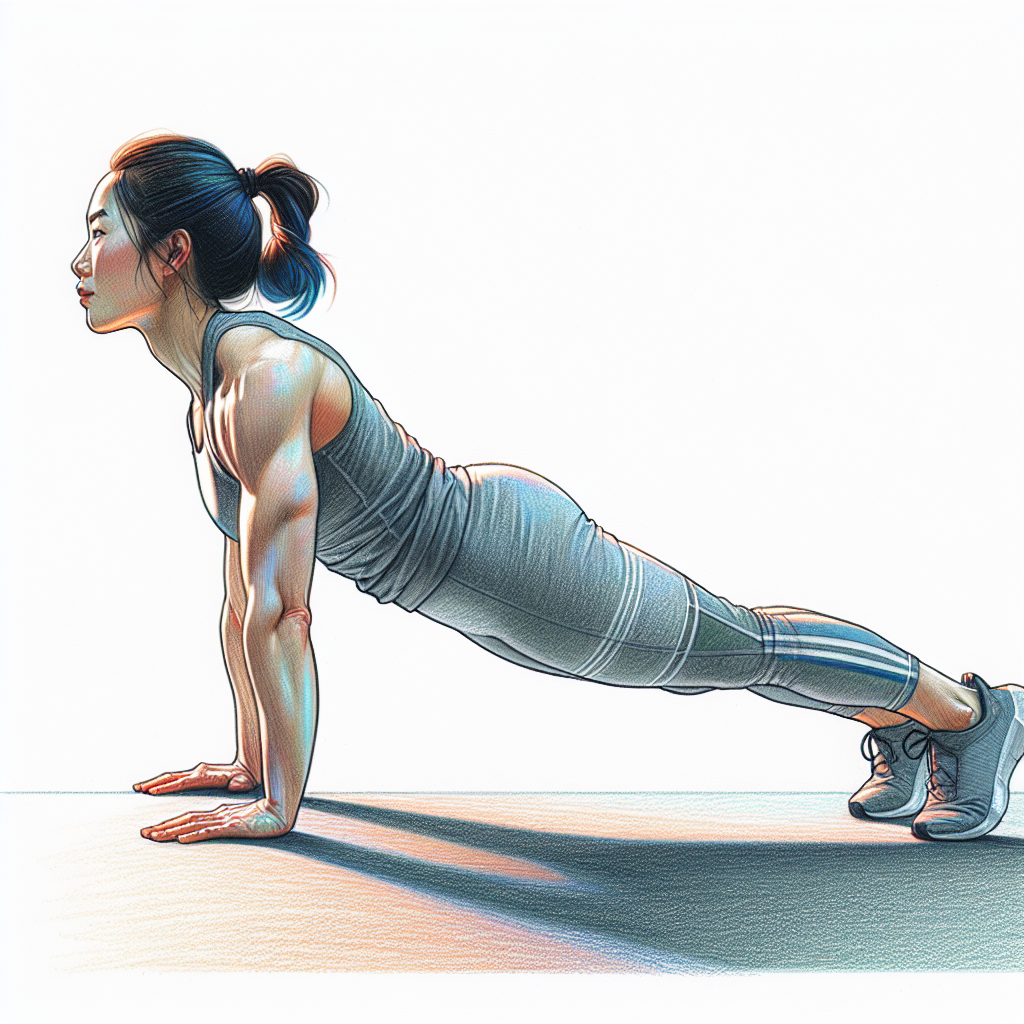
- Push-ups: Targets the chest, shoulders, and triceps.
- Squats: Builds strength in the legs and glutes.
- Planks: Engages the core and stabilizes the spine.
- Lunges: Works on leg strength and balance.
- Burpees: A full-body exercise that enhances endurance and strength.
Creating an Effective Workout Routine
To maximize the benefits of bodyweight exercises, consider these steps:
- Set Clear Goals: Define what you want to achieve, whether it’s weight loss, muscle gain, or improved endurance.
- Choose a Regular Time: Consistency is key. Find a time that suits you and stick to it.
- Make a Diversity of Exercises: Incorporate multiple exercises to work different muscle groups.
- Incorporate High-Intensity Intervals: Consider alternating between short bursts of intense activity and periods of rest.
- Track Progress: Keep a journal to monitor improvements and stay motivated.
For those looking for a structured plan, you can register for a free 30-day exercise program that requires just 6 minutes of your time each day, yet offers results comparable to conventional gym workouts.
When to Consult a Professional
While bodyweight exercises can be performed safely, there are instances when professional guidance is advisable:
- If you are new to exercise, consider consulting a qualified trainer to ensure proper form.
- If you experience pain or discomfort during any exercise, seek professional advice.
- If you have pre-existing medical conditions or concerns, consult a healthcare provider before starting a new exercise routine.
Common Myths and Mistakes
There are several misconceptions associated with bodyweight training:
- Myth 1: Bodyweight exercises are not effective for building muscle. Fact: They can build strength and muscle endurance effectively.
- Myth 2: You need weights to get fit. Fact: Bodyweight exercises can be equally effective in achieving fitness goals.
- Mistake 1: Skipping warm-up and cool-down. Correction: Always include these in your routine to prevent injuries.
- Mistake 2: Improper form during exercises. Correction: Focus on technique to maximize effectiveness and avoid injury.
Frequently Asked Questions
Can bodyweight exercises replace weightlifting?
Yes, bodyweight exercises can effectively replace weightlifting for many individuals, particularly for those focusing on fitness and endurance.
How often should I perform bodyweight workouts?
It is recommended to engage in bodyweight exercises at least 3-4 times a week for optimal results.
Are bodyweight exercises good for weight loss?
Yes, when combined with a balanced diet, bodyweight exercises can help promote weight loss through calorie burning and increased metabolism.
What are some advanced bodyweight exercises?
Advanced options include one-arm push-ups, pistol squats, and handstand push-ups for increased challenge.
How long will it take to see results?
Results can vary, but many individuals notice improvements in strength and endurance within 4-6 weeks of consistent training.
Is it safe for seniors to do bodyweight exercises?
Generally, yes, but seniors should start with basic movements and consult a healthcare professional for personalized advice.
Conclusion
- Bodyweight exercises are accessible and effective for fitness at all levels.
- They provide flexibility, allowing workouts to be done anywhere.
- Diverse exercises can target multiple muscle groups and improve functional strength.
- Consulting professionals can help prevent injuries and enhance results.
- Misconceptions should be addressed to fully appreciate the benefits of bodyweight training.
Consider starting your journey today with a free 30-day program designed for efficiency and effectiveness. You can find the program here.
Author: John Angel