
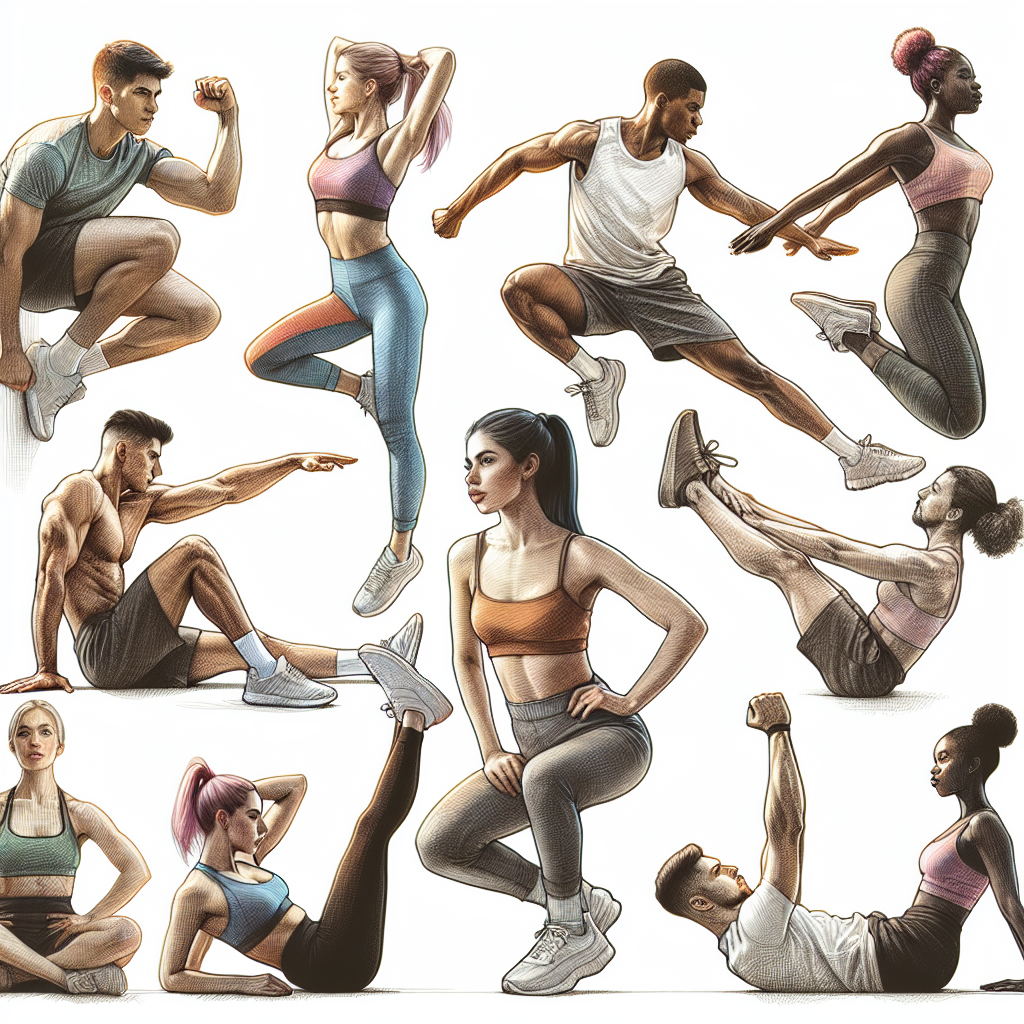
In an increasingly busy world, finding time to stay fit can be a challenge. Fortunately, a no-equipment calisthenics routine offers a flexible solution that can be performed anywhere. This article will provide insights into the benefits of bodyweight exercises, practical routines to incorporate into your daily life, and strategies to maximize results in minimal time. Additionally, for those looking to take their fitness journey further, a free registration for a 30-day exercise program that requires just six minutes of your time daily is available at this link.
- Understanding Calisthenics
- Benefits of No-Equipment Workouts
- Your Essential Calisthenics Routine
- Steps for Maximizing Results
- Common Misconceptions about Calisthenics
- When to Consult a Professional
- Frequently Asked Questions
- Conclusion
Understanding Calisthenics
Calisthenics refers to a form of exercise that utilizes bodyweight to develop strength, flexibility, endurance, and coordination. Originating in ancient Greece, this form of workout requires no special machines or equipment, making it accessible to everyone. Exercises can range from basic movements to complex routines that challenge the body in various ways.
Benefits of No-Equipment Workouts
Engaging in calisthenics offers a multitude of advantages:
- Convenience: Calisthenics can be performed at home, in a park, or even at your office break room.
- Cost-effective: No need for expensive gym memberships or equipment.
- Adaptability: Workouts can be modified to fit various fitness levels, making them suitable for beginners and advanced athletes alike.
- Improved Functional Strength: Enhances everyday movements and improves coordination.
- Increased Mobility: Promotes flexibility and mobility, which is beneficial for overall health.
Your Essential Calisthenics Routine
An effective no-equipment calisthenics routine can be structured into three phases: warm-up, workout, and cool down.
Warm-Up
Preparation is key. Spend 5-10 minutes on dynamic stretches such as:
- Arm circles
- Leg swings
- Torso twists
Workout
Here’s a beginner-friendly routine that requires no equipment:
- Push-Ups: 3 sets of 8-12 repetitions
- Bodyweight Squats: 3 sets of 15-20 repetitions
- Lunges: 3 sets of 10-15 repetitions per leg
- Plank: Hold for 30-60 seconds
- Burpees: 3 sets of 5-10 repetitions (to increase cardiovascular fitness)
Cool Down
Finish with static stretches to enhance flexibility and promote recovery:
- Hamstring stretch
- Cobra stretch
- Child’s pose
Steps for Maximizing Results
To achieve the best results from your calisthenics routine, consider the following strategies:
- Consistency: Aim for at least three times a week.
- Progressive Overload: Gradually increase the difficulty of exercises by changing the tempo, adding repetitions, or decreasing rest times.
- Variety: Keep workouts interesting by changing exercises every few weeks.
- Mind-Muscle Connection: Focus on the muscle groups being worked to enhance effectiveness.
- Nutrition: Pair your workouts with proper nutrition for optimal results.
Common Misconceptions about Calisthenics
It is essential to address myths that may inhibit individuals from embracing calisthenics:
- Myth 1: You need equipment to get fit. Fact: Bodyweight exercises can be equally effective.
- Myth 2: Calisthenics are only for beginners. Fact: There are advanced movements suitable for experienced athletes.
- Myth 3: You can’t build muscle without weights. Fact: Properly executed bodyweight exercises can lead to significant muscle gain.
When to Consult a Professional
Even though calisthenics can be performed safely at home, certain situations may warrant professional guidance:
- If you experience persistent pain or discomfort during exercises.
- If you have a history of injury that may be exacerbated by physical activity.
- If you’re unsure how to progress safely without risking injury.
- For personalized workout plans tailored to your specific fitness goals.
Frequently Asked Questions
Can beginners perform a calisthenics routine?
Yes, calisthenics can be easily adapted for beginners with simpler variations of exercises.
How much time should I dedicate to calisthenics?
A minimum of 20-30 minutes per session, three times a week is recommended for optimal results.
Is it necessary to warm up before exercising?
Yes, warming up prepares your body for exercise, reducing the risk of injury.
Can calisthenics help with weight loss?
Yes, when combined with a balanced diet, calisthenics can effectively contribute to weight loss.
How do I track my progress in calisthenics?
Keep a workout log to record exercises, reps, and any modifications to track improvements over time.
Is calisthenics suitable for all age groups?
Generally, yes. However, individuals should consult with a healthcare provider before starting a new exercise program, especially older adults or those with existing health conditions.
Conclusion
- Calisthenics is a flexible and effective workout that requires no equipment.
- This routine enhances functional strength, flexibility, and endurance.
- Maximize results with consistency and progressive overload.
- Debunking misconceptions can help more people embrace bodyweight workouts.
- Consult a professional if you experience pain or need tailored guidance.
For further direction on your fitness journey, consider registering for a 30-day exercise program that only takes 6 minutes a day by visiting this link.
Author: John Angel