In today’s fast-paced world, achieving physical fitness can be a daunting task. Many individuals think that having access to a gym or expensive equipment is a prerequisite for a successful workout routine. However, a no-equipment routine offers a feasible solution for those seeking to enhance their health without the confines of a gym. This approach not only saves time and money but also allows for versatile, efficient workouts that can be done anywhere. In this article, we will explore the key benefits of a no-equipment routine, practical steps to implement it, and when to seek professional guidance.
- Understanding No-Equipment Routines
- Key Benefits
- Practical Steps to Get Started
- When to Consult a Professional
- Common Myths and Mistakes
- FAQs
- Conclusion
Understanding No-Equipment Routines
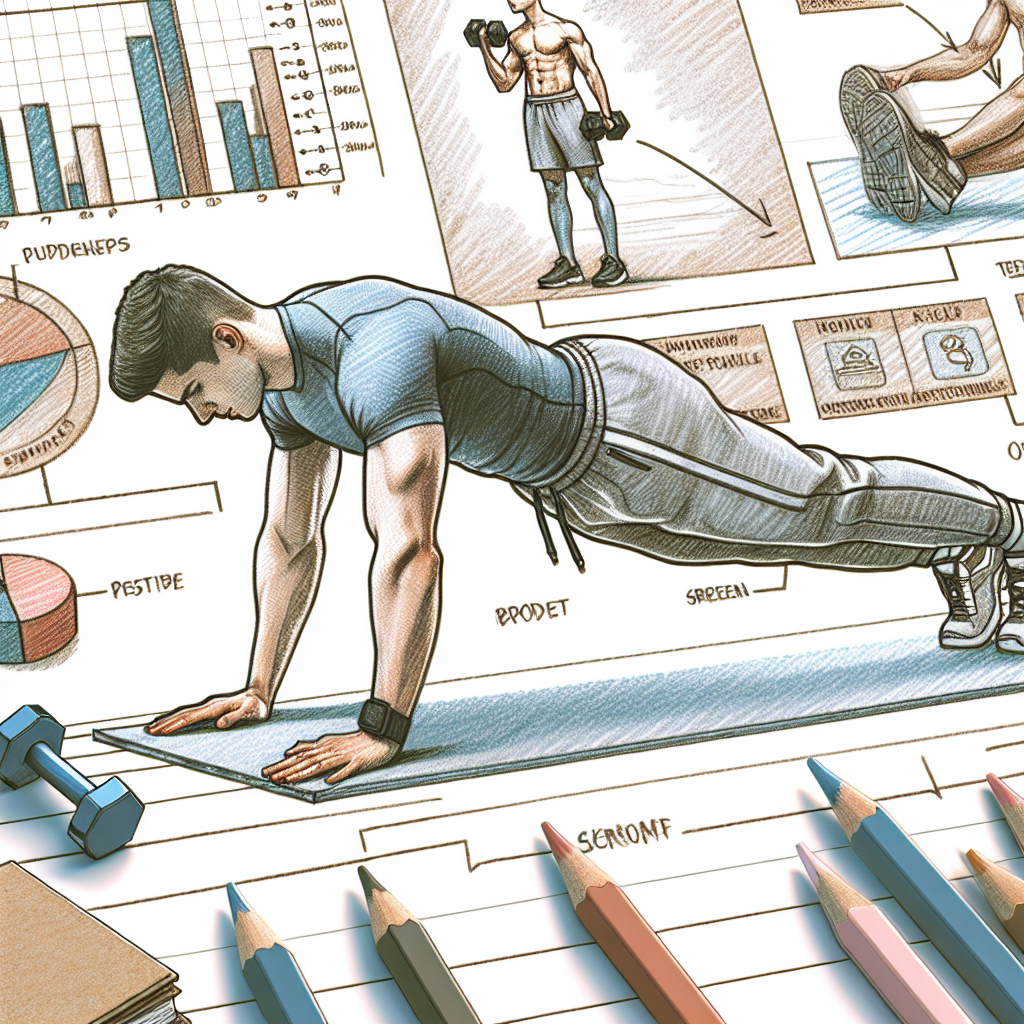
A no-equipment routine consists of exercises that utilize body weight as a form of resistance. These workouts can include a variety of movements such as push-ups, squats, lunges, and planks. Because no specialized equipment is necessary, individuals can engage in exercise almost anywhere, whether it be at home, in a park, or during a quiet moment at work.
Key Benefits
There are numerous benefits to adopting a no-equipment routine:
- Accessibility: No gyms or specialized equipment needed, facilitating exercise regardless of location.
- Flexibility: You can customize your workout schedule to fit your lifestyle.
- Cost-Friendly: Eliminates the need for gym memberships or purchasing expensive gear.
- Efficiency: Shorter workouts can yield significant results, especially with a focused routine.
- Progress Tracking: Bodyweight exercises allow you to monitor improvements in strength and endurance.
Practical Steps to Get Started
Getting started with a no-equipment routine is easier than you might expect. Here are some actionable steps:
- Set Clear Goals: Define what you wish to achieve—weight loss, improved endurance, or muscle building.
- Design a Workout Plan: Create a balanced schedule incorporating different muscle groups—upper body, lower body, and core.
- Start with Basic Movements: Focus on fundamental exercises like squats, push-ups, and planks to build a solid foundation.
- Utilize Online Resources: Consider joining a well-structured program, such as our 30-day exercise program, which allows you to workout for just 6 minutes daily and achieve impressive results.
- Stay Consistent: Regularity is key. Aim to exercise several times a week to build momentum and progress.
- Evaluate and Adjust: Periodically assess your progress and make necessary adjustments to your routine.
When to Consult a Professional
While no-equipment routines can be beneficial for many, there are situations where seeking professional guidance is advisable:
- If you experience persistent pain during or after exercise.
- If you have pre-existing conditions or significant injuries.
- If you are unsure about proper exercise form, which could lead to injury.
- If you wish to achieve specific goals that may require expert advice or nutritional guidance.
Common Myths and Mistakes
As with any fitness approach, misconceptions can hinder progress. Here are some common myths related to no-equipment routines:
- Myth 1: Bodyweight exercises are not effective for building muscle. Fact: Bodyweight exercises can effectively promote strength and muscle growth when performed with correct intensity.
- Myth 2: You need to work out for long periods to see results. Fact: Short, intense workouts can be just as effective as longer sessions when executed properly.
- Myth 3: No-equipment workouts are only for beginners. Fact: Advanced variations can challenge anyone, regardless of fitness level.
- Myth 4: You cannot achieve cardiovascular fitness without machines. Fact: High-intensity bodyweight exercises can significantly improve cardiovascular endurance.
- Mistake 1: Ignoring warm-up and cool-down stretches, which are essential to prevent injuries.
- Mistake 2: Focusing solely on one type of exercise, leading to imbalances. Aim for a well-rounded routine.
FAQs
What are the best bodyweight exercises for beginners?
The best exercises include squats, push-ups, lunges, and planks. These movements engage multiple muscle groups.
How often should I do a no-equipment workout?
Aim for at least three to five times a week, depending on your fitness level and goals.
Can I lose weight with just bodyweight exercises?
Yes, when combined with a balanced diet, bodyweight workouts can effectively contribute to weight loss.
How long should a no-equipment workout last?
A no-equipment workout can be effective in as little as 15 to 30 minutes, focusing on intensity and form.
Are there any risks involved with no-equipment workouts?
Like any exercise program, there are risks of injury, especially if exercises are performed with poor form. Proper instruction is essential.
What should I do if I am not seeing results?
If you are not seeing results, evaluate your routine for variety, consistency, and intensity. Additionally, diet plays a crucial role.
Conclusion
- A no-equipment routine is accessible, versatile, and efficient for health and fitness.
- Establishing clear goals and a structured workout plan is essential for success.
- Consistency in your routine will yield the best results over time.
- Be mindful of any pain or injury, and seek professional guidance when necessary.
- Address common myths and mistakes to optimize your progress.
Consider starting your journey today with valuable resources like our 30-day exercise program, which requires only 6 minutes of your day. Remember, every small step can lead to significant changes in your health and wellbeing.
Author: John Angel