
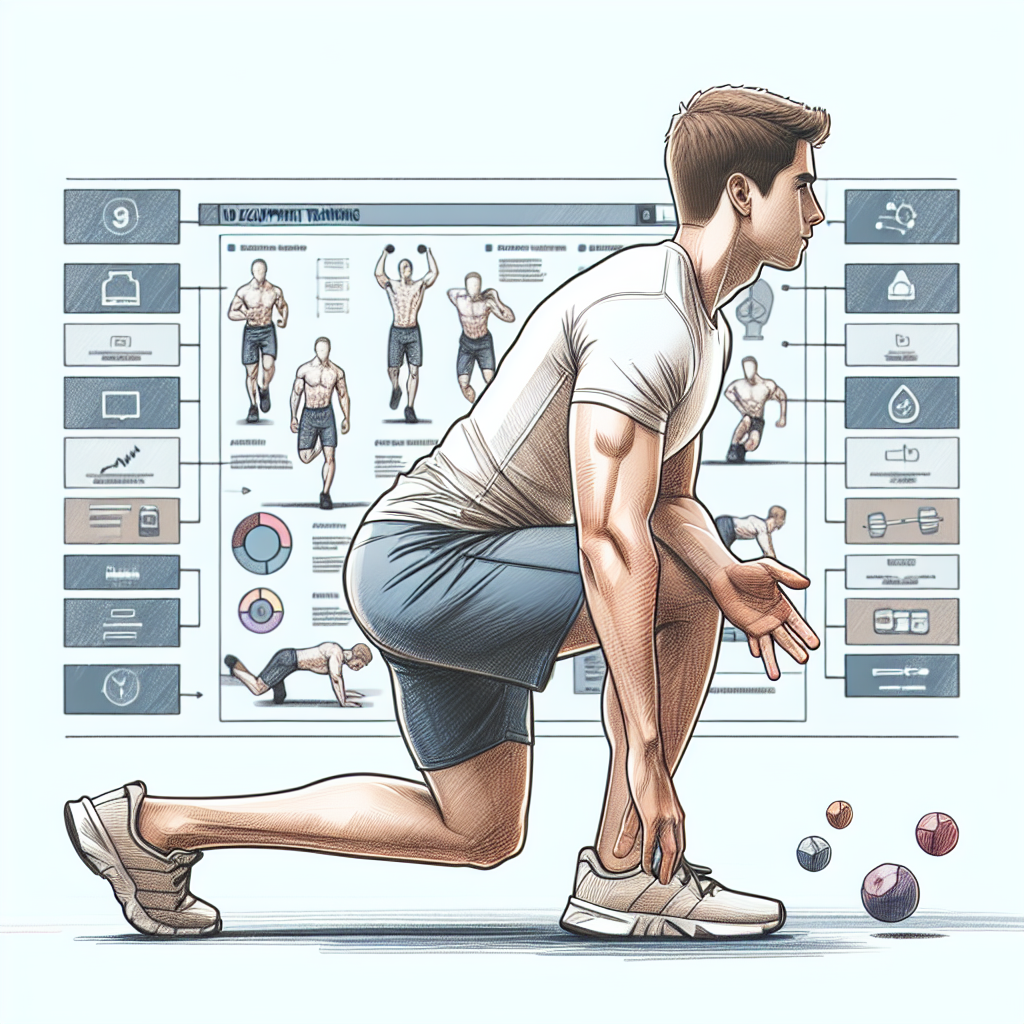
No Equipment Strength Training for Beginners
Strength training is not a privilege reserved for those with access to a gym. Individuals can effectively build muscle and enhance fitness levels using their own body weight. This article offers practical guidance for beginners interested in no-equipment strength training. Whether at home or in a park, you can engage in exercises that yield significant results while fitting into your busy lifestyle. Additionally, we provide a link to a free 30-day exercise program where you can achieve results in just 6 minutes a day. Trust us; getting fit doesn’t require hours in the gym.
- The Importance of No Equipment Strength Training
- Essential Bodyweight Exercises
- Creating a Balanced Routine
- Common Myths and Misconceptions
- When to Seek Professional Guidance
- Frequently Asked Questions
- Conclusion and Final Thoughts
The Importance of No Equipment Strength Training
No equipment strength training offers numerous advantages. Firstly, it eliminates financial barriers associated with gym memberships or home equipment. Secondly, bodyweight exercises enhance flexibility, balance, and coordination along with strength. This type of training also allows you to engage in physical activity anytime and anywhere, thereby promoting consistency—a key factor in achieving fitness goals. By mastering bodyweight exercises, you will not only increase your physical capabilities but also boost your confidence and overall well-being.
Essential Bodyweight Exercises
For beginners, establishing a foundation with essential bodyweight exercises is crucial. Below are some basic movements to incorporate into your training plan:
- Push-ups: Engage your chest, shoulders, and triceps. Start on your hands and knees if needed.
- Squats: Focus on your quads, hamstrings, and glutes. Maintain proper form by ensuring your knees do not extend past your toes.
- Planks: Strengthen your core by holding a straight line from head to heels. Start with 20-30 seconds and increase gradually.
- Burpees: A full-body exercise that combines a squat, push-up, and jump. Aim for short bursts as they can elevate your heart rate.
- Mountain Climbers: This exercise enhances cardio and core stability by alternating knee drives towards your chest in a plank position.
Creating a Balanced Routine
To get the most benefit from your training, consider incorporating the following key points into your routine:
- Frequency: Aim for at least three to five sessions per week.
- Duration: Even short bursts of 6 minutes can be effective. Consistency is more important than duration.
- Variety: Mix different exercises to target various muscle groups and avoid workout monotony.
- Rest: Ensure you allow for recovery between sessions—muscles grow during rest, not during the workout.
- Progression: Gradually increase the intensity of your workouts by adding more repetitions or modifying exercises for increased difficulty.
Common Myths and Misconceptions
Despite the efficacy of no equipment strength training, several myths persist:
- Myth 1: Bodyweight training is less effective than weight training.
- Myth 2: You can’t build muscle without weights.
- Myth 3: Bodyweight exercises are only for beginners.
- Myth 4: All bodyweight exercises are easy and do not require effort.
- Myth 5: You can’t lose fat with no-equipment workouts.
Each of these myths is misleading. Bodyweight exercises can be highly effective for individuals of all fitness levels. You can achieve significant results through careful exercise selection and program structure.
When to Seek Professional Guidance
While no equipment strength training can be highly beneficial, there are times when one should consult a professional. Consider seeking advice if:
- You experience persistent pain during exercises.
- You have a pre-existing injury that may be aggravated by exercise.
- You are unsure about proper form and technique.
- You are new to fitness and need a tailored program for your goals.
- You desire motivation or accountability from a fitness expert.
Frequently Asked Questions
What are the benefits of no equipment strength training?
No equipment strength training is cost-effective, convenient, and adaptable for all skill levels.
How long should I train each week?
Aim for three to five sessions, ideally around 6 minutes per day to maintain consistency.
Can I really build muscle without weights?
Yes, bodyweight exercises can stimulate muscle growth effectively through increased resistance and progressive overload.
Are there any risks associated with bodyweight exercises?
Like any exercise, improper form can lead to injury. Always focus on technique, and consult a professional if in doubt.
How do I progress in my workouts?
Consider increasing repetitions, adding variations, or reducing rest periods to challenge yourself further.
Where can I find a structured no equipment training plan?
For a simple but effective training plan, consider this free 30-day exercise program designed for just 6 minutes a day: 30-Day Exercise Program.
Conclusion and Final Thoughts
- No equipment strength training is accessible and effective for all fitness levels.
- Essential bodyweight exercises include push-ups, squats, and planks.
- Consistency and variety are crucial for achieving results.
- Myths surrounding bodyweight training can be misleading; effective training is possible without weights.
- Consult a professional if you experience pain or uncertainty in your workouts.
Embarking on your no equipment strength training journey provides numerous benefits. Embrace the empowerment that comes from mastering your body and enhancing your fitness capabilities. To kickstart your routine, consider registering for the free 30-day exercise program offered at 30-Day Exercise Program. Your fitness journey awaits.
Author: John Angel