
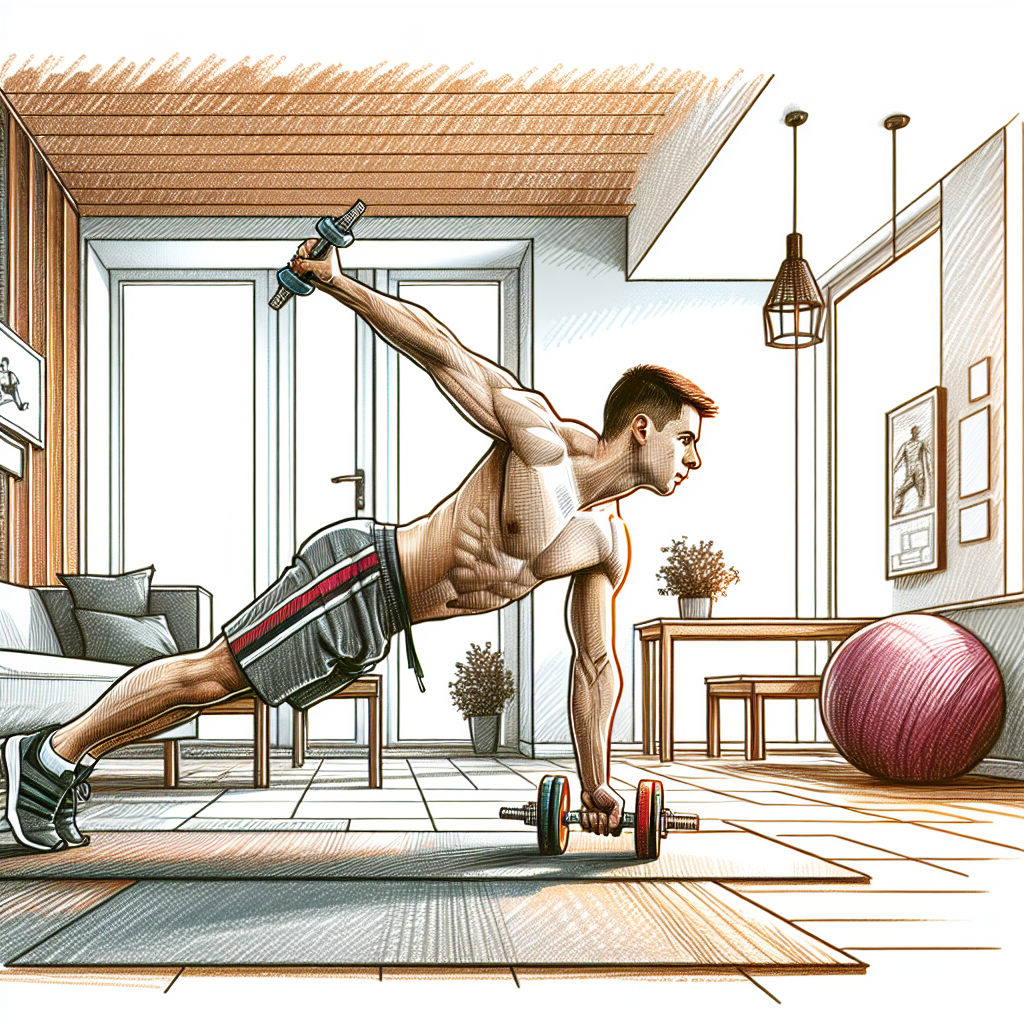
Strength Home Workout: No Equipment Needed
In an era where fitness is vital for overall health, many individuals find themselves constrained by time, finances, or accessibility to gym facilities. A strength home workout that requires no equipment can provide an efficient means to build muscle, enhance endurance, and boost overall fitness at home. Not only does it save time and money, but it can also be adapted to fit any skill level. By committing just six minutes a day, you can engage in a sustainable fitness routine that yields results comparable to traditional gym workouts. Consider exploring this free registration for a 30-day exercise program: 6-Minute Daily Workout.
- Understanding Bodyweight Exercises
- Key Benefits of No-Equipment Workouts
- Effective Bodyweight Exercises
- Creating a Structured Routine
- Common Myths and Mistakes
- When to Seek Professional Guidance
- Frequently Asked Questions
Understanding Bodyweight Exercises
Bodyweight exercises utilize the individual’s own weight as resistance. This method is foundational in calisthenics and requires no additional equipment, making it accessible for people at all fitness levels. Key exercises include push-ups, squats, lunges, and planks, each offering unique benefits for strength training. As you progress, variations can be introduced to increase intensity and challenge different muscle groups.
Key Benefits of No-Equipment Workouts
Engaging in strength training without equipment offers numerous advantages:
- Accessibility: Anyone can do it, regardless of location.
- Cost-Effective: No gym membership or equipment purchase needed.
- Flexibility: Workouts can be performed anywhere and anytime, making it easier to fit into a busy schedule.
- Full-Body Engagement: Many exercises activate multiple muscle groups simultaneously, maximizing efficiency.
- Scalability: Easily customize the intensity to match your fitness level and goals.
Effective Bodyweight Exercises
Here are several key exercises that can be incorporated into your no-equipment strength workout routine:
- Push-ups: Great for the chest, shoulders, and triceps. Start in a plank position and lower your body until your chest nearly touches the floor, then push back up.
- Squats: Target your quadriceps, hamstrings, and glutes. Stand with feet shoulder-width apart, lower your body as if sitting back into an invisible chair, and return to standing.
- Lunges: Effective for leg strength and balance. Step forward with one leg and lower your hips until both knees are bent at 90 degrees, then return to standing.
- Planks: Excellent for core stability. Position yourself on your forearms and toes, keeping your body in a straight line. Hold for as long as possible while engaging your core.
- Burpees: A full-body workout combining a squat, jump, and push-up, increasing both strength and cardiovascular endurance.
Creating a Structured Routine
To maximize the benefits of your home workout, establish a structured routine. A sample weekly plan could consist of:
- Day 1: Upper Body Focus – Push-ups, tricep dips, and shoulder taps.
- Day 2: Lower Body Focus – Squats, lunges, and glute bridges.
- Day 3: Core Focus – Planks, side planks, and Russian twists.
- Day 4: Combination – Circuit of the previous days’ exercises.
- Day 5: Active Recovery – Light stretching or yoga.
- Day 6: Full Body – Burpees, mountain climbers, and jumping jacks.
- Day 7: Rest Day – Essential for muscle recovery and growth.
Common Myths and Mistakes
There are prevalent misconceptions surrounding bodyweight training and some common mistakes that can hinder progress:
- Myth 1: Bodyweight workouts are not effective for building muscle. In reality, when performed correctly and progressively, they can lead to significant strength gains.
- Myth 2: You need heavy weights to achieve results. Bodyweight exercises can be as challenging, especially when variations increase the difficulty.
- Common Mistake: Rushing through exercises without proper form can lead to injury. Always prioritize technique over speed.
- Common Mistake: Neglecting to progress as you get stronger. Incorporate variations and increased repetitions to avoid plateaus.
When to Seek Professional Guidance
While engaging in strength-training workouts at home is generally safe, it is advisable to consult a qualified professional in the following circumstances:
- You experience pain or discomfort that persists during or after workouts.
- You have a pre-existing medical condition that may affect your ability to exercise safely.
- Unsure about the correct form or technique for specific exercises.
- Seeking personalized guidance tailored to your fitness goals and capability.
Frequently Asked Questions
1. How long does a no-equipment workout take?
A no-equipment workout can be done in as little as six minutes, focusing on high-intensity exercises for maximum effectiveness.
2. Can beginners start with bodyweight exercises?
Yes, bodyweight exercises are suitable for beginners and can be adjusted to match fitness levels.
3. How often should I do strength workouts at home?
Aim for at least three to five times a week for the best results, incorporating rest days to allow for recovery.
4. Do I need to warm up before bodyweight exercises?
Indeed, warming up is important to prepare your muscles and prevent injury. Simple dynamic stretches can suffice.
5. How can I make bodyweight exercises more challenging?
Incorporate advanced variations, increase repetitions or sets, or reduce rest time between exercises to heighten intensity.
6. Is it possible to build muscle with no equipment?
Absolutely! Consistent bodyweight training and progressive overload can lead to muscle growth over time.
Conclusion
- Bodyweight exercises offer a versatile and effective means to strengthen muscles without equipment.
- There are numerous benefits, including accessibility, cost-effectiveness, and flexibility of training.
- Creating a structured routine can maximize results while preventing plateaus.
- Be aware of common myths and mistakes that can obstruct progress.
- If unsure about your training, or experiencing discomfort, consulting a professional is recommended.
Embark on your fitness journey today by exploring a structured program that requires only six minutes per day and promises impactful results: Join Now.
Author: John Angel