
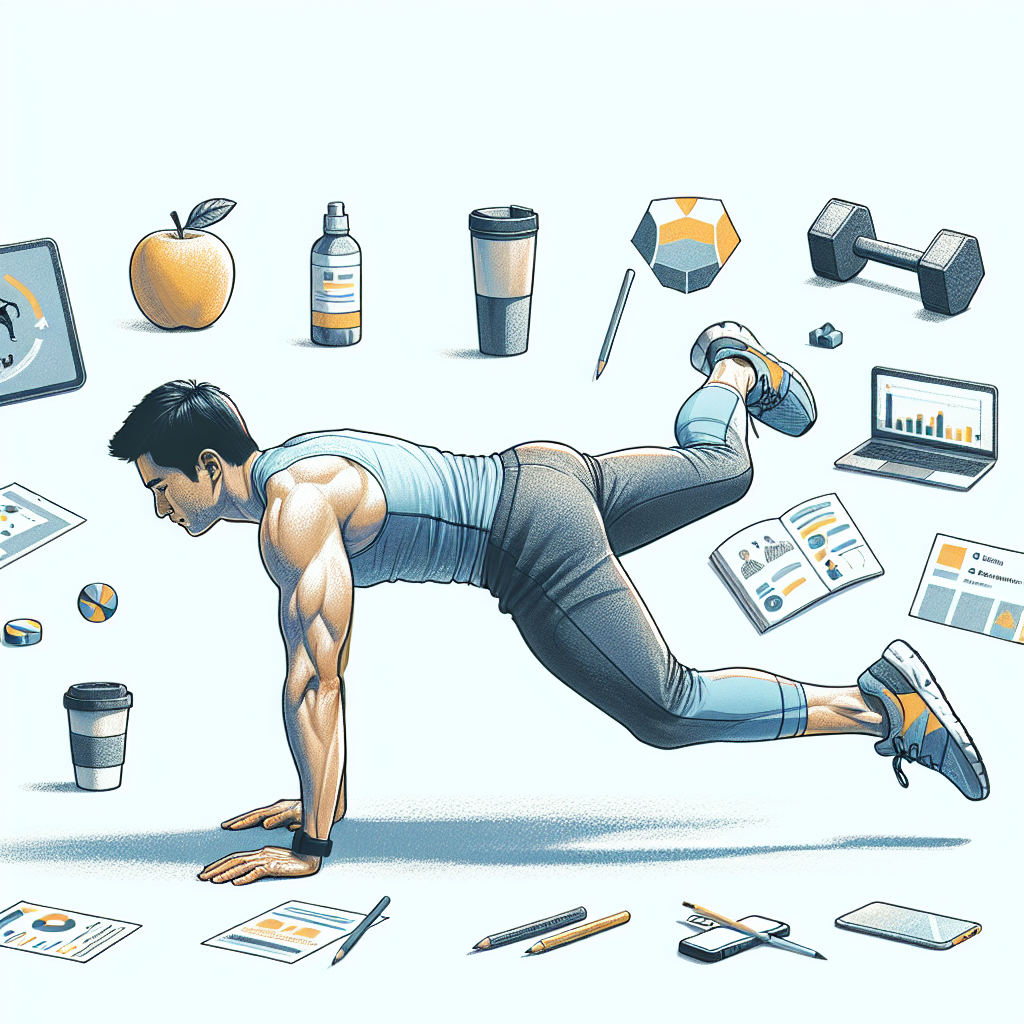
Strength Training for Beginners at Home Without Equipment
Strength training is a crucial component of overall fitness, offering numerous benefits such as improved muscle tone, increased metabolism, and enhanced mental health. For beginners, the idea of starting a strength training regimen can be daunting, especially without access to gym equipment. However, engaging in effective strength-building exercises at home is not only feasible but can also yield excellent results. This article will provide practical guidance on how to initiate a no-equipment strength training routine, ensuring that you can embark on your fitness journey with confidence and effectiveness.
- Understanding Strength Training
- Getting Started: Preparing Yourself
- Effective Home Exercises Without Equipment
- Creating a Sustainable Routine
- When to Consult a Professional
- Common Myths and Mistakes to Avoid
- Frequently Asked Questions
- Conclusion
Understanding Strength Training
Strength training, also known as resistance training, involves exercises that improve strength and endurance by working against resistance. This resistance can come from various sources, including body weight, resistance bands, or weights. For beginners focusing on bodyweight exercises, the primary goal is to enhance muscular strength and stability, which can improve overall physical performance and quality of life.
Getting Started: Preparing Yourself
Before embarking on your strength training journey, it is essential to establish a solid foundation. Consider the following preparatory steps:
- Set Clear Goals: Define what you aim to achieve—whether it’s weight loss, muscle gain, or improved endurance.
- Evaluate Your Current Fitness Level: Understand your baseline capability to tailor the exercise intensity.
- Choose a Comfortable Environment: Select a space in your home where you can move freely without distractions.
Effective Home Exercises Without Equipment
Below is a selection of key bodyweight exercises suitable for beginners:
- Squats: Stand with your feet shoulder-width apart. Lower your body as if sitting in a chair, keeping your back straight. Rise back to standing.
- Push-Ups: Start in a plank position. Lower your body until your chest nearly touches the floor, then push back up. Beginners can modify this by starting on their knees.
- Planks: Lie face down and lift your body, supporting it on your forearms and toes. Keep your body straight and hold the position.
- Glute Bridges: Lie on your back with knees bent. Raise your hips until your body forms a straight line from shoulders to knees, then lower back down.
- Lunges: Step forward with one foot, lowering your hips until both knees are bent at about a 90-degree angle. Alternate legs.
- Mountain Climbers: Begin in a push-up position and bring one knee toward your chest, then switch legs quickly. This exercise also elevates your heart rate.
Creating a Sustainable Routine
To maximize results, it is essential to create a sustainable routine. Consider the following steps:
- Frequency: Aim for at least three sessions per week. Start with shorter workouts and progressively increase duration.
- Duration: Limit sessions to 20-30 minutes, focusing on quality over quantity.
- Variety: Incorporate different exercises to target various muscle groups and to keep the routine engaging.
- Recovery: Allow adequate rest days for muscle recovery, which is vital for strength gains.
For those looking to get started with minimal time investment, consider registering for a free 30-day exercise program where you can achieve similar results to a gym workout in just six minutes a day. You can register here.
When to Consult a Professional
While this guide provides foundational advice, there are instances when consulting a qualified professional is essential:
- Pain or Discomfort: If you experience persistent pain or discomfort during or after exercises, seek professional guidance to avoid injury.
- Pre-existing Conditions: Individuals with pre-existing health conditions should consult a healthcare professional before beginning any exercise program.
- Unsure About Technique: If uncertain about proper form or technique, a professional can provide valuable insights and adjustments.
Common Myths and Mistakes to Avoid
As beginners take on strength training, it’s crucial to avoid prevalent misconceptions:
- Myth: Strength training is only for bodybuilders.: Strength training benefits everyone, enhancing functional fitness for daily activities.
- Mistake: Skipping Warm-Ups.: Failing to warm up increases the risk of injury; always prepare your body before workouts.
- Myth: More is better.: Overtraining can lead to burnout. Focus on consistency and quality of workouts.
- Mistake: Neglecting Nutrition.: Proper nutrition is essential for recovery and muscle growth. A balanced diet will support your training efforts.
Frequently Asked Questions
What are the benefits of strength training for beginners?
Strength training improves muscle tone, enhances metabolism, and boosts mental well-being.
How often should I perform strength training at home?
Aim for at least three sessions per week for optimal results.
Can I build muscle without weights?
Yes, bodyweight exercises can effectively build muscle and improve strength.
What should I do if I feel pain during an exercise?
If you experience pain, stop the exercise and consult a professional to assess the issue.
How can I stay motivated to exercise at home?
Set clear goals, track your progress, and consider varying your routine to keep things engaging.
Is it necessary to warm up before strength training?
Yes, warming up prepares your muscles and reduces the risk of injury.
Conclusion
- Strength training can be effectively done at home without equipment.
- Establish clear goals and assess your current fitness level.
- Incorporate a variety of bodyweight exercises into your routine.
- Consult a professional when necessary to ensure safe practices.
- Stay informed and motivated while pursuing your strength training journey.
As you embark on this journey, remember that consistency and proper technique are key to achieving your fitness goals. For additional support, consider exploring our 30-day exercise program mentioned earlier to kickstart your progress.
Author: John Angel