
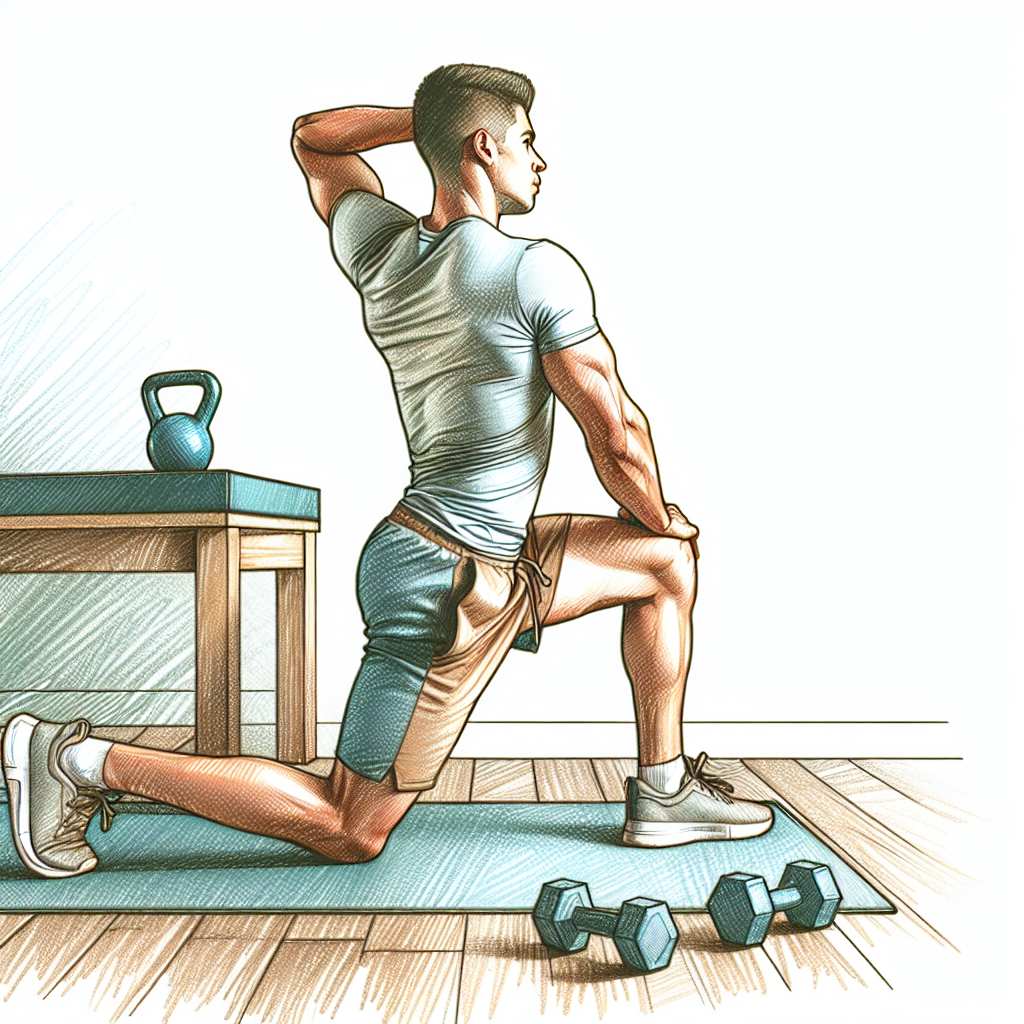
Weight Training at Home: No Equipment Required
Engaging in weight training at home without the need for equipment not only saves time and money but also enhances accessibility for individuals regardless of their fitness level. This guide will explore effective bodyweight exercises, the importance of consistency, and how to create a structured routine that maximizes results in a minimal time commitment.
- Introduction
- The Benefits of Bodyweight Training
- Effective Bodyweight Exercises
- Creating a Structured Routine
- When to Consult a Professional
- Common Myths and Mistakes
- Frequently Asked Questions
- Conclusion
The Benefits of Bodyweight Training
Bodyweight training, a form of exercise that utilizes one’s own body weight as resistance, offers numerous benefits:
- Accessibility: No equipment means you can train anytime, anywhere.
- Cost-effective: Eliminate gym fees and purchase expenses for machines or weights.
- Functional strength: Enhances overall body strength and coordination.
- Low-risk of injury: When performed correctly, bodyweight exercises often present less injury risk than traditional weightlifting.
- Flexibility in routine: Easily adjust exercises to suit your fitness level and any injuries or limitations.
Effective Bodyweight Exercises
Incorporating a variety of bodyweight exercises will help target multiple muscle groups. Here are several key exercises to consider:
Push-ups
Targeting the chest, triceps, and shoulders, push-ups are fundamental. Begin in a plank position, lower your body until your chest nearly touches the floor, then push back up.
Squats
Squats engage the quadriceps, hamstrings, and glutes. Stand with feet shoulder-width apart, lower your body as if sitting back into a chair, and return to standing.
Lunges
Lunges help improve balance and engage the legs and core. Step forward with one leg, lowering your hips until both knees are bent at about a 90-degree angle. Return to standing and repeat on the other side.
Planks
Planks strengthen the core, shoulders, and glutes. Maintain a straight line from head to heels while resting on your forearms and toes.
Burpees
Burpees are a full-body exercise that increases heart rate. Start standing, drop into a squat, kick your feet back into a plank, return to squat, and jump up.
Creating a Structured Routine
To achieve noticeable results, consistency and structure are essential. Here is a simple guide to creating an effective home workout routine:
- Set Clear Goals: Define specific, measurable, and attainable fitness goals, such as increasing endurance or strength.
- Schedule Workouts: Dedicate a specific time each day for your workouts to develop a routine.
- Warm-up: Begin each session with a warm-up to prepare your body and reduce the risk of injury.
- Alternate Muscle Groups: Structure workouts to focus on different muscle groups to allow recovery time.
- Track Progress: Maintain a log of exercises completed and progress made to stay motivated.
- Join a Program: Consider joining a structured program to help maintain accountability. You can register for a free 30-day exercise program where you only need to exercise for six minutes each day and still see results akin to a gym regimen at this link.
When to Consult a Professional
If you experience persistent pain, discomfort during exercises, or difficulty completing basic movements, it is advisable to consult a qualified professional. Conditions such as joint issues, previous injuries, or chronic pain might necessitate tailored guidance or a modified exercise regimen. Additionally, if your fitness goals seem unattainable or lead to frustration, seeking advice from a fitness coach or healthcare professional could provide clarity and direction.
Common Myths and Mistakes
Despite the popularity of bodyweight training, several misconceptions may deter individuals from exploring its full potential:
- Myth 1: No Equipment Means No Gains: Bodyweight training can be as effective as traditional weightlifting for building strength and muscle mass.
- Myth 2: Cardio Only for Weight Loss: Resistance training, even in bodyweight forms, is highly effective for fat loss and metabolic health.
- Mistake 1: Poor Technique: Ensure proper form for each exercise to avoid injury and maximize effectiveness.
- Mistake 2: Inconsistent Routine: Regularity is key; aim for at least three sessions per week for optimal results.
- Mistake 3: Neglecting Recovery: Allow muscles time to recover to prevent overtraining and injuries.
Frequently Asked Questions
Can I build muscle with bodyweight exercises?
Yes, bodyweight exercises can effectively build muscle through resistance and proper technique.
How often should I train at home?
Aim for at least three to four times a week, allowing for rest days to promote recovery.
Is six minutes of exercise enough?
Short, high-intensity workouts can be very effective; including these in your routine can yield significant results.
Can beginners use bodyweight training?
Absolutely! Bodyweight exercises are suitable for individuals of all fitness levels, including beginners.
Are bodyweight exercises safe?
Yes, as long as exercises are performed with proper form and technique, they present a low risk of injury.
What should I do if I get bored of my routine?
Vary your exercises, adjust the intensity, or try new training formats to keep your workouts engaging.
Conclusion
- Bodyweight training is effective for building strength, flexibility, and endurance.
- A structured routine enhances motivation and ensures consistent progress.
- Understanding common myths can prevent setbacks in your fitness journey.
- Consult professionals when experiencing discomfort or uncertainty in your workouts.
- A commitment to regular training can yield results without the need for equipment.
For those looking for a quick and effective way to enhance their fitness routine without the hassle of equipment, consider exploring bodyweight exercises. Remember, achieving your fitness goals begins with a single step. Start today!
Author: John Angel